



Why Is Your Flat Top Bar Sink Strainer So Exceptionally Shiny?

The exceptional luster of your Flat Top Bar Sink Strainer is not by chance. It results from advanced material science and meticulous craftsmanship. Its unparalleled surface finish, exceptional corrosion resistance, and remarkable durability are key to its lasting brilliance. Stainless steel dominates the market for Sink Strainers. This material choice ensures its sleek appearance and robust performance.
Key Takeaways
- Your sink strainer shines because of special stainless steel. This metal is strong and resists rust.
- Careful making and polishing give the strainer its mirror-like look. This also helps it stay clean.
- The strainer lasts long in a bar. It fights off damage from liquids and daily use.
The Unique Composition Behind Your Flat Top Bar Sink Strainer's Brilliance
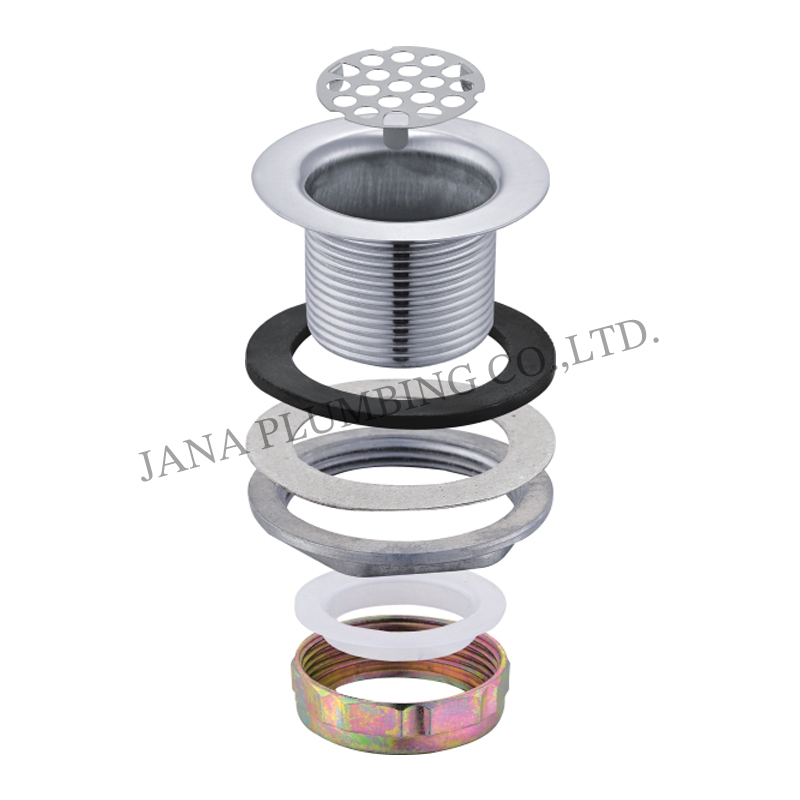
The lasting brilliance of your sink strainer begins with its core material. It is not just any metal. It is a carefully chosen stainless steel alloy. This alloy provides the foundation for its exceptional shine and strength.
Advanced Alloy for Superior Performance
The choice of stainless steel for your sink strainer is a deliberate one. Manufacturers select specific alloys for their unique properties. These alloys offer excellent resistance to the harsh conditions found in a bar environment. For example, some premium sink strainers use 316L grade stainless steel. This specific alloy provides enhanced chemical resistance. It prevents corrosion, even when exposed to various liquids and cleaning agents. This careful material selection ensures the strainer maintains its integrity and shine over time.
Precision Manufacturing for Refined Steel
The journey from raw alloy to a gleaming sink strainer involves precise manufacturing steps. These steps refine the steel and give it its remarkable qualities.
-
Annealing Process: This crucial step involves heating the steel, holding it at a specific temperature, and then cooling it in a controlled way. This process makes the steel more flexible. It also improves its overall strength. Annealing removes any small defects from earlier production stages. It changes the steel's internal structure, making the material uniform. This is vital for high-performance products.
-
Finishing Treatments: After annealing, the steel undergoes various treatments. These treatments optimize its performance and appearance.
- Mechanical Finishing: Techniques like grinding and polishing make the surface smooth. This reduces roughness, which is important for hygiene.
- Chemical Passivation: This involves immersing the stainless steel in an acid bath. This process removes foreign materials and strengthens the protective chromium oxide layer. Passivation prevents corrosion and keeps the surface uniform.
- Electrochemical Treatments: Electropolishing removes tiny amounts of material. This creates a very glossy finish. It also greatly improves corrosion resistance.
Different production processes create various surface finishes. These finishes affect both the look and how the steel performs.
| Finish Type | Process Route | Surface Finish | Notes |
|---|---|---|---|
| Cold rolled (2B) | Cold rolled, heat treated, pickled, skin passed | Smoother than 2D | Most common for good corrosion resistance, smoothness, and flatness. |
| Cold rolled (2R) | Cold rolled, bright annealed | Smooth, bright, reflective | Smoother and brighter than 2B. |
| Special finishes (1P or 2P) | Bright polished | Non-directional, reflective with high image clarity | Mechanical polishing; process or surface roughness can be specified. |
These treatments significantly improve the strainer's resistance to corrosion and wear. They also enhance its antibacterial properties. This extends the product's life and keeps it performing well. A Bright Annealed (BA) finish, for instance, results from cold rolling and annealing in a controlled environment. This process creates a bright, reflective, and smooth surface. This finish offers excellent formability and high weldability. It also makes the surface easy to clean. The precise manufacturing of your Flat Top Bar Sink Strainer ensures its enduring quality and brilliant appearance.
Unveiling the Shine: Surface Science of Your Flat Top Bar Sink Strainer
The brilliant shine of your sink strainer is not just a visual treat; it results from advanced surface science. Manufacturers employ precise techniques to create this stunning, reflective finish.
Polishing Techniques for a Mirror-Like Finish
Achieving a mirror-like finish on stainless steel involves several meticulous mechanical polishing stages. These steps progressively refine the surface, removing imperfections and enhancing reflectivity.
- Initial Buffing Stages: This prepares the surface, smoothing out any initial roughness.
- Cut Buffing: This step uses a black stainless steel buffing compound with a blue airway buffing wheel. It effectively removes very fine scratches.
- Intermediate Buffing: A less coarse abrasive, like brown tripoli compound, is applied with a yellow airway buffing wheel. This improves the color and overall finish.
- Color Buffing: The final stage uses a green rouge compound with an untreated white airway buff. This enhances the stainless steel's brilliance, creating that desired mirror-like aesthetic.
These techniques reduce surface roughness significantly. Mirror polishing, also known as a No.8 finish, achieves the highest reflectivity. It typically results in a surface roughness (Ra value) between 0.2 to 0.8 μm. For ultra-fine optical surfaces, Ra values can even drop below 0.1 μm. This extreme smoothness ensures your Flat Top Bar Sink Strainer reflects light beautifully, maintaining its pristine appearance.
The Role of Passivation in Lasting Luster
Beyond polishing, passivation plays a critical role in preserving your sink strainer's luster and preventing corrosion. Passivation is a chemical surface treatment that removes free iron and other contaminants. This process helps create a uniform, inert oxide layer that shields the underlying metal.
The chemical passivation process involves several key steps:
- Cleaning: This removes surface contaminants like oils, grease, and debris. It ensures the passivating solution makes uniform contact with the metal.
- Passivation or Acid Bath: The stainless steel is immersed in an acid solution, such as nitric or citric acid. This restores a pure metal surface.
- Rinse and Dry: After rinsing and drying, exposure to oxygen allows the protective passive film to form.
This enhanced protection is crucial for maintaining the strainer's integrity in a demanding bar environment. Industry standards like ASTM A967 govern the passivation of stainless steel components. This standard ensures thorough cleaning, proper chemical treatment, and rigorous testing. These measures guarantee your sink strainer maintains its exceptional corrosion resistance and brilliant shine for years.
Enduring Quality: Durability and Corrosion Resistance for Your Flat Top Bar Sink Strainer
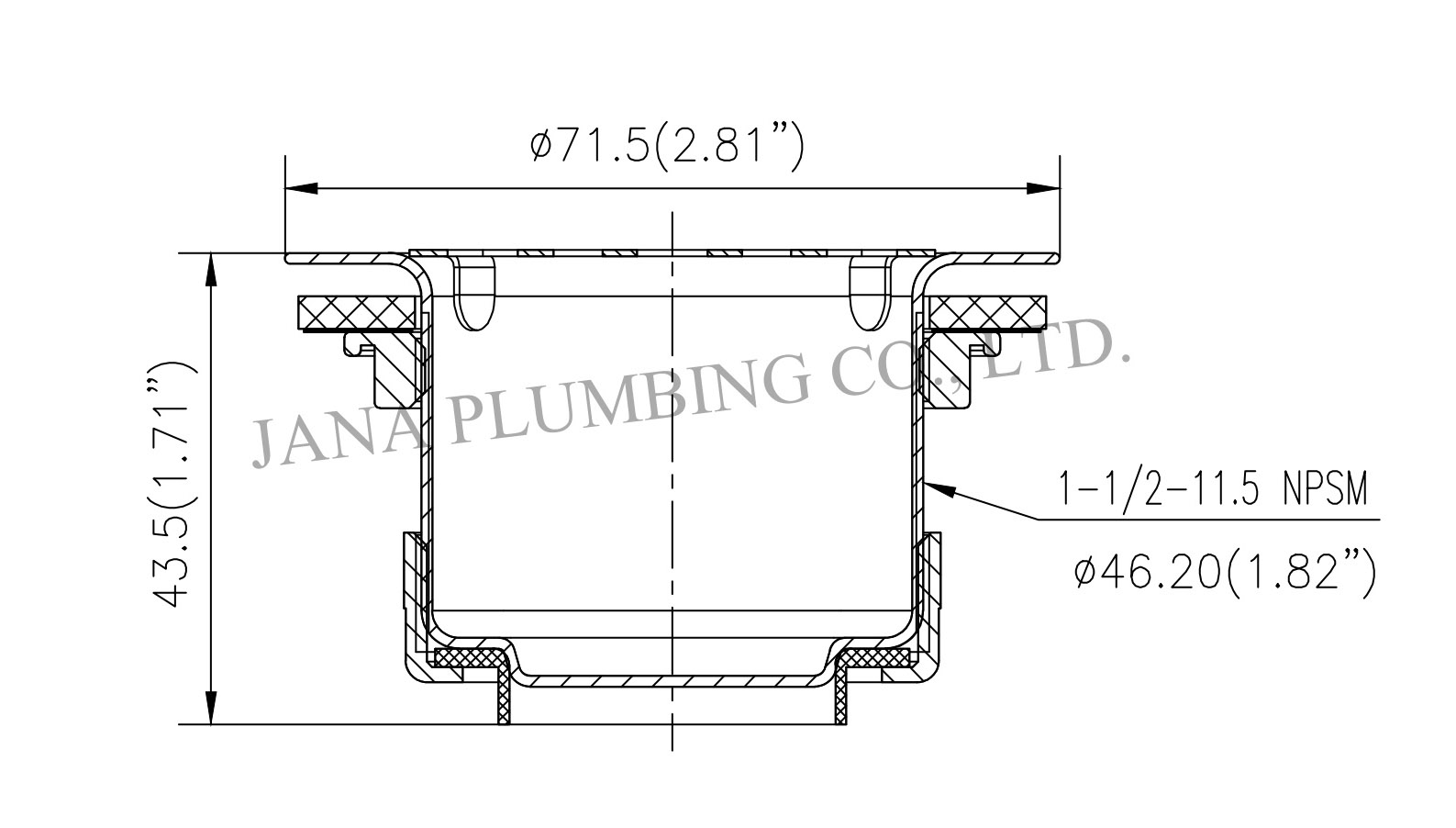
Your sink strainer's lasting quality comes from its exceptional durability and superior resistance to corrosion. These features ensure it performs reliably and maintains its pristine appearance for many years.
Superior Resistance to Bar Environment Challenges
A bar environment presents unique challenges for any metal component. Your sink strainer faces constant exposure to various corrosive agents. For example, acidic food and beverages can cause generalized dissolution on stainless steel surfaces. This releases ions into the electrolyte. Chlorides, often mixed with organic acids, are particularly aggressive towards metals. They significantly contribute to corrosion phenomena. High concentrations of chlorides increase susceptibility to pitting and crevice corrosion. High temperatures also increase the likelihood of pitting and stress corrosion cracking. Furthermore, high relative humidity influences the initiation of stress corrosion cracking, especially when combined with chloride concentration. Even bacterial presence can contribute to corrosion. Acids, salts, and cleaning chemicals used in daily operations create additional corrosion risks.
The robust stainless steel in your sink strainer actively combats these harsh conditions. Manufacturers select specific stainless steel alloys for their superior resistance. These alloys contain elements like molybdenum. Molybdenum significantly reduces susceptibility to both pitting and crevice corrosion. This makes the material ideal for exposure to fluids containing chlorides. Some advanced stainless steels offer even greater resistance to pitting and crevice corrosion compared to standard grades in chloride-bearing solutions. These specialized materials ensure your sink strainer withstands the demanding bar environment. It resists the corrosive effects of various liquids and cleaning agents, protecting its integrity and shine.
Maintaining Integrity Through Daily Use
Beyond chemical resistance, your sink strainer demonstrates remarkable physical durability. It endures the rigors of daily use without compromising its structure or appearance. The inherent strength of its stainless steel construction resists scratches, impacts, and general wear and tear. This material choice means the strainer handles heavy use, such as dropping utensils or scrubbing, without easily deforming or showing damage.
The meticulous manufacturing processes, including annealing and various finishing treatments, contribute to this resilience. These steps refine the steel, making it tougher and more resistant to physical stress. The smooth, polished surface not only looks good but also helps prevent debris from sticking. This makes cleaning effortless and reduces the need for harsh scrubbing that could otherwise degrade the finish. Your Flat Top Bar Sink Strainer consistently maintains its structural integrity and brilliant luster, even with continuous daily operation. It remains a hygienic, aesthetically pleasing, and long-lasting component of your sink.
The superior shine, durability, and corrosion resistance of the stainless steel in your Flat Top Bar Sink Strainer come from its advanced alloy and meticulous manufacturing. These qualities ensure it remains a hygienic, aesthetically pleasing, and long-lasting component of your sink. You will appreciate its enduring performance and brilliant appearance for years to come.
FAQ
Why does the sink strainer maintain its shine so well?
The sink strainer maintains its shine due to its advanced stainless steel alloy and meticulous manufacturing. Precision polishing and passivation treatments create a mirror-like finish and protect against corrosion.
How can one best clean the sink strainer to preserve its luster?
Clean the sink strainer regularly with mild soap and water. Avoid abrasive cleaners or harsh chemicals. This simple routine helps preserve its brilliant, reflective surface.
Does the sink strainer resist common bar environment challenges?
Yes, the sink strainer's robust stainless steel construction resists common bar challenges. It withstands exposure to acids, salts, and cleaning agents, maintaining its integrity and appearance.
