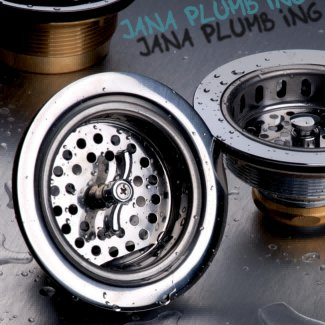
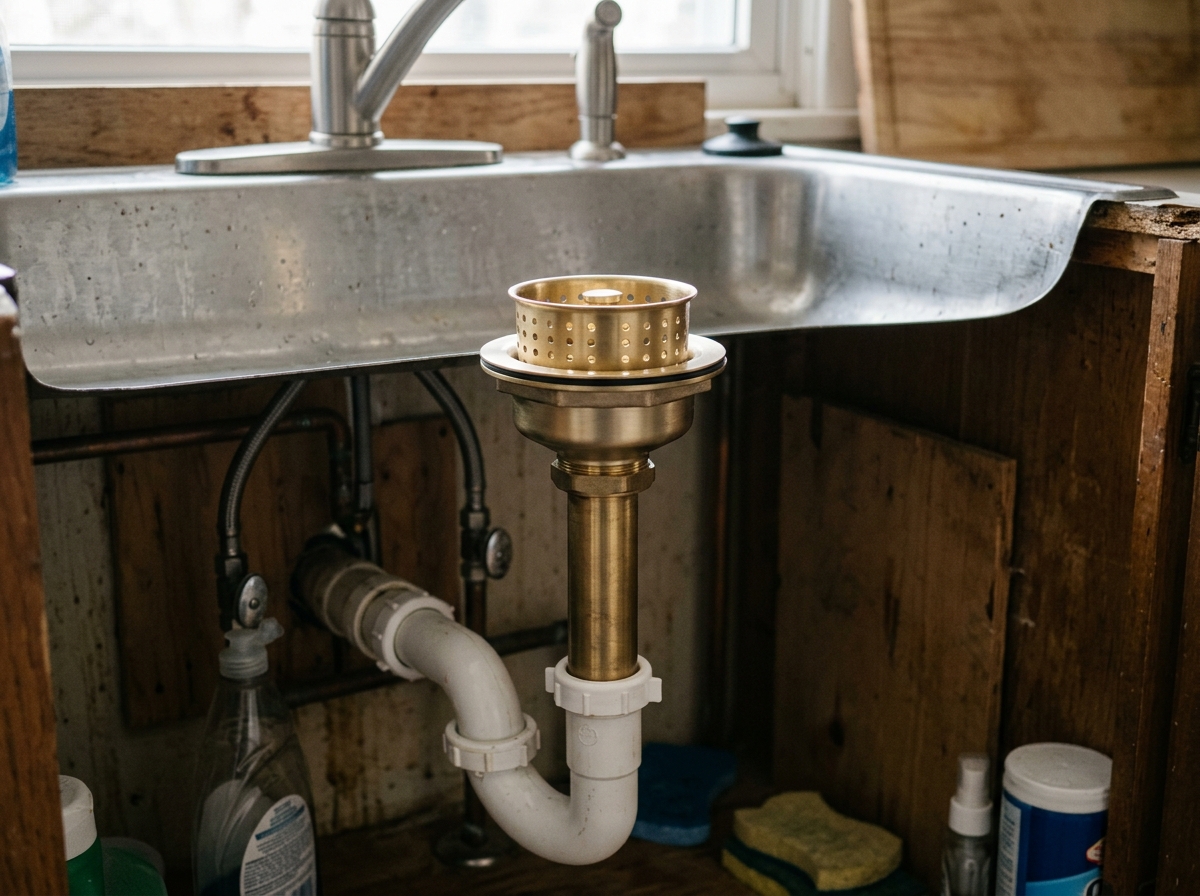
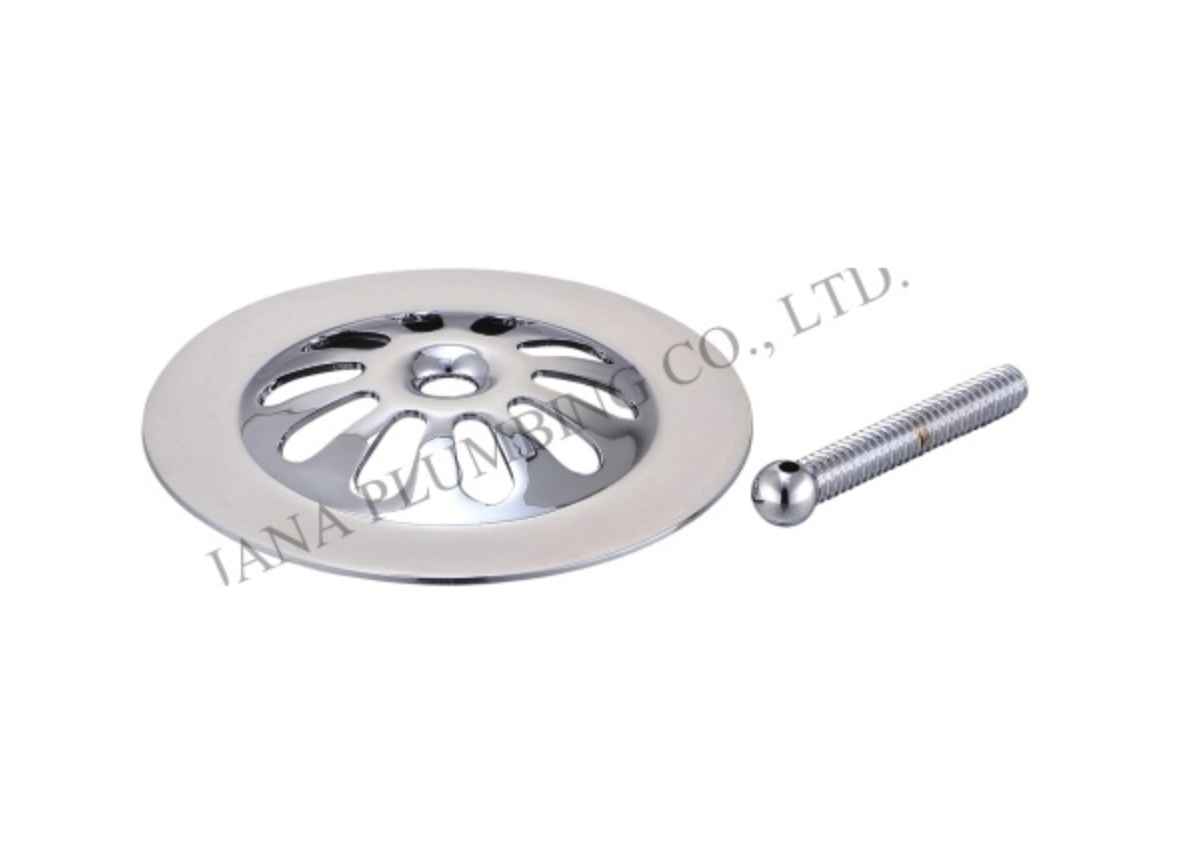
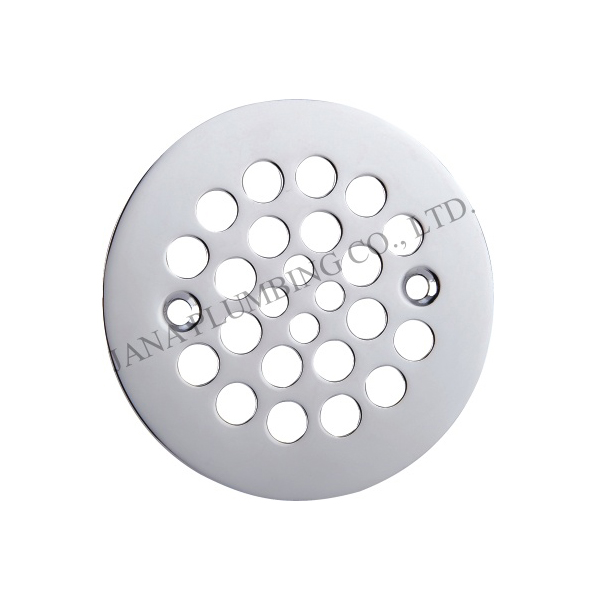
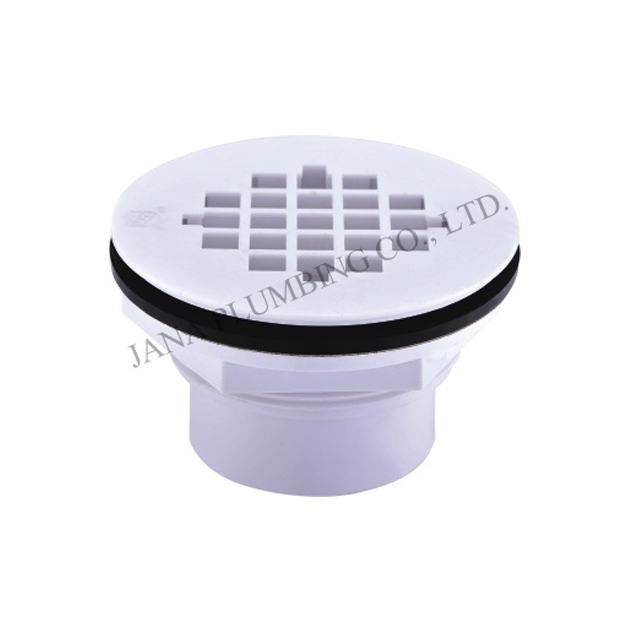
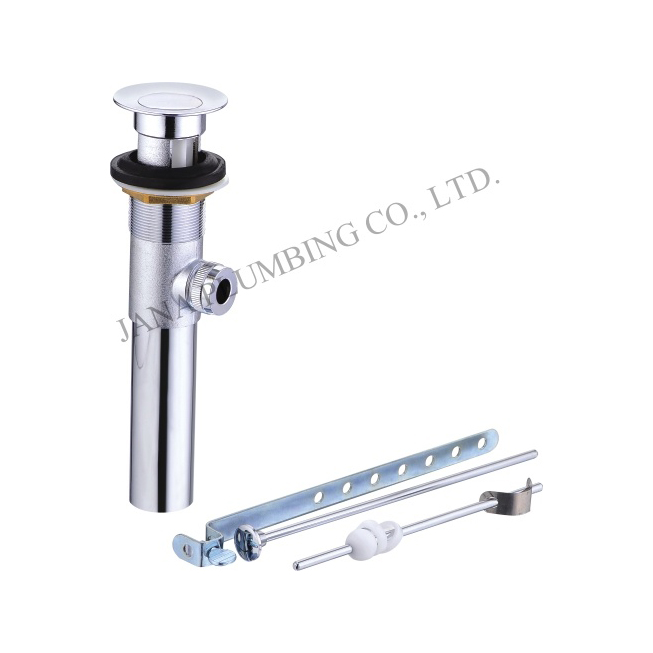
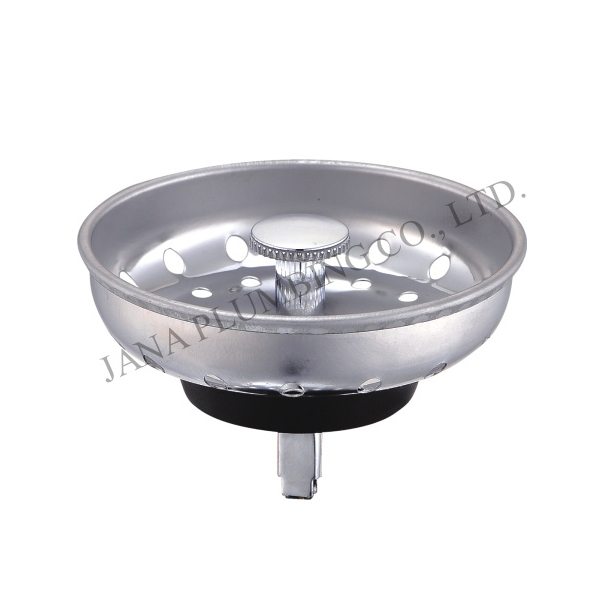
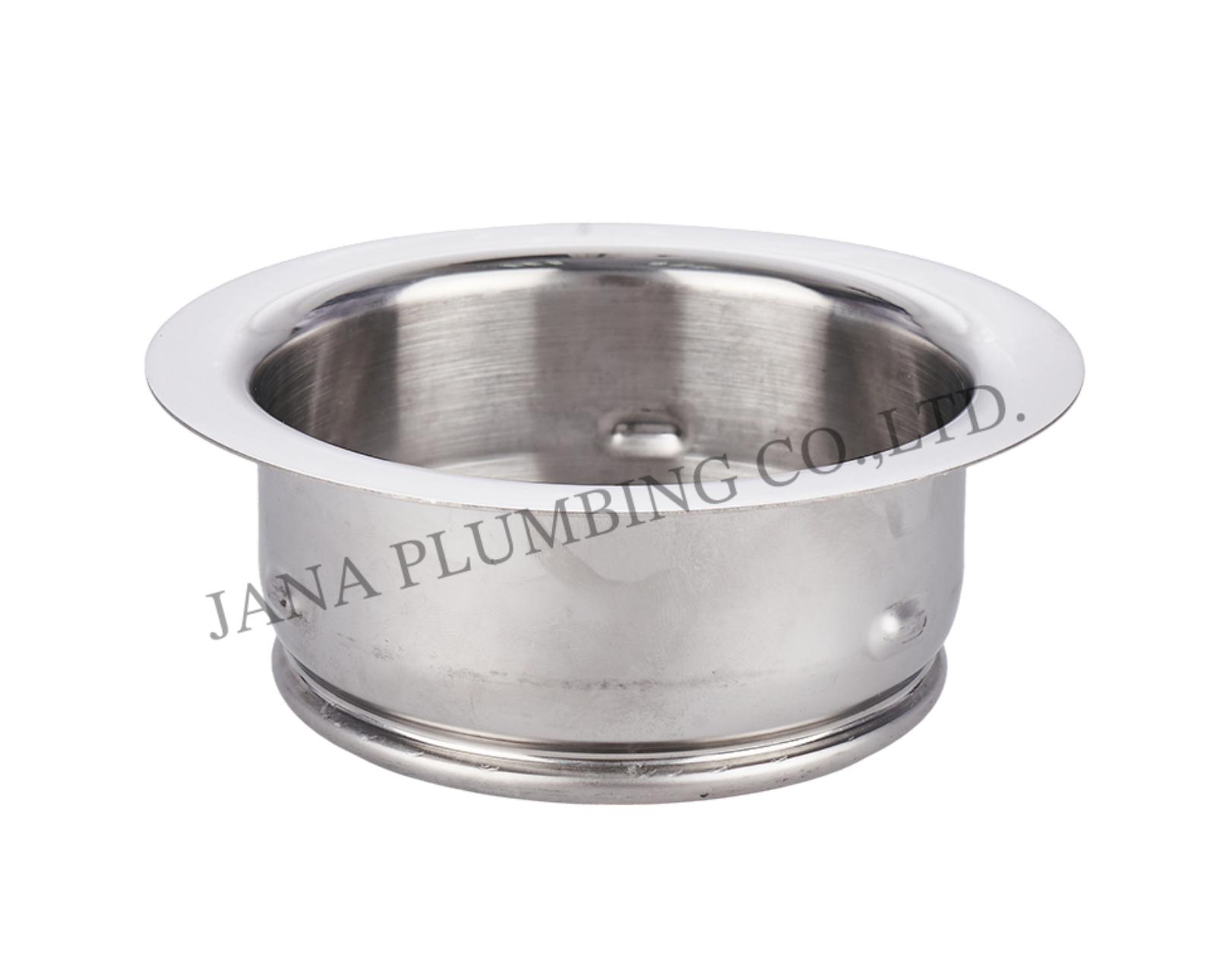
Why homeowners love the 4-1/4" OD Snap-in Strainer Grid brass body
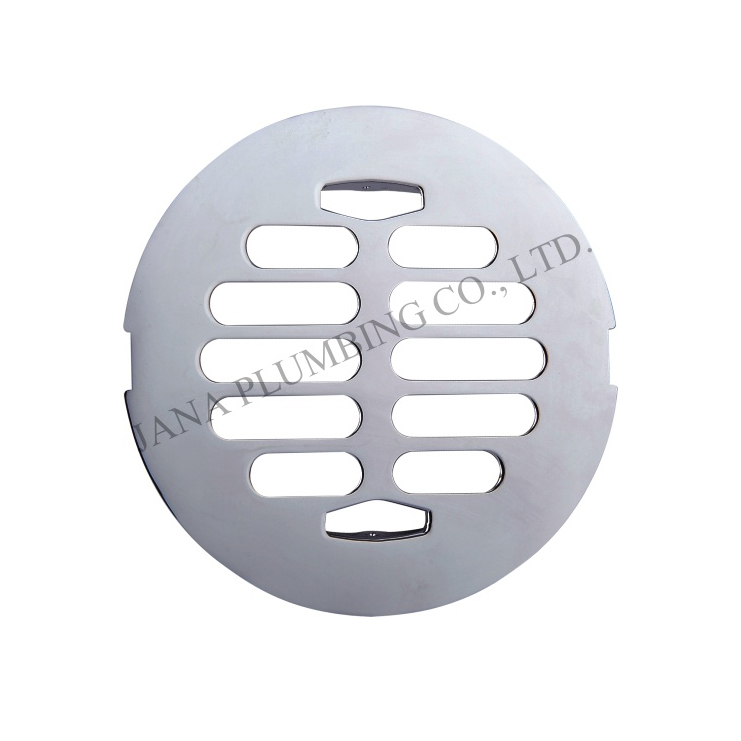
Homeowners truly value the brass body for its exceptional durability and superior resistance to corrosion. Brass fixtures can last for decades, significantly outlasting plastic or low-quality metal options. This ensures the 4-1/4" Od Snap-In Strainer Grid provides a long-lasting and reliable fixture, offering homeowners peace of mind for many years.
Key Takeaways
- Brass strainer grids last a long time. They are very strong and do not break easily. This saves homeowners money over time.
- Brass does not rust. It handles water and chemicals well. This keeps your plumbing working great for many years.
- Brass fixtures look good. They add beauty to any bathroom. They also make your home more valuable.
The Unmatched Durability of the 4-1/4" OD Snap-in Strainer Grid Brass Body
Inherent Strength for Everyday Use
Brass is a naturally strong material. It handles the demands of daily use with ease. It resists cracks, pressure shocks, and vibrations. This strength is vital for plumbing systems. These systems often experience high pressure and mechanical stress. Brass also stops bacteria from growing. This makes it ideal for water systems that need high cleanliness. Unlike plastic, brass withstands higher temperatures. It is also fireproof. This makes it a superior choice for hot water lines. The 4-1/4" OD Snap-in Strainer Grid uses this inherent strength.
The tensile strength of brass further highlights its robustness:
| Brass Grade | Tensile Strength (MPa) |
|---|---|
| C210 | 280-455 |
| C220 | 315-520 |
| C230 | 300-550 |
This table shows brass can handle significant pulling forces without breaking.
Resistance to Cracking and Breaking
Brass is remarkably tough. It does not easily crack or break under normal conditions. It forms a protective layer when exposed to air, water, or moisture. This layer prevents leaks. This is crucial in plumbing where water exposure is constant. While brass performs best in low and medium pressure systems, it offers excellent resistance to everyday impacts for a strainer grid. It stands up to debris and normal wear. This means homeowners can trust their strainer grid to maintain its shape and function.
It is true that brass can deform or crack faster under continuous high pressure and fluctuating impact forces. However, a strainer grid typically operates in conditions where brass's inherent strength is more than sufficient. It resists the common stresses a strainer faces.
Longevity and Long-Term Savings
Choosing a brass body ensures long-lasting performance. Brass strainers might have a higher initial cost. However, they deliver significant savings over time. Their exceptional durability means they last for many years. They require very little maintenance. This longevity reduces the need for frequent replacements. Homeowners avoid costly repair bills. They also skip the inconvenience of constant fixes. This makes the 4-1/4" OD Snap-in Strainer Grid a smart investment. It provides lasting value and peace of mind.
Superior Corrosion Resistance for Lasting Performance of Your 4-1/4" OD Snap-in Strainer Grid
Homeowners demand fixtures that withstand the test of time, especially in moisture-rich environments. The brass body of the 4-1/4" OD Snap-in Strainer Grid offers superior corrosion resistance. This ensures lasting performance and reliability for your home's plumbing system.
Immunity to Rust in Moist Environments
Brass naturally resists rust. This makes it an excellent choice for areas with constant moisture, like bathrooms and kitchens. Its unique composition prevents the common problem of iron-based metals rusting. Specific chemical compositions within brass enhance this resistance. For example:
- Aluminum: Forms a protective, self-healing layer of aluminium oxide (Al2O3). This layer boosts strength and corrosion resistance.
- Tin: Provides corrosion resistance, especially in seawater. It is a key component in naval brasses.
- Arsenic: Used in arsenical brass and DZR brass. It improves corrosion resistance and stops zinc loss.
- High Copper Proportion (Red Brasses): Brasses with less than 15% zinc resist zinc loss more effectively.
These elements create a robust material. It stands strong against the corrosive effects of water. Salt spray tests confirm brass's excellent performance.
| Test Type | Test Condition | Standard Brass | Our DZR Brass | Improvement |
|---|---|---|---|---|
| Salt Spray Test | ASTM B117, 1000 hrs | Severe corrosion | Minor surface discoloration | >90% |
This table clearly shows DZR brass, a type of brass often used in high-quality plumbing, performs exceptionally well. It shows only minor discoloration after 1000 hours of salt spray. This is a significant improvement over standard brass. While brass can tarnish faster in environments with over 60% humidity, it does not rust like steel. For instance, Brass H62 shows a corrosion rate of only 0.10 μm/d in simulated marine atmospheres. This demonstrates its inherent immunity to rust.
Resistance to Chemical Degradation
Plumbing fixtures often encounter various chemicals, from cleaning agents to water treatment additives. Brass handles these exposures well. It resists degradation from many common household chemicals. However, homeowners should still exercise care. Prolonged exposure to cleaning solutions, or using overly strong mixtures, can potentially harm brass. Always rinse and dry brass thoroughly after cleaning. This prevents damage. Leaving brass wet can accelerate tarnishing. Over time, this can lead to corrosion or pitting due to prolonged moisture exposure.
Brass also performs best within a specific pH range. Acidic water (pH under 7.0) corrodes metal, including plumbing. All grades of brass are susceptible to corrosion from acidic water.
- Brass is aggressively attacked at low pH. This causes the dissolution of the Zn-rich phase.
- At pH greater than 9, electrochemical evidence confirms the breakdown of the passive film. This releases soluble copper and zinc ions.
- Low pH and low alkalinity water accelerate dezincification. They also enhance lead release.
- Meringue dezincification is most problematic at pH 8–9.
Therefore, maintaining proper water pH helps ensure the longevity of brass fixtures.
Maintaining Structural Integrity Over Time
The brass body of the 4-1/4" OD Snap-in Strainer Grid maintains its structural integrity for decades. It withstands mechanical stress, UV exposure, and chemical contact. Plastic, in contrast, becomes brittle, cracks, or deforms under these conditions. Brass's metallic structure handles impacts during installation and years of service. Plastic fittings often fail from environmental stress cracking or physical damage. Brass offers superior impact resistance and crush resistance. It boasts approximately 40,000 PSI compared to plastic's 5,000-8,000 PSI. Its thread strength also maintains integrity through multiple assembly cycles.
Brass also maintains dimensional stability and sealing force at temperatures up to 400°F. Plastic softens at 140-180°F. Its higher melting point and minimal thermal expansion prevent deformation under high heat. Its elastic modulus ensures maintained sealing pressure during pressure surges up to 300 PSI. Brass also shows superior creep resistance. This means it does not experience significant gradual deformation under constant stress at plumbing system temperatures and pressures. This ensures constant compression on seals throughout the system's life.
Consider the typical material loss over 10 years due to corrosion in brass plumbing:
| Water Type/Environment | Annual Corrosion Rate (mm/year) | 10-Year Material Loss (mm) |
|---|---|---|
| Hard Water (CaCO₃ >200 ppm) | 0.01-0.03 | 0.1-0.3 |
| Soft Water (CaCO₃ <50 ppm) | 0.05-0.08 | 0.5-0.8 |
| Seawater (pitting growth) | 0.05 | 0.5 |
| Atmospheric (coastal areas) | 0.02-0.04 | 0.2-0.4 |
| Soft Water at 60°C (dezincification) | 0.15 | 1.5 |
| Residential Hard Water System (case study) | 0.015 | 0.15 |
| Post-mitigation (case study) | 0.02 | 0.2 |
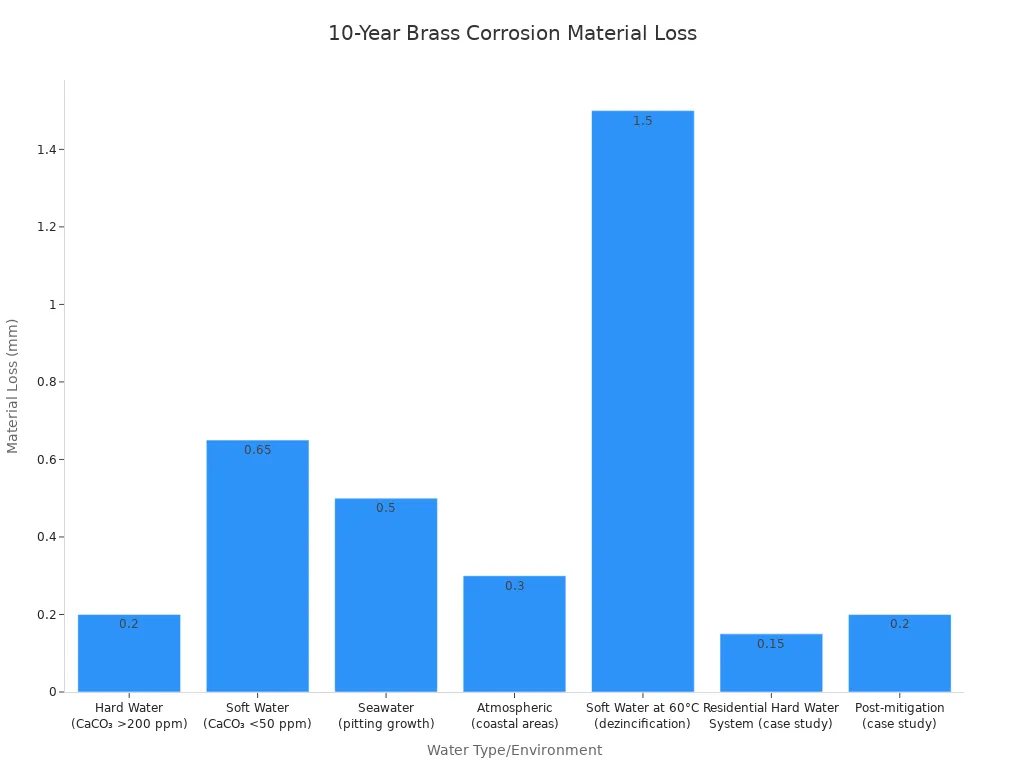
This data highlights brass's minimal material loss over a decade. It confirms its long-term stability. Brass plumbing fittings show superior durability and long-term performance compared to PVC and copper after years of water exposure. Unlike PVC, which degrades under UV exposure, or copper, which can corrode in certain conditions, brass maintains its structural integrity for decades. It exhibits superior corrosion resistance, even in environments with high acidity, varying chemical properties, harsh chemicals, salts, or chlorinated water. It outperforms both PVC (which can become brittle) and copper (which can suffer from pitting and mineral build-up). Furthermore, brass maintains its integrity under high temperatures and pressures. It remains stable and durable where PVC softens or deforms, and copper can degrade due to oxidation.
Aesthetic Appeal and Enhanced Value with a Brass 4-1/4" OD Snap-in Strainer Grid
Homeowners often choose brass fixtures for their undeniable beauty. A brass 4-1/4" OD Snap-in Strainer Grid elevates any bathroom. It adds a touch of sophistication and lasting value.
Classic Look Enhances Bathroom Aesthetics
Brass has a rich history in home decor. Ancient Egyptians used it for jewelry. Romans used it for coins. During the Middle Ages, brass became popular for religious items. The Victorian Era saw brass door knockers as common features. This long history makes brass a truly classic material. Polished brass remains a popular and timeless trend in bathroom design. It offers versatility for subtle accents or bold statements. It coordinates well with various colors and materials.
Versatility in Design for Any Style
Brass fixtures offer incredible versatility. They complement many design styles. For example, light gray and white schemes with high-sheen brass create a mix of classic and modern influences. Dusky pastel blue with warm undertones supports brass pieces, creating a light, airy palette. Monochrome black and white with brass faucets adds warmth to the classic combination. Deep navy blue and classic white with brass accents bring sophistication. Dusky pink and plain white, combined with brass, offers a tasteful and glamorous look. Homeowners can choose from various finishes like Satin Brass, Polished Brass, Antique Brass, or Aged Brass. Brushed brass offers a striking, on-trend look for contemporary designs. Unlacquered brass creates a rustic feel as it naturally ages.
Maintaining a Pristine Appearance
Maintaining the luster of brass fixtures is straightforward. Regular dusting with a microfiber cloth prevents tarnish buildup. For cleaning, homeowners can use simple homemade solutions. Ketchup, lemons and salt, or a vinegar solution work well. Mild dish soap with warm water also cleans effectively. Always rinse and dry brass thoroughly after cleaning. Lacquered brass finishes have a surface coating. This coating prevents tarnishing and aging. It maintains a like-new appearance for decades. Unlacquered brass, without a protective coating, naturally develops a unique patina over time. This aging process adds character and uniqueness.
The brass body of the 4-1/4" OD Snap-in Strainer Grid offers superior durability, corrosion resistance, and aesthetic appeal. It provides a smart investment for homeowners. This fixture delivers long-term value and reliability for any home. Homeowners gain peace of mind with its lasting performance.
FAQ
Why should homeowners choose a brass strainer grid?
Homeowners choose brass for its unmatched durability and superior corrosion resistance. It provides a long-lasting, reliable fixture. This ensures peace of mind for many years.
How do homeowners keep their brass strainer grid looking new?
Regular dusting with a microfiber cloth helps. Homeowners can use mild soap and water for cleaning. Always rinse and dry the brass thoroughly afterward.
Is the brass strainer grid compatible with most drain systems?
Its precise design ensures broad compatibility. The snap-in mechanism provides a secure, tight fit. This makes it a versatile choice for many plumbing setups.