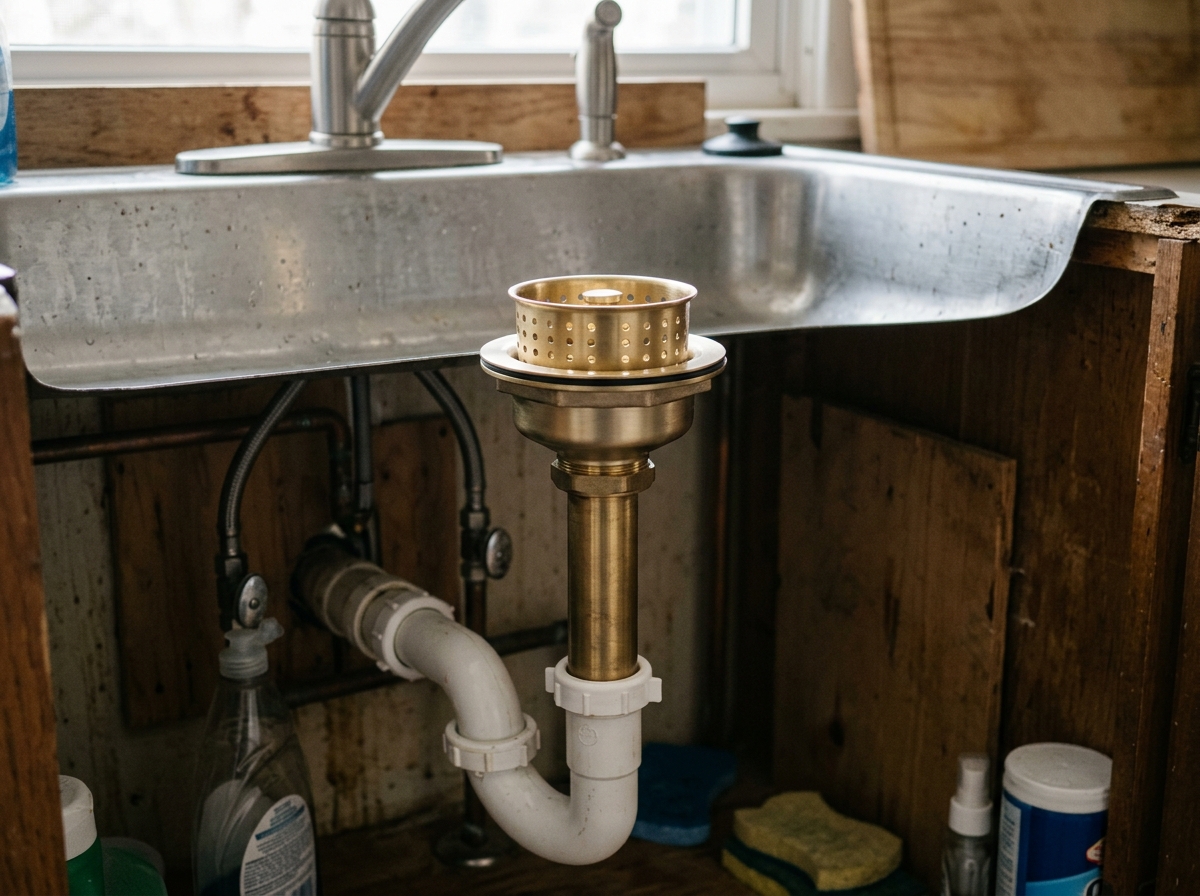
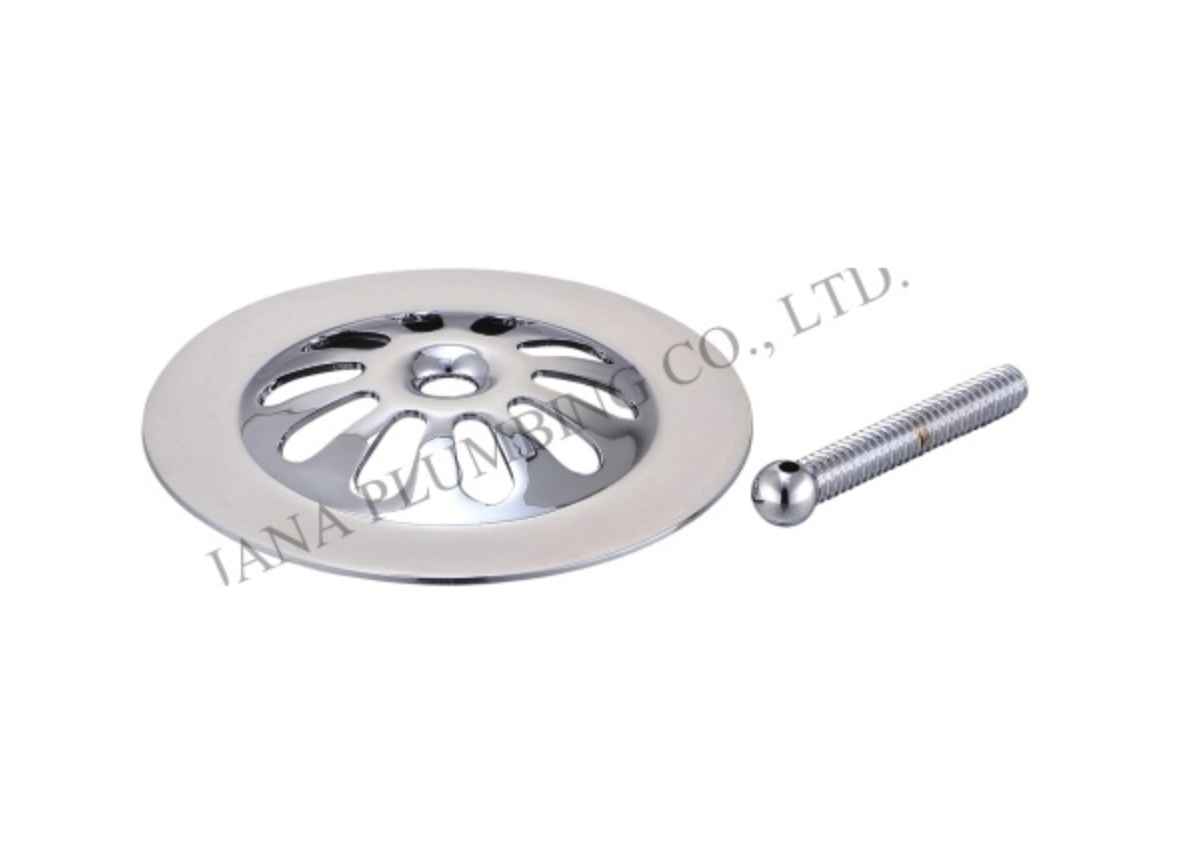
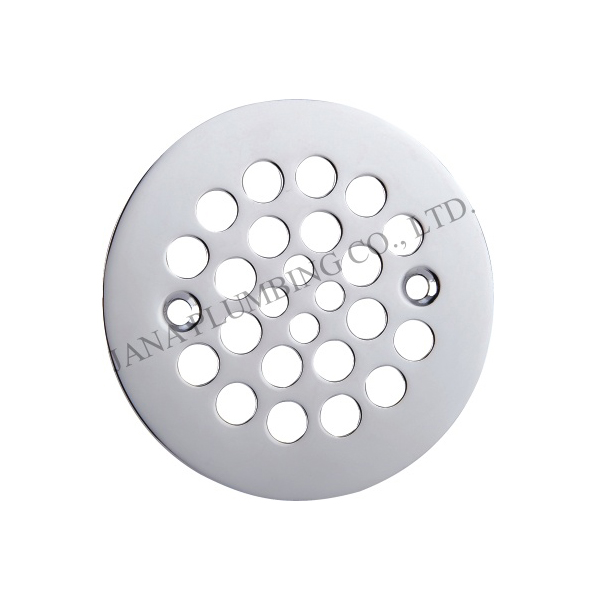
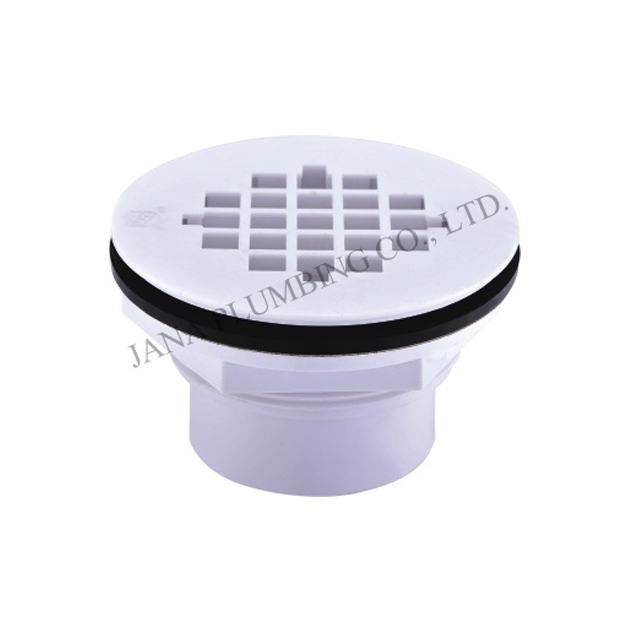
Why Choose Brass for Your OD Snap-in Strainer Grid?
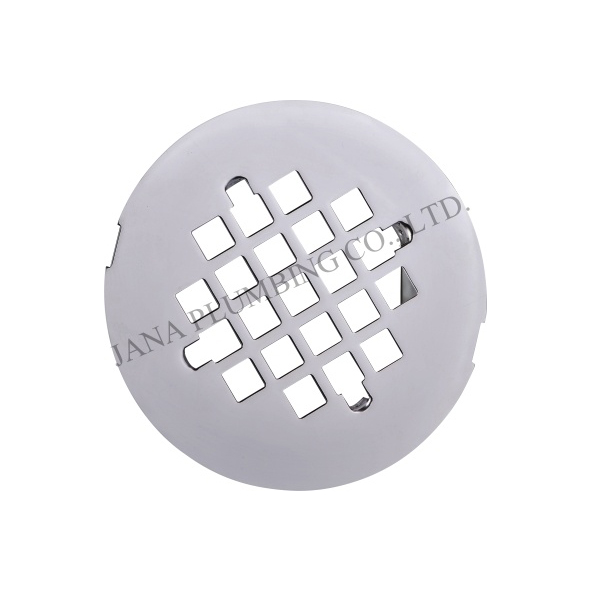
Brass is an excellent material. It naturally fights corrosion and lasts for ages, plus it looks quite appealing. This makes it a superb choice for plumbing solutions. A brass Od Snap-In Strainer Grid offers a reliable and long-lasting option. It performs exceptionally across various plumbing applications.
Key Takeaways
- Brass is a strong material. It fights rust and lasts a long time. This makes it great for plumbing parts.
- A brass strainer grid keeps pipes clear. It stops dirt from getting in. This protects your plumbing system.
- Brass looks good and stays clean. It fights germs naturally. This helps keep your home healthy.
Understanding the Importance of Material for Your OD Snap-in Strainer Grid
What is an OD Snap-in Strainer Grid?
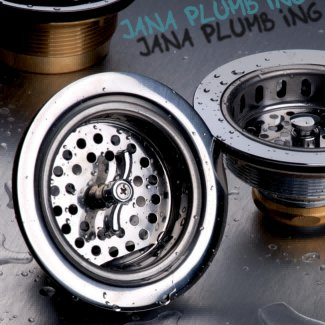
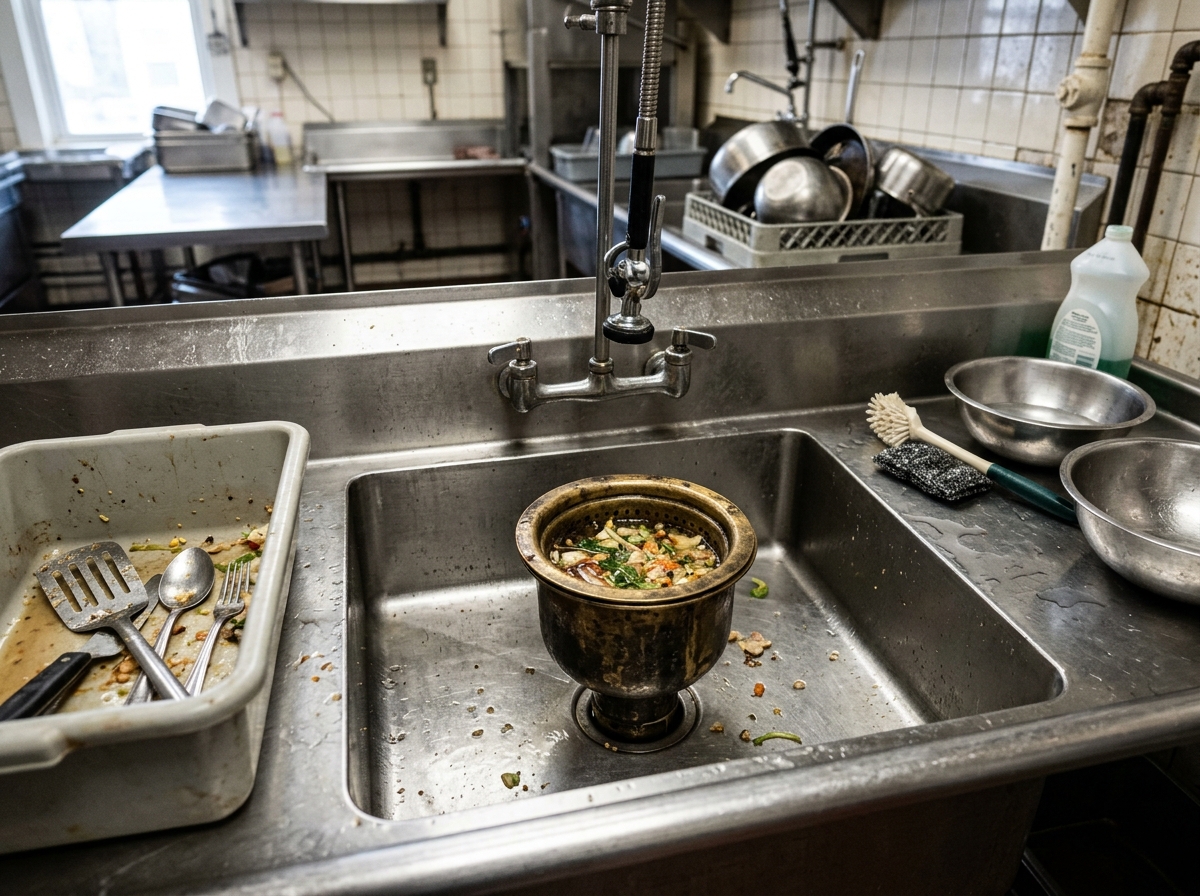
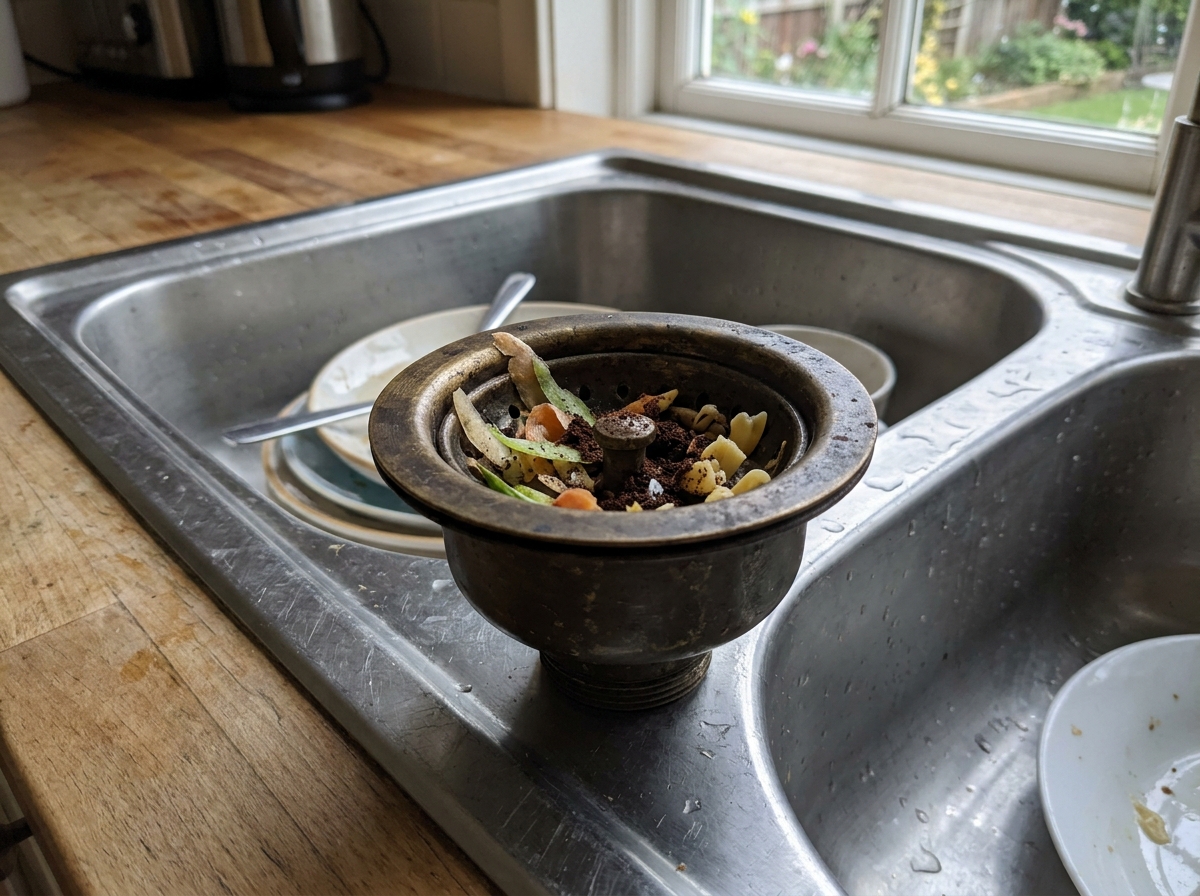
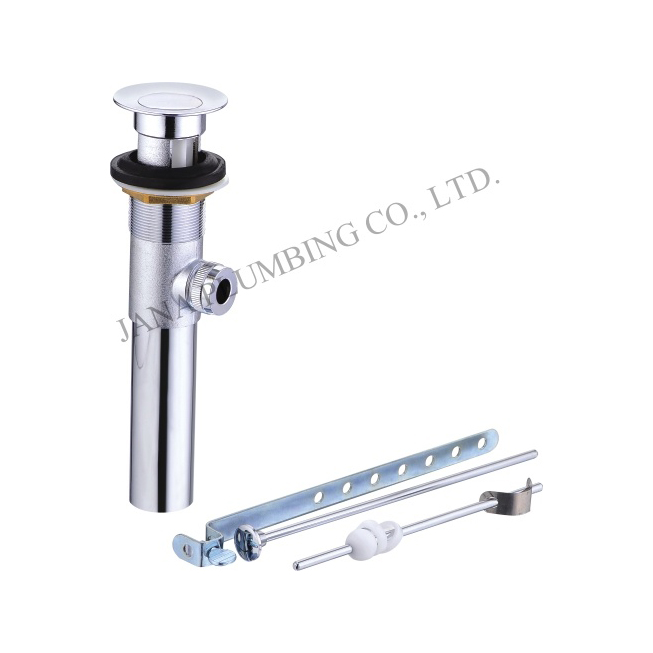
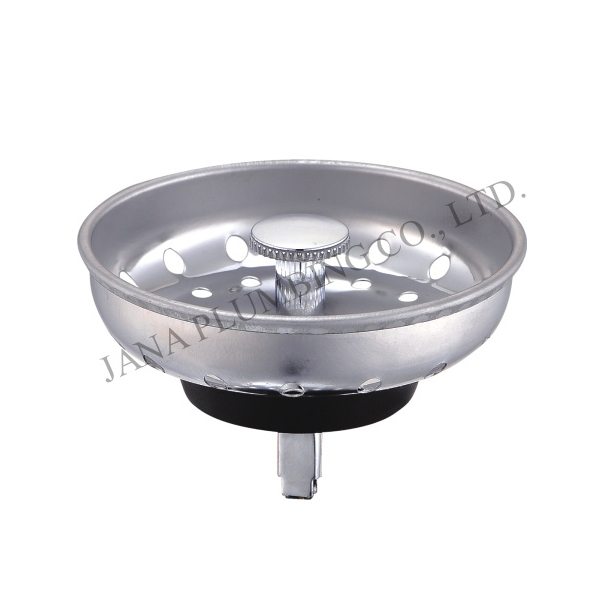
An OD snap-in strainer grid acts like a diligent gatekeeper for your plumbing. It catches unwanted debris and particles. This prevents them from entering and damaging your pipes or other equipment. Its "snap-in" design makes installation incredibly easy. You simply pop it into place. This quick fit saves time and effort during setup or when you need to replace it. Many different sizes exist to fit various needs. For example, you can find:
- 3-1/4" OD Snap-in Strainer Grid
- 4-1/4" OD Snap-in Strainer Grid
- 4-1/2" OD Snap-in Strainer Grid
- 4-5/8" OD Snap-in Strainer Grid
- 3-3/8" OD Snap-in Strainer Grid
- These options ensure a perfect match for many plumbing systems.
Why Material Choice is Critical for Strainer Performance
Choosing the right material for your strainer is a big deal. It directly impacts how well the strainer performs its job. A poorly chosen material might corrode quickly. It could break down under pressure or temperature changes. This leads to frequent replacements and costly repairs. The right material ensures your strainer lasts a long time. It resists harsh chemicals, rust, and wear. This keeps your plumbing system running smoothly and efficiently. A smart material choice guarantees your OD snap-in strainer grid remains a reliable protector for years to come.
The Unmatched Advantages of a Brass OD Snap-in Strainer Grid
Superior Corrosion Resistance of Brass
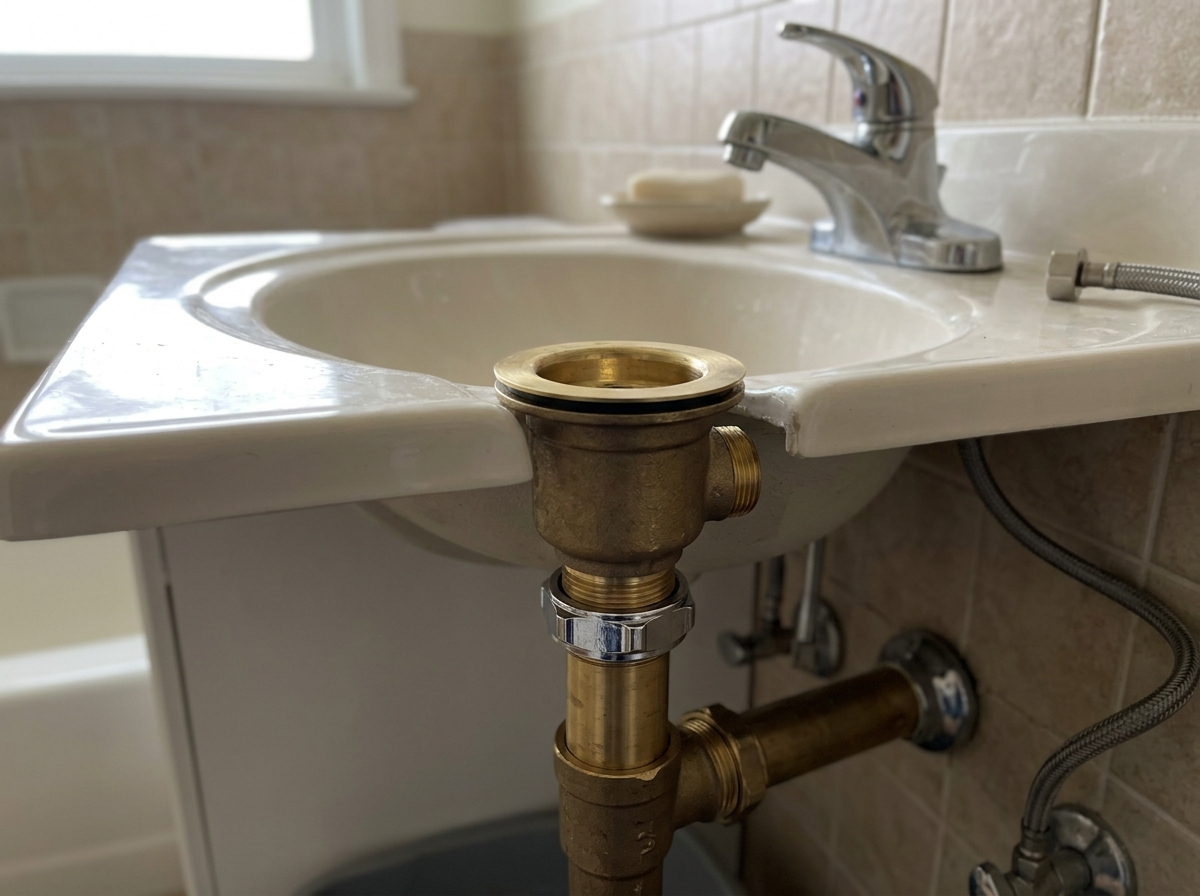
Brass stands as a champion against corrosion. It bravely faces many harsh environments where other metals might falter. For instance, brass, especially naval brass with tin, shows remarkable strength in saltwater and marine settings. Shipbuilders and underwater equipment manufacturers often choose it for this very reason. Plumbing systems and water boiler applications also benefit greatly from brass alloys. They offer general corrosion resistance. Specific brasses, known as dezincification-resistant (DZR) brasses, even tackle challenging conditions like high water temperatures, chlorides, or soft water. These special brasses prevent a type of corrosion called dezincification. Brass contains no iron, so it never rusts. Instead, it forms a protective layer of copper sulfide and copper carbonate. This patina actually boosts its resistance even more. Manufacturers also add elements like aluminum, tin, and nickel to brass. These additions further improve its corrosion resistance, especially against dezincification. Aluminum, for example, makes brass stronger and forms a self-healing layer of aluminum oxide, offering extra protection.
Exceptional Durability and Longevity
The incredible corrosion resistance of brass directly translates into outstanding durability and a long lifespan. A brass OD Snap-in Strainer Grid can withstand the daily grind of plumbing systems for many years. It resists wear and tear, maintaining its structural integrity even under constant water flow and varying temperatures. This means fewer replacements and less maintenance for you. Choosing brass is an investment in reliability. It ensures your strainer grid continues to perform its vital job without fail, protecting your pipes and equipment for the long haul.
Aesthetic Appeal and Design Versatility
Beyond its strength, brass brings a touch of elegance to any setting. It possesses a classic, warm luster that many people find appealing. But brass is not just about one look. It offers incredible design versatility through a wide array of finishes. You can find options like Brushed Brass, which provides a subtle, sophisticated texture. For a bolder statement, consider Matte Black or Oil Rubbed Bronze. If you prefer a sleek, modern feel, Polished Chrome or Polished Nickel are excellent choices. There are also unique options such as Powder Coat White and PVD Polished Brass. Even Satin Nickel and Stainless Steel finishes are available. These multiple designer finishes allow a brass strainer grid to seamlessly blend with or beautifully accent any bathroom or kitchen decor.
Malleability for Easy, Secure Installation
Brass is a remarkably cooperative material. Its malleability means manufacturers can easily shape and form it into complex designs. This happens without ever compromising its strength. Brass is also ductile, making it easy to machine, drill, and cut. These properties are a huge advantage for an OD Snap-in Strainer Grid. They allow for precise manufacturing, ensuring a perfect fit every time. The ease of shaping means the snap-in mechanism can be crafted for maximum security and simplicity. This makes installation quick and hassle-free for plumbers and DIY enthusiasts alike.
Natural Antimicrobial Properties
Brass offers an often-overlooked benefit: natural antimicrobial properties. This means brass actively resists the growth of bacteria, fungi, and other microbes on its surface. In plumbing applications, this is a significant advantage. It helps maintain a cleaner, more hygienic environment. The antimicrobial action of brass can reduce the buildup of biofilm, which often causes unpleasant odors and can clog pipes. Tin-infused brass, in particular, enhances these antimicrobial qualities. This natural defense makes brass an excellent choice for areas where hygiene is a top priority.
Brass vs. Stainless Steel for Your OD Snap-in Strainer Grid
Choosing the right material for your plumbing parts feels like picking a superhero for a tough job. Both brass and stainless steel bring impressive powers to the fight against plumbing woes. Each material offers unique strengths for an OD Snap-in Strainer Grid. Let's explore how these two champions stack up.
Corrosion Resistance Comparison
Brass truly shines in its fight against corrosion. It contains no iron, so rust never becomes an issue. Instead, brass develops a protective patina over time. This layer actually makes it even tougher against harsh elements. Special brass alloys, like dezincification-resistant (DZR) brass, even stand strong against high temperatures and aggressive water conditions.
Stainless steel also boasts excellent corrosion resistance. Manufacturers commonly use grades 304 and 316 for strainer grids. Grade 304 offers superb protection against many corrosive agents. Grade 316 takes it a step further, providing even greater resistance, especially in environments with chlorides or other harsh chemicals. Stainless steel forms a passive layer of chromium oxide on its surface. This layer acts as a shield, preventing rust and other forms of corrosion. Both materials are formidable, but they achieve their corrosion-fighting prowess in different ways.
Durability and Strength Differences
When it comes to sheer toughness, both brass and stainless steel are champions. Brass is a strong and durable metal. It handles daily wear and tear in plumbing systems with ease. It resists deformation and maintains its shape well.
Stainless steel often has a higher tensile strength and hardness than brass. This means it can withstand greater forces and impacts without bending or breaking. In situations demanding extreme resilience or resistance to abrasion, stainless steel might hold a slight edge. However, both materials promise a long life. They ensure your strainer grid performs its duty for many years.
Cost-Effectiveness: Initial vs. Long-Term Value
The initial cost of a brass or stainless steel strainer grid can vary. Sometimes, stainless steel might have a higher upfront price tag. However, focusing only on the initial cost misses the bigger picture. Both materials offer exceptional long-term value.
Their superior durability and corrosion resistance mean fewer replacements. They also require less maintenance over time. This saves you money in the long run. Brass's natural antimicrobial properties can even help reduce the need for frequent cleaning in some applications. Ultimately, investing in either brass or stainless steel means choosing a reliable, long-lasting solution. This choice prevents costly repairs and replacements down the road.
Aesthetic Considerations and Design Impact
Beyond their practical benefits, brass and stainless steel offer distinct looks. Brass brings a classic, warm elegance to any space. It features a rich, golden hue that many people adore. The design possibilities with brass are truly vast. You can find brass fixtures in many stunning finishes. These include Brushed Brass, Matte Black, Oil Rubbed Bronze, Polished Chrome, Polished Nickel, Powder Coat White, PVD Polished Brass, Satin Nickel, and even Stainless Steel finishes.
Designers also create brass strainer grids in many styles. Some feature a "Solid" look with minimal gaps. Others offer "Slotted" designs with perforated openings. The "Wedge Wire" style creates a signature 'Infinity' look. "Square" patterns provide a sleek, minimalist aesthetic. You can even find "Tile Drain" designs that make the drain almost disappear. "Weave" styles combine traditional lines with intricate textiles. "Moor" designs use solid textiles with pops of gold or brass. "Link" adds a decorative edge to industrial looks. Simple "Lines" offer a minimalist appearance. "Criss-Cross" designs blend traditional and contemporary elements. This wide array of options allows brass to perfectly match or enhance any decor.
Stainless steel, on the other hand, offers a more modern, sleek, and often industrial aesthetic. It typically comes in brushed or polished finishes. Its silvery-gray tone provides a clean and contemporary feel. While stainless steel offers a sophisticated look, brass provides a broader palette of finishes and intricate design patterns. This allows for greater customization and decorative impact.
Ideal Applications for a Brass OD Snap-in Strainer Grid
Residential Plumbing Uses
Brass strainers are a fantastic choice for any home. They look great in showers, bathtubs, and kitchen sinks. Homeowners love their elegant shine and how they bravely resist corrosion from everyday soaps and harsh cleaning products. This keeps drains clear and water flowing freely for many, many years. Its natural antimicrobial powers also help maintain a cleaner, fresher environment, reducing unpleasant odors and grime buildup.
Commercial and Public Facility Applications
Public spaces demand materials that can truly take a beating. Hotels, bustling gyms, and busy restaurants often pick brass for their plumbing fixtures. It stands up to constant use and heavy foot traffic without a fuss. Brass keeps its handsome appearance, even with frequent cleaning and sanitization. Its hygienic qualities are a huge benefit for public health standards, making it a very clever choice for high-traffic restrooms and commercial kitchens where cleanliness is paramount.
Specialized Environments and Specific Needs
Some locations present truly unique challenges, and brass rises to the occasion. Coastal homes battle salty air, and brass handles it like a champ, resisting the corrosive effects. Laboratories might need its impressive chemical resistance for specific applications. Historic buildings often prefer brass for its timeless, classic look, ensuring new installations blend perfectly with traditional architecture and design. An OD Snap-in Strainer Grid crafted from brass delivers consistent, long-lasting performance in all sorts of diverse and demanding settings.
Choosing a brass snap-in strainer grid delivers a winning combination. It boasts excellent corrosion resistance, impressive durability, and undeniable aesthetic appeal. This makes it a truly superior and reliable investment. One finds it perfect for a wide array of plumbing applications. It protects systems for years to come.
FAQ
How does brass compare to plastic for strainer grids?
Brass offers superior durability and corrosion resistance. It also boasts natural antimicrobial properties. Plastic strainers often crack or degrade faster. Brass provides a much longer-lasting, more reliable solution.
How often should someone clean a brass strainer grid?
Cleaning depends on usage. For typical household use, a quick wipe every few weeks works wonders. In high-traffic areas, more frequent cleaning keeps it sparkling and free-flowing. ✨
Does brass change color over time?
Yes, brass develops a beautiful patina over time. This natural process gives it a unique, antique look. Some people love this aged appearance. Regular polishing keeps it shiny if preferred.