


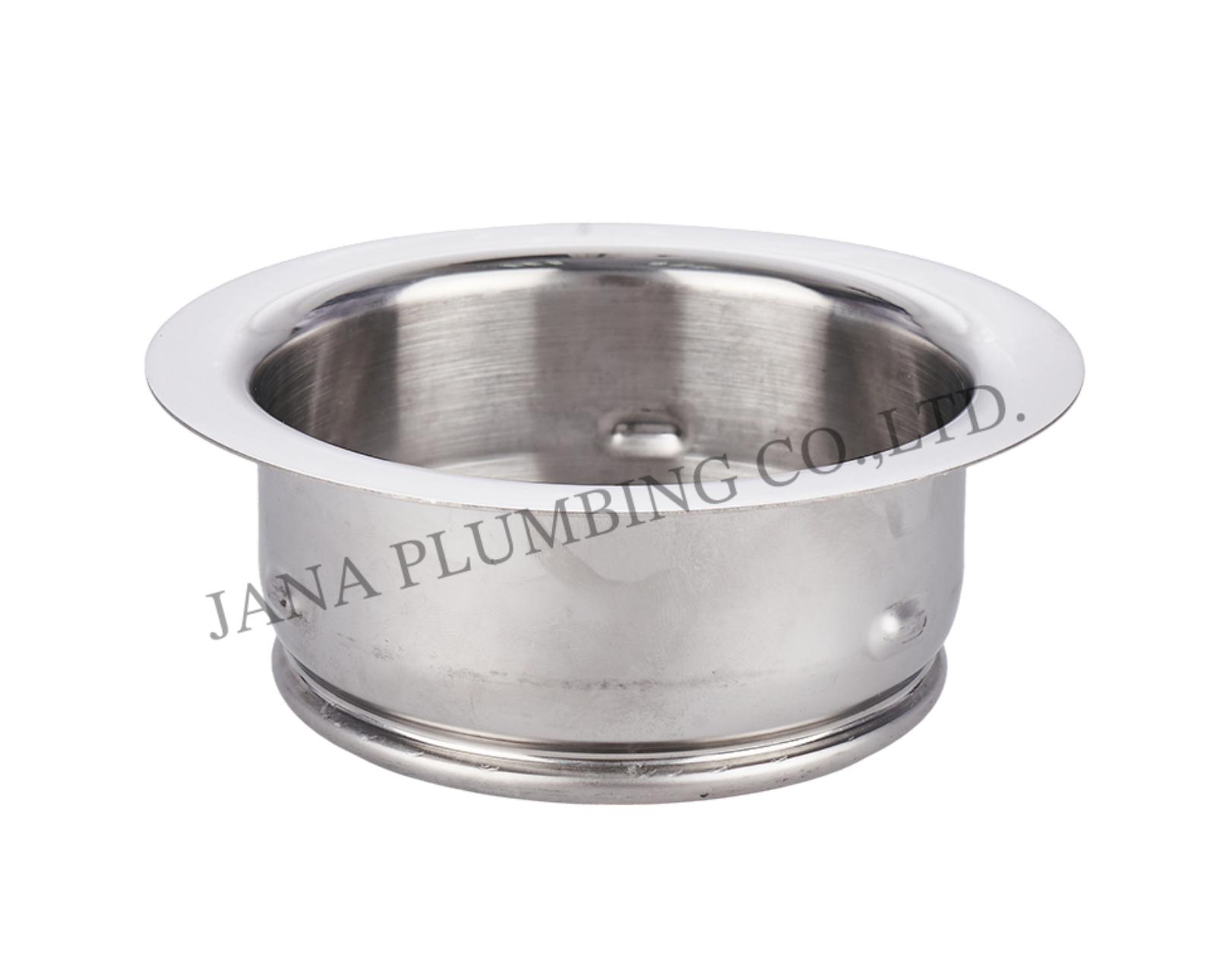
Why Is a Heavy Duty Brass Sink Strainer Ideal for Busy Kitchens?
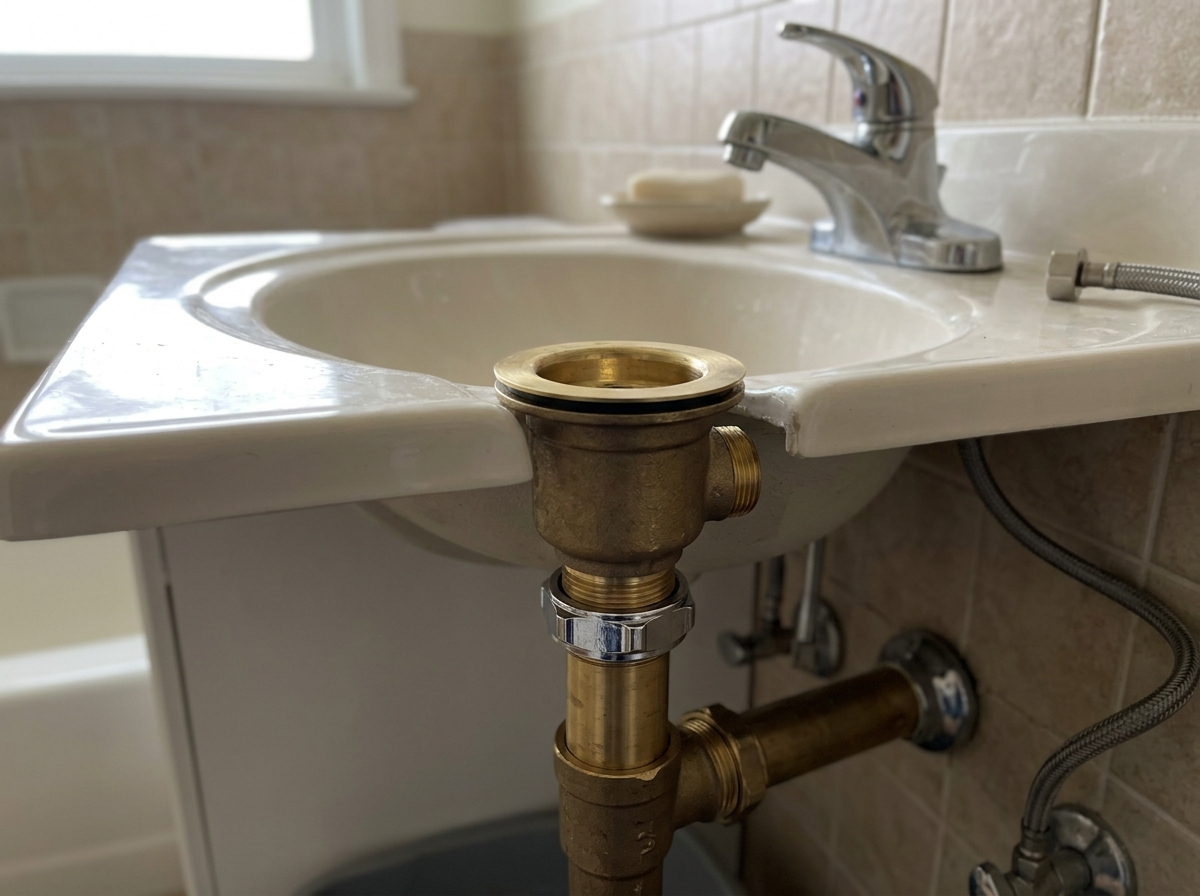
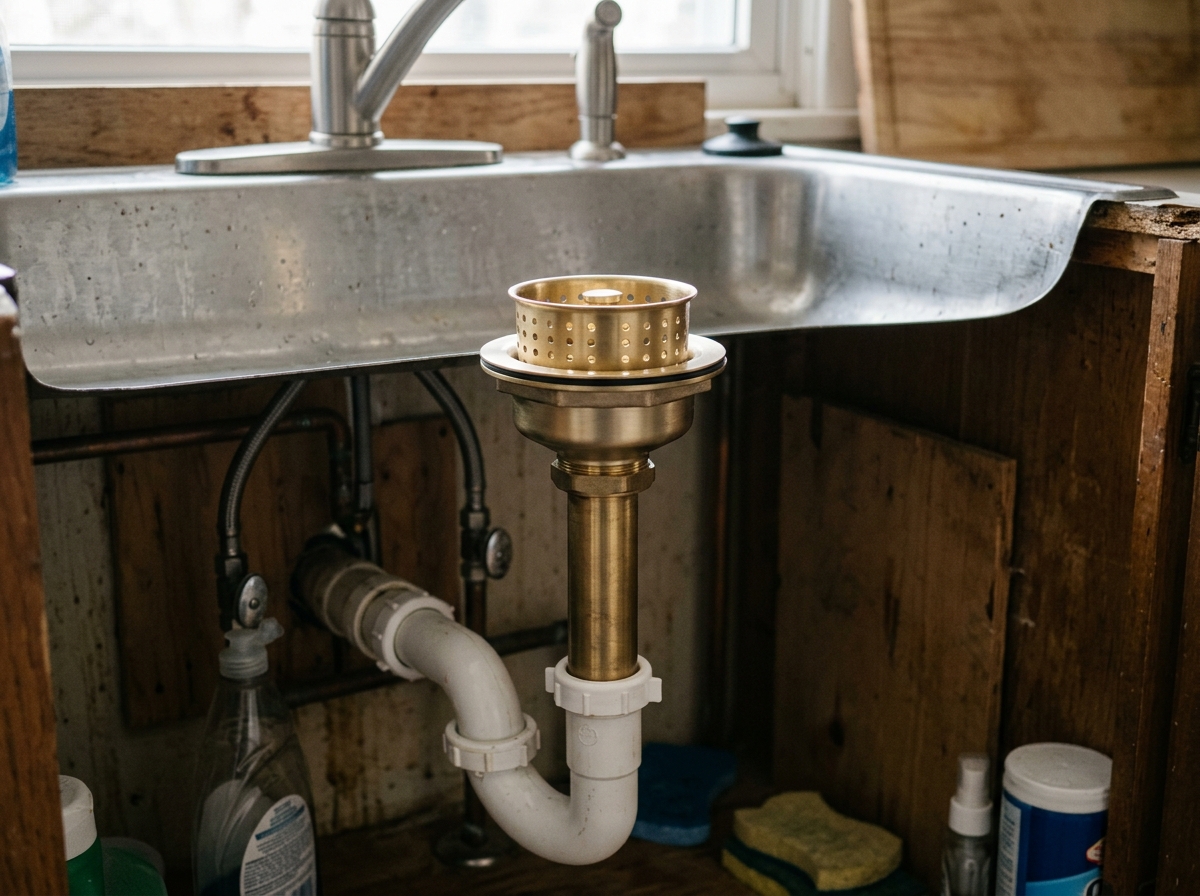
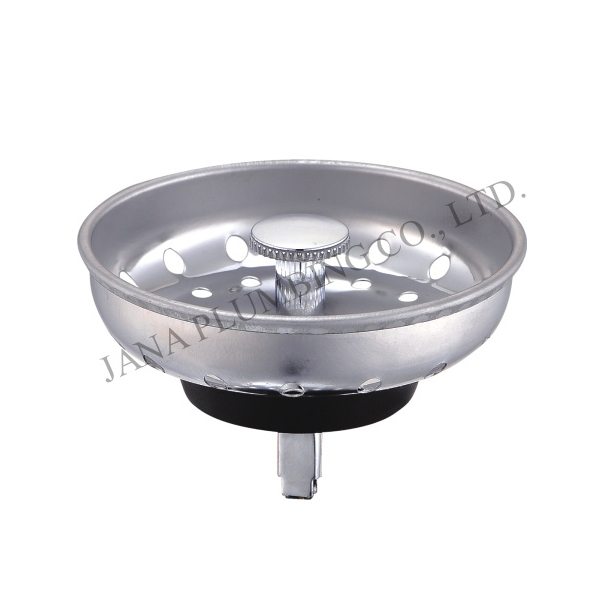
A heavy duty brass Sink Strainer is ideal for busy kitchens because it combines strong mechanical construction, corrosion resistance, reliable drainage, and easy maintenance. Brass can withstand repeated use better than lightweight components, while the basket captures food particles before they enter the kitchen sink drain. The best choice still depends on sink compatibility, finish, sealing design, cleaning needs, and expected traffic.
- A heavy duty brass sink strainer supports demanding commercial, residential, and foodservice workflows.
- Brass is an alloy of copper and zinc, and its strength and corrosion resistance make it suitable for drainage hardware.
- A well-designed basket reduces food debris entering the kitchen sink drain without replacing good waste-disposal practices.
- Buyers should verify opening size, basket depth, flange design, finish, gasket quality, and replacement-part availability.
A heavy duty brass sink strainer is more than a decorative drain fitting: it is a working component that controls debris, supports drainage, and protects downstream plumbing. The material advantage is grounded in brass construction itself; Oatey explains that brass combines zinc and copper and is resistant to rust and corrosion. This guide examines how that material performs in busy kitchens, what to inspect before purchase, and how procurement teams can evaluate a brass sink strainer supplier.
Why busy kitchens need a stronger drain assembly
Busy kitchens place repeated mechanical and cleaning demands on the drain assembly. A home kitchen may experience several wash cycles per day, while a restaurant, cafeteria, shared housing facility, or institutional kitchen can experience continuous loading during service periods. Each cycle exposes the strainer to water, food residue, utensils, temperature changes, detergents, and repeated basket removal.
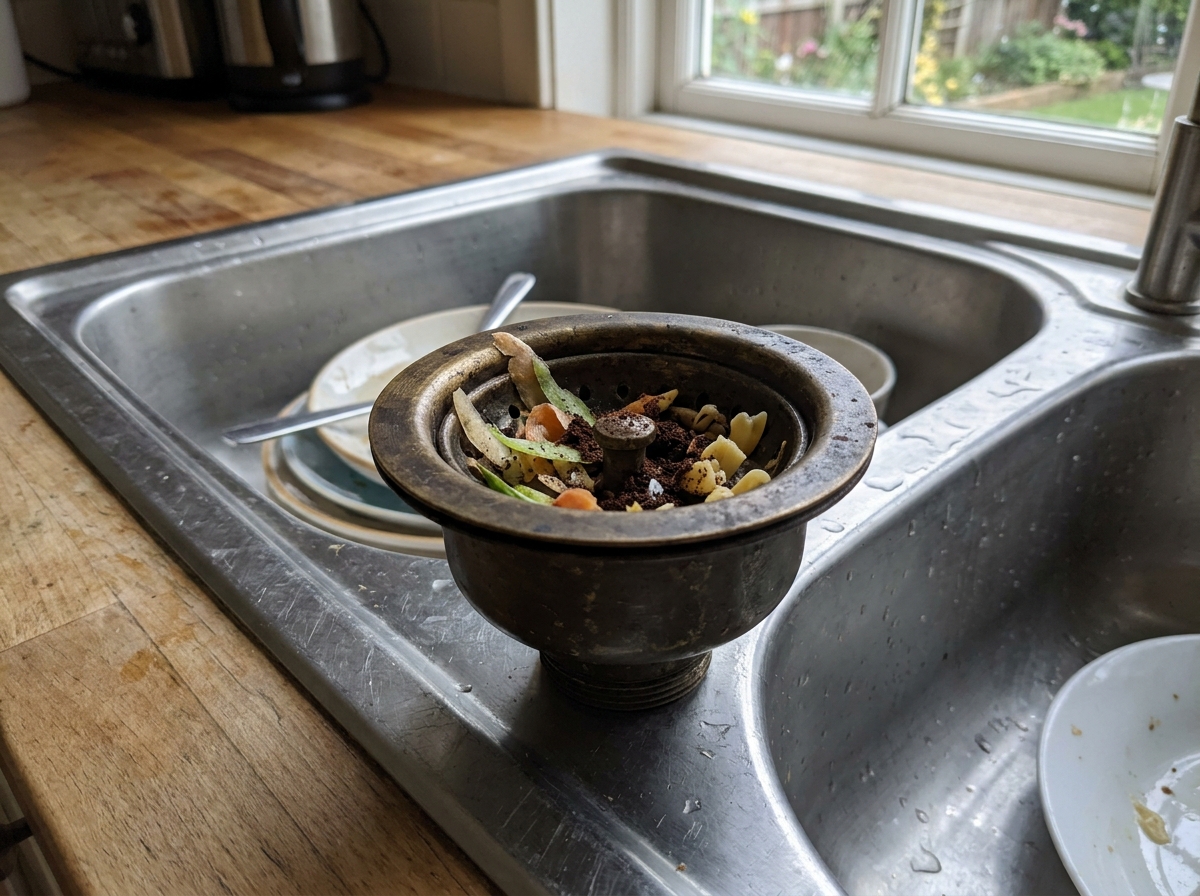
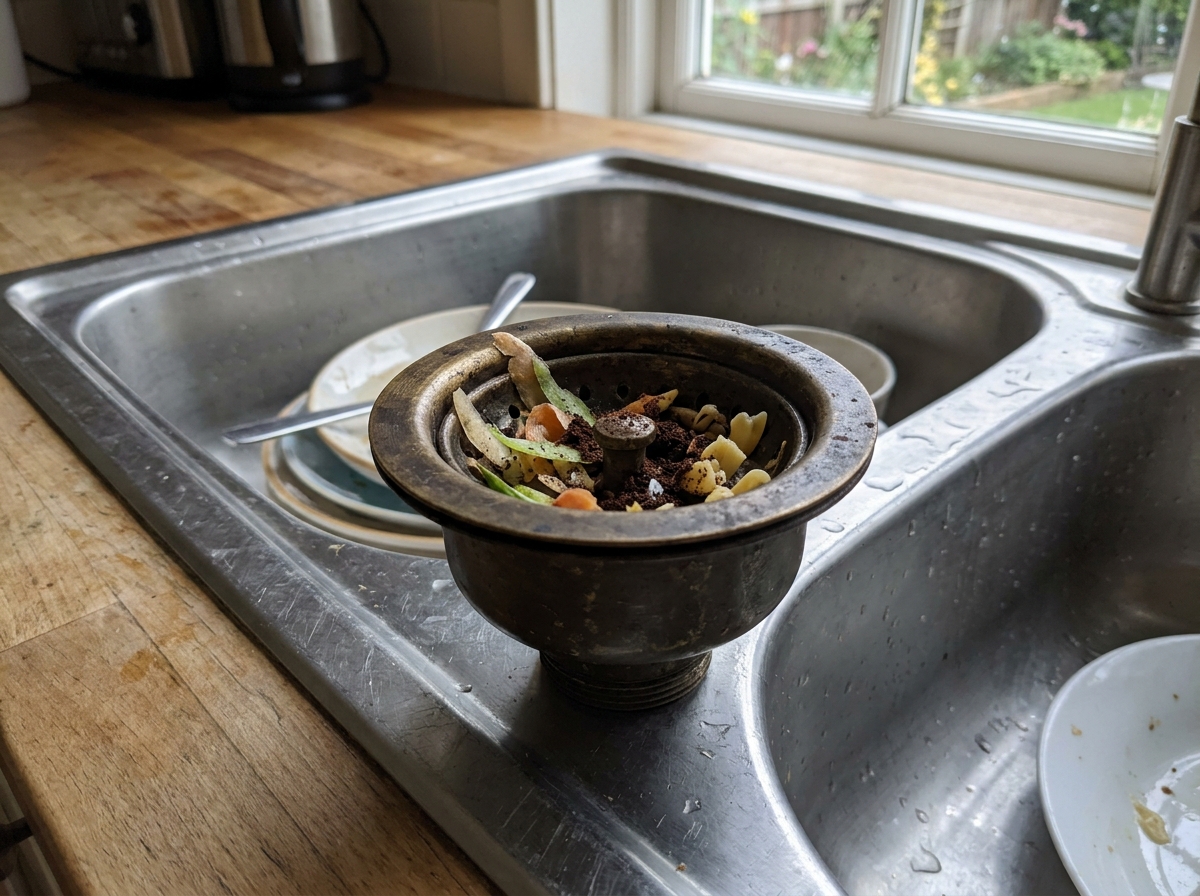
The primary job of a sink strainer is to intercept solid particles before they travel into the drain line. This does not eliminate the need for responsible waste handling, but it can make routine cleaning more predictable and reduce the amount of debris entering downstream plumbing. A consumer plumbing guide similarly describes a reliable strainer as a device that catches food particles before they disappear down the drain, helping prevent blockages and simplifying cleanup.
Strength matters because the strainer is handled frequently. Thin stamped components can bend, distort, or lose a consistent seal when users pry out debris, drop utensils into the basin, or repeatedly remove the basket. A heavier brass body can provide a more substantial platform for the flange, basket, and sealing components, although actual performance still depends on alloy, wall thickness, machining, plating, and quality control.
How brass construction supports kitchen sink drainage
Brass supports long-term service through a combination of material strength, corrosion resistance, and stable construction. Brass is not a single universal grade, so buyers should ask the supplier for material specifications rather than treating every brass-colored product as solid brass.
1. Mechanical durability
A robust drain body must resist deformation during installation and service. The flange should remain sufficiently rigid to maintain contact with the sink surface, while the basket should tolerate routine removal and replacement. This is particularly important where staff clean the sink repeatedly during a shift.
2. Corrosion resistance
Kitchen drains encounter water, food acids, salts, detergents, and moisture. Brass is commonly selected for drainage hardware because it offers resistance to rust and corrosion, but the surrounding environment and cleaning chemicals still matter. A finish may improve appearance and surface protection, yet the base material and manufacturing quality remain central to service life.
3. Reliable sealing
Drain performance depends on the complete assembly rather than the metal alone. A high-quality flange, gasket, washer, and fastening arrangement must work together to limit leakage. Even a strong body can fail if the gasket is damaged, the sink surface is contaminated, or the retaining nut is unevenly tightened.
4. Consistent appearance
Finish consistency matters in visible kitchens, hospitality projects, and multi-unit developments. A brass sink strainer supplier should be able to explain whether the product is supplied in natural brass, chrome-plated brass, or another decorative finish, and whether replacement parts use a matching appearance.
Heavy duty brass versus lighter alternatives
The best material depends on the application, but a heavy construction is often preferred where the drain will be installed, removed, cleaned, and used frequently. Stainless steel can also be an excellent choice, especially where a project prioritizes a particular finish, weight, or chemical-resistance profile. The decision should be based on verified specifications rather than appearance alone.
| Evaluation area | Heavy duty brass | Lightweight metal or thin stamped construction | Buyer implication |
|---|---|---|---|
| Mechanical feel | Substantial and rigid when properly manufactured | May feel lighter or more flexible | Inspect flange and basket rigidity |
| Corrosion consideration | Brass offers rust and corrosion resistance | Depends heavily on base metal and coating | Request material and finish information |
| Service handling | Suitable for repeated basket removal | May be more vulnerable to bending | Match construction to cleaning frequency |
| Appearance options | Can support polished or plated finishes | Finish durability varies by product | Confirm finish consistency across orders |
This comparison is a purchasing framework, not a substitute for a product specification sheet. A well-made stainless steel assembly may outperform a poorly made brass assembly, so procurement teams should evaluate material, dimensions, testing, and supplier consistency together.
Design features that matter in a busy kitchen
Basket geometry is one of the most important functional details because it determines how effectively the assembly captures debris while allowing water to pass. Openings that are too small may slow drainage and increase cleaning frequency, while openings that are too large may allow unwanted particles into the drain.
Removability improves hygiene and serviceability. A basket that can be lifted out without tools allows staff to empty debris quickly, inspect the drain opening, and clean the component separately. For commercial settings, replacement baskets are also valuable because maintenance teams can keep spare parts available without replacing the entire drain assembly.
Thread quality and fastening design influence installation reliability. The retaining nut should engage smoothly, the gasket should seat evenly, and the assembly should accommodate the sink thickness for which it was designed. A supplier that offers dimensional drawings and installation instructions reduces the risk of field variation.
Compatibility should be confirmed before ordering. The buyer should verify the sink opening, flange diameter, basket style, outlet connection, available clearance, and any connection to a disposer or waste fitting. In North American projects, the correct drain standard and connection arrangement are especially important because a visually similar product may not fit the intended plumbing system.
A practical selection framework for purchasers
A structured purchasing process reduces installation problems and helps distinguish a genuinely heavy-duty component from a product marketed with vague language.
- Define the setting. Record whether the sink is for a home, restaurant, institutional facility, hospitality project, workshop, or recreational vehicle.
- Confirm the dimensions. Obtain the sink opening and connection measurements from the sink manufacturer or an installer.
- Specify the material. Ask whether the body and basket are solid brass, plated brass, stainless steel, or a combination of materials.
- Review sealing components. Check the gasket material, washer arrangement, retaining nut, and installation method.
- Check service support. Confirm whether replacement baskets, gaskets, strainers, and related parts are available.
- Assess supplier capability. Request quality documentation, production information, sample approval, packaging details, and delivery commitments.
| Selection stage | Priority level | Evidence to request | Common risk if skipped |
|---|---|---|---|
| Application definition | 1 | Use case and traffic description | Under-specification |
| Dimensional check | 2 | Drawing or approved sample | Field-fit problems |
| Material review | 3 | Material declaration or specification | Unclear durability |
| Seal and finish review | 4 | Component list and finish sample | Leaks or appearance mismatch |
| After-sales review | 5 | Replacement-part list | Unnecessary full-unit replacement |
The priority numbers above describe a recommended sequence, not a universal industry rating. The most important principle is traceability: every critical performance expectation should connect to a drawing, sample, specification, test, or documented supplier statement.
Installation and maintenance practices
Correct installation protects the advantages of a heavy duty assembly. Clean the sink contact surface, position the gasket according to the installation instructions, center the flange, and tighten the retaining hardware evenly. Excessive force can damage threads, distort the gasket, or deform the sink surface, so installers should follow the supplier's instructions rather than relying on maximum torque.
Routine cleaning should remove food residue before it hardens. Staff can lift out the basket, empty it into an appropriate waste container, rinse away residue, and inspect the sealing area. Harsh chemicals should be used only when compatible with the product finish and plumbing system. Abrasive tools may scratch decorative surfaces or remove protective coatings.
Preventive inspection is more effective than waiting for a leak. Check for movement, visible distortion, damaged gaskets, slow drainage, unusual odor, and signs of corrosion. If a component is worn, replacing the basket or seal may restore performance without replacing the entire drain assembly, provided compatible replacement parts are available.
When a brass sink strainer may not be the best choice
Brass is not automatically the correct selection for every kitchen. A project with strict stainless-steel specifications, specialized chemical exposure, or a required finish may need another material or coating system. Similarly, a low-use residential sink may not need the same construction level as a high-volume foodservice installation.
Cleaning chemicals also require attention. The appropriate product depends on the brass grade, finish, water chemistry, and cleaning protocol. Buyers should obtain care instructions and avoid assuming that a cleaner safe for the sink basin is safe for the drain finish.
Finally, product weight alone does not prove quality. A reliable evaluation considers dimensional accuracy, thread performance, sealing design, finish adhesion, basket fit, batch consistency, and supplier support. These factors are particularly important when a distributor is purchasing multiple units for a construction or replacement program.
What to ask a brass sink strainer supplier
A capable supplier should answer technical and commercial questions clearly. Ask for the following information before approving a product:
- What brass grade or material construction is used?
- Which sink opening and outlet dimensions does the assembly fit?
- Are the basket, gasket, washer, and retaining nut included?
- Are replacement baskets and sealing parts available?
- Which finishes are offered, and how is finish consistency controlled?
- What inspection or quality-control process is used?
- Can the supplier provide drawings, samples, packaging details, and delivery information?
- Does the product serve residential, commercial, foodservice, wholesale, or RV applications?
For high-volume procurement, supplier transparency is as important as the initial unit price. Clear specifications reduce returns, installation delays, and unexpected maintenance costs.
Frequently asked questions
1. What does a heavy duty brass sink strainer do?
It covers the sink drain opening, captures solid debris, and helps direct water into the waste connection. The basket can usually be removed for cleaning.
2. Is brass better than stainless steel for a kitchen sink drain?
Neither material is universally better. Brass is valued for strength and corrosion resistance, while stainless steel may suit projects with specific hygiene, finish, or material requirements. Construction quality and application fit are decisive.
3. Can a sink strainer prevent all clogs?
No. It can intercept many solid particles, but grease, fine residue, and unsuitable waste may still enter the plumbing. Good disposal and regular cleaning remain necessary.
4. How do I know whether the strainer will fit?
Compare the sink opening, flange dimensions, basket design, outlet connection, sink thickness, and available clearance with the supplier's drawing. When possible, approve a sample before a larger order.
5. Does a decorative finish change performance?
A finish mainly affects appearance and surface protection. It does not replace a sound base material, accurate machining, effective sealing, or proper maintenance.
6. Are replacement parts important?
Yes. Replacement baskets and gaskets can extend the useful life of the assembly and simplify maintenance, especially in commercial or multi-unit installations.
7. What should a distributor look for in a supplier?
Look for documented material information, consistent dimensions, quality control, finish options, replacement parts, production capacity, clear communication, and dependable delivery performance.
About JANA PLUMBING
JANA PLUMBING has specialized in bathroom and drainage hardware since 1998, with manufacturing operations in eastern China and Thailand. Its product range includes sink strainers, lavatory drains, bath drains, shower drains, Pipe Fittings, and replacement parts. The company highlights automated production, progressive molds, quality control, and certifications including ISO, ASME, NSF, and CSA. For wholesale, building retail, engineering, and RV programs, request a product catalogue, dimensional drawings, samples, and a quotation before approval.
For broader foodservice context, this industry discussion of high-volume foodservice drains also emphasizes the importance of selecting drain hardware for demanding operating conditions.