Why Choose a Brass Trip Lever Bath Waste?
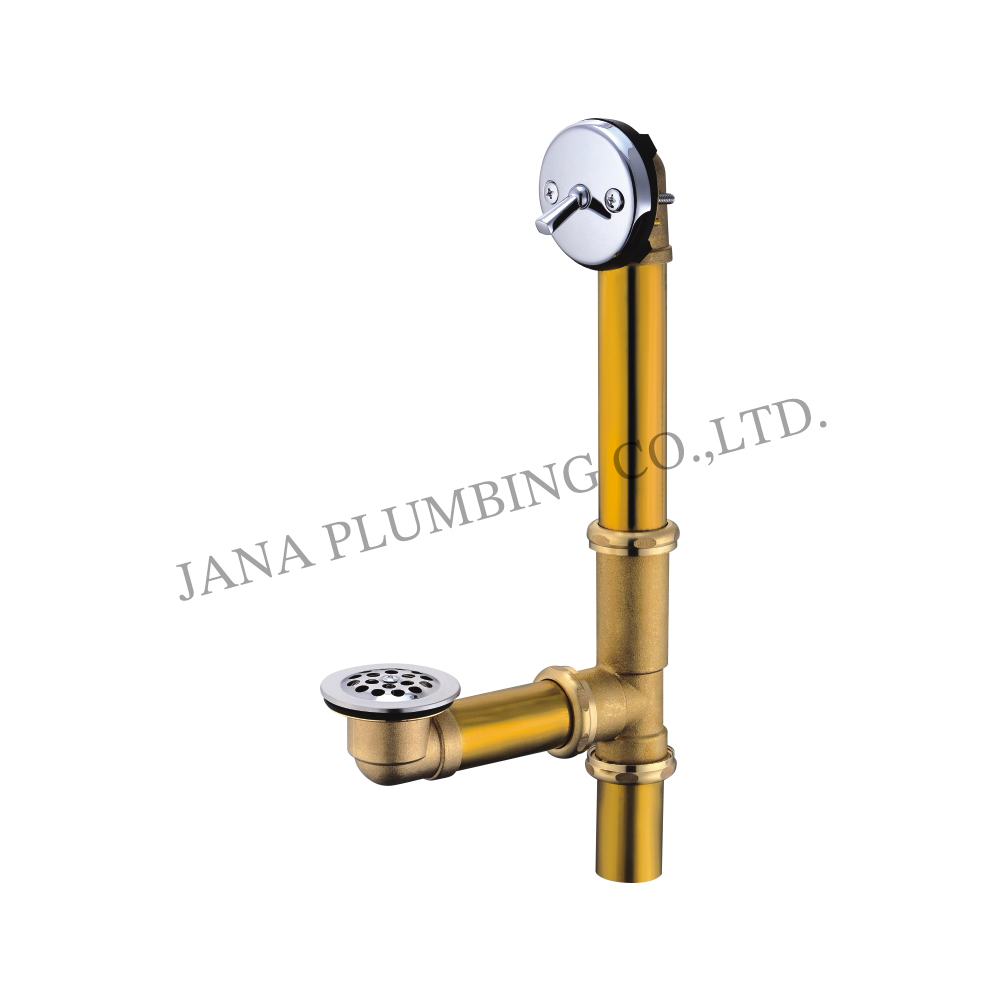
Understanding the key factors that ensure your bath waste system stands the test of time is crucial for long-term reliability. A durable Trip Lever Bath Waste provides peace of mind. It prevents costly repairs and ensures smooth operation for years. Investing in quality components from the start saves future headaches. This approach guarantees lasting performance for your bathroom.
Key Takeaways
- Brass is a strong material. It resists rust and wear. This makes your bath waste last a long time.
- Good design makes the trip lever work well. It stops leaks and keeps parts from breaking. This helps the system last longer.
- Install your bath waste correctly. Clean it often. This will help it work for many years.
The Unmatched Strength of Brass for a Durable Trip Lever Bath Waste
Why Brass is Superior for Longevity
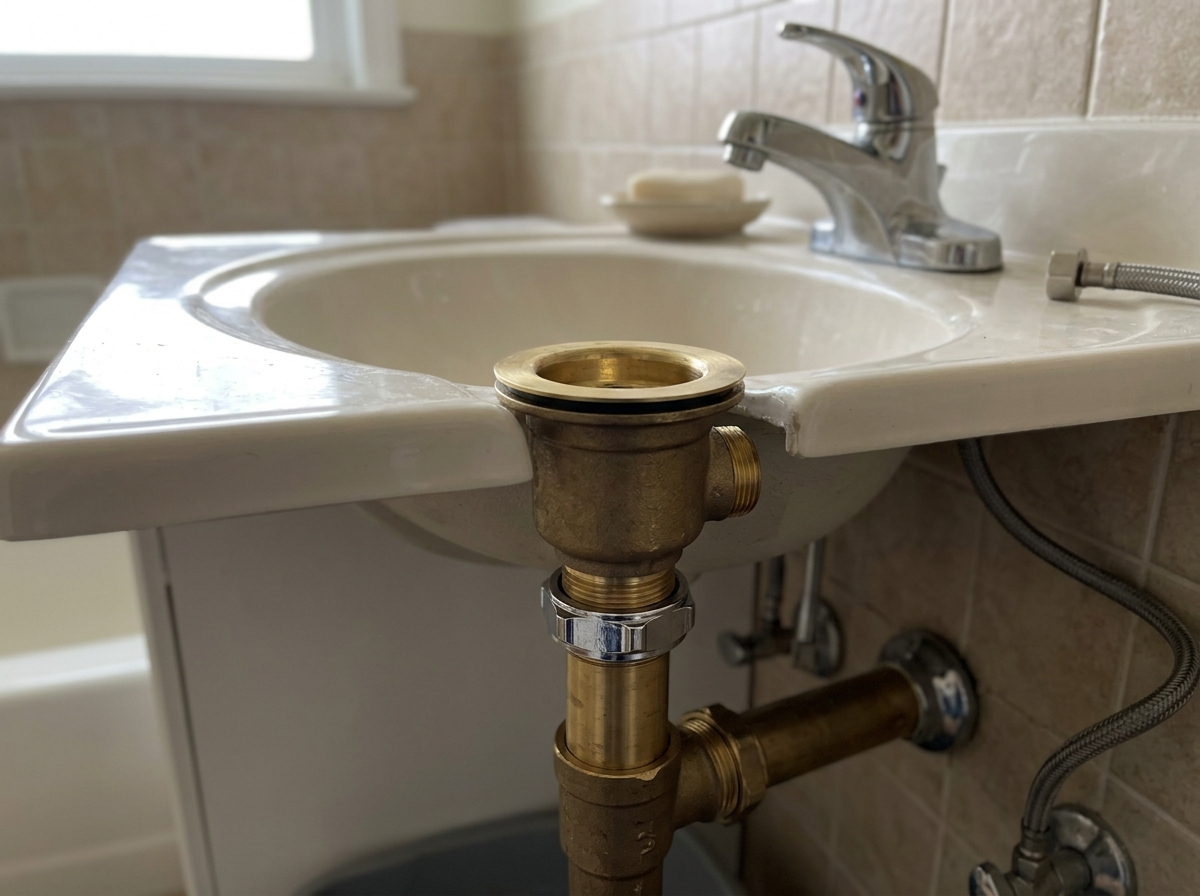
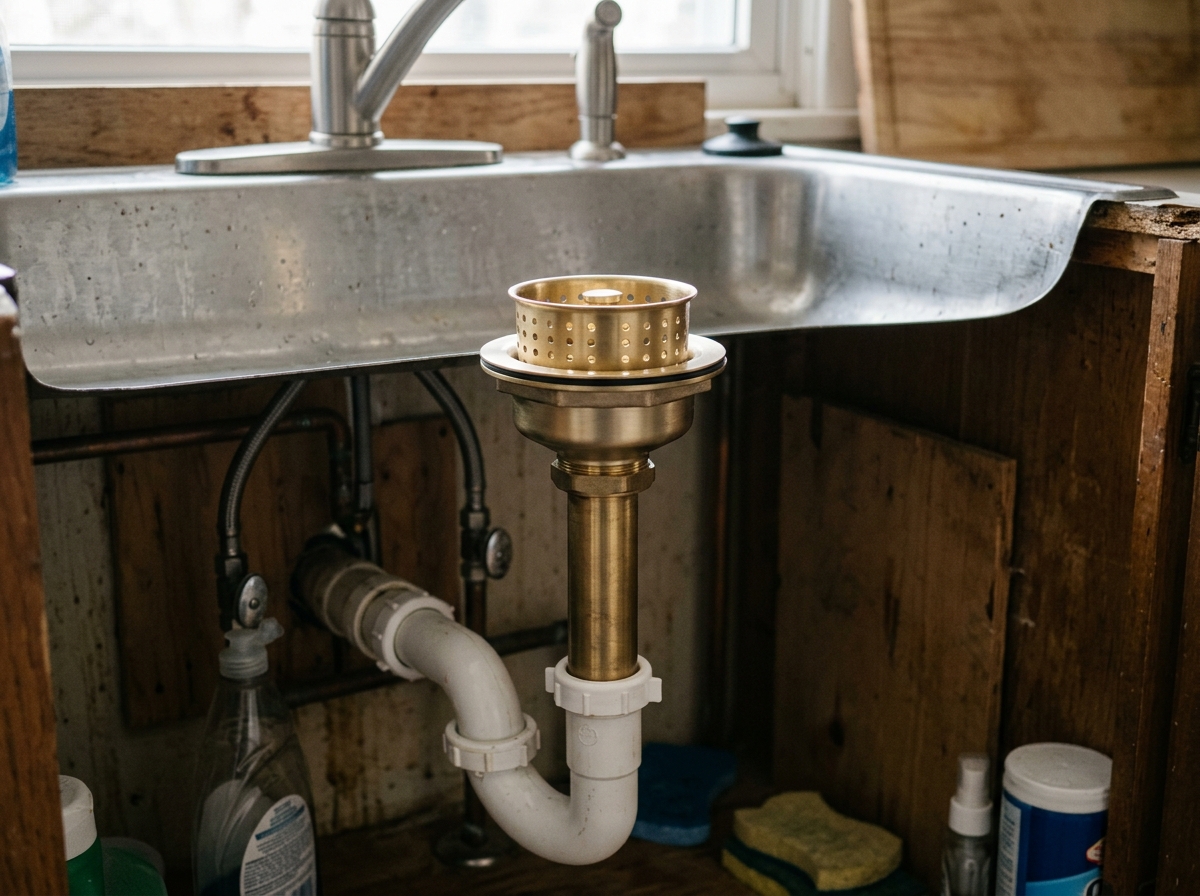
Brass offers exceptional strength. It withstands high pressure and temperature changes without deforming. This ensures reliable performance for any bath waste system. Its wear resistance guarantees smooth operation over time. This reduces the likelihood of leaks or failures. Brass provides superior resistance to wear and fatigue compared to other materials. This ensures long-lasting performance. It maintains structural integrity across varying temperatures. This prevents premature degradation. Brass resists cracking under stress. This extends the component's lifespan.
| Material | Corrosion Resistance |
|---|---|
| Brass | Excellent resistance to corrosion, rust, and mineral buildup. Ideal for hard water areas. |
| Stainless Steel | Good resistance to corrosion, but can be susceptible to pitting corrosion in high-chloride environments. |
| Zinc Alloy | Lower corrosion resistance compared to brass and stainless steel. Prone to rust and degradation over time. |
| Plastic | Generally good resistance to corrosion from water, but can degrade with exposure to certain chemicals or UV light. Less durable than metal options. |
Identifying Quality Brass Materials
High-quality brass materials meet strict industry standards. Lead-free standards are crucial. These standards limit lead content to 0.25% in wetted surfaces. This ensures safety for drinking water applications. Specific brass alloys offer enhanced durability. Dezincification Resistant Brass (DZR or DR brasses) resists corrosion in harsh water conditions. EnviroBrass alloys are lead-free options. They perform well and meet strict water supply regulations. Certifications from organizations like NSF International assure quality. They confirm products meet relevant industry standards.
How Brass Prevents Common Failures
Brass prevents common bath waste failures effectively. Its superior corrosion resistance stops material degradation. This degradation often causes leaks and system failures. Copper and zinc in brass naturally resist rust and corrosion. This makes it ideal for moist environments. Copper forms a protective oxide layer. This layer prevents further material degradation. Brass does not react with most chemicals. This suits applications with aggressive fluids. Zinc content helps prevent galvanic corrosion. In plumbing, brass prevents scale and debris accumulation. This ensures efficient flow and prevents blockages. Brass maintains optimal performance with temperature changes. It handles both hot and cold water effectively. This ensures a durable Trip Lever Bath Waste.
Precision Engineering of the Trip Lever Bath Waste Mechanism
Understanding Trip Lever Operation for Durability
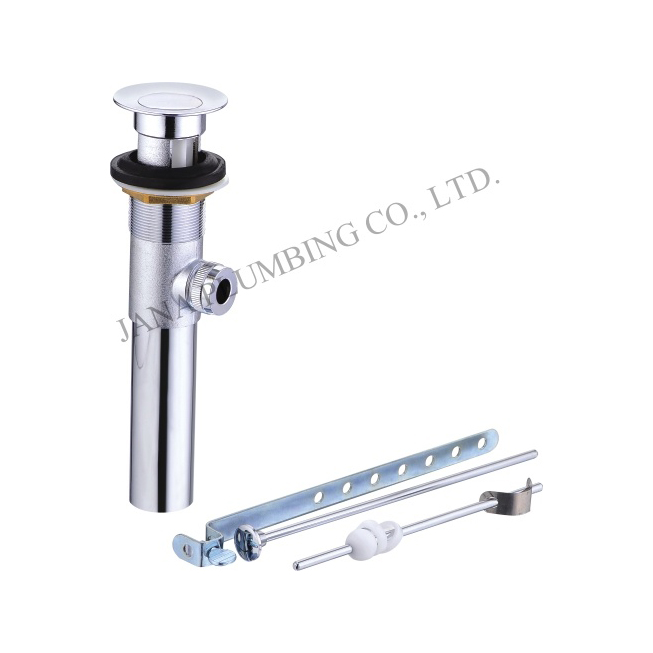
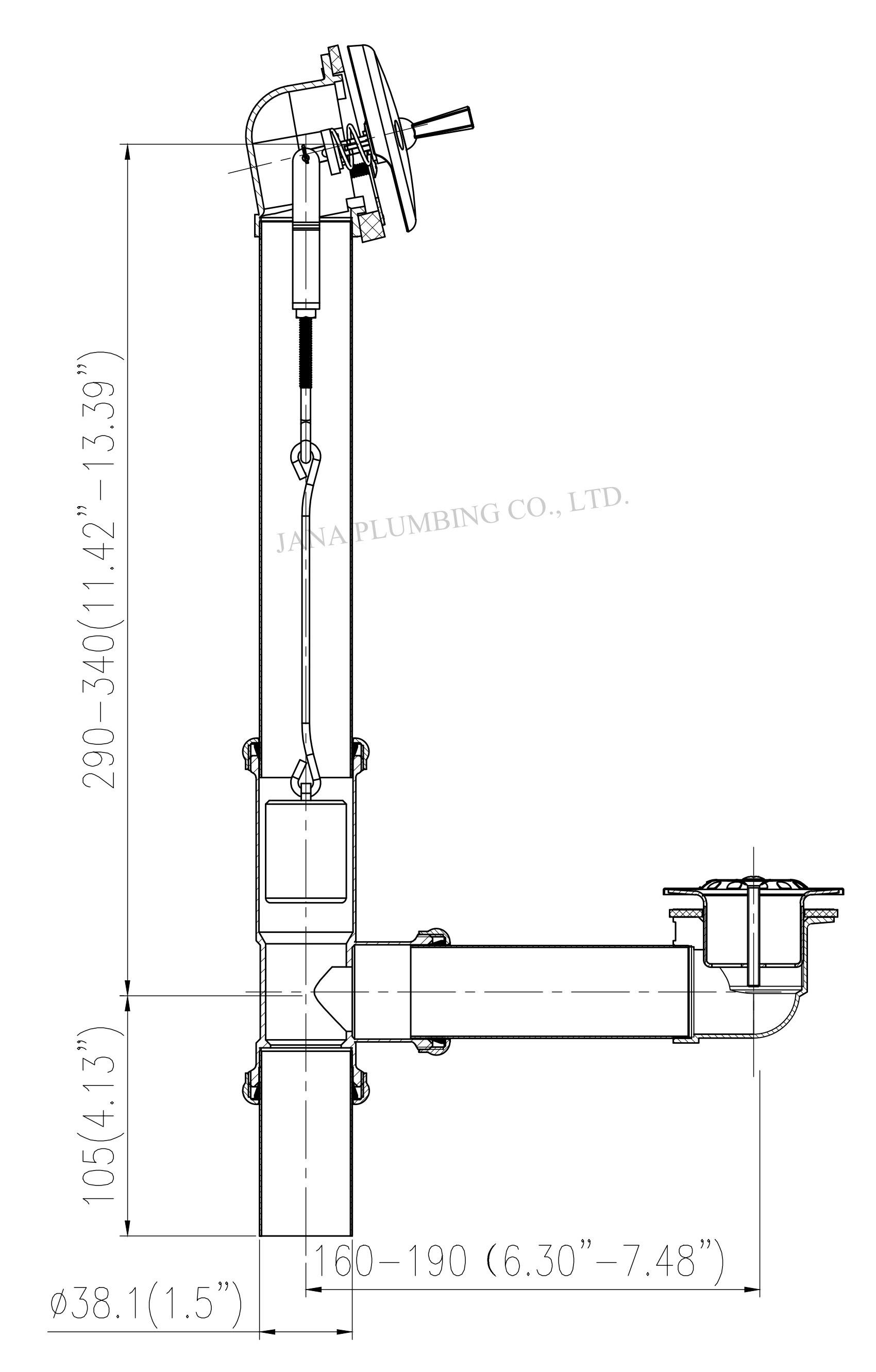
A well-engineered trip lever mechanism ensures reliable performance for your bathtub. This system controls the drain stopper, allowing water to fill or empty the tub. Precision in its design means every component works together seamlessly. This prevents common issues like leaks or a stopper that fails to seal. When the mechanism operates smoothly, it reduces stress on individual parts, extending the lifespan of the entire Trip Lever Bath Waste.
Key Design Elements for Lasting Performance
Precision engineering directly addresses many common failure points. Manufacturers design robust linkages to prevent bending, shortening, or elongation. They use corrosion-resistant materials for plungers, avoiding degradation seen in standard metal parts. High-quality rubber plungers resist wear, unlike their less durable counterparts. Engineers also prevent the unclogger from sticking in the overflow tube through careful design. They ensure the rod connecting the outlet switch to the unclogger adjusts correctly, guaranteeing proper sealing. This meticulous attention to detail also minimizes soap scum and debris buildup, which often impedes function. Strong connections prevent loose or broken linkages, and precise alignment eliminates misaligned rods.
The Role of Smooth Operation in Avoiding Wear
Smooth operation is crucial for preventing premature wear. When a trip lever mechanism moves effortlessly, it reduces friction between components. This minimizes the stress on moving parts, such as the lever, linkages, and plungers. A precisely engineered system avoids grinding or catching, which can quickly degrade materials. This smooth action ensures the system functions reliably for many years, preventing the need for frequent repairs or replacements.
Proper Installation and Maintenance for Your Trip Lever Bath Waste
The Foundation of Correct Installation Techniques
Correct installation forms the bedrock of a durable bath waste system. First, identify your drain stopper type. For trip lever stoppers, attach the mechanism to your bathtub’s overflow assembly. Install the drain stopper following manufacturer instructions. Test the stopper mechanism. This ensures it seals properly and drains effectively. Achieving a leak-proof installation requires specific tools. You need wrenches, a screwdriver, gaskets, plumber’s tape, and clear silicone. Insert gaskets into joints. Apply clear silicone to connections involving the drain flange. Wrap threaded connections with plumber’s tape. Use a caulking gun to apply silicone sealant evenly.
Simple Steps for Routine Care and Extended Lifespan
Regular maintenance significantly extends the lifespan of your bath waste. After each use, rinse away soap residue. Gently dry the surface with a soft cloth. This prevents water spotting. For mineral deposits, use a 50/50 solution of white vinegar and water; do not let it soak. Simichrome Polish® prevents water spot buildup. Never use abrasive materials. They alter the finish and void the warranty. Avoid prolonged contact with substances like toothpaste or drain cleaners. They damage the surface. A brass polishing agent restores original shine to unlacquered brass. Natural cleaning pastes, like lemon juice and baking soda, effectively remove tarnish.
Troubleshooting Common Issues and Their Solutions
Even with the best care, issues can arise. You can often resolve common problems quickly. If you experience slow draining, remove visible debris. Take off the strainer and pull out hair or gunk. Pour boiling water down the drain for mild soap buildup. Avoid this with PVC pipes. A natural cleaner, like baking soda and vinegar, breaks up minor blockages. Let it sit, then rinse with hot water. A cup plunger helps dislodge clogs. Check the stopper mechanism. Sometimes, linkage inside the overflow can break or catch debris.
Many bathtubs use a trip lever or lift-and-turn waste and overflow system. These assemblies connect to an internal stopper mechanism. Attempting to remove or disassemble these parts without understanding their function can cause the linkage to disconnect or fall into the drain. It can also result in an unusable stopper or broken components. This makes future professional repairs more complicated and costly. If your tub has a trip lever and you are unsure how it functions, call a licensed plumber. This avoids damaging the internal drain assembly.
When should you call a professional? If your bathtub still drains slowly after DIY steps, or the problem keeps coming back, a licensed technician can help. They remove deeper clogs with professional equipment. Professionals inspect for cracked pipes, bad seals, or venting problems. They restore full flow safely and efficiently for your Trip Lever Bath Waste.
Prioritizing superior brass construction, precise engineering, and diligent installation and maintenance ensures a reliable, long-lasting Trip Lever Bath Waste system. These crucial elements provide homeowners with peace of mind. They guarantee smooth, efficient operation for many years. Invest in quality for enduring bathroom functionality.
FAQ
Why does brass make a bath waste durable?
Brass offers superior durability. It resists corrosion and wear effectively. This ensures long-lasting performance. It prevents leaks and failures.
How does proper installation help a bath waste last?
Correct installation prevents leaks. It ensures proper function. Following instructions guarantees a secure fit. This extends the system's lifespan.
What maintenance extends a bath waste's lifespan?
Regular cleaning prevents buildup. Avoid harsh chemicals. This maintains the finish. It ensures smooth operation for years.