Why Choose a Brass Side Mount Tank Lever for Longevity?
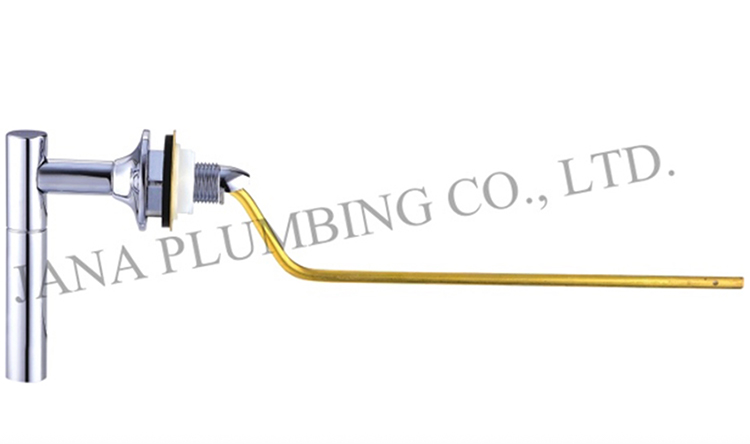
The handle material for a side mount tank lever is crucial for its long-term durability and performance. Metal levers, such as brass, significantly outlast plastic alternatives. Plastic levers often deteriorate quickly, leading to more frequent replacements. This choice directly impacts how long the fixture lasts.
Key Takeaways
- Plastic and pot metal handles break easily. They corrode and strip over time.
- Brass handles are strong. They resist corrosion and last a long time.
- Choosing brass saves money. It also ensures your toilet flushes well.
The Hidden Weaknesses of Non-Brass Handles for Your Side Mount Tank Lever
Choosing a handle material for a toilet's flushing mechanism is an important decision. Many non-brass options exist, but they often come with significant drawbacks. These materials may seem like a good value at first, but they typically fail much sooner than brass. Understanding their weaknesses helps in making a better choice for long-term durability.
The Problem with Plastic: Brittle, Breakable, and Short-Lived
Plastic handles are common due to their low cost. However, they possess inherent weaknesses that limit their lifespan. Plastic can become brittle over time, especially with constant use and exposure to bathroom humidity. This brittleness makes the handle prone to snapping. A common issue is a broken handle, which shows as visible cracks or pieces falling off. When this happens, the toilet does not flush when someone presses the handle.
Plastic handles also suffer from other problems. They are prone to stripping, which means the internal threads or connections wear down. This leads to a loose handle that wiggles or feels unstable. The nut inside the tank that secures the handle can also loosen with regular use, causing wobbling and flushing issues. Constant use degrades internal plastic components. This leads to a wobbly handle or a failure to engage the flushing mechanism. Sometimes, a plastic handle remains in the up position after flushing, causing continuous running water. This can happen due to problems with the handle mechanism itself. Plastic handles can even suffer from dry rotting, further weakening their structure. If metal parts are present within a plastic handle or its mounting nut, corrosion can weaken their structural integrity. This causes loosening or breakage, especially in high-humidity areas.
The Pitfalls of Pot Metal: Corrosion, Stripping, and Instability
Pot metal is another material sometimes used for toilet handles. It is an alloy, meaning it is a mix of inexpensive metals. Manufacturers use it because it is cheap and easy to mold. However, pot metal has serious disadvantages. It is highly susceptible to corrosion. The constant moisture and cleaning chemicals in a bathroom environment quickly degrade pot metal. This corrosion weakens the handle, making it look unsightly and reducing its strength.
Pot metal also lacks the structural integrity of stronger metals. It can strip easily, especially where it connects to the flushing rod. This stripping leads to a loose and unstable connection. A handle made from pot metal often feels flimsy and unreliable. It does not provide a secure and consistent flush. Over time, the corrosion and stripping make the handle completely unusable. This forces an early replacement. These issues highlight why pot metal is not a durable choice for a Side Mount Tank Lever.
The Unmatched Advantages of a Brass Handle for a Side Mount Tank Lever
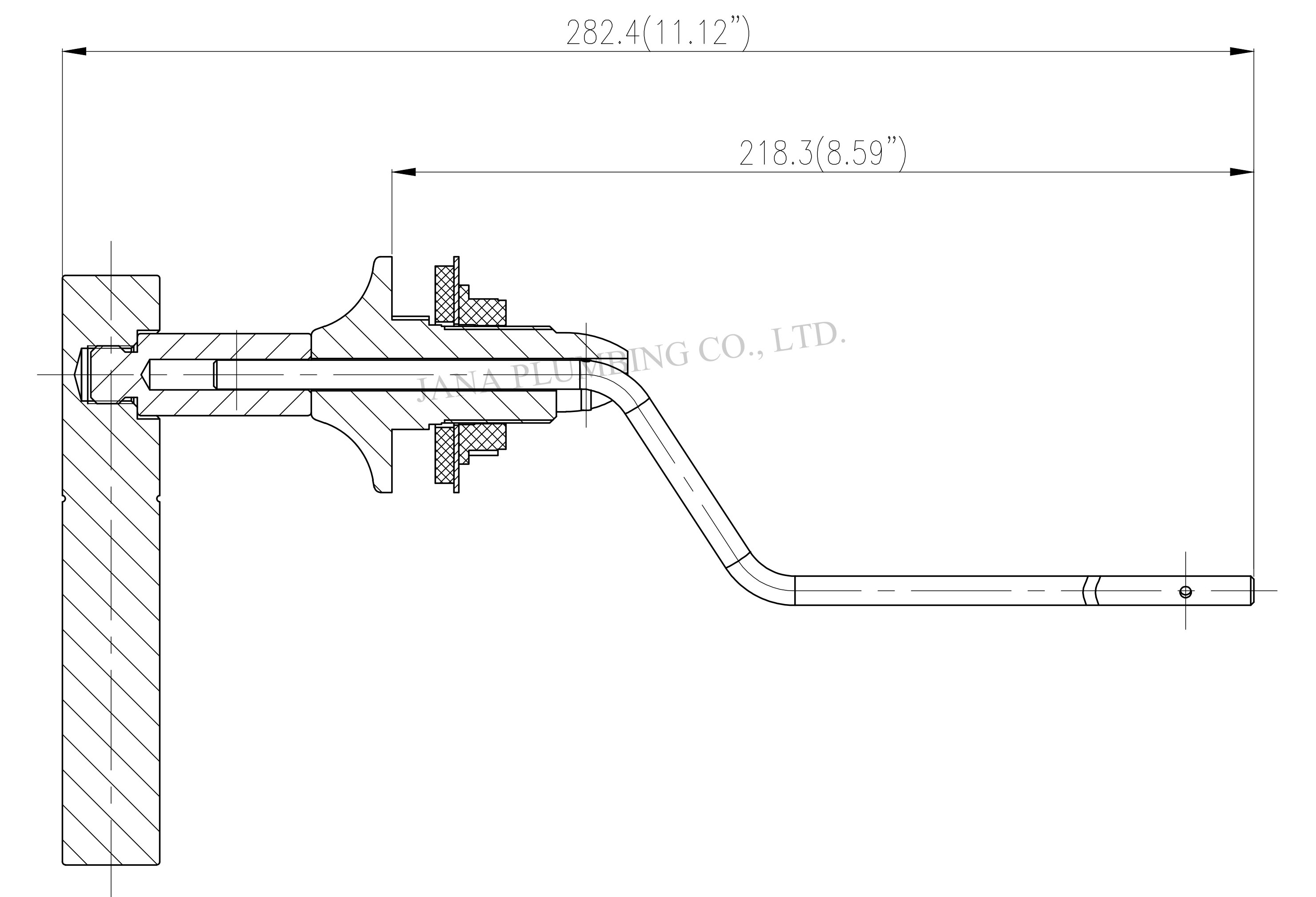
Choosing a brass handle for a toilet offers many benefits. Brass provides superior performance and longevity. It stands out as the best material for a durable flushing mechanism. Its properties make it ideal for the demanding bathroom environment.
Superior Strength and Resilience: Built to Last
Brass is a metal alloy. It combines copper and zinc. This combination gives brass excellent strength. It resists bending and breaking. A brass handle withstands daily use. It does not easily deform. This means it lasts for many years. It provides reliable flushing every time. Brass handles maintain their structural integrity. They do not weaken or crack over time like plastic. They also do not become brittle.
Corrosion Resistance: Defying the Bathroom Environment
Bathrooms are humid places. Water and cleaning agents are always present. These conditions can cause corrosion. Brass handles resist this corrosion very well.
- Brass with a high copper content (81-86%) and low zinc content (less than 15%) is immune to dezincification. Dezincification is a type of corrosion. It removes zinc from the alloy.
- Yellow brasses have lower copper (56-61%) and higher zinc (35-37%). They are more susceptible to dezincification.
- Manufacturers add inhibitors like arsenic (0.02-0.15%) to yellow brass. This increases resistance to zinc removal in water.
The internal structure of brass also affects dezincification. Inhibitors like antimony help prevent corrosion. However, iron in brass alloys can increase dezincification. Low alkalinity and high sulfate levels in drinking water also play a role. Even dezincification-resistant brass can show corrosion in very aggressive water over long periods. It performs well in less corrosive environments.
Brass is a soft metal. It can get surface blemishes if not properly maintained. It can also corrode or tarnish over time. This happens when it is exposed to oxygen, water, and other environmental elements. Soaking brass in alkaline, water-based cleaners for too long can make it dull and grey. Regular cleaning with mild products helps maintain its finish.
Enhanced Thread Integrity: A Secure and Stable Connection
The connection between the handle and the flushing mechanism is important. It needs to be secure. Brass provides excellent thread integrity. Its threads resist stripping. This is a common problem with plastic or pot metal.
Brass is generally considered soft. It can deform. It also tends to 'gum up' tools during machining. Brass is more susceptible to galling than harder metals. Threads in brass can strip or deform. This happens when paired with harder metals, like stainless steel, under high torque. However, for a Side Mount Tank Lever, brass offers a much more stable and durable connection than non-metallic options. It holds its shape better under normal operating conditions. This ensures a consistent and reliable flush.
Aesthetic Longevity: Maintaining Its Luster
A toilet handle is a visible part of the bathroom. Its appearance matters. Brass handles maintain their look over time. They do not degrade or discolor like plastic. They do not corrode and pit like pot metal. Many brass handles feature special finishes. Polished Brass is a common finish. It gives the lever a timeless and elegant appeal. This finish helps protect the brass. It also keeps the handle looking new for years. A brass handle adds a touch of sophistication to any bathroom.
Why a Brass Handle is a Smart Investment for Your Side Mount Tank Lever in 2025 and Beyond
Choosing a brass handle for a toilet is a wise decision. It offers long-term benefits. These benefits extend beyond simple functionality. They include cost savings and environmental advantages.
Reducing Maintenance and Replacement Costs
Brass handles significantly reduce the need for frequent repairs. Their exceptional durability means they resist wear and tear. This longevity translates into fewer replacement purchases. Brass fittings are exceptionally durable. They resist corrosion and wear for decades. This durability reduces waste. It contributes to a long-lasting plumbing solution. Brass is also highly recyclable. This process conserves natural resources. It reduces landfill waste. The manufacturing of brass fittings generally consumes less energy than plastic alternatives. This makes brass an environmentally sound choice.
Ensuring Reliable Flushing Performance
A brass handle provides consistent and reliable flushing. A loose toilet handle often indicates a malfunction. The handle should offer resistance. This resistance shows correct engagement with the chain and flapper mechanism. If the handle points upwards, it suggests a problem. This could be a loose nut or a broken stop. A brass handle ensures a secure connection. It prevents these common issues. This guarantees smooth operation every time.
The Standard for Future-Proofing Your Fixtures
Brass is a leading material in plumbing. It sets the standard for future-proof fixtures.
- Metal fixtures, including brass, are favored for durability. They resist corrosion. They offer a premium aesthetic.
- Brass is popular due to its strength. It withstands high water pressures and temperatures.
- Brass materials are less prone to developing leaks.
- Solid brass internals are critical for fixtures to last a decade.
- Homeowners increasingly choose materials that endure regular use.
- Brass does not leach harmful chemicals. It ensures water quality and safety.
Brass hardware is also aesthetically relevant. It is used for contrasting accents with white porcelain. Brushed brass faucets add a luxurious design touch. This makes brass a smart choice for any Side Mount Tank Lever.
A brass handle is the fundamental reason for superior durability and reliability. It makes brass the optimal choice for a long-lasting Side Mount Tank Lever. This material ensures your fixture performs well for many years. Choosing brass means selecting enduring quality and peace of mind for your bathroom.
FAQ
Why is brass better than plastic for a tank lever?
Brass offers superior strength and resists corrosion. It does not become brittle or break easily like plastic. This ensures a much longer lifespan for the lever. 💪
Does a brass handle require special cleaning?
No, a brass handle is easy to clean. A mild detergent and a soft cloth keep it looking new. Avoid harsh chemicals to maintain its finish. ✨
Can a brass handle prevent common toilet issues?
Yes, a brass handle provides a secure connection. This prevents common problems like loose handles or unreliable flushing. It ensures consistent performance. ✅