



Which Material Is Ideal for Low Pattern Sure Grip Flange?
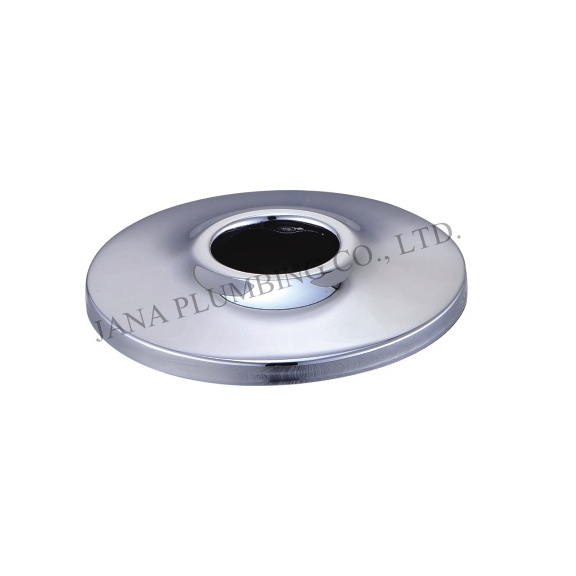
Choosing the right material for a flange is like picking a trustworthy friend; it makes all the difference. Mismatched materials can accelerate degradation, causing rapid corrosion or early wear. This makes a reliable connection unstable. For a robust Low Pattern Sure Grip Flange, people often consider chrome and stainless steel. Understanding their unique characteristics helps engineers make the best decision.
Key Takeaways
- Chrome flanges look shiny and cost less. They work well in mild places where looks are important.
- Stainless steel flanges are very strong. They fight rust and harsh chemicals. They are best for tough jobs and last a long time.
- Choose your flange based on where it will be used. Think about how it looks, how strong it needs to be, and your budget.
The Low Pattern Sure Grip Flange: An Overview
What Defines a Low Pattern Sure Grip Flange
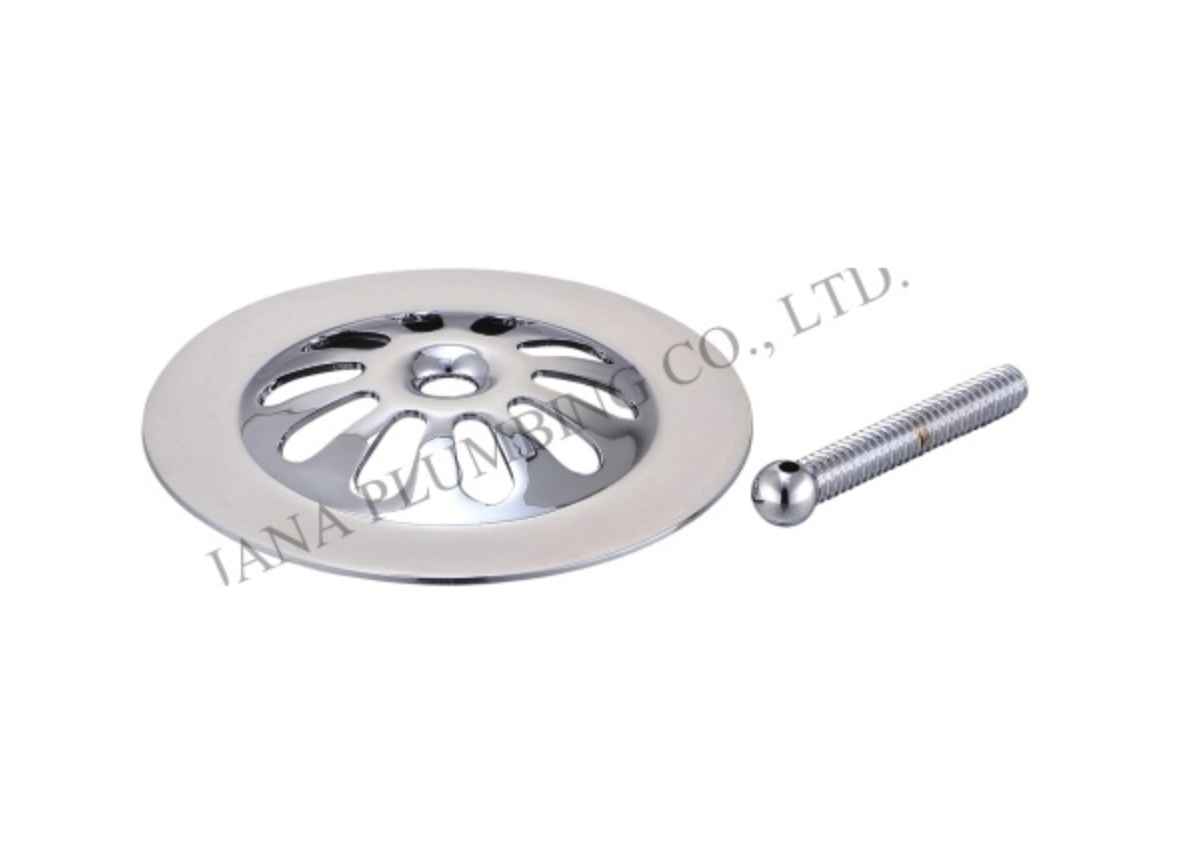
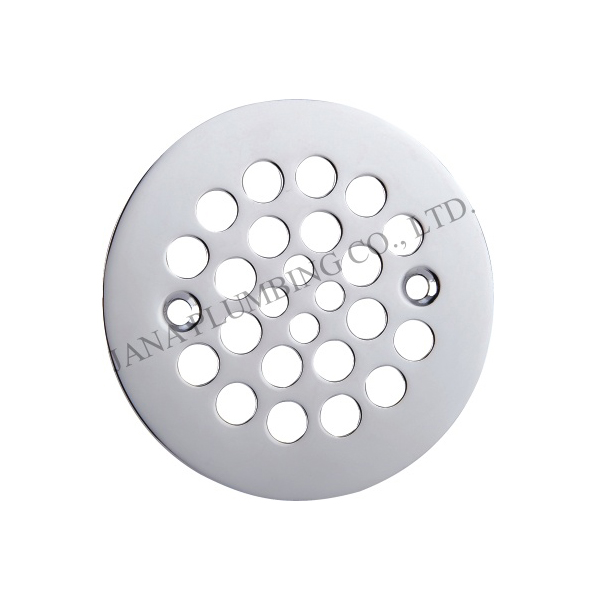
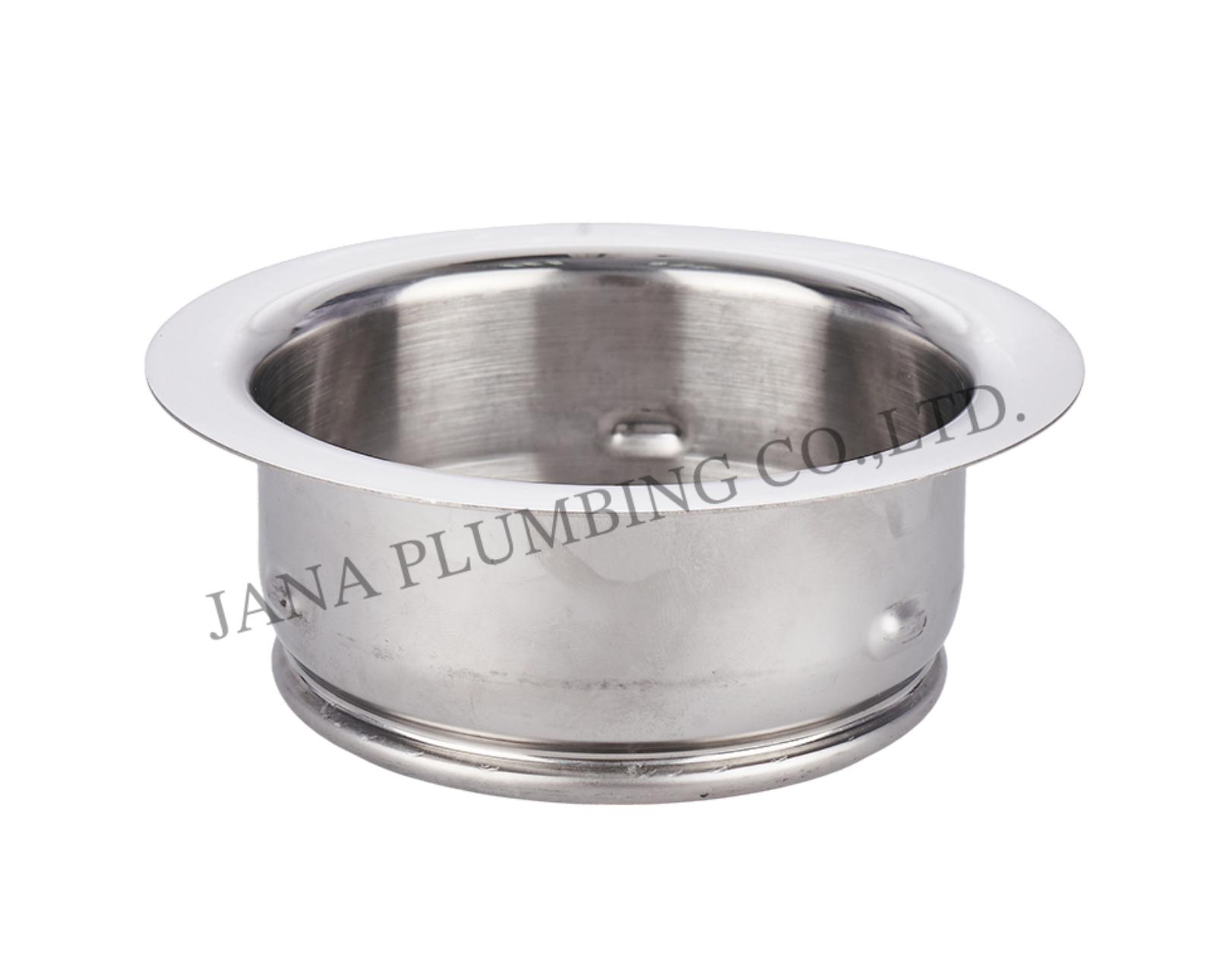
Imagine a small but mighty component. It plays a big role in plumbing systems. This is the Low Pattern Sure Grip Flange. It is a specialized fitting. It secures pipes and fixtures with a firm hold. This flange often measures 5/8” I.D. x 2-1/2” O.D. x 13/32” HT. Manufacturers typically craft it from high-quality brass. Its low pattern design makes it versatile for many applications. It fits perfectly over a 5/8" O.D. copper tube. This design ensures a snug and reliable connection.
Key Features of the Sure Grip Design
The "Sure Grip" in its name is not just a fancy title. It describes the flange's core strength. This design ensures a tight, stable fit. It prevents movement and leaks. Some versions, made from chrome plated steel, boast a 3-1/2" flange O.D. They fit a 2-inch pipe size. The shallow box escutcheon style adds a neat finish. This style also protects the connection. The Sure Grip design means engineers can trust the flange to perform. It holds strong, even in demanding conditions. This reliability makes it a favorite for many projects.
Chrome Low Pattern Sure Grip Flange: The Classic Choice
The Bright Aesthetic of Chrome Flanges
Chrome flanges offer a truly eye-catching look. They provide a sleek, polished, and modern appearance. This elegant chrome finish enhances the visual appeal of any setup. It gives a neat and professional aesthetic. The shine also adds a decorative touch, making these fittings visually appealing. ✨
Corrosion Resistance of Chrome Flanges
Chrome plating offers good protection against rust and corrosion. It forms a barrier that helps keep the underlying metal safe. This resistance makes chrome a reliable choice for many environments.
Durability and Wear of Chrome Flanges
Chrome plating is known for its toughness. It boasts excellent hardness and wear resistance. For example, hard chrome plating can achieve a hardness of HRB68 to 72. This significantly increases durability for mechanical parts. It also excels at retaining oil, which helps reduce friction. This makes chrome a strong contender for components that experience a lot of wear.
Maintaining Chrome Low Pattern Sure Grip Flanges
Keeping chrome flanges looking their best is straightforward. Regular cleaning with mild soap and water helps maintain their shine. Avoid harsh chemicals or abrasive scrubbers. These can damage the chrome finish. A little care goes a long way in preserving their classic look.
Cost Considerations for Chrome Flanges
Chrome flanges often present a cost-effective solution. Their initial price point can be attractive. They offer a good balance of aesthetics, protection, and durability for the investment. This makes them a popular choice for projects where budget and appearance are both important. A chrome Low Pattern Sure Grip Flange provides excellent value.
Stainless Steel Low Pattern Sure Grip Flange: The Robust Option
The Distinct Look of Stainless Steel Flanges
Stainless steel flanges offer a distinct, modern appearance. They come in many finishes, from a dull matte to a brilliant mirror shine. For example, a brushed finish creates a satin look, perfect for architectural uses. A mirror-polished finish, like the No. 8, provides a highly reflective surface. This finish is excellent for hygiene-sensitive areas. Other options include a smooth, moderately reflective No. 2B finish, common in many applications. Each finish gives a unique aesthetic.
Superior Corrosion Resistance of Stainless Steel Flanges
Stainless steel truly shines in its fight against corrosion. It resists rust and harsh chemicals with impressive strength. Grade 304 stainless steel offers good general corrosion resistance. However, grade 316 stainless steel provides superior protection. This is because it contains molybdenum. Molybdenum helps it resist chlorides and acidic environments. This makes 316 a top choice for marine settings or chemical processing. It even resists phosphoric acid and weak sulfuric acid.
Strength and Resilience of Stainless Steel Flanges
Stainless steel flanges are incredibly strong. They handle tough conditions without breaking a sweat. For instance, 316L stainless steel boasts a tensile strength between 485 and 620 MPa. This strength allows it to withstand significant stress. This material maintains its integrity across a wide temperature range. This resilience ensures a long, reliable service life.
Long-Term Care for Stainless Steel Flanges
Caring for stainless steel flanges is simple. Regular cleaning with mild soap and warm water keeps them looking great. This also prevents corrosion. Avoid abrasive materials that can scratch the surface. Inspect the flange regularly for any loosening or wear. Tighten bolts to the manufacturer's specifications. This ensures a secure and leak-proof connection. Applying anti-corrosion coatings can also boost durability.
Value and Investment in Stainless Steel Flanges
Choosing a stainless steel Low Pattern Sure Grip Flange is a smart investment. Its superior durability and corrosion resistance mean fewer replacements. This saves money over time. While the initial cost might be higher than chrome, its long lifespan and low maintenance make it a cost-effective solution. It offers peace of mind and reliable performance for years.
Chrome vs. Stainless Steel Low Pattern Sure Grip Flange: A Direct Comparison
Appearance and Finish Differences
Chrome flanges often catch the eye first. They boast a bright, mirror-like shine. This classic finish gives a sleek and professional look. It adds a touch of elegance to any setup. Stainless steel, on the other hand, offers more variety. You can find it with a brushed, matte, or highly polished finish. It often presents a modern, industrial aesthetic. Some people prefer its understated elegance. It blends well into many environments without demanding attention.
Comparing Corrosion Resistance
Chrome plating provides good protection against rust. It forms a protective barrier on the surface. However, if this barrier scratches or chips, the underlying metal can become vulnerable. This might lead to corrosion. Stainless steel fights corrosion from within. Its inherent material properties resist rust and harsh chemicals. Grades like 316 even stand up to very aggressive environments. It forms a self-healing passive layer. This makes stainless steel a true champion in tough, corrosive spots.
Durability and Lifespan Comparison
Chrome surfaces are quite hard. They resist wear and tear effectively. Yet, the plating can eventually wear away or chip over many years. This exposes the base metal to the elements. Stainless steel is strong and consistent throughout its entire structure. It does not rely on a surface coating for its strength. This means it handles stress and impact better. It also maintains its integrity for a much longer time. A well-chosen Low Pattern Sure Grip Flange made of stainless steel offers exceptional longevity, especially in demanding conditions.
Maintenance Requirements Side-by-Side
Chrome flanges need gentle care to maintain their sparkle. Mild soap and water usually keep them looking their best. Harsh cleaners or abrasive scrubbers can damage the shiny plating. Stainless steel is generally more forgiving. It cleans easily with a wider range of products. It also resists scratches better than chrome. Both materials benefit from regular cleaning. This prevents dirt buildup and helps them last longer.
Cost Analysis: Initial vs. Long-Term
Chrome flanges typically have a lower initial cost. They offer good value for many projects where budget is a key factor. Stainless steel flanges usually come with a higher upfront price tag. However, they often prove to be a better long-term investment. Their superior durability and corrosion resistance mean fewer replacements. This reduces maintenance costs over the years. This makes stainless steel a smart financial choice for lasting reliability.
Choosing Your Ideal Low Pattern Sure Grip Flange
Picking the perfect flange feels like choosing the right tool for a specific job. Each material brings its own superpowers to the table. Understanding these strengths helps you make a smart decision.
When to Opt for a Chrome Flange
Imagine a project where looks matter a lot. Chrome flanges are the undisputed champions of shine. They bring a bright, polished finish that instantly upgrades any visible plumbing. Think about bathroom fixtures or exposed pipes in a modern kitchen. Chrome offers that sleek, professional touch. It also provides good protection against everyday rust. If your project involves moderate conditions, without extreme temperatures or harsh chemicals, chrome is a fantastic choice. It gives you a beautiful finish and reliable performance without breaking the bank. It is like choosing a stylish, dependable car for daily commutes. It gets the job done with flair and efficiency.
When a Stainless Steel Flange is Best
Sometimes, you need a true workhorse, a flange that laughs in the face of danger. That is when stainless steel steps up. It is the go-to material for environments that would make other materials crumble.
Consider these tough situations:
- High Pressure and Temperature: Stainless steel flanges handle intense heat and pressure without flinching.
- Corrosive Chemicals: They resist aggressive chemicals, including strong acids and solvents. This makes them perfect for chemical processing plants.
- Harsh Environments: Stainless steel maintains its strength in challenging settings, like saltwater in maritime applications.
- Hygiene Requirements: Industries like food, beverage, and pharmaceuticals demand extreme cleanliness. Stainless steel's smooth, non-porous surface and corrosion resistance make it ideal.
Many industries rely on stainless steel for its unmatched durability:
| Industry | Specific Requirements |
|---|---|
| Petroleum and Chemical Industry | High temperature, high pressure, corrosion resistance, and sealing performance. Stainless steel flanges connect and seal various media in pipelines, reactors, towers, and storage tanks. |
| Electric Power Industry | High temperature, high pressure, and corrosion resistance. Stainless steel flanges ensure safe operation in steam pipelines, condensers, and heat exchangers. |
| Metallurgical Industry | High temperature, wear resistance, and corrosion resistance. Stainless steel flanges connect and seal gases, liquids, and solids in blast furnaces, converters, and rolling mills. |
| Shipbuilding Industry | Corrosion resistance, high pressure, and vibration resistance. Stainless steel flanges ensure safe operation in ship pipelines, engines, and marine equipment. |
| Food and Pharmaceutical Industry | Hygiene, corrosion resistance, and non-toxic. Stainless steel flanges ensure product quality and safety in food processing equipment, pharmaceutical production lines, and medical devices. |
| Water Treatment Industry | Corrosion resistance, pressure resistance, and sealing performance. Stainless steel flanges ensure normal operation in water treatment equipment, sewage treatment facilities, and water supply pipelines. |
| Construction Industry | Corrosion resistance, aesthetics, and durability. Stainless steel flanges enhance safety and aesthetics in building structures, curtain walls, and decorative components. |
| Environmental Protection Industry | Corrosion resistance, high temperature, and sealing performance. Stainless steel flanges ensure normal operation in waste gas treatment equipment, wastewater treatment facilities, and solid waste disposal equipment. |
| Aerospace Industry | Lightweight, high strength, and high temperature resistance. Stainless steel flanges are used in aircraft engines, rocket propulsion systems, and satellite structures to ensure the safe operation of aerospace equipment. |
| New Energy Industry | Corrosion resistance, high temperature, and high pressure. Stainless steel flanges ensure normal operation in solar power, wind power, and nuclear power generation equipment. |
When your project faces extreme conditions, stainless steel is the clear winner. It offers peace of mind and long-term reliability.
Factors Influencing Your Flange Decision
Choosing the right flange is like solving a puzzle. You need to consider all the pieces. First, think about the environment. Will the flange face harsh chemicals, extreme temperatures, or constant moisture? If so, stainless steel is your champion. If the environment is mild and aesthetics are key, chrome shines brightest.
Next, consider your budget. Chrome often has a lower upfront cost. Stainless steel might cost more initially, but its incredible durability often saves money in the long run. It means fewer replacements and less maintenance.
Finally, think about the lifespan you need. Do you need a component that lasts for decades in a critical system? Stainless steel offers that kind of longevity. For projects with a shorter expected life or less demanding conditions, chrome provides excellent value. Your specific project needs will guide you to the perfect Low Pattern Sure Grip Flange.
Choosing the best Low Pattern Sure Grip Flange is like picking a loyal friend; it depends on your journey. You must balance looks, how well it works, and what you can spend. An informed material choice prevents common failures. Using the wrong material can cause corrosion, deformation, or leaks. This ensures lasting reliability for your project.
FAQ
What is the main difference between chrome and stainless steel flanges?
Chrome offers a bright, shiny look and good basic corrosion resistance. Stainless steel provides superior strength and inherent resistance to harsh chemicals and rust.
When should someone choose a chrome flange?
Choose a chrome flange for projects where appearance is important and conditions are mild. It offers a sleek finish and good value for money.
When is a stainless steel flange the better option?
Select a stainless steel flange for demanding environments. It handles extreme temperatures, harsh chemicals, and high pressure with unmatched durability.
