What steps to take with the Economy Plastic Tray Plug Bar Sink Strainer to avoid clogs
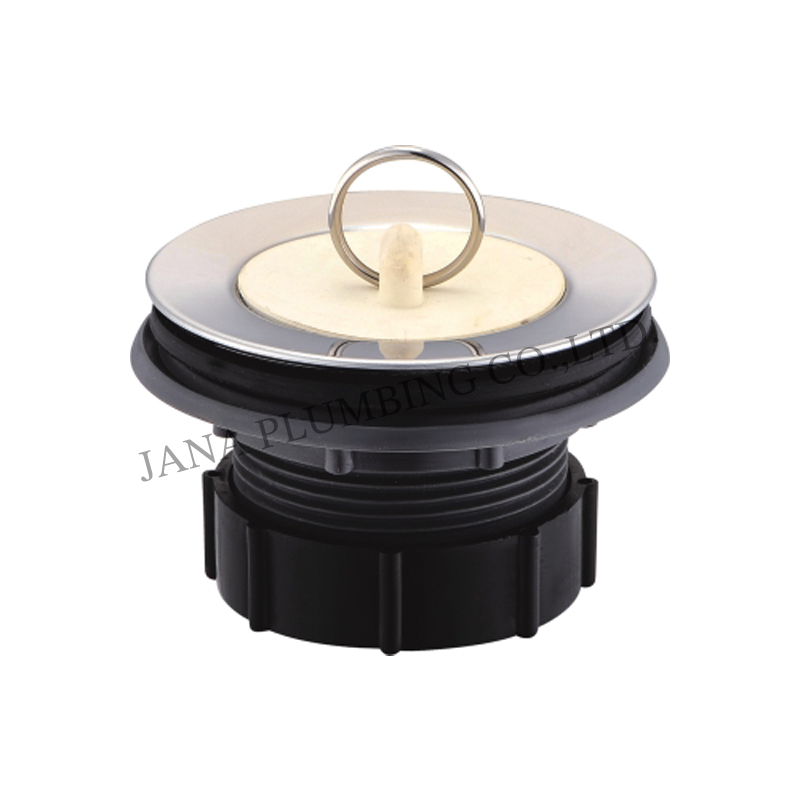
The Economy Plastic Tray Plug Bar Sink Strainer excels at preventing clogs by capturing food particles before they slip into the pipes. Using a strainer is vital for a clean sink, as it keeps debris at bay and reduces unpleasant odors.
Here are some key benefits of implementing a strainer in your kitchen:
- Prevents clogs
- Reduces odors
- Saves money on plumbing repairs
- Promotes hygiene
- Supports composting efforts
Embrace the ease and efficiency of a strainer for a hassle-free kitchen experience!
Key Takeaways
- Using a sink strainer prevents clogs and reduces unpleasant odors, keeping your kitchen clean and fresh.
- Regularly clean and empty the strainer to maintain its effectiveness and avoid buildup that can lead to plumbing issues.
- Be mindful of what goes down the drain; avoid grease and large food scraps to ensure the strainer works properly.
How the Economy Plastic Tray Plug Bar Sink Strainer Works
Mechanism of Action
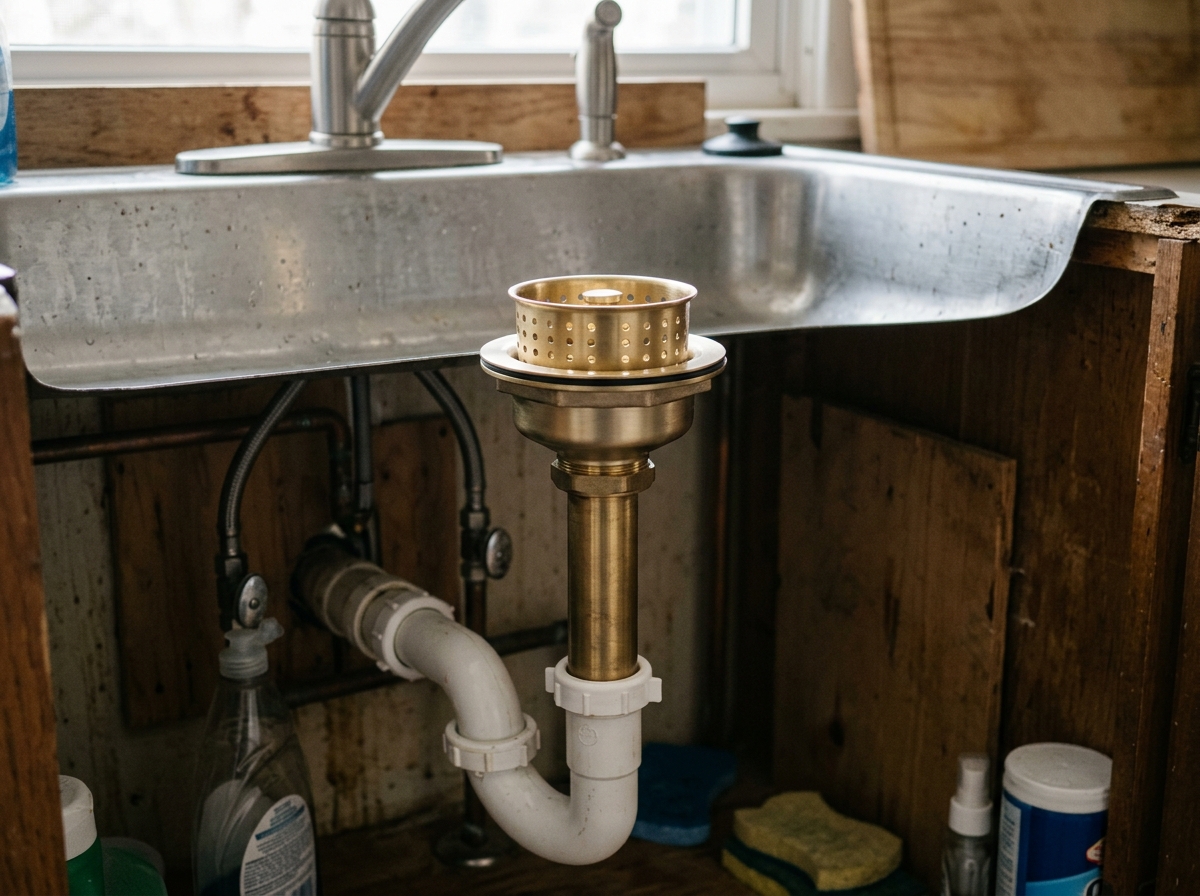
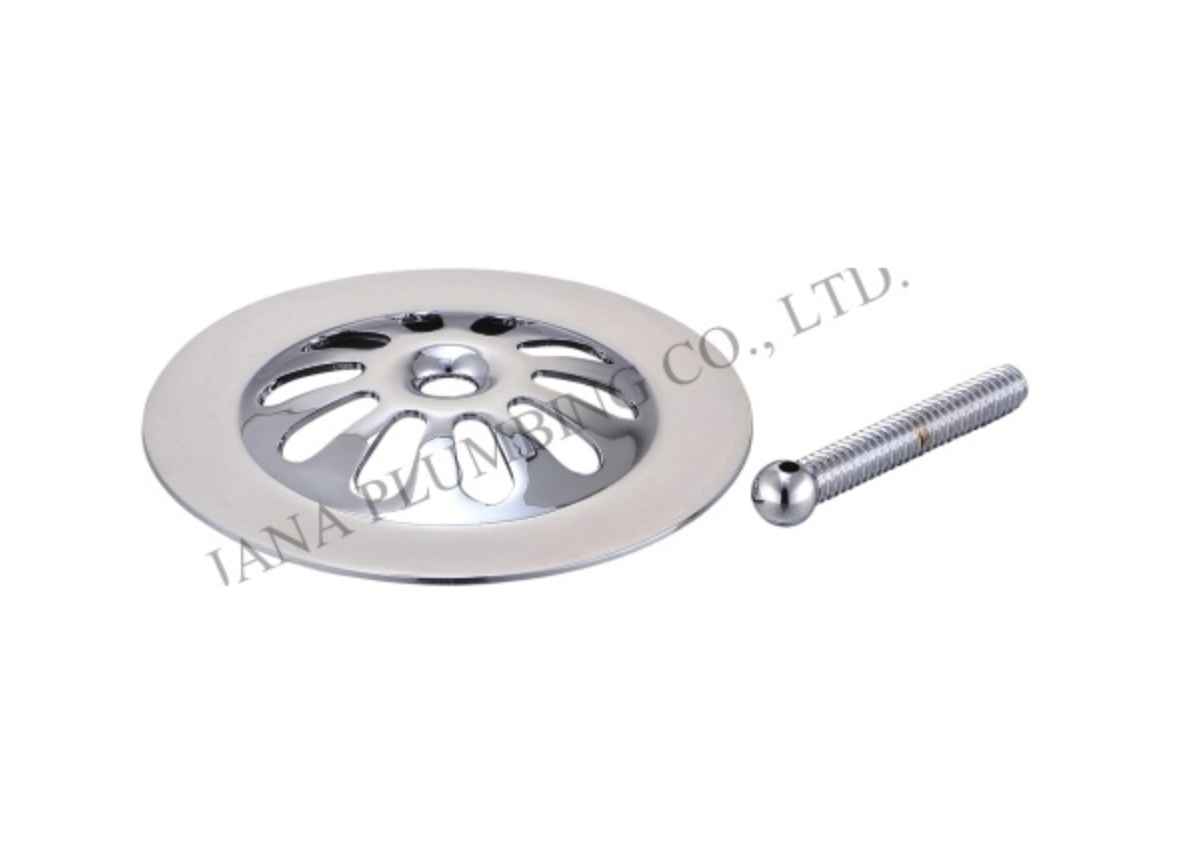
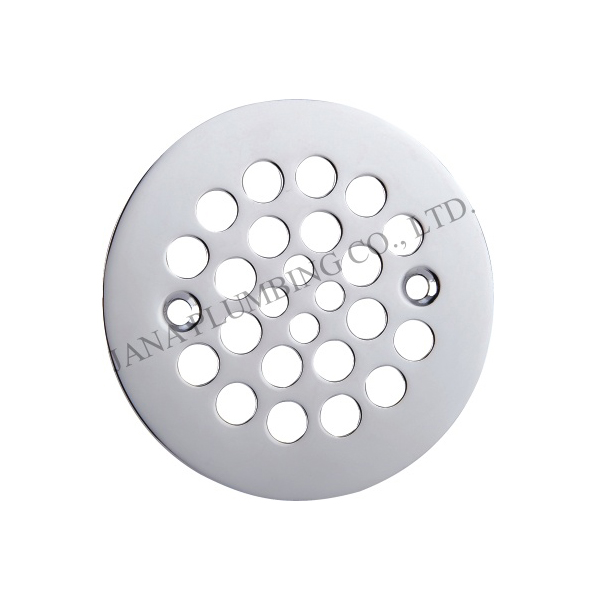
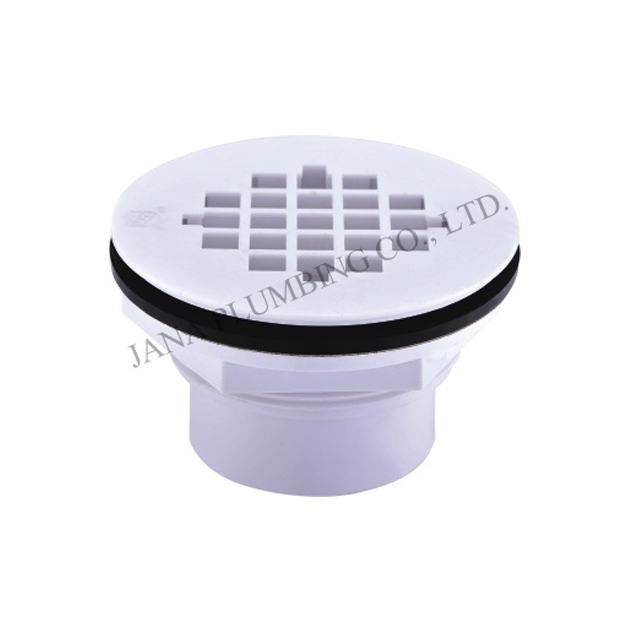
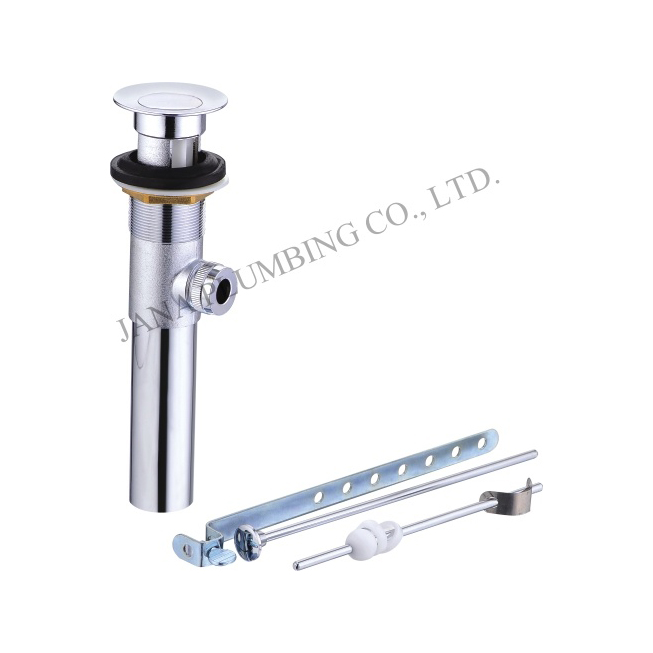
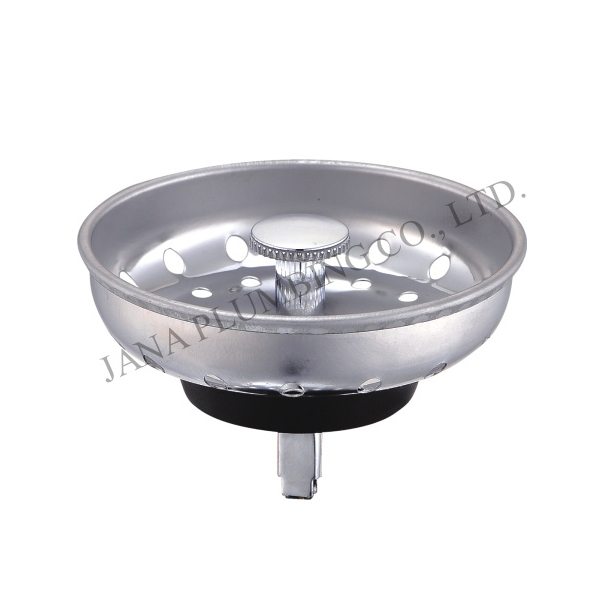
The Economy Plastic Tray Plug Bar Sink Strainer operates like a superhero for your sink! It features a clever design that captures food particles and debris before they can sneak into your plumbing. When you place the strainer in your sink, its rubber stopper creates a tight seal. This seal prevents water from leaking out when the strainer is not in use. The strainer's plastic basket catches everything from vegetable scraps to tiny bits of food, allowing water to flow freely while keeping your drain clear.
Advantages of Using a Strainer
Using the Economy Plastic Tray Plug Bar Sink Strainer offers numerous benefits. Here are a few reasons why this strainer is a must-have:
- Prevents Pollution: By filtering out contaminants like food particles and cleaning chemicals, the strainer helps protect local waterways. This is crucial since unsafe water can harm both people and wildlife.
- Saves Money: Avoiding clogs means fewer plumbing repairs. A simple strainer can save you from costly fixes down the line.
- Promotes Composting: You can compost the food particles collected by the strainer, reducing waste and contributing to a healthier environment.
- Enhances Hygiene: A clean sink leads to a cleaner kitchen. The strainer keeps debris at bay, reducing unpleasant odors and promoting a more pleasant cooking space.
With the Economy Plastic Tray Plug Bar Sink Strainer, you not only keep your sink clean but also contribute to a healthier planet!
Steps to Use the Economy Plastic Tray Plug Bar Sink Strainer Effectively
Installation Process
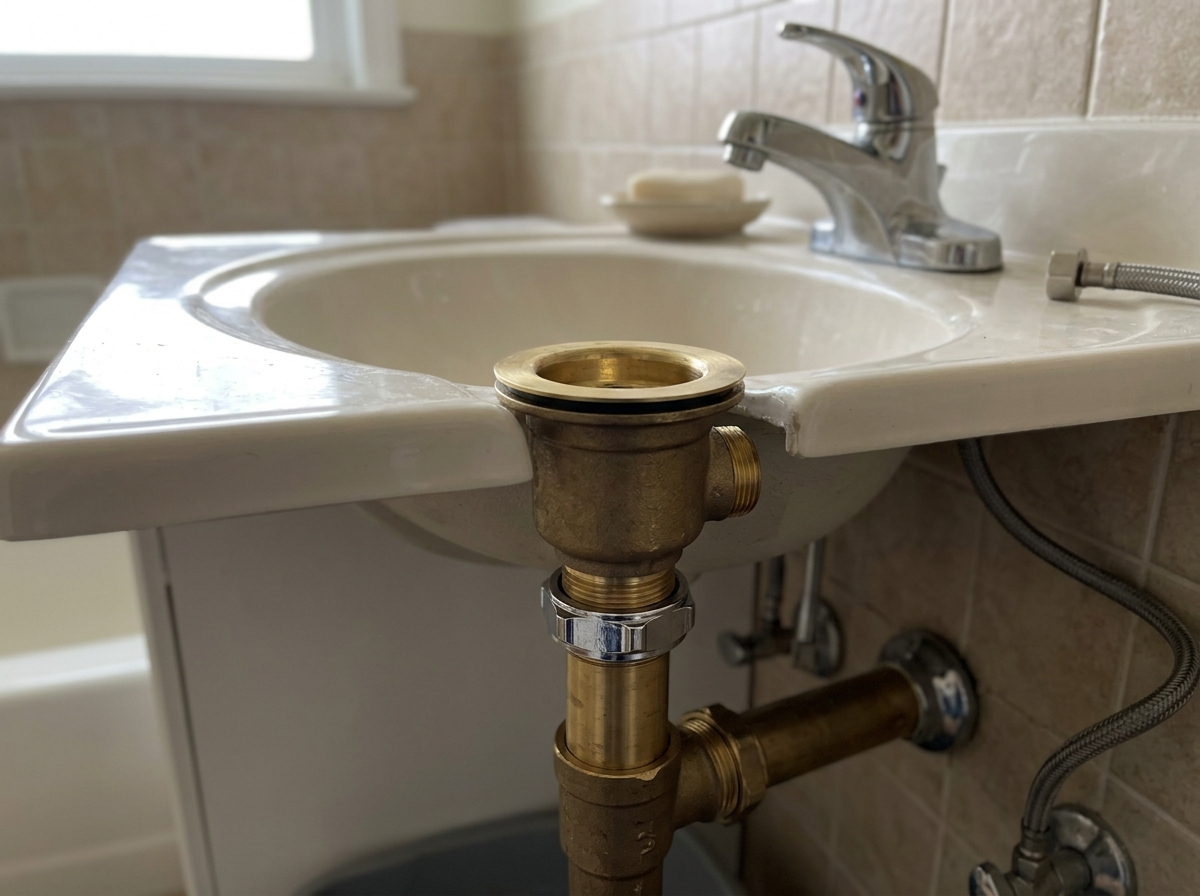
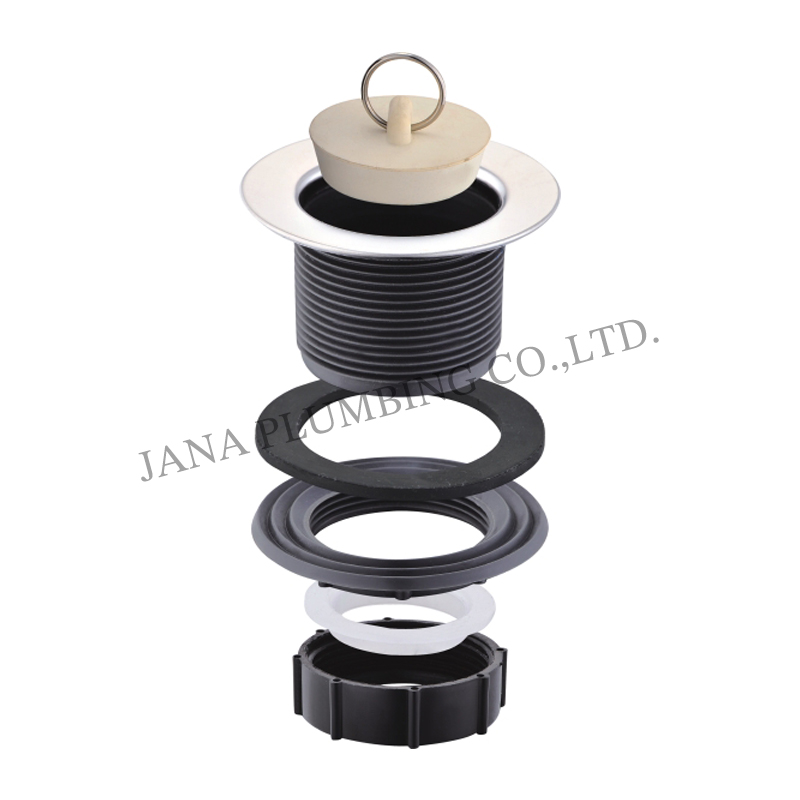
Installing the Economy Plastic Tray Plug Bar Sink Strainer is a breeze! Follow these simple steps to get started:
- Gather Your Tools: You only need a few basic tools, like a wrench or pliers, to secure the strainer in place.
- Remove the Old Strainer: If you have an existing strainer, take it out carefully. Clean the area around the drain to ensure a good fit.
- Insert the New Strainer: Place the Economy Plastic Tray Plug Bar Sink Strainer into the drain opening. Make sure it fits snugly.
- Secure the Strainer: Use your wrench or pliers to tighten the strainer. Ensure it’s secure but avoid over-tightening, which could damage the sink.
- Test for Leaks: Run water through the sink to check for any leaks. If everything looks good, you’re ready to go!
Regular Maintenance Tips
To keep your strainer performing at its best, regular maintenance is key. Here are some tips to follow:
- Clean the Strainer Regularly: Aim to lift the strainer out of the drain after each use. This simple action prevents buildup and keeps your sink fresh.
- Empty Collected Debris: Dispose of food particles in the trash. This helps maintain hygiene and prevents clogs.
- Rinse Under Running Water: Give the strainer a quick rinse to remove most residue. For deeper cleaning, use a small brush or sponge with dish soap.
- Avoid Harsh Cleaners: Steer clear of abrasive cleaners or steel wool. These can scratch the surface and reduce the strainer's effectiveness.
Here’s a handy table to help you remember how often to clean your strainer based on your kitchen's needs:
| Maintenance Frequency | Condition |
|---|---|
| Every 15–30 days | Standard systems |
| Weekly | High-flow or high-contamination |
| 90+ days | Self-cleaning models |
Best Practices for Optimal Use
To maximize the effectiveness of your Economy Plastic Tray Plug Bar Sink Strainer, consider these best practices:
- Be Mindful of What Goes Down the Drain: Avoid putting grease, hard items, and excessive food scraps down the drain. These can lead to clogs and defeat the purpose of your strainer.
- Grease: Always dispose of oil and grease in containers.
- Hard Items: Keep hard items like popcorn kernels and fruit pits out of the sink.
- Food Scraps: Be cautious with food waste, as it can accumulate quickly.
By following these steps and tips, you can enjoy a cleaner, more efficient kitchen. The Economy Plastic Tray Plug Bar Sink Strainer will serve you well, keeping your sink free from clogs and your cooking space pleasant!
Common Mistakes to Avoid with the Economy Plastic Tray Plug Bar Sink Strainer
Neglecting Regular Cleaning
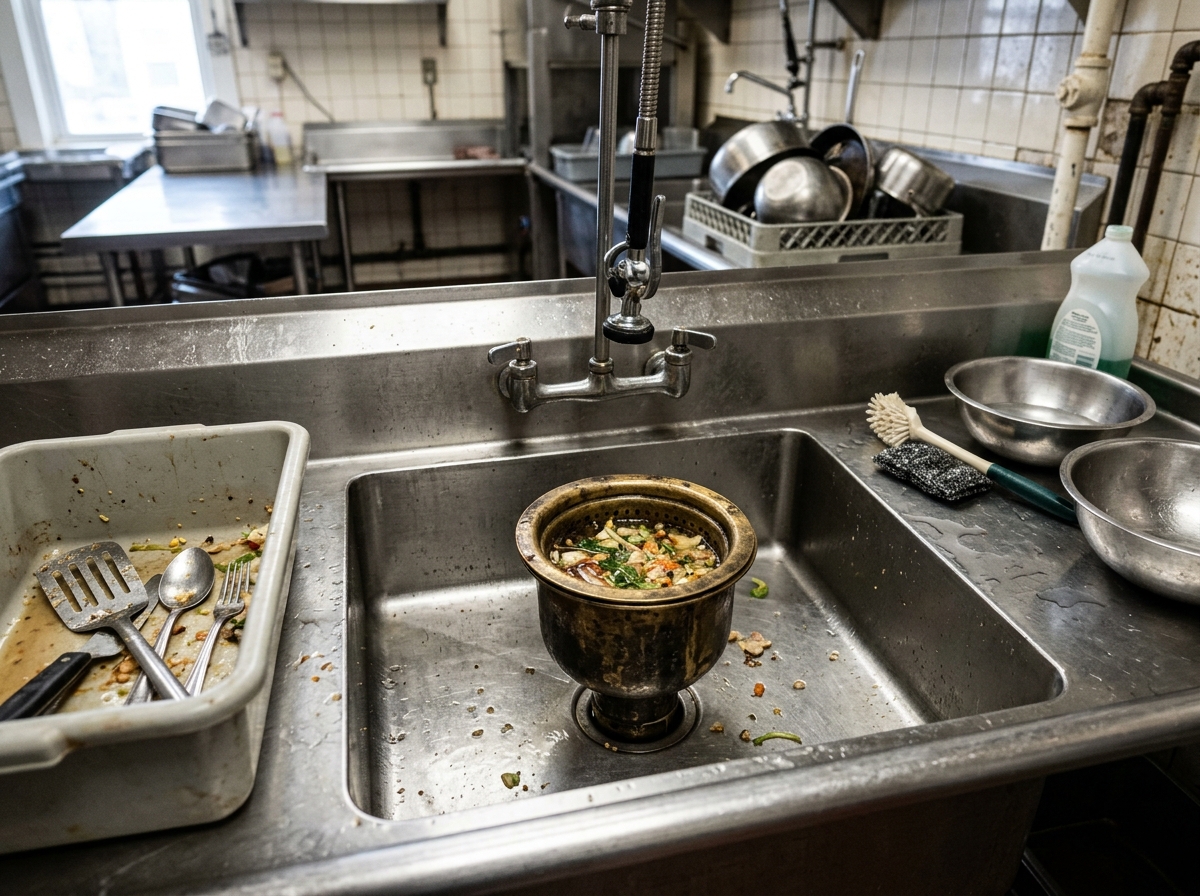
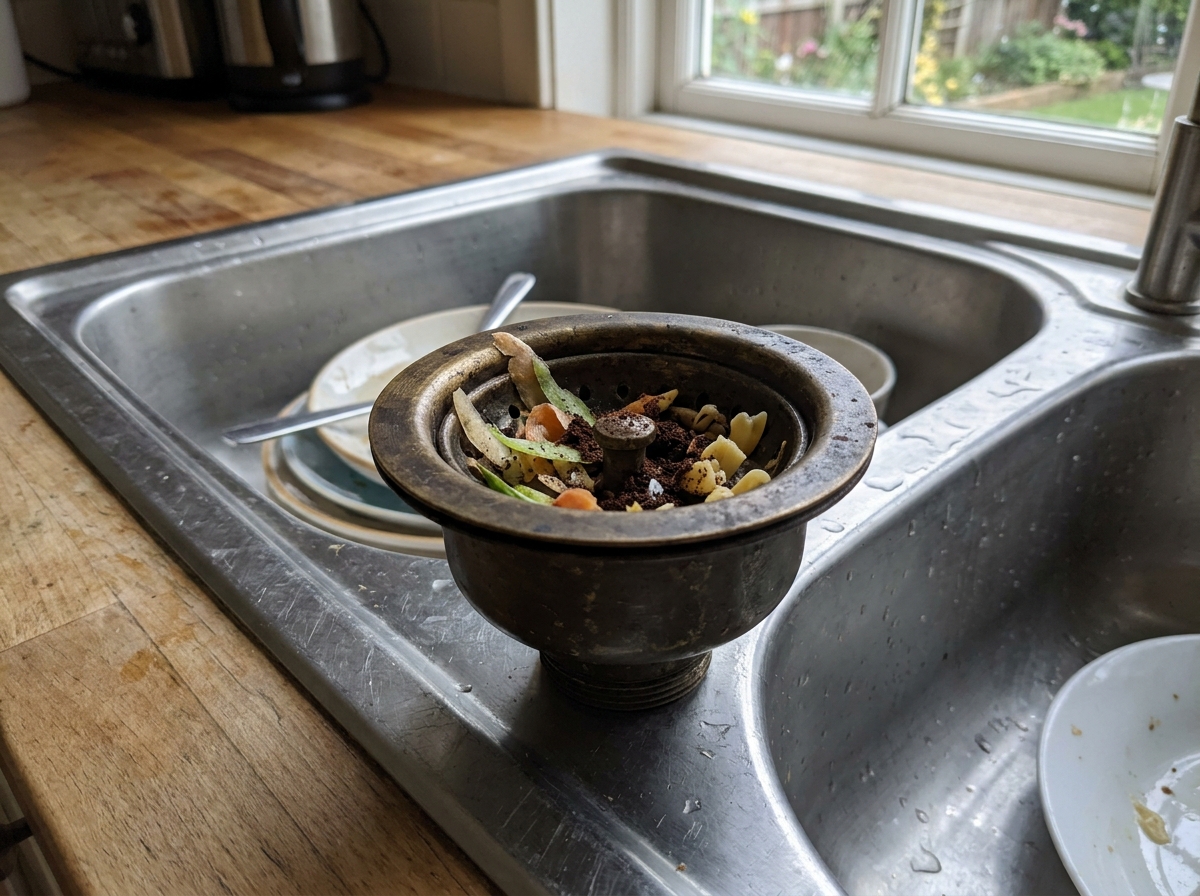
Many people forget to clean their sink strainer regularly. This oversight can lead to a buildup of debris, which may cause clogs. Imagine a strainer filled with food scraps, slowly turning into a science experiment! To avoid this, make cleaning a habit. After each use, lift the strainer and dispose of any collected debris. A quick rinse under running water keeps it fresh and functional.
Tip: Set a reminder on your phone to check the strainer weekly. A little effort goes a long way in preventing clogs!
Incorrect Installation Techniques
Installing the Economy Plastic Tray Plug Bar Sink Strainer might seem simple, but improper installation can lead to leaks and ineffective performance. Ensure the strainer fits snugly in the drain opening. If it’s too loose, water will escape, and debris will slip through. Follow the installation steps carefully. Tighten the strainer just enough to secure it without overdoing it. Over-tightening can damage the sink or the strainer itself.
Alert: Always double-check the fit before running water. A secure fit means a happy sink!
Overloading the Strainer
Another common mistake is overloading the strainer with too much food waste. While the strainer is designed to catch debris, it has its limits. Stuffing it with large amounts of scraps can lead to clogs. Instead, be mindful of what you put down the drain. Dispose of larger food items in the trash or compost bin. This practice not only protects your plumbing but also promotes a cleaner kitchen environment.
Note: Think of your strainer as a bouncer at a club. It can only handle so many guests before it gets overwhelmed!
By avoiding these common mistakes, you can ensure that your Economy Plastic Tray Plug Bar Sink Strainer works effectively. A little attention goes a long way in maintaining a clean and efficient kitchen!
The Economy Plastic Tray Plug Bar Sink Strainer keeps kitchens clean and hygienic. It catches food scraps, preventing clogs and unpleasant odors. Regularly emptying and rinsing the strainer ensures it functions well.
Adopting these simple practices leads to a hassle-free kitchen experience. Enjoy cooking without worrying about blocked drains!
FAQ
What materials make up the Economy Plastic Tray Plug Bar Sink Strainer?
The strainer features high-quality plastic and a rubber stopper, ensuring durability and a snug fit in your sink.
How often should I clean the sink strainer?
Clean the strainer after each use to prevent buildup and maintain optimal performance. Regular cleaning keeps your sink fresh!
Can I use the strainer with any sink size?
Yes! The Economy Plastic Tray Plug Bar Sink Strainer fits sink openings ranging from 1-7/8" to 2-1/4", making it versatile for various kitchen sinks.