What Makes a Brass Trap Adapter So Durable and Leak-Proof?
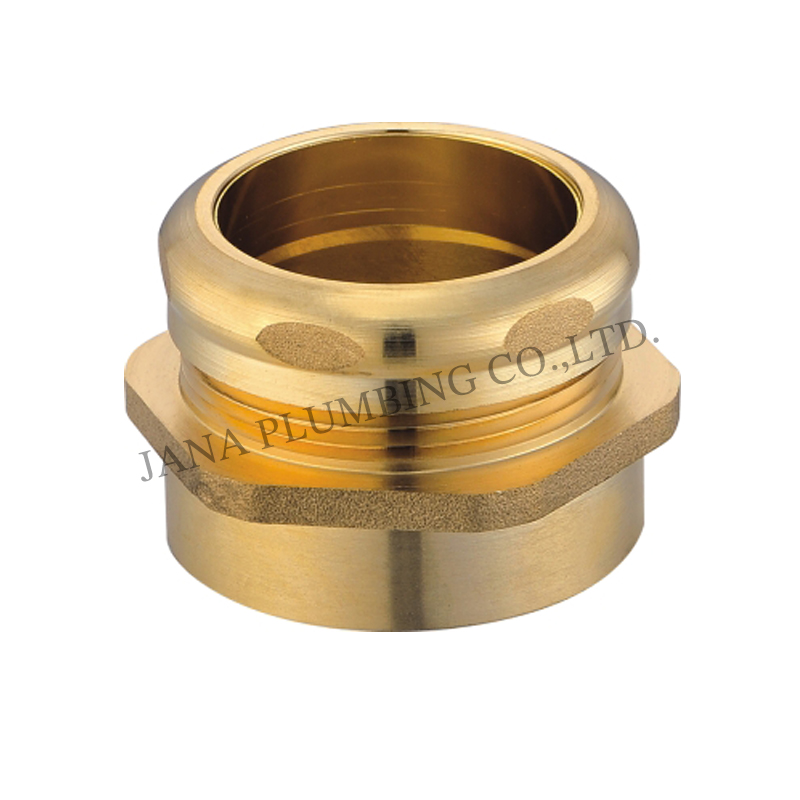
A sturdy Brass Trap Adapter is the secret to a plumbing system that never leaks. Its stellar performance directly ensures safe waste disposal connections. Knowing the key features of a truly dependable Brass Trap Adapter helps everyone make smart choices for their home.
Key Takeaways
- Brass trap adapters are strong and last a long time because they are made from durable brass. This material resists damage and holds up well to daily use.
- Good brass trap adapters have perfect threads that fit tightly. This stops leaks and keeps your plumbing connections secure.
- Brass trap adapters fight off rust and decay naturally. This helps them stay strong and work well for many years in your home.
Durable Material Composition of a Brass Trap Adapter
Why Brass is the Preferred Material for Trap Adapters
Brass stands out as a champion material for plumbing components, especially for a Brass Trap Adapter. Its unique properties make it a top choice. Plumbers and homeowners alike trust brass for its strength and reliability. It handles the daily grind of water flow and waste disposal with ease. Other materials simply cannot match its performance in these demanding roles.
Key Brass Alloys Enhancing Adapter Durability
Not all brass is created equal! Different brass alloys bring specific strengths to the table. These special blends enhance durability, making the adapters tougher and more resilient. Manufacturers carefully select these alloys to ensure the final product withstands harsh conditions. This careful selection means your plumbing connections stay secure for years.
The Role of Material Density in Brass Trap Adapter Strength
Material density plays a huge part in how strong a brass trap adapter becomes. Denser brass means a more solid and robust fitting. This density helps the adapter resist bending, cracking, and breaking under pressure. A heavy, well-made brass adapter feels substantial in your hand, a clear sign of its inherent strength and quality.
Manufacturing Processes for Robust Brass Trap Adapters
Crafting a strong brass trap adapter involves clever manufacturing techniques. These methods shape the brass into its final, durable form. For example, hot forging heats brass to extreme temperatures, then presses it into shape. This process improves the brass's internal structure, making it incredibly strong.
| Process | Key Characteristics | Advantages |
|---|---|---|
| Hot Forging | Brass heated to 700-850°C, forged in dies | Superior strength, consistent quality |
| Cold Forging | Room temperature forming, work-hardening | Tight tolerances, smooth surface finish |
| CNC Machining from Barstock | Machined from C36000 free-cutting brass | Excellent dimensional accuracy, complex designs |
| Sand Casting and Investment Casting | Molten brass poured into molds | Complex geometries, economical for larger sizes |
These processes create fittings that perform reliably. Brass fittings are often used in drainage systems, specifically DWV (drain-waste-vent) applications where metal is required. This includes cleanout fittings, trap adapters, and floor drains, typically ranging in sizes from 1-1/4″ to 4″. Each method contributes to the adapter's long-lasting performance.
Precision Threading and Sealing in a Brass Trap Adapter
The Criticality of Accurate Threading for Leak Prevention
Imagine a tiny drip, drip, drip under your sink. Often, inaccurate threading causes this annoying problem. Precision threading on a Brass Trap Adapter is like a secret handshake between plumbing parts. It ensures a snug fit, preventing those pesky leaks. Without exact threads, connections remain loose, inviting water to escape and cause damage. A well-made adapter boasts threads that align perfectly, creating a strong, reliable bond.
Ensuring a Watertight Seal in Brass Trap Adapters
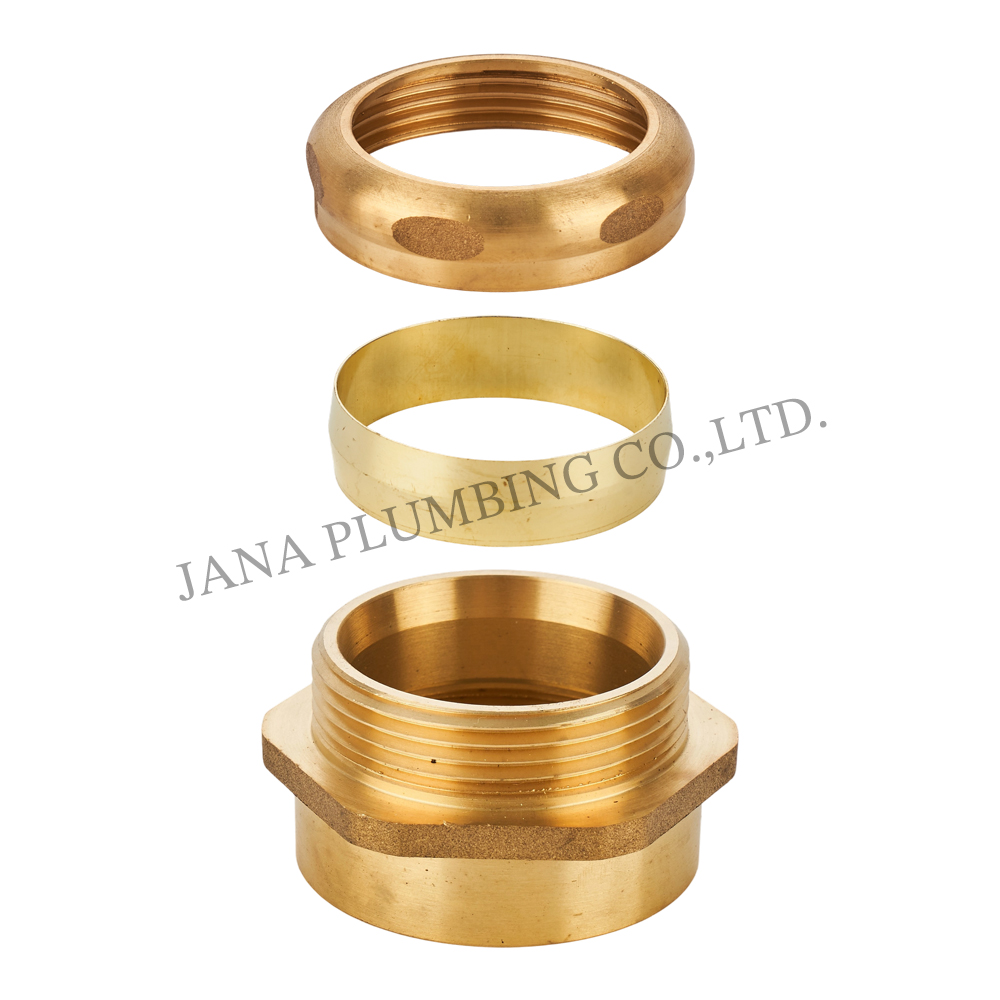
Achieving a watertight seal is paramount for any plumbing connection. For threaded connections, plumber's tape is a fantastic helper, ensuring a more watertight seal. Different connectors also play a role. Compression connectors use a nut that squeezes a washer between pipes, making a tight seal. Slip-joint adapters feature a slip joint nut and a beveled compression washer for easy, secure connections. For a permanent fix, solvent weld adapters fuse to the pipe with special cement, creating a leak-proof bond.
Common Thread Types and Compatibility for Brass Trap Adapters
Plumbing systems use various thread types. Compatibility is key! You must match the thread type of your Brass Trap Adapter with the connecting pipe. This ensures a proper fit and prevents cross-threading, which can damage both parts. Understanding these types helps you pick the right adapter for a seamless connection.
Installation Best Practices for Secure Brass Trap Adapter Connections
Proper installation makes all the difference. When connecting PVC to brass, use a threaded PVC female adapter directly onto the brass pipe's threaded end. For joining two pipes, a flexible PVC or Fernco coupling with stainless steel clamps works wonders. Remember, never use traditional PVC glue and primer for connecting PVC to brass. This simple rule helps you avoid future headaches and ensures a secure, long-lasting connection.
Corrosion Resistance and Longevity of a Brass Trap Adapter
Inherent Corrosion Resistance of Brass Trap Adapters
Brass is a true champion when it comes to fighting off rust and decay. This amazing metal, a mix of copper and zinc, naturally forms a protective layer. Think of it like a superhero's shield! This shield keeps the metal safe from the harsh elements inside your pipes. It means your plumbing connections stay strong and reliable for a very long time.
How Water Quality Impacts Brass Trap Adapter Lifespan
Even superheroes have weaknesses! The quality of your water can affect how long these adapters last. Hard water, full of minerals like calcium, can build up scale inside pipes. This scale increases the risk of corrosion. Acidic water also speeds up the decay of brass fittings. Water with lots of chlorine can make brass corrode faster too. So, water chemistry plays a big role in the adapter's long life.
Comparing Longevity: Brass Trap Adapter vs. Other Materials
When you compare materials, Brass Tubular products truly shine for their toughness and long life. Plumbers often choose them for big commercial jobs and places needing long-term solutions. Plastic pipes, like PVC or ABS, cost less and are easier to cut. They resist corrosion well, especially in places with really harsh waste, like science labs. Plastic does not rust and most chemicals do not harm it. However, a Brass Trap Adapter offers a different kind of enduring strength for general plumbing.
Factors Contributing to the Extended Service Life of a Brass Trap Adapter
Beyond water quality, other things help an adapter last. High humidity can increase corrosion risk. Salt in the air, common near oceans, can speed up decay between brass and stainless steel. Big changes in temperature also affect how fast corrosion happens. Stagnant water or dirt can trap bad stuff between metal parts, causing ongoing corrosion. Good drainage and proper installation are super important for a long-lasting connection.
A reliable Brass Trap Adapter truly shines with its durable material, precise threading, and amazing corrosion resistance. These features are incredibly important! Prioritizing these characteristics guarantees a super strong and long-lasting plumbing connection. Investing in a quality Brass Trap Adapter prevents future headaches and keeps your entire system working perfectly.
FAQ
Why does brass make a good trap adapter?
Brass offers amazing strength and fights off rust. It handles tough conditions better than other materials. This makes it a very reliable, long-lasting choice for plumbing.
How can someone spot a leaking trap adapter?
Look for drips or puddles under the sink. Feel for dampness around the connection points. A small leak can cause big problems later on.
What helps a brass adapter last for many years?
Its natural resistance to rust and wear keeps it strong. Good installation and proper water quality also extend its life. It truly stands the test of time.