Unlock the secret to an indestructible meter coupling now!
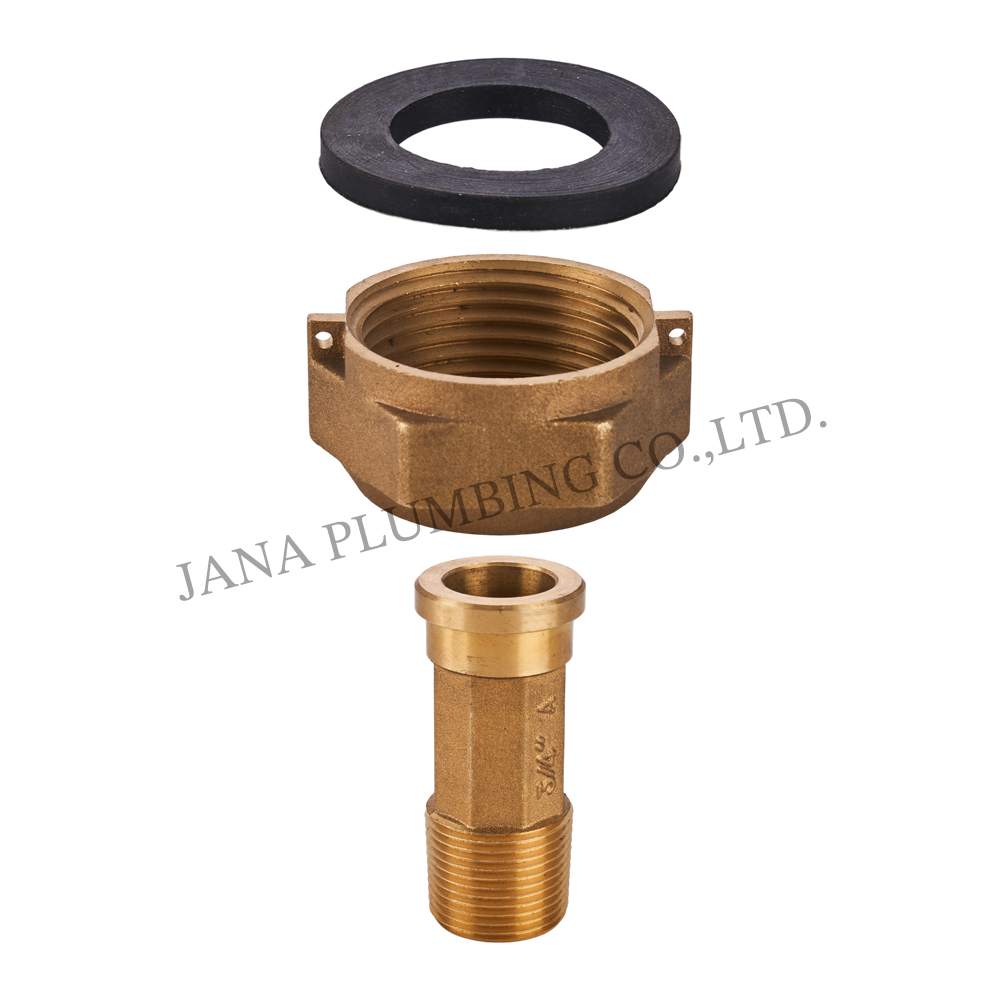
Achieving an indestructible Meter Coupling isn't magic. It comes down to smart moves: proactive maintenance, correct installation, and knowing its weak spots. These clever strategies guarantee your Meter Coupling performs like a champ and lasts a good long time.
Key Takeaways
- Install your meter coupling correctly. Use the right torque. This prevents leaks and early wear.
- Inspect your meter coupling often. Look for cracks or leaks. Clean it regularly. This helps it last longer.
- Choose the right meter coupling for the job. Match its material to the environment. This helps it handle heat, cold, and chemicals.
Understanding Meter Coupling Durability Challenges
Function and Operating Environments of Your Meter Coupling
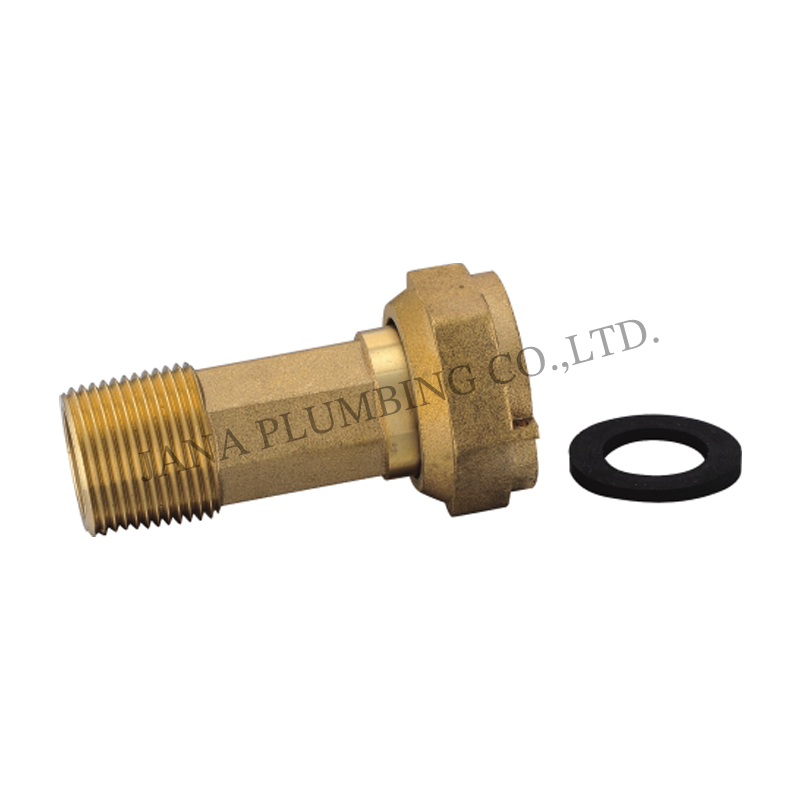
Imagine a tiny but mighty hero in your plumbing system. That's your Meter Coupling! It connects your meter to the pipes, making sure everything flows smoothly and accurately. These little champions work in all sorts of places. They might be underground, inside a building, or out in the open air. They handle water, gas, or other fluids. Each environment brings its own set of challenges. The coupling must stand strong against whatever comes its way, day in and day out.
Stressors and Environmental Factors Impacting Meter Coupling Lifespan
Many things try to shorten a Meter Coupling's life. Temperature is a big one. Stainless steel couplings can handle over 400°F, perfect for hot fluids. Aluminum works well at moderate temperatures, but it might struggle above 250°F. Polypropylene is best for cooler jobs, usually below 180°F. Even the seals matter! Standard seals work up to 250°F, but special ones can take more heat. Pressure also plays a huge role. Stainless steel offers the best pressure resistance. Smaller couplings often handle higher pressures than larger ones. Here's a fun fact: as temperature goes up, a coupling's pressure rating goes down. A coupling rated for 250 PSI at room temperature might only be safe for 150 PSI at 300°F. Always check the manufacturer's charts to know the real limits. Corrosion, vibrations, and even the type of fluid passing through can also cause trouble.
Foundational Strategies for Meter Coupling Longevity
Correct Installation Techniques for Meter Coupling
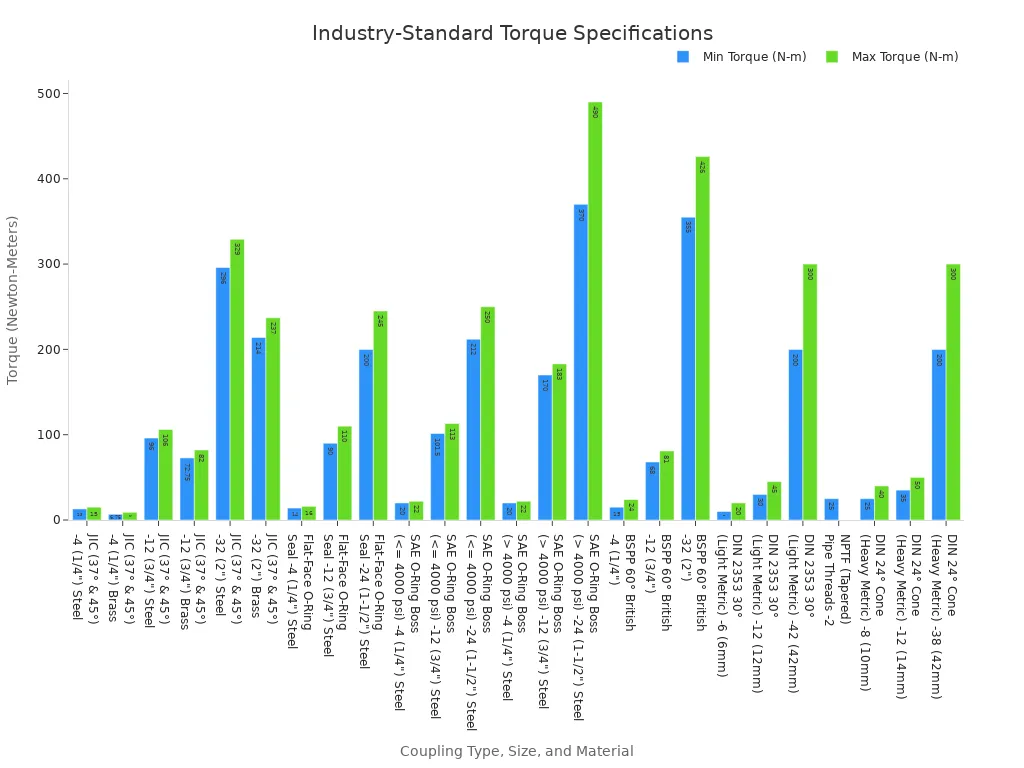
A strong start makes all the difference. Proper installation is the first step to a long-lasting Meter Coupling. Think of it like building a house; a solid foundation prevents future headaches. One crucial detail is applying the correct torque. This means tightening the coupling just enough – not too much, not too little. Over-tightening can strip threads or crush seals, leading to leaks. Under-tightening also causes leaks and reduces pressure capacity.
Always use a calibrated torque wrench. This tool ensures you hit the sweet spot. Manufacturer specifications are your best friend here. If those are not available, industry-standard charts offer guidance. Remember, lubrication changes everything! Dry threads need more torque than lubricated ones. Applying a 'dry' torque value to a lubricated fitting can cause serious damage.
| Coupling Type | Size (Dash / Inches / mm) | Material | Min Torque (Ft. Lbs.) | Max Torque (Ft. Lbs.) | Min Torque (Newton-Meters) | Max Torque (Newton-Meters) |
|---|---|---|---|---|---|---|
| JIC (37° & 45°) | -4 (1/4") | Steel | 10 | 11 | 13 | 15 |
| -4 (1/4") | Brass | 5 | 6 | 6.75 | 9 | |
| -12 (3/4") | Steel | 70 | 78 | 96 | 106 | |
| -12 (3/4") | Brass | 53 | 60 | 72.75 | 82 | |
| -32 (2") | Steel | 219 | 243 | 296 | 329 | |
| -32 (2") | Brass | 158 | 175 | 214 | 237 | |
| Flat-Face O-Ring Seal | -4 (1/4") | Steel | N/A | N/A | 14 | 16 |
| -12 (3/4") | Steel | N/A | N/A | 90 | 110 | |
| -24 (1-1/2") | Steel | N/A | N/A | 200 | 245 | |
| SAE O-Ring Boss (<= 4000 psi) | -4 (1/4") | Steel | 14 | 16 | 20 | 22 |
| -12 (3/4") | Steel | 75 | 83 | 101.5 | 113 | |
| -24 (1-1/2") | Steel | 156 | 184 | 212 | 250 | |
| SAE O-Ring Boss (> 4000 psi) | -4 (1/4") | Steel | 14 | 16 | 20 | 22 |
| -12 (3/4") | Steel | 125 | 135 | 170 | 183 | |
| -24 (1-1/2") | Steel | 270 | 360 | 370 | 490 | |
| BSPP 60° British | -4 (1/4") | N/A | 11 | 18 | 15 | 24 |
| -12 (3/4") | N/A | 50 | 60 | 68 | 81 | |
| -32 (2") | N/A | 262 | 314 | 355 | 426 | |
| DIN 2353 30° (Light Metric) | -6 (6mm) | N/A | 7 | 15 | 10 | 20 |
| -12 (12mm) | N/A | 22 | 33 | 30 | 45 | |
| -42 (42mm) | N/A | 148 | 221 | 200 | 300 | |
| NPTF (Tapered) Pipe Threads | -2 | N/A | 20 | N/A | 25 | N/A |
| DIN 24° Cone (Heavy Metric) | -8 (10mm) | N/A | 18 | 30 | 25 | 40 |
| -12 (14mm) | N/A | 26 | 37 | 35 | 50 | |
| -38 (42mm) | N/A | 148 | 221 | 200 | 300 |
Choosing the Right Meter Coupling Variant
Selecting the correct coupling is like picking the right tool for a job. You would not use a hammer to drive a screw! Different environments and applications demand specific coupling types. Consider flexible couplings for areas with lots of movement or shaking. They are champions at handling vibrations and shock loads.
| Coupling Type | Performance in High-Vibration Environments |
|---|---|
| Flexible | Helps dampen torsional vibrations from acceleration or shock loading; preferable to compensate for vibration, shock loads, and other real-world conditions. |
| Rigid | Immediately transfers torsional forces from acceleration or shock loading. |
Flexible couplings absorb vibrations, protecting connected parts from early wear. Rigid couplings, on the other hand, transfer all those forces directly. This can cause problems if parts are not perfectly aligned. Always match the coupling to its intended purpose. This ensures smooth operation and a longer life for your entire system.
Proactive Maintenance for Maximum Meter Coupling Life
Keeping your Meter Coupling in top shape is not just about fixing problems; it is about preventing them. Proactive maintenance acts like a superhero shield, guarding against wear and tear. This approach ensures your Meter Coupling performs flawlessly for years.
Regular Inspection Checklist for Meter Coupling
Think of regular inspections as your secret weapon! They help you spot small issues before they become big, expensive headaches. Someone should regularly check for visible signs of trouble. Look for cracks, corrosion, or any strange discoloration. Are there any leaks? Even a tiny drip can signal a problem brewing. Check for loose connections; a wobbly coupling is an unhappy coupling. Also, listen for unusual noises. A change in sound often means something is not quite right. A quick visual check can save a lot of trouble down the road. 🕵️♀️
Cleaning Protocols for Meter Coupling
A clean coupling is a happy coupling! Dirt, grime, and debris can build up over time. This gunk can hide problems or even cause them. Regular cleaning removes these unwanted guests. Use gentle cleaning agents that will not harm the coupling's materials. Avoid harsh chemicals that might corrode or weaken the surfaces. A soft brush or cloth often does the trick. Always make sure the coupling is dry after cleaning. This simple step helps prevent rust and keeps everything looking and working its best. ✨
Lubrication Best Practices for Meter Coupling
Lubrication is like giving your coupling a refreshing drink; it keeps things moving smoothly and reduces friction. Choosing the right lubricant is crucial. Oils for fluid couplings need special powers. They resist oxidation and heat damage. They keep their thickness even when temperatures change. They also fight foam, rust, and get along with seals. Flexible couplings often prefer greases. These greases use thick oils, anti-wear agents, and special ingredients to stick to metal. This helps them handle tough conditions and high spin speeds.
Picking the right lubricant for extreme heat is like solving a puzzle. First, know your average operating temperature. Think about ways to control heat, like insulation. Always follow the manufacturer's guide. Decide what improvements you want, like longer times between lubrication. Look at costs and how new lubricants mix with old ones. Check technical details: how thick it is at working temperature, its strength, and how it resists oxidation. Remember, strong mineral oils can work just as well as synthetics for long intervals at high temperatures. For greases, the "dropping point" tells you when it turns liquid, not its max working temperature. A simple rule: subtract 75°F from dropping points under 300°F, 100°F from those between 300°F and 400°F, and 150°F from those over 400°F to find the true maximum operating temperature. Lubricate more often when it is hot! 🌡️
Scheduled Replacement of Meter Coupling Wear Parts
Some parts are simply designed to wear out. Think of them as the unsung heroes that take the brunt of the work. Seals, gaskets, and O-rings fall into this category. They protect the system from leaks and contamination. Over time, they harden, crack, or lose their elasticity. Replacing these wear parts on a schedule prevents bigger failures. It is much easier and cheaper to swap out a small seal than to deal with a system breakdown. Always use high-quality replacement parts that match the original specifications. This ensures your Meter Coupling continues its reliable performance. 🔄
Troubleshooting and Preventing Common Meter Coupling Failures
Even the toughest heroes face challenges. Meter couplings are no different! They sometimes run into problems. Knowing how to fix these issues, and even better, how to stop them from happening, keeps your system running smoothly.
Addressing Vibration-Induced Wear in Meter Coupling
Imagine a tiny earthquake happening constantly around your coupling. That is what vibration feels like! These constant shakes can cause parts to rub and wear out too quickly. Vibration can loosen connections and even crack materials over time. To fight this, engineers often choose flexible couplings. These clever devices act like shock absorbers. They soak up the shakes and wiggles, protecting the rest of the system. Proper mounting also helps a lot. Securely fastening the coupling and its connected pipes reduces movement. Regular checks for loose bolts or worn dampeners can catch problems early. Think of it as giving your system a steady, calm environment.
Mitigating Corrosion in Meter Coupling
Corrosion is like a sneaky villain that eats away at metal. It weakens the coupling and can lead to leaks or failures. Different environments bring different corrosion challenges. For example, saltwater is a tough opponent. Marine-grade bronze is a champion against saltwater's corrosive power. This special bronze, with tin and aluminum, corrodes very slowly and evenly. It does not get deep pits like other metals. Its unique makeup and strong passive film stop chloride from getting in, which prevents pitting and crevice corrosion. Bronze also plays well with other metals like brass or stainless steel, reducing galvanic corrosion. The copper in marine-grade bronze also resists stress corrosion cracking, keeping its strength even under constant pressure in salty conditions.
What about acidic chemicals? They are even more aggressive! Luckily, special coatings can protect couplings. Epoxy coatings are tough and resist many chemicals. Vinyl ester resins offer even better protection against super strong acids like sulfuric or hydrochloric acid. Polyurethane coatings are flexible and protect well, especially where temperatures change a lot. Some coatings, like Z-PEX, can handle many acidic chemicals for 100 hours without any damage. This includes acetic acid, hydrochloric acid, and sulfuric acid. Other coatings like Lining-Kote, Rust Grip®, and Enamo Grip also offer amazing protection against acids, splashes, and solvents. Choosing the right material or coating is like giving your coupling a superhero suit for its specific battleground.
Preventing Leaks in Meter Coupling
Leaks are annoying drips that waste resources and can cause damage. They often happen because of bad installation, worn-out seals, or corrosion. First, make sure you install the coupling correctly. Remember that perfect torque? It prevents both over-tightening and under-tightening, which both cause leaks. Second, regularly check seals and gaskets. These parts wear out. If they look cracked, hard, or squashed, replace them! Third, fight corrosion. A corroded surface cannot form a tight seal, leading to drips. A clean, properly installed, and well-maintained Meter Coupling rarely springs a leak.
Overcoming Temperature Extremes for Meter Coupling
Meter couplings sometimes work in places that are either super hot or freezing cold. Extreme temperatures can make materials expand, shrink, or even become brittle. This can lead to cracks or loose connections. The key is to pick a coupling made from materials that can handle the heat or cold. Stainless steel is great for high temperatures. Special seals can also withstand more heat than standard ones. For very cold places, materials that stay flexible and strong in low temperatures are essential. Insulating the coupling can also help keep its temperature stable. Always check the manufacturer's temperature ratings. This ensures your coupling stays strong and reliable, no matter the weather.
Advanced Tips for Extreme Meter Coupling Durability
Implementing Predictive Maintenance Technologies for Meter Coupling
Imagine a crystal ball for your machinery! Predictive maintenance technologies offer just that. Sensors now monitor equipment constantly. They track vibrations, temperature, and other vital signs. Computers analyze this data, looking for tiny changes. These changes often signal a problem before it becomes a big headache. This allows teams to fix issues proactively, avoiding unexpected breakdowns. It saves money and keeps operations running smoothly.
Material Upgrades and Custom Solutions for Meter Coupling
Sometimes, standard parts just do not cut it. For truly extreme conditions, consider material upgrades. Specialized alloys or advanced composites offer superior strength and corrosion resistance. Engineers can also design custom solutions. They tailor parts to fit unique challenges, like intense pressure or abrasive environments. This bespoke approach ensures maximum resilience and a longer lifespan for critical connections.
Training and Certification for Meter Coupling Maintenance Personnel
Even the best technology needs skilled hands. Well-trained personnel are crucial for extreme durability. They understand the nuances of installation and upkeep. Training modules cover essential topics. These include:
- Fundamentals of shaft alignment and various coupling types.
- Techniques for precision alignment, including dial indicator and laser methods.
- Procedures for coupling installation and ongoing maintenance.
- Troubleshooting common issues related to alignment and couplings.
- Safety protocols and best practices for technicians.
- Understanding the types and functions of different couplings and their applications.
Certified technicians ensure correct procedures, preventing costly mistakes. Their expertise makes a real difference in operational success.
Achieving maximum durability for your Meter Coupling is not a mystery. It comes from correct installation, diligent maintenance, and smart problem-solving. These powerful strategies ensure long-term reliability and operational success for your entire system. Embrace these steps for a truly robust and dependable performance.
FAQ
What is a meter coupling?
A meter coupling acts as a crucial link. It connects your meter to the pipes. This connection ensures accurate readings and smooth fluid flow. It is a vital part of any plumbing system. 💧
Why does correct installation matter so much?
Proper installation is the secret to a long-lasting coupling. It prevents leaks and early wear. A correctly installed coupling performs reliably. A good start means a long, happy life for your system. ✨
How often should someone inspect a meter coupling?
Regular visual inspections are a smart move. Look for cracks, leaks, or loose parts. Catching small issues early saves big trouble later. This proactive check keeps everything running smoothly. 🕵️♀️