The surprising benefits of a simple one hole overflow plate
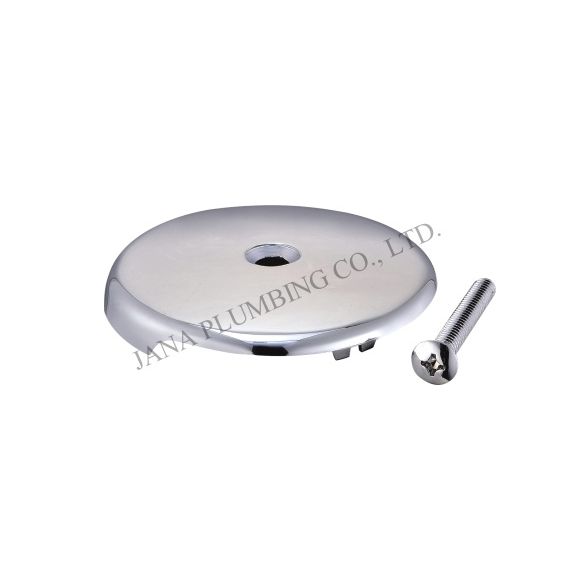
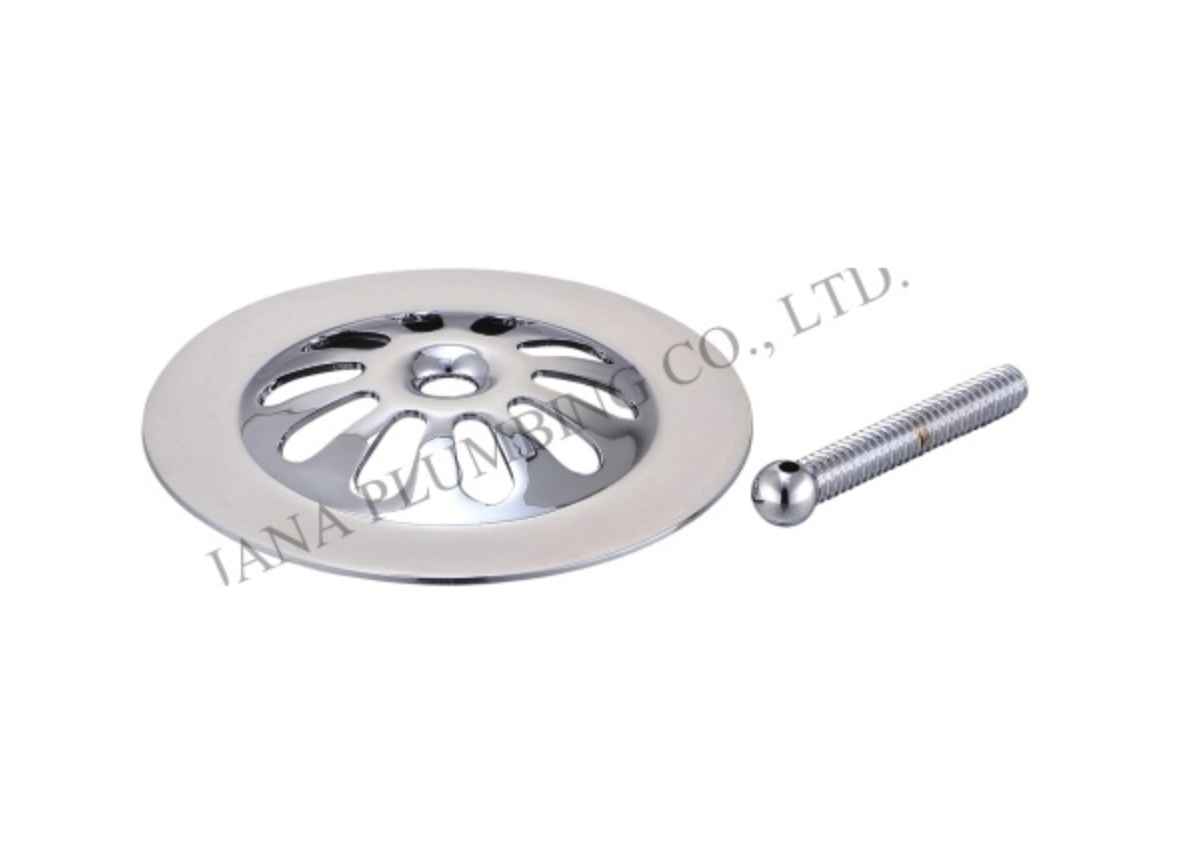
A one Hole Overflow Plate is a surprisingly beneficial, even essential, component for modern bathroom and kitchen sinks. Its simple design offers more than basic overflow protection. Forgetting to turn off a sink or obstructed drains frequently cause overflows, leading to significant water damage. Overflowing sinks contribute to a notable percentage of household water damage claims. This device enhances both functionality and aesthetics.
Key Takeaways
- A one-hole overflow plate stops water damage. It sends extra water down the drain. This protects your home from spills.
- This plate helps keep your sink clean. It stops water from sitting in hidden spots. This prevents mold and bad smells.
- The overflow plate is easy to put in. It is also cheap. It saves you money by preventing big water damage repairs.
Beyond Basic Protection: The Primary Role of Your One Hole Overflow Plate
Preventing Water Damage
A one hole overflow plate offers crucial protection against water damage. It acts as a vital safeguard, preventing costly spills and structural harm. Without this simple device, a forgotten running faucet or a blocked drain quickly leads to an overflowing sink. Many common issues cause sink overflow incidents:
- Blockages from hair, soap, toothpaste, and other bathroom products.
- Clogs curious children accidentally create.
- Sinks that drain slowly, leading to overflows.
- Plumbing backups occurring through sink lines. This plate ensures excess water diverts safely into the drain, protecting your floors, cabinets, and walls from potential ruin.
Maintaining Hygiene
This essential component also plays a significant role in maintaining a hygienic environment. Stagnant water in overflow channels creates an ideal breeding ground for harmful elements.
- Mold and Bacteria Growth: Stagnant water combined with soap scum and other debris in overflow channels creates an ideal breeding ground for mold and bacteria.
- Unpleasant Odors: The growth of mold and bacteria leads to musty or pungent odors.
- Compromised Health: Exposure to these odors and microbial byproducts can negatively impact health. Even high-quality domestic water contains diverse microbial flora. These organisms can become pathogenic under certain conditions. Water stagnation, especially from infrequent use, leads to biofilm formation and increases the concentration of these organisms. This poses a greater risk, particularly for vulnerable populations. The overflow plate helps prevent water from sitting in these hidden channels, promoting a cleaner, healthier space.
Ensuring Proper Drainage
Beyond preventing overflows, the one hole overflow plate ensures proper drainage. It works in conjunction with the main drain to manage water flow efficiently. When the main drain becomes partially obstructed, the overflow channel provides an alternative path for water. This prevents the sink from filling up completely and allows water to continue draining, even if slowly. This continuous drainage prevents water from pooling, which further reduces the risk of stagnant water and potential hygiene issues. It ensures your sink remains functional and safe for daily use.
Unexpected Advantages: Why a One Hole Overflow Plate is More Than Just a Hole Cover
Aesthetic Integration
A one hole overflow plate offers more than just function; it significantly enhances your sink's appearance. Its minimalist design integrates seamlessly into modern and traditional settings. This simple component provides a clean, uncluttered look. It elevates the overall aesthetic of your kitchen or bathroom. This thoughtful design choice proves that even small details make a big impact on style. It complements various faucet styles and sink materials, ensuring a cohesive and polished finish.
Ease of Cleaning and Maintenance
Maintaining a clean sink area becomes effortless with this design. The one hole overflow plate features a smooth, accessible surface. This design actively prevents grime and residue buildup. Users can easily wipe it clean, saving valuable time and effort. Its straightforward structure means less hidden areas for dirt to accumulate, promoting a consistently hygienic environment. This ease of cleaning contributes to a more pleasant and efficient daily routine.
Durability and Longevity
This essential component also boasts impressive durability. Manufacturers craft these plates from robust and anti-corrosion steel. This material choice ensures the plate's durability and ability to withstand daily use while maintaining its performance. This means your overflow plate resists wear and tear, providing reliable service for many years. It represents a smart, long-term investment for any sink. Its resilient construction ensures it remains a functional and attractive part of your plumbing system for decades.
Is a One Hole Overflow Plate a 'Must-Have' for Your Sink?
Assessing Your Needs
Deciding if a one hole overflow plate is essential for your sink involves evaluating your specific situation. Not all plumbing fixtures must have an overflow. For example, standards for plastic, enameled cast iron, enameled steel, and ceramic plumbing fixtures do not require overflows for lavatories, sinks, and bidets. However, bathtubs and whirlpools must include an overflow by their respective standards. When an overflow is present, whether mandatory or optional, water should only be in the overflow when the fixture fills to the point of overflowing. The overflow pipe must connect on the house or inlet side of the fixture trap. This ensures proper function.
A sink with an overflow plate offers clear functional advantages. It prevents water from spilling over the basin's top when the drain is closed and the sink fills. This primarily protects against overflow when someone accidentally leaves the faucet running with the stopper closed. It also improves drainage. Overflow plates allow air to enter the drain through the overflow channel. This reduces the suction effect that occurs when water covers the drain. Sinks without overflows often bubble and drain more slowly due to this suction. The ADA Accessibility Standards do not mandate overflow protection for sinks. Instead, they address the 'dip of the overflow' in relation to knee and toe clearance. They permit it within the required space but prohibit other protrusions.
Cost-Effectiveness
Investing in a one hole overflow plate proves highly cost-effective. The plate itself is very affordable. A one-hole overflow plate can cost as little as $6.19 for a chrome finish or around $9.60. This small upfront cost offers significant protection against potential water damage. Water damage from an overflowing sink can lead to expensive repairs for floors, cabinets, and even structural elements of your home.
Consider the labor costs for plumbing work. While installing a bathtub overflow might cost between $124.15 and $152.60 for labor, integrating a one hole overflow plate during a new sink installation adds minimal expense. It becomes part of the overall plumbing setup. This small investment prevents much larger financial burdens down the line. It acts as an inexpensive insurance policy for your home.
Installation Simplicity
Installing a one hole overflow plate is remarkably simple. Its design allows for effortless mounting. The process requires minimal tools and time. Most plates come with clear instructions and all necessary hardware. This straightforward installation means homeowners can often complete the task themselves. This saves money on professional labor. Even if a plumber installs it as part of a larger sink project, the added complexity is negligible. This ease of installation makes the one hole overflow plate a practical and accessible upgrade for any sink.
A one hole overflow plate transcends its simple appearance. It delivers substantial benefits in water damage prevention, hygiene, aesthetics, and ease of maintenance. This seemingly minor component is highly recommended for any well-functioning and visually appealing sink setup. It proves a must-have for comprehensive sink performance and protection.
FAQ
What is the main purpose of a one-hole overflow plate?
It primarily prevents water damage. The plate diverts excess water into the drain, stopping overflows when the sink fills too high. This protects your home from costly spills.
How does an overflow plate help with sink hygiene?
The plate prevents water from stagnating in hidden channels. Stagnant water can breed mold and bacteria, causing odors. It promotes a cleaner, healthier sink environment.
Is it difficult to install a one-hole overflow plate?
Installation is very simple. The plate features a user-friendly design. Most people can easily mount it with minimal tools and time. This makes it a practical upgrade.