


Stop Kinks: Your High Pressure Hose Solution Today
Nobody enjoys a tangled mess! Discover effective strategies to eliminate frustrating kinks in your High Pressure Hose. Learn how to prevent reduced efficiency, equipment damage, and safety hazards. Achieve smooth, uninterrupted operation with practical, actionable advice. Say goodbye to hose headaches and hello to consistent performance.
Key Takeaways
- Choose the right hose material and construction, like polyurethane or reinforced hoses with wire braiding, to prevent kinks.
- Handle and store your hose correctly by uncoiling it carefully, avoiding sharp bends, and using reels or racks to keep it organized.
- Regularly inspect your hose for kinks, bulges, or damage, and replace kinked hoses immediately to ensure safety and prevent equipment problems.
Understanding High Pressure Hose Kinking
The Mechanics of Kinking
Imagine trying to bend a stiff metal rod versus a rubber band. That is a bit like how a High Pressure Hose behaves! When pressure builds inside a hose, it becomes much stiffer. This increased stiffness makes the hose less flexible. A stiff hose is harder to handle and much more likely to fold or "kink." Different materials play a big part here. For instance, PVC hoses are often less flexible and can crack or kink easily under high pressure. Materials like NBR offer great strength and flexibility, while PU combines strength, flexibility, and chemical resistance, but is generally more expensive. The way a hose is built also matters. Braided construction, for example, gives a hose high strength and flexibility, helping it resist those annoying kinks.
Common Causes of High Pressure Hose Kinks
Kinks do not just pop up out of nowhere; several actions and conditions invite them. Excessive flexing is a prime suspect. Bending a hose too much or too sharply often leads to a kink. Twisting the hose also creates problems. Pulling on a hose from the side or with too much tension (we call these tensile or side loads) can make it fold. Every hose has a recommended "bend radius." Bending it tighter than this radius almost guarantees a kink.
Sometimes, the hose material itself causes trouble. If a hose uses overly soft material, it deforms easily, making it prone to kinking when bent or twisted. An uneven internal structure can also be a culprit. If the reinforcing fibers inside are not perfectly placed, the hose bends unevenly. Temperature changes play a role too. Hot or cold weather can alter the hose material's rigidity, increasing the chances of kinking. Finally, external forces like equipment vibration or dragging the hose on the ground can deform it, leading to those frustrating kinks.
The Impact of High Pressure Hose Kinks
Kinks are more than just an annoyance. They create big problems for your equipment and your wallet. Let's explore the real damage they cause.
Performance and Efficiency Loss
Imagine trying to drink water through a bent straw. That is what a kink does to your High Pressure Hose. Kinks restrict fluid flow. This restriction makes the system work harder. It leads to system inefficiencies. Machines take longer to finish tasks. They struggle with loads they once handled easily. A kink also creates turbulence inside the hose. This turbulence can damage the inner tube. It shortens the hose's life. Overall hydraulic system performance decreases. You see slower response times and less lifting power.
Equipment Damage and Premature Wear
Kinks are silent destroyers. They cause severe stress to the hose wall. You might not see external damage. However, internal damage is happening. This stress creates weakened spots. These weak spots can lead to a breach. Fluid can then escape. This physical damage makes your hose wear out much faster. It is like bending a paperclip over and over. Eventually, it breaks.
Safety Hazards and Operational Downtime
A kinked hose is a ticking time bomb. It puts undue stress on the assembly. This stress weakens the hose over time. It directly increases the risk of failure. This can lead to dangerous hose bursts. It can also cause fluid injection injuries. These injuries are very serious. You must inspect hoses for kinks. Kinks mean you need to shut down the machine. You must replace the hose assembly immediately. Ignoring a kink can lead to massive equipment downtime. Critical machinery stops working. This causes delays throughout your operations. Beyond just replacing the hose, failures introduce contamination. This damages other parts like pumps and valves. This means more repairs and higher maintenance costs.
Preventing High Pressure Hose Kinks: Your Action Plan
Nobody wants to deal with a kinked hose. It slows down work and causes headaches. The good news? You can take many steps to stop kinks before they even start! Think of it as a superhero origin story for your hose – you are giving it the powers to resist evil kinks.
Choosing the Right High Pressure Hose
The journey to a kink-free life begins with selecting the perfect hose. Not all hoses are created equal! Some materials naturally resist kinking better than others.
- Material Matters: Look for hoses made from polyurethane. They offer excellent flexibility and are much less prone to kinking. Polyethylene hoses also stand out. They are highly durable and resist kinks, making them great for busy work areas.
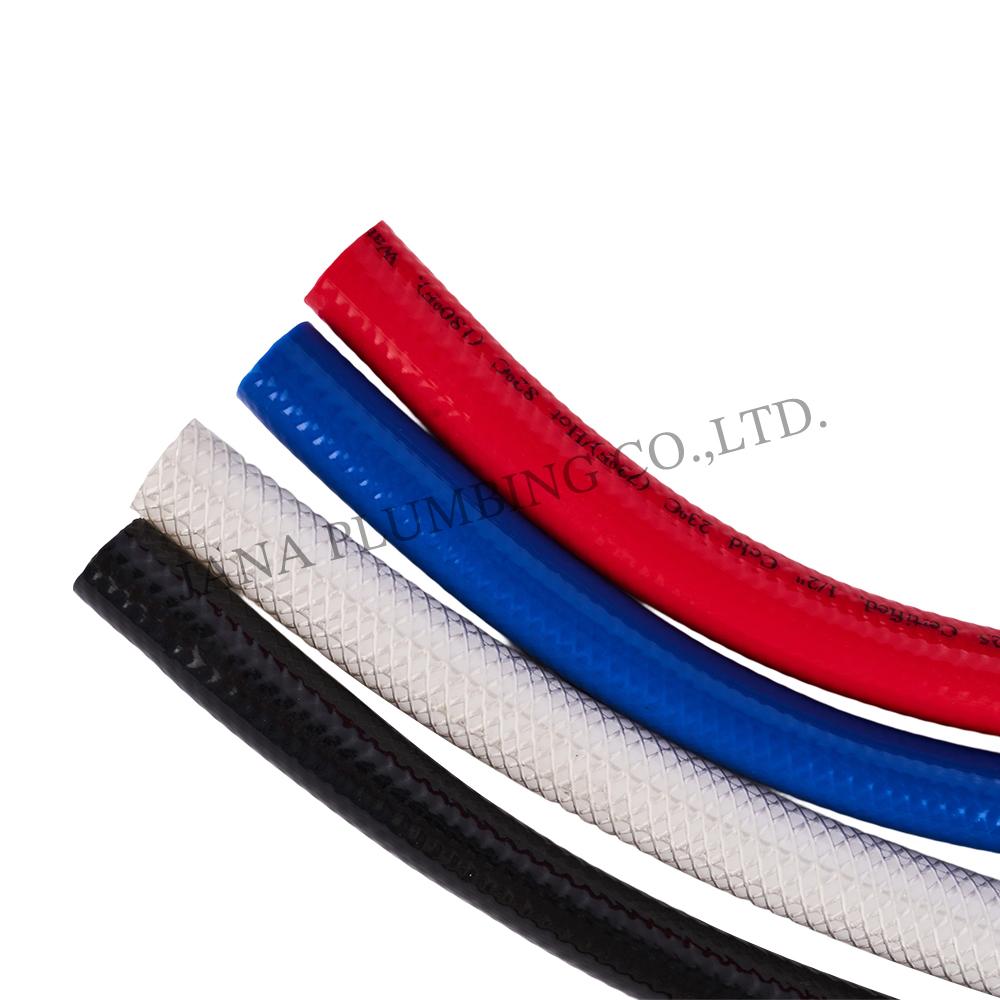
- Built Tough: Reinforced rubber and polyurethane hoses often include special internal support structures. These designs enhance kink resistance.
- Strength Inside: Wire braiding, usually with stainless steel, significantly boosts a hose's strength and durability. This internal reinforcement helps it resist kinks, especially in pressure washer applications.
- Smart Connections: Swivel fittings are a game-changer. They prevent twisting and kinking, making the hose easier to use and extending its life.
Proper Handling and Deployment Techniques
Even the best hose can kink if you do not treat it right. Proper handling is like teaching your hose good manners!
- Uncoil with Care: When you uncoil a hose, keep the coil diameter large. It should be at least 15 times the hose's inner diameter. This prevents internal stress.
- Gentle Curves: Always use a gentle, consistent coil. Avoid tight coils. Instead, let the hose form natural, loose curves.
- No Twists Allowed: Make sure the hose stays flat as you uncoil it. Twisting can cause internal damage. Hand-coiling gives you more control and helps avoid tight spots.
- Smooth Operator: Aim for smooth, gradual curves. Sharp bends weaken the material.
- Support Systems: For longer hoses, use reels or racks. They help maintain the coil shape and prevent kinks.
- Give it a Break: Do not over-coil hoses. Periodically uncoil and rotate them. This prevents permanent deformation.
- Smart Uncoiling:
- Use a Frame: Employ rotating frames. They let the coil spin freely, preventing twists and sharp bends.
- Ground Rolling: No frame? Roll the coil along the ground. Pull the end to allow natural uncoiling without twists.
- Warm it Up: In cold weather, let the hose warm up. This makes it more pliable.
- Let it Relax: After uncoiling, let the hose rest straight for several hours. This helps the material relax.
- Ergonomic Moves:
- Avoid sharp angles. Keep the hose straight.
- Use the right hose length. This reduces tangling and makes handling easier.
- Choose high-quality swivel fittings. Metal ones are best. They allow rotation and prevent twists.
- Consider a PVC pipe splitter. Slide a short PVC pipe over common kinking points, like near the spigot, for extra support.
- Swivel hose connectors allow free rotation. This prevents twists, especially for longer hoses.
Effective Storage Solutions for Your High Pressure Hose
How you store your hose makes a huge difference. Good storage is like giving your hose a cozy, safe home.
- Temperature Control: Store hoses in moderate temperatures, ideally between 50°F and 70°F. Ensure good ventilation.
- Coil Smart: Use coiling methods like the figure-eight or spiral coil. These methods prevent kinking and stress.
- Rack 'Em Up: Use horizontal or vertical racks for organized and secure storage.
- Avoid the Elements: Keep hoses away from sharp bends, direct sunlight, and heat sources.
- Clean and Dry: Always clean hoses before storage. Make sure they are completely dry. Store them away from chemicals.
- Humidity Check: Keep relative humidity below 65–70%. Use dehumidifiers if needed.
- Off the Floor: Store hoses off the floor on racks, reels, or palletized shelves. This prevents contamination.
- No Tight Coils: Do not coil hoses tighter than the manufacturer's minimum bend radius. This avoids kinks.
- Rotate and Inspect: Periodically rotate coiled hoses. This relieves stress. Inspect them for damage before installation.
- Reel Benefits: Hose reels offer many advantages:
- Convenient storage.
- Protection from kinking and damage.
- Improved water flow.
- Reduced tripping hazards.
- Extended hose life by reducing strain.
- Space-saving solutions.
- Improved safety and efficiency.
Utilizing Anti-Kink Accessories
Sometimes, a little extra help goes a long way. Anti-kink accessories are like bodyguards for your hose.
- Swivel Power: Ensure all connecting accessories, like nozzles or quick-connect fittings, can swivel freely. If a fitting gets stuck, the rotational force transfers to the hose. This causes it to twist and kink under pressure.
- Bend Restrictors: Heavy-duty bend restrictors are fantastic. They minimize stress at connection points. They also improve pressure retention and prevent leaks. Swivel fittings, often 3/8” NPT male x 3/8” NPT male, provide a reliable, leak-free seal and prevent kinks. This ensures smooth operation.
Regular Inspection and Maintenance for High Pressure Hoses
Even with the best prevention, you need to keep an eye on things. Regular checks and maintenance keep your hose in top shape.
- Look for Trouble:
- Kinks or Twists: Hoses that are twisted or kinked reduce fluid flow. They also stress the material. Ensure hoses are straight and flexible.
- Bulges or Blisters: These signal internal damage or too much pressure. Replace hoses showing deformities to prevent sudden bursts.
- External Damage: Check for abrasion, cuts, gouges, exposed wire braid, oil saturation, or chemical damage.
- How Often to Check:
- Monthly Inspections: Recommended for most applications for visual checks.
- Annual Inspections: Typically sufficient for pressure and flex testing.
- Critical Systems: Inspect daily for high-pressure systems.
- Standard Operations: Check weekly for general hydraulic systems.
- Low-Risk Systems: Monthly inspections work for auxiliary systems.
- Environmental Factors: Inspect more often if the hose operates in extreme temperatures, abrasive environments, or with chemical exposure.
- Cleanliness is Key:
- Clean the exterior weekly with mild soap and water. This removes dirt.
- For interior cleaning, use appropriate solutions. Follow manufacturer instructions.
- Ensure the hose is completely dry before storage.
- Preventing Kinking Through Maintenance:
- Understand the hose's bend radius. Never exceed it.
- Utilize anti-kink accessories.
- Train everyone on proper hose handling techniques.
- When storing, coil hoses loosely.
- Lubrication: Apply specialized lubricants to moving parts of hose reels. This includes reel bearings and brake mechanisms. Lubricate after cleaning and during scheduled maintenance.
Addressing High Pressure Hose Kinks When They Occur
Even with the best prevention, sometimes a kink just happens. It is like a surprise party you did not ask for! When a kink appears, knowing what to do next can save you from bigger headaches and even danger.
Safely Managing a Live Kink
Imagine you are in the middle of a big job, and suddenly, your hose decides to tie itself in a knot. A "live kink" means the hose is under pressure. This situation needs careful handling. First, do not panic! Your immediate goal is to relieve the pressure safely. Turn off the water supply or the hydraulic pump feeding the hose. This stops the flow and reduces the internal pressure. Once the pressure is gone, you can gently try to straighten the kink. Never force it! Forcing a kink under pressure can cause the hose to burst, which is incredibly dangerous. After you straighten it, inspect the area carefully. Look for any signs of damage like bulges, cracks, or flattened sections. If you see any damage, it is time to consider the next step.
Repairing vs. Replacing Kinked Hoses
So, you have a kinked hose. Can you fix it, or does it need to go? This is a crucial question for safety and efficiency. For safety reasons, people generally replace hydraulic hoses rather than repair them. The only potential exception for repair involves cutting off a damaged section and re-ending the hose. However, this only works if the remaining hose is in excellent condition and still meets the required length specifications.
Kinks in a hose assembly are a big red flag. They are a visual cue indicating incorrect routing and signify that the hose has reached the end of its service life. It must be replaced. Flattened or kinked hoses, often caused by improper routing or excessive movement, restrict fluid flow. They also weaken the hose over time, clearly indicating a need for replacement. Kinks or crushed sections in a High Pressure Hose create flow restrictions and weak points. Even if a kinked hose appears to be working, the damaged areas will fail sooner than expected. This makes replacement absolutely necessary. Trying to repair a kinked section often creates a weak spot that will fail again, possibly at a critical moment. It is much safer and more cost-effective in the long run to replace a kinked hose with a new one. Think of it as giving your system a fresh start!
Implement these smart strategies. They significantly reduce or eliminate high-pressure hose kinking. This ensures much safer operations for everyone. It also extends the lifespan of your valuable equipment. You will achieve consistent performance and efficiency in all your tasks. Invest in these right practices today. This guarantees a truly kink-free future.
FAQ
Why do hoses kink?
Hoses kink when they bend too sharply. Poor material, twisting, or pulling on the hose also causes kinks. High pressure makes hoses stiffer and more prone to folding.
Can you fix a kinked hose?
You should replace a kinked hose. Kinks create weak spots and restrict flow. Repairing them is unsafe and often leads to more problems. Safety first! ⚠️
What is the best way to store a hose?
Store hoses loosely coiled on a reel or rack. Keep them in moderate temperatures. Clean and dry them before storage. This prevents damage and kinks.
