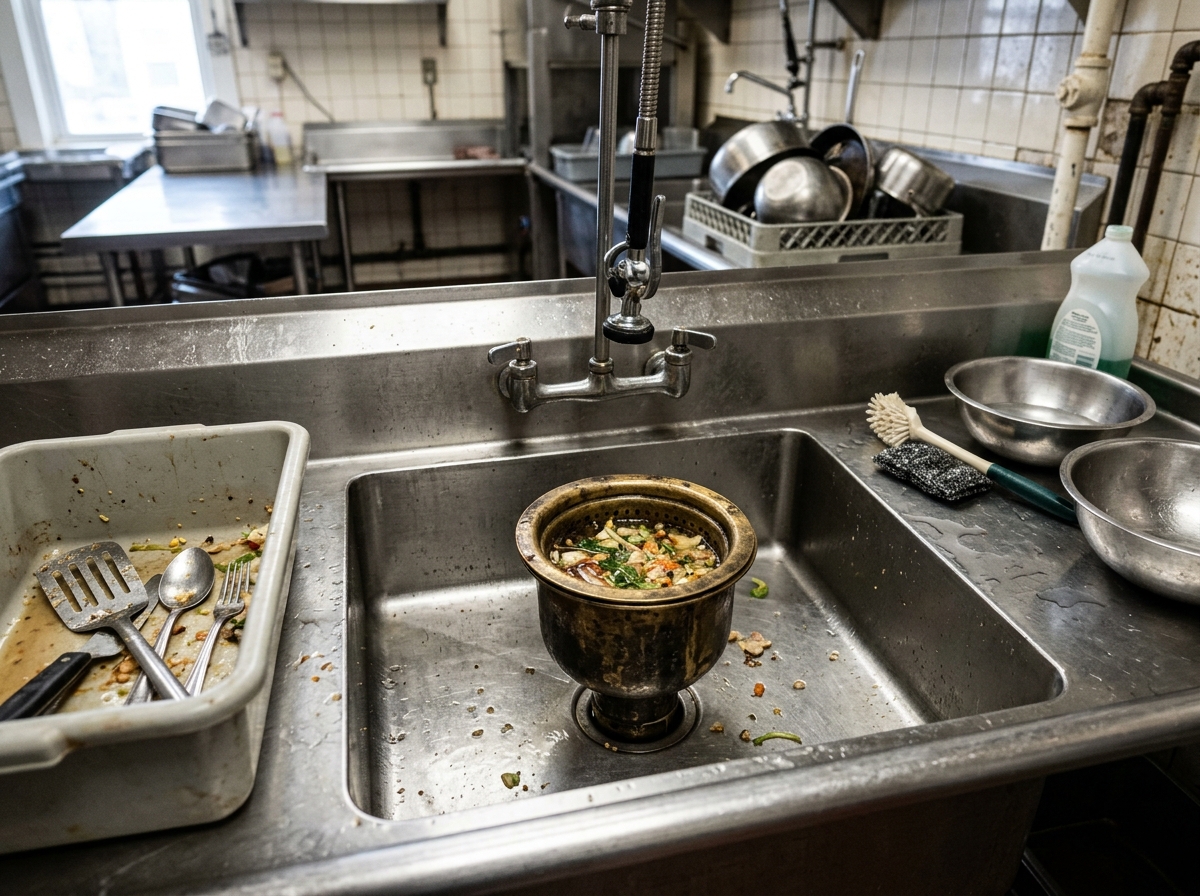
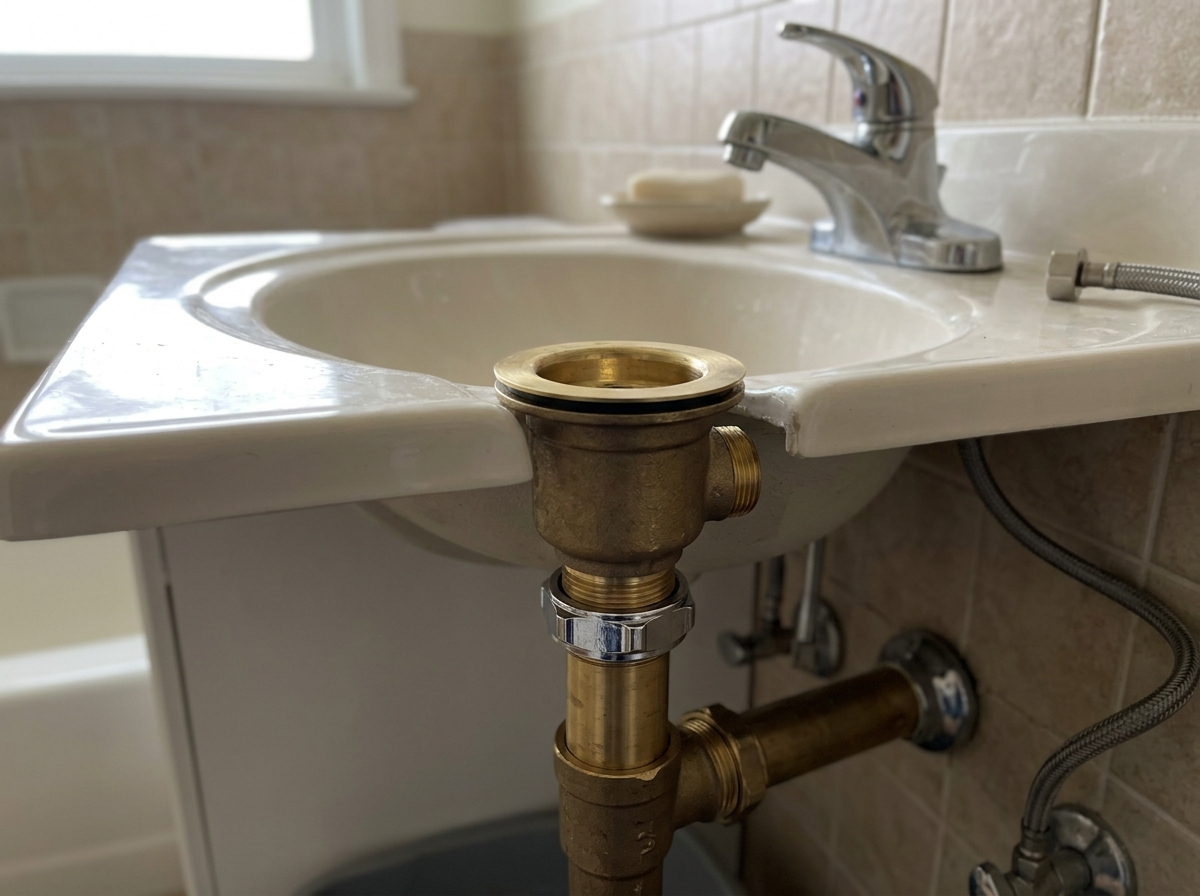
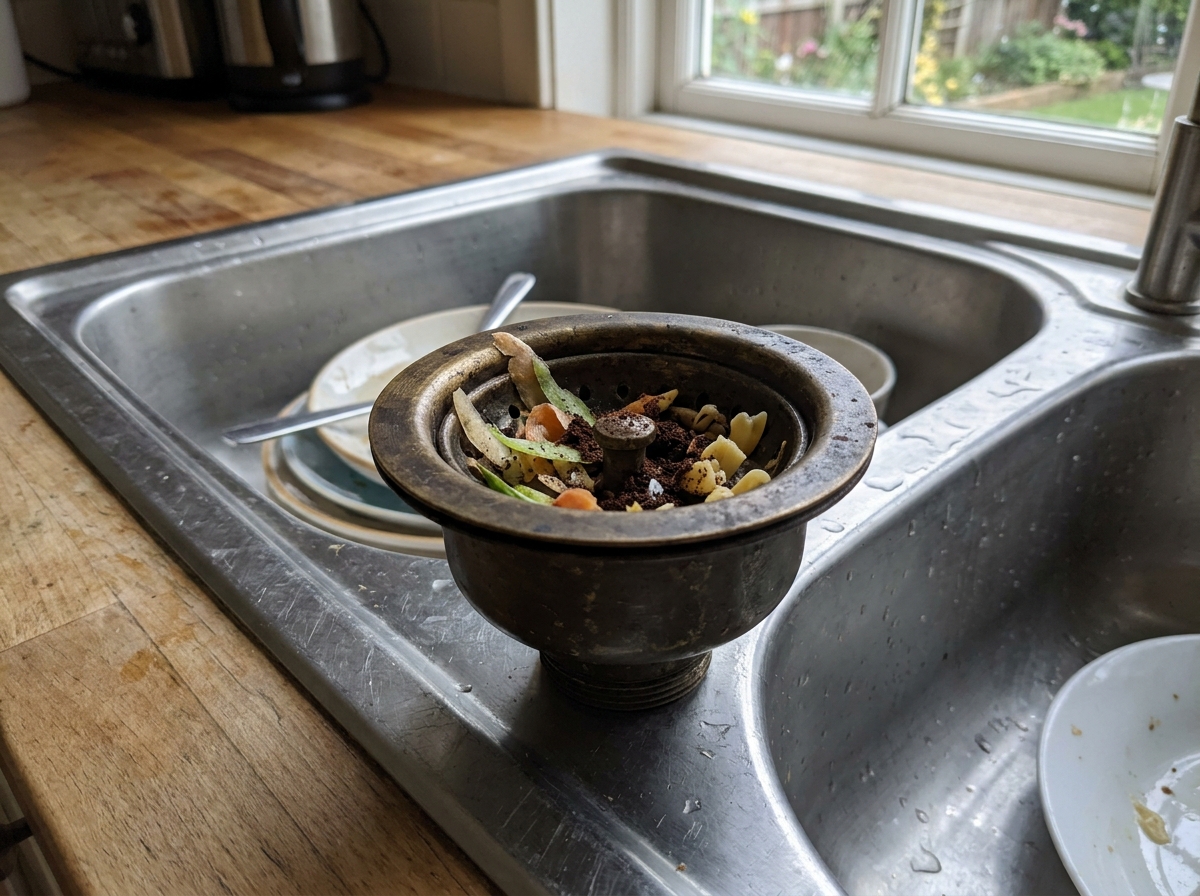
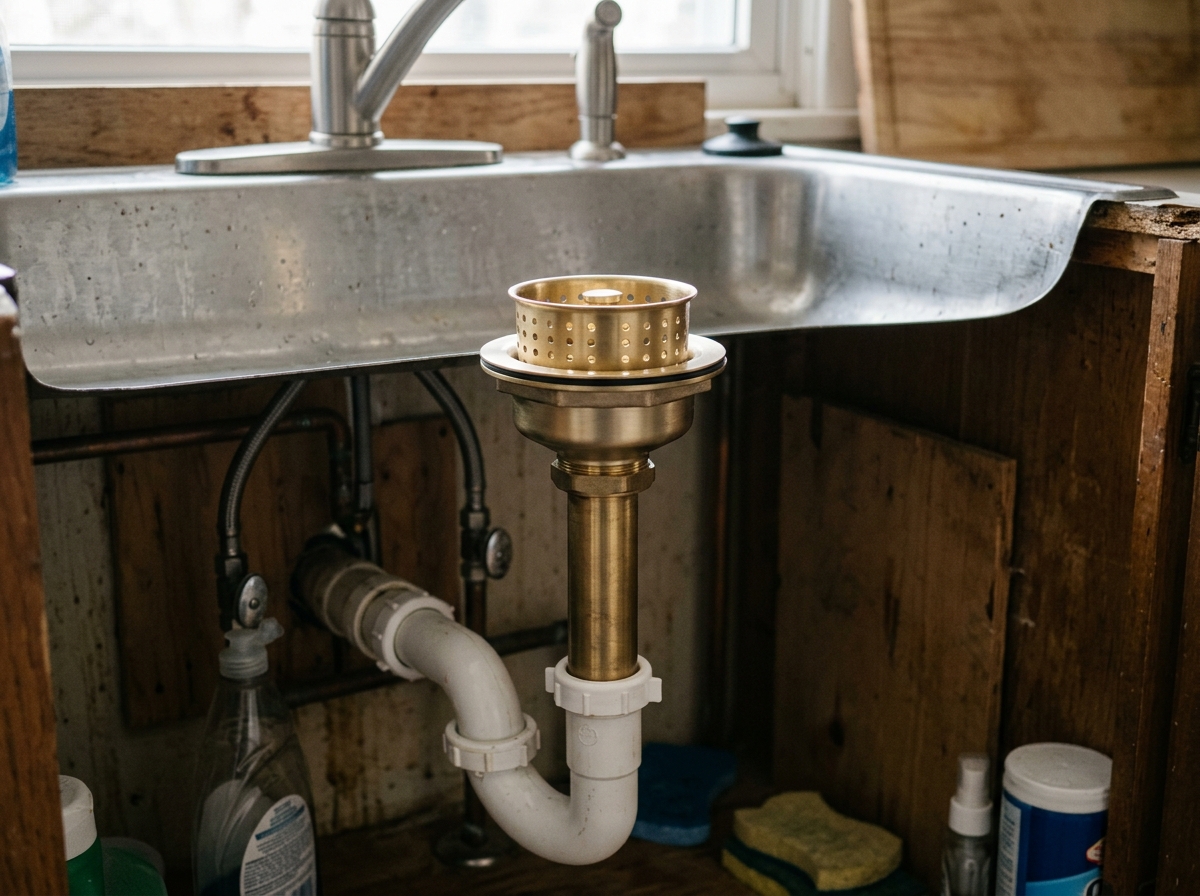
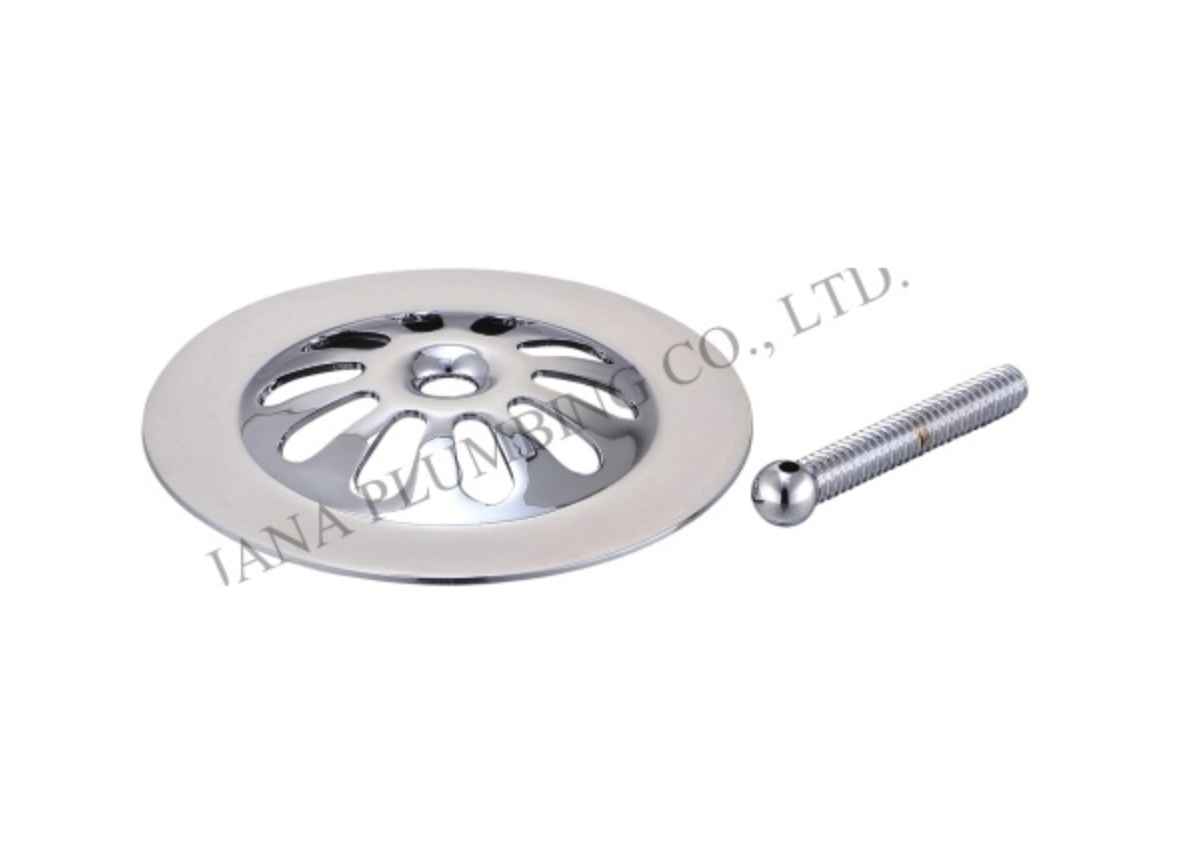
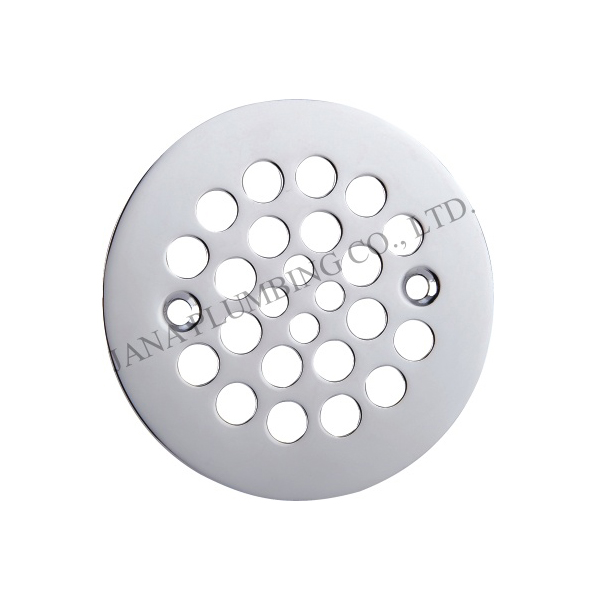
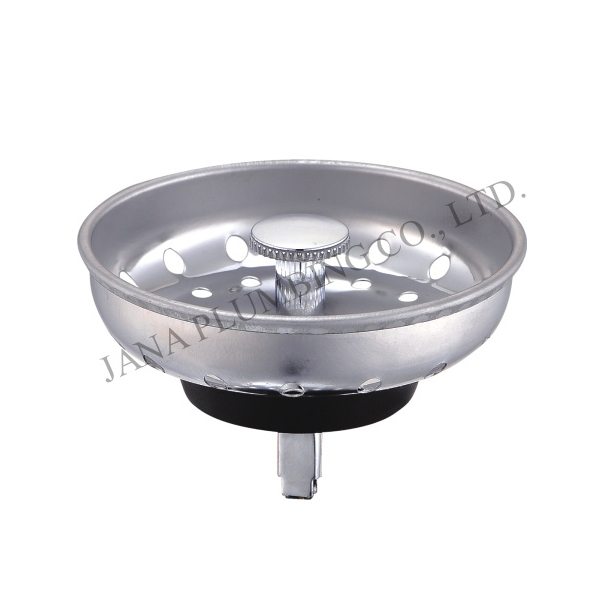
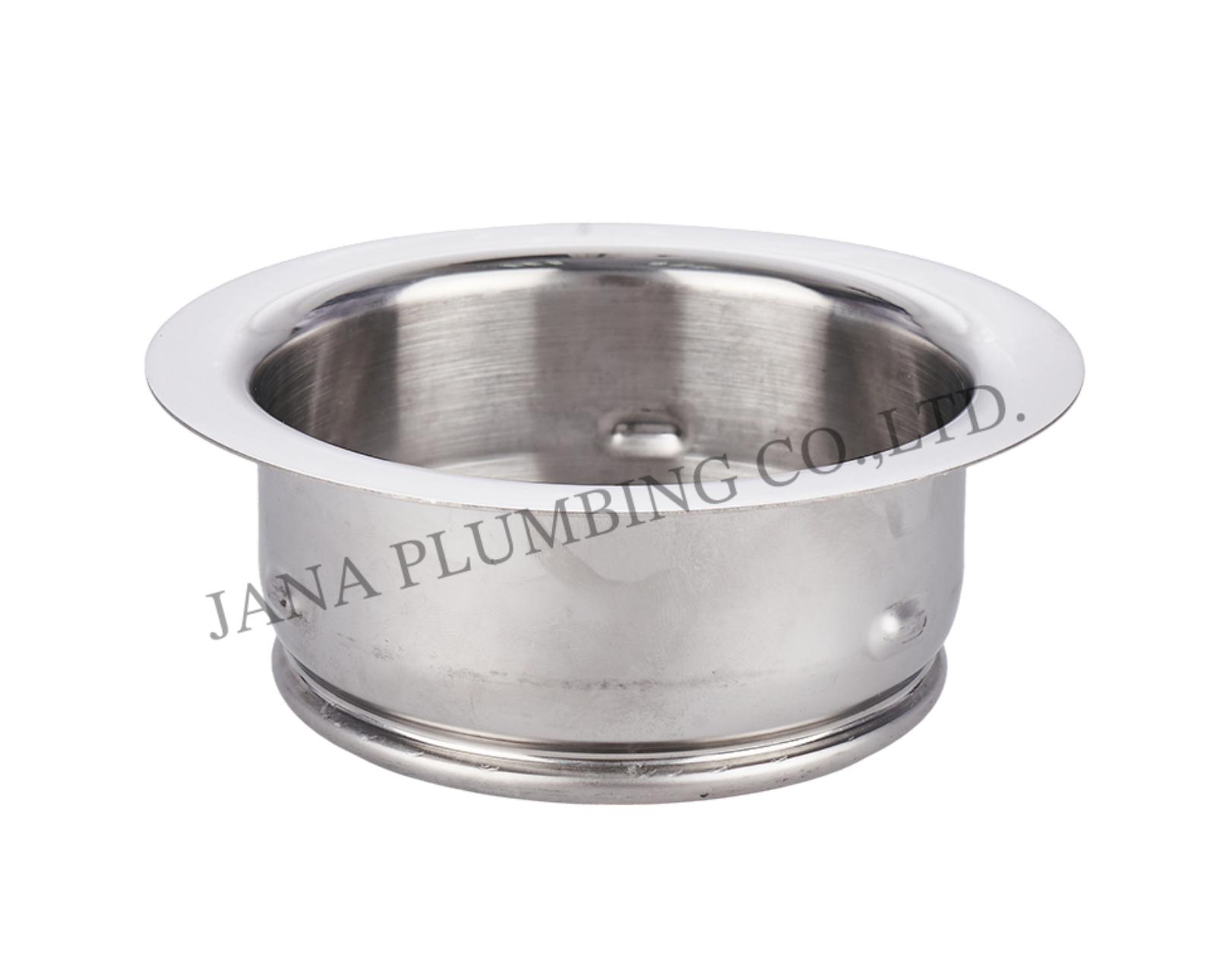
Smart choice: Brass ensures your 4-1/2" OD Snap-in Strainer Grid endures
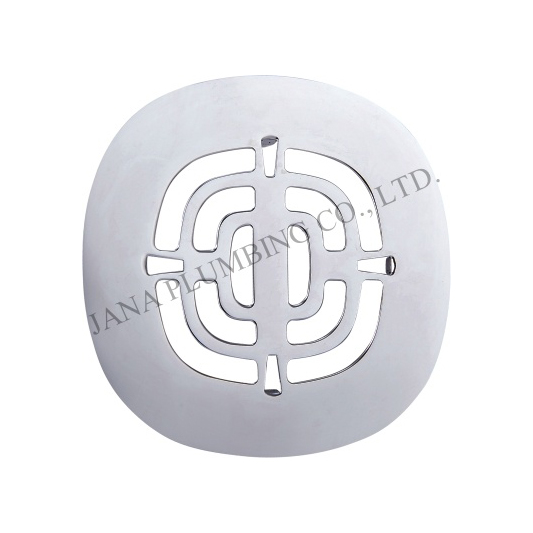
Brass makes a 4-1/2" Od Snap-In Strainer Grid last a long time. Its natural qualities fight off rust, wear, and bending like a champion. This makes brass the best choice for long-lasting reliability. It performs well even in the most demanding environments, ensuring consistent operation.
Key Takeaways
- Brass makes your strainer grid last a long time. It fights off rust, wear, and bending better than other materials.
- Choosing brass saves you money over time. You will not need to replace your strainer grid often because it is so strong.
- Brass works better than plastic or stainless steel for strainer grids. It handles tough conditions and keeps its shape.
The Unmatched Durability of Brass for Your 4-1/2" OD Snap-in Strainer Grid
Why material choice is critical for 4-1/2" OD Snap-in Strainer Grid longevity
Choosing the right material for a 4-1/2" OD Snap-in Strainer Grid is like picking the perfect superhero for a tough mission. This small but mighty part faces constant battles. It deals with water, debris, and sometimes harsh chemicals every single day. A weak material gives up too soon. It leads to early breakdowns, annoying replacements, and even damage to your whole system. A smart material choice, however, ensures the strainer grid lasts a long, long time. It keeps everything running smoothly and saves you headaches.
Common challenges faced by 4-1/2" OD Snap-in Strainer Grids
Strainer grids lead a tough life. They constantly fight off several enemies. First, corrosion tries to eat them away. Water, cleaning chemicals, and minerals in hard water all attack metal surfaces. Second, wear and tear happens. Debris scrapes against the grid, and water flow slowly erodes it. Third, deformation can occur. Pressure changes, shifts in temperature, or accidental bumps can bend or break weaker materials. A good strainer grid must stand strong against all these challenges.
Compositional advantages of brass: copper and zinc synergy
Brass is not just one metal; it is a clever team-up of copper and zinc. This partnership creates a material far stronger than its individual parts. Copper brings its amazing ability to resist corrosion and its flexibility. Zinc, on the other hand, adds toughness and hardness to the mix. Together, they form a super material. Different brass types offer specific benefits based on their copper and zinc ratios.
- Red Brass (85/15 Brass): This type contains 85% copper and 15% zinc. It offers excellent corrosion resistance, making it a top choice for plumbing parts.
- Cartridge Brass (70/30 Brass): With 70% copper and 30% zinc, this brass works well in many plumbing fittings because it resists corrosion so effectively.
- Naval Brass: This blend has about 60% copper, 39% zinc, and a tiny bit of tin. It stands up to corrosion even in harsh marine environments, making it great for fittings.
- DZR Brass (Dezincification Resistant Brass): This special brass includes specific elements. They help it fight dezincification, a type of corrosion. This makes it perfect for plumbing fittings and valves.
Inherent corrosion resistance of brass in demanding environments
Brass naturally fights off rust and other forms of corrosion. It forms a protective layer, called a patina, on its surface. This layer acts like a shield, guarding the metal underneath from further damage. This means brass performs wonderfully in all sorts of water conditions. It handles hard water, treated water, and even water with various chemicals. Other metals might rust or fall apart quickly, but brass stands firm. It keeps its integrity, even when things get tough.
Superior mechanical properties for 4-1/2" OD Snap-in Strainer Grid performance
Brass brings a whole host of impressive physical traits to the table. It possesses great strength. This means it can handle impacts and pressure without breaking. It also shows excellent ductility and malleability. Manufacturers can precisely form brass into complex shapes, like the snap-in design of the 4-1/2" OD Snap-in Strainer Grid, without making it brittle. Its hardness helps it resist scratches and wear from debris. Plus, brass maintains its shape and strength across a wide range of temperatures. This temperature stability means it will not deform or fail when things get hot or cold. These superior properties ensure the strainer grid performs reliably, day in and day out.
Direct Benefits and Long-Term Value of Brass 4-1/2" OD Snap-in Strainer Grids
Extended lifespan and reduced replacement frequency
Brass is a true champion of endurance. It resists the daily grind of water flow and debris. This means your strainer grid lasts much longer than alternatives. You will not need to replace it often. Think of the time and effort saved! Fewer trips to the hardware store and less fiddling under the sink make everyone happy. It is like having a trusty guard dog that never gets tired. 🐕
Maintaining structural integrity of your 4-1/2" OD Snap-in Strainer Grid
A brass 4-1/2" OD Snap-in Strainer Grid holds its shape like a seasoned athlete. It does not warp or bend under pressure. This strong structure ensures it keeps filtering effectively, day after day. You can count on it to catch unwanted particles consistently. Its robust nature prevents unexpected failures. This reliability keeps your plumbing system running smoothly.
Enhanced aesthetic appeal and finish retention
Brass brings a touch of elegance to any setting. Its natural golden luster looks fantastic. This beautiful finish does not fade or tarnish easily. It maintains its shine, even in damp environments. A brass strainer grid adds a subtle, classy detail. It shows attention to quality in every corner of your home or business. ✨
Long-term value and total cost of ownership for brass 4-1/2" OD Snap-in Strainer Grids
Investing in brass pays off big time. Its initial cost might seem higher. However, its incredible durability means you spend less over the years. You avoid frequent replacements and costly repairs. This long-term saving makes brass a smart financial choice. It offers excellent value, proving its worth with every passing year.
Peace of mind through reliability and consistent performance
Choosing brass gives you true peace of mind. You know your strainer grid will perform its job without fail. No worries about unexpected clogs or system damage. It works quietly and efficiently in the background. This consistent performance allows you to focus on other things. It is a small part, but it delivers huge confidence.
Why Brass Outperforms Alternatives for 4-1/2" OD Snap-in Strainer Grids
Plastic: susceptibility to degradation and heat deformation
Plastic often seems like a good idea. It is light and usually costs less. However, plastic has a secret weakness. It cannot handle tough conditions. Over time, chemicals in water or even sunlight can make plastic weak and brittle. It starts to crack and fall apart. Heat is another big enemy for plastic. A strainer grid needs to stay strong in hot water. Different plastics have different breaking points:
| Plastic Type | Deformation/Softening Temperature |
|---|---|
| Polycarbonate (PC) | Over 140°C |
| PEEK | Exceeding 250°C |
| PLA (Polylactic Acid) | Lower (softens/deforms at elevated temperatures) |
Imagine a plastic strainer grid losing its shape in hot water. It would stop catching debris. This means trouble for your pipes. Brass, on the other hand, laughs at high temperatures. It keeps its perfect form, ensuring your 4-1/2" OD Snap-in Strainer Grid works perfectly every time.
Stainless Steel: vulnerability to specific corrosion in certain conditions
Stainless steel sounds strong, right? It often resists rust very well. But even stainless steel has its Achilles' heel. Certain harsh conditions can make it vulnerable. For example, high chlorine levels, like those found in some cleaning products or treated water, can attack it. Acidic cleaners also cause problems.
Crevice corrosion happens in small hidden spaces. Oxygen gets used up there. High chlorine and low pH then destroy the protective film on the steel. Stagnant water, like brine solutions rich in chlorides, makes this worse. This creates tiny batteries that speed up corrosion.
Stainless steel's protective layer can break down. This leads to tiny holes, called pitting. This happens a lot in places with high chloride. Think of evaporated saltwater droplets. Crevice corrosion also starts when this film breaks. This is especially true in tight spots where seawater gets trapped. The local environment becomes very aggressive.
Here are some conditions that make stainless steel more likely to corrode:
- Higher chloride content
- Higher temperatures
- Lower pH (acidic conditions)
Different grades of stainless steel offer varying levels of protection:
| Grade | Application/Property |
|---|---|
| 304 Stainless Steel | Provides excellent corrosion resistance for filtering applications in food, chemical, and pharmaceutical industries. |
| 316 Stainless Steel | Offers varying degrees of corrosion resistance and strength. |
| SS430 | Magnetic properties similar to carbon steel, but with higher corrosion resistance. |
Even common grades have limits:
| Grade | Key Properties & Limitations |
|---|---|
| 304 Stainless Steel | Most common in wire weaving; excellent corrosion properties; withstands temperatures up to 1100°F. |
| 304L Stainless Steel | Similar to 304SS but with lower carbon content for improved welding. |
| 316 Stainless Steel | Similar to 304SS but includes Molybdenum for increased resistance to chemical corrosion. |
| 316L Stainless Steel | Similar to 316SS but with lower carbon content for improved welding. |
| 430 Stainless Steel | Magnetic properties like carbon steel but with much higher corrosion resistance; commonly used in food processing. |
Brass, with its natural corrosion resistance, often handles these tough environments better. It does not rely on a delicate protective film.
Other metals: cost versus performance trade-offs
Many other metals exist, but they often involve trade-offs. Some might cost less upfront. However, they usually do not perform as well or last as long. Take chrome-plated zinc alloy, for example. It might look shiny at first.
- Chrome-plated zinc alloy chips easily.
- It can corrode when touching other metals.
- It does not last long under heavy use.
- It works best indoors or in places with little exposure. It is not good for constant outdoor use.
Zinc alloys are not recommended for busy commercial places. They only last about 3-5 years. Brass alloys machine well. They need plating in areas with chemical exposure. This shows brass is more durable than zinc alloy when treated right. Stainless steel (304 and 316) offers even better corrosion resistance in high-moisture environments. It lasts over 15 years. This means stainless steel is more durable than both brass and zinc alloy in those specific conditions.
Brass strikes a perfect balance. It offers excellent durability and performance without the high cost or specific vulnerabilities of other materials. It gives you the best of both worlds.
Choosing brass for your 4-1/2" OD Snap-in Strainer Grid is a smart decision. It directly translates to superior durability. You get an extended lifespan and reliable performance. This makes it the definitive choice for enduring quality. Brass ensures your system works well for years.
FAQ
Why does brass last longer than plastic for strainer grids?
Brass resists corrosion and heat. It does not degrade or deform like plastic. This makes brass a much more durable choice for long-term use.
Does a brass strainer grid save money over time?
Yes, it does! Brass lasts much longer. This means fewer replacements. You save money on new parts and installation costs in the long run.
Is a brass strainer grid hard to maintain?
Not at all! Brass maintains its integrity. It resists clogs and corrosion. This means less cleaning and fewer worries for you.