


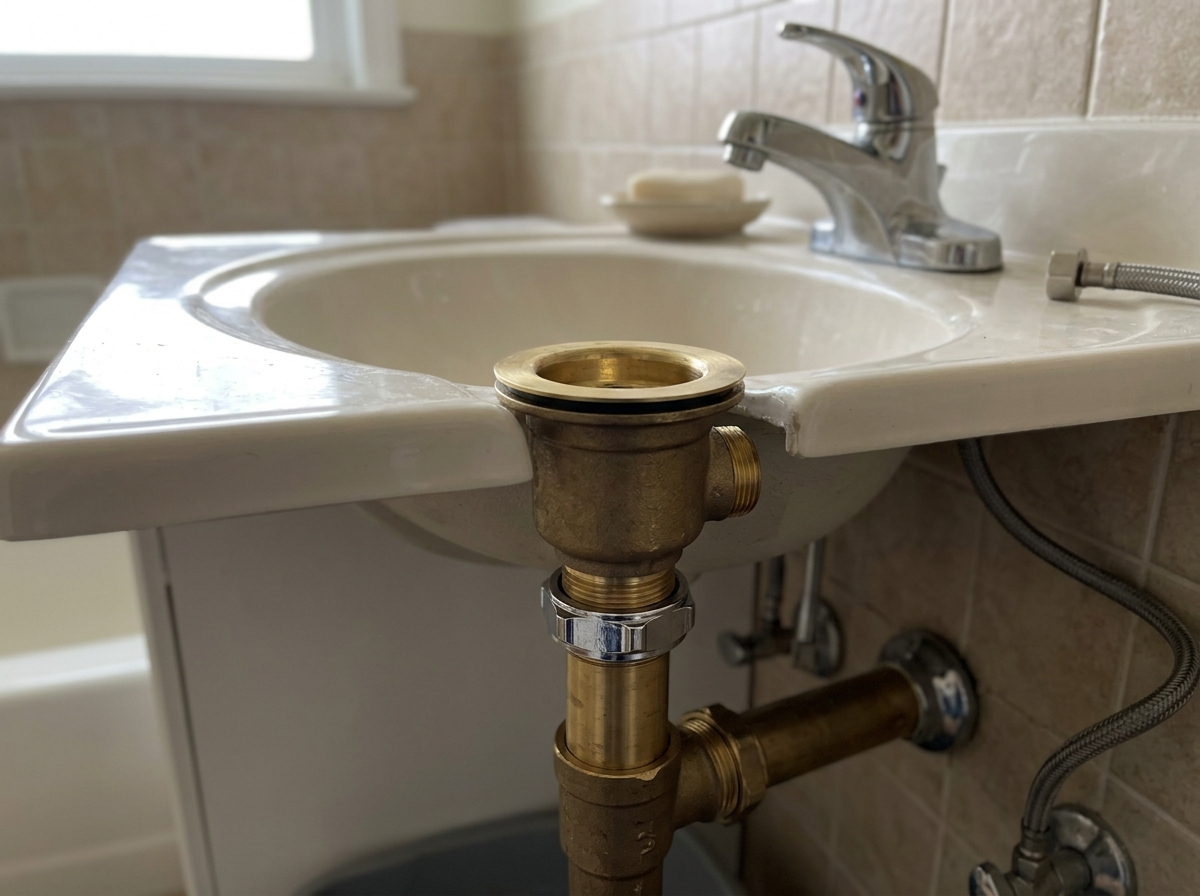
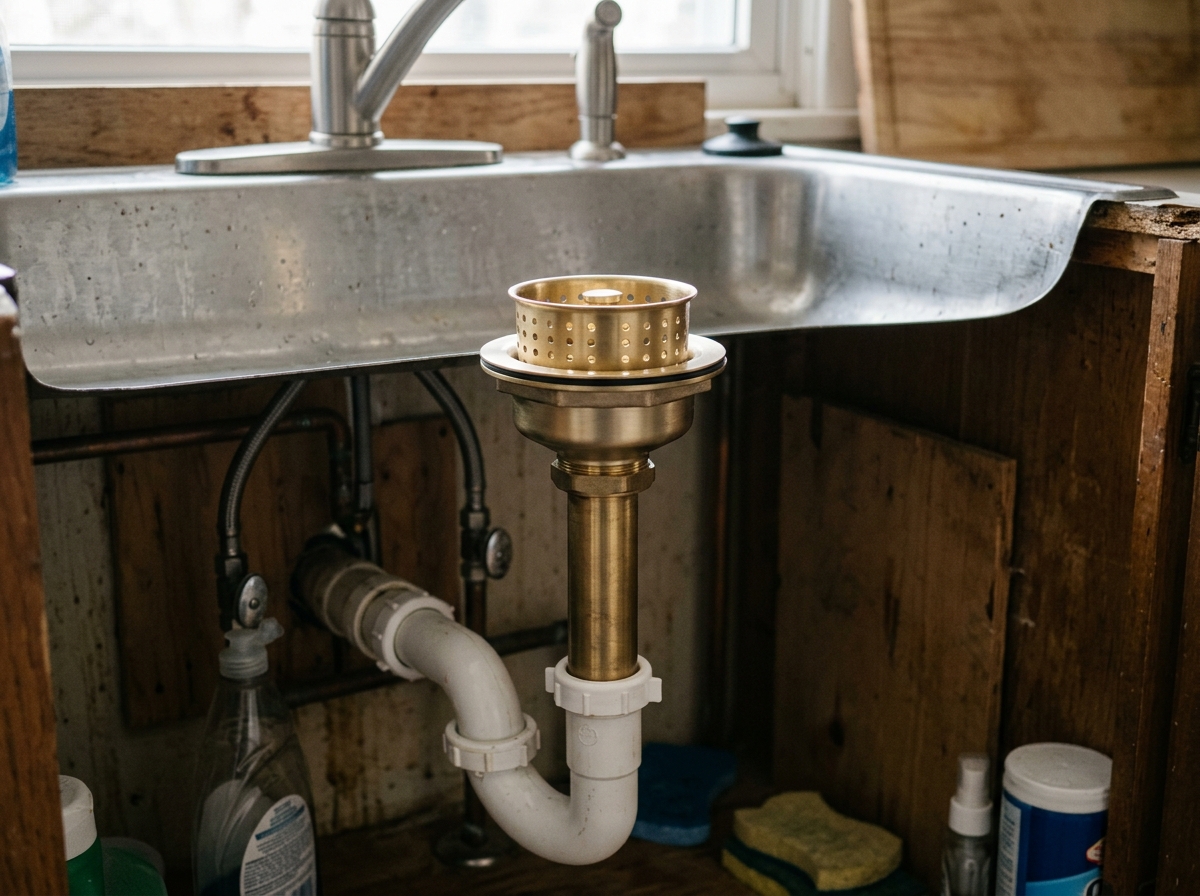


Rusted toilet flange woes? Discover the ultimate metal adjustable closet flange solution!

Rusted toilet flanges create frustrating messes. Permanently fix these issues with a definitive solution. A Metal Adjustable Closet Flange prevents future leaks and instability. It is the best choice for a secure, lasting toilet installation. This ensures a stable, leak-free bathroom.
Key Takeaways
- A wobbly toilet or water stains mean your toilet flange needs attention. Ignoring it can cause mold and bad smells.
- A Metal Adjustable Closet Flange is very strong. It lasts over 100 years and stops rust and leaks.
- This metal flange works with many toilet and pipe types. It makes a tight seal for a stable, leak-free toilet.
Identifying and Addressing Rusted Flange Issues
Signs Your Toilet Flange Needs Attention
A wobbly toilet often signals trouble. You might notice your toilet rocking back and forth. This movement suggests a loose or damaged flange underneath. Water stains around the toilet base also point to a problem. These leaks can lead to bigger issues. Prolonged toilet flange leaks cause water damage. This damage then creates mold and mildew growth. These growths pose significant health risks to people in the home. Ignoring a broken toilet flange can result in mold growth due to water leaks. Also, escaping sewer gases present potential health hazards. A strange, persistent odor in the bathroom could mean sewer gases are escaping. This happens because the seal is broken.
Assessing the Extent of Flange Damage
Once you suspect a problem, you need to look closely. Carefully remove the toilet to inspect the flange. Look for cracks or breaks in the ring. Rust or corrosion, especially on metal flanges, is a clear sign of damage. The flange should be level with or on top of the finished floor. An improper height can cause leaks. Also, check for any signs of water damage or previous leakage around the area. If the flange or ring has minor damage, or if the flange sits below floor level, a repair might work. This often involves adjusting its height. However, if the flange is badly damaged or corroded, replacement is the best option. A thorough inspection helps you decide the right course of action.
The Superiority of a Metal Adjustable Closet Flange
Unmatched Durability and Longevity
Imagine a toilet flange that stands the test of time. A Metal Adjustable Closet Flange offers incredible strength. It resists the common enemies of plumbing: rust and corrosion. This means fewer worries about future repairs. When you choose a metal flange, you invest in lasting peace of mind.
Consider the typical lifespan of different materials. PVC flanges might last 20-40 years. ABS flanges offer a longer run, often 50-80 years. Cast iron, a classic choice, can endure for 70-100 years. But stainless steel, a common material for metal adjustable closet flanges, often lasts over 100 years. This chart shows the impressive difference:
| Material | Typical Lifespan |
|---|---|
| PVC | 20-40 years |
| ABS | 50-80 years |
| Cast Iron | 70-100 years |
| Stainless Steel | 100+ years |

This superior lifespan means you replace your flange less often. It saves you time, effort, and money in the long run.
Versatility for Various Toilet and Pipe Types
A Metal Adjustable Closet Flange is a true chameleon of plumbing. It adapts to many different situations. This versatility makes it a top choice for both new installations and tricky renovations.
Many metal adjustable closet flanges are made of PVC or ABS. These materials are popular for new setups and replacements. They are durable and easy to work with. They also fit standard toilets. Some PVC and ABS flanges even include a durable metal ring for extra strength and adjustability. These metal rings can be stainless steel, metal, or plastic. For example, a 4" DWV PVC Closet Flange with an Adjustable Metal Ring is made of PVC.
Older homes often feature cast iron flanges. These are very reliable for heavy-duty use. If you need a replacement, options exist for repairing broken cast iron flanges. Brass flanges also appear in older homes, especially with lead bends. Brass replacement rings are available for repairs. You can also use replacement flanges for Brass Toilet Flanges. This wide compatibility ensures a smooth installation, no matter your existing pipe system.
Ensuring a Secure, Leak-Proof Connection
A secure connection is the heart of a leak-free toilet. A Metal Adjustable Closet Flange excels at this crucial task. It creates a tight seal that prevents water from escaping.
One key feature is the included rubber gasket. This gasket creates a tight and leak-proof seal. It sits between the closet flange and the toilet. This simple component prevents water leaks and potential damage to your floor.
Many issues can cause toilet flange leaks, even after installation. These include a cracked or broken flange from wear or pressure. Improper installation can also create gaps. A wax ring might fail over time or be seated incorrectly. Older metal flanges can corrode from water exposure, creating weak points. Loose or rusted bolts also compromise the seal. Finally, uneven flooring can prevent the toilet from sitting flush. A well-designed Metal Adjustable Closet Flange helps avoid these common problems. Its robust construction and adjustable nature ensure a snug fit. This means a stable toilet and a dry bathroom floor for years to come.
Step-by-Step Installation of Your New Metal Adjustable Closet Flange
Essential Tools and Preparation
Before you begin, gather your tools. A successful repair starts with the right equipment. You will need a measuring tape and a putty knife. These help remove the old wax ring. Grab flathead and Phillips screwdrivers. An adjustable wrench and a socket set are also useful. A hacksaw helps cut old bolts. For more stubborn flanges, consider a hacksaw or a reciprocating saw. An oscillating multi-tool or an inside pipe cutter can also help. A cold chisel and a mini-sledgehammer might be necessary. Pry bars and locking pliers (Vise-Grips) assist with prying and gripping. For toilet removal, channel-lock pliers work well for bolt nuts. If you face rusted no-hub flanges, a reciprocating saw with a metal-cutting blade is ideal. For cast iron hub and spigot flanges, a drill with a metal bit, a cold chisel, a small sledgehammer, and a screwdriver or pick are useful. Lead bend flanges often require a hacksaw or reciprocating saw. If screws are stripped, a screw extractor kit or multi-tool comes in handy. For spinning bolts, a wrench and hacksaw are effective. If flanges are glued to the top of the pipe, a chisel or oscillating multi-tool helps. For completely rusted cast iron flanges, an angle grinder with a metal-cutting wheel or a reciprocating saw works best.
Safety first! After removing the toilet, plug the open pipe. Use old rags to prevent sewer gases from escaping. Wear latex gloves during the job. Wash your hands thoroughly afterward. Be careful with the drill angle when making holes for the flange. Avoid breaking the sewer pipe's top lip. This prevents costly repairs or replacement.
Removing the Compromised Flange
Removing the old flange can be a dirty job. First, turn off the water supply to the toilet. Flush the toilet to empty the tank and bowl. Disconnect the water supply line. Remove the nuts from the toilet bolts at the base. Gently rock the toilet to break the wax seal. Lift the toilet and set it aside. Place it on old towels or newspaper to catch any drips.
Now, tackle the old flange. If it is a PVC or ABS flange, you might cut it out. Use a reciprocating saw or an oscillating multi-tool. For severely corroded or seized flanges, consider professional help. A plumber ensures the job is done correctly. For cast iron flanges, place the tip of a cold chisel on the top ring. Position it away from the central hub. Strike the chisel firmly with a small sledgehammer. Reposition the chisel and strike again. Work your way around the ring until it cracks. Pry the pieces out. The goal is to shatter the flange ring. Avoid cracking the main drain pipe hub below it. This requires controlled force and patience. After removing the flange, clean the drain pipe opening. Ensure the drain pipe is clean, dry, and the correct size (typically 3 or 4 inches). Measure and cut the pipe to the desired height. Chamfer and deburr the pipe. This ensures a strong connection. Remove all old putty residue. Allow the area to dry completely.
Installing the Metal Adjustable Closet Flange
Now, install your new Metal Adjustable Closet Flange. This product offers a superior solution. It revolutionizes your toilet installation process. This innovative product provides a secure and adjustable connection. It ensures both durability and stability. The JN-1602 is crafted from high-quality metal. It resists rust and corrosion. This prevents common issues that plague many plumbing components.
Place the new flange over the drain pipe. Align the bolt slots with the toilet bolt holes. The adjustable feature simplifies installation. It guarantees perfect alignment. This adaptability accommodates various floor conditions and toilet models. It is a versatile choice for new installations and renovations. Secure the flange to the subfloor. Use rust-proof screws, such as stainless steel or brass. Avoid standard steel or drywall screws. They corrode when exposed to moisture. This leads to a loose flange and a wobbly toilet. The JN-1602 is exceptionally versatile. It works with both PVC and ABS closet flanges. Its adaptable nature integrates seamlessly with these materials. It provides a secure and leak-proof connection.
Reinstalling Your Toilet for Stability
With the new flange in place, reinstall the toilet. Place a new wax ring onto the bottom of the toilet. Carefully lower the toilet onto the flange. Align the toilet bolts with the holes in the toilet base. Press down firmly to create a good seal with the wax ring. Install the washers and nuts onto the toilet bolts. Tighten them evenly. Do not overtighten. This can crack the toilet base.
Do not assume that simply tightening loose bolts fixes a rocking toilet. Immediately check for water damage. Tightening bolts without investigation hides serious issues. These include a failed wax ring seal. This leads to hidden water leaks and damage to the subfloor and joists. Periodically check and tighten the closet bolts to keep them secure. Reconnect the water supply line. Turn on the water.
Inspect for leaks, loose supply fittings, and a rocking bowl. Check the supply line and shutoff valve for drips. Confirm the tank-to-bowl gasket and tank bolts are sealed. Test the flush and fill valve operation. Ensure the bowl refill tube feeds the overflow. Verify the wax ring or flange is seated correctly. Check newly applied caulk for seepage. Use a paper towel to find drips. Run multiple flush cycles. Perform a pressure recheck to catch intermittent leaks. Flush the toilet multiple times. Confirm a full refill cycle and stable bowl water level. Watch carefully at the base where the toilet meets the floor. Look for any signs of water seepage. Feel around the closet flange area with a dry paper towel. Detect small leaks. Check the supply line connection and shut off valve for dripping. Do this during and after flushes. Tighten slightly if needed. Do not overtighten plastic fittings. Sit on the closed lid or push gently against the bowl. Test for movement or instability. Retorque the floor bolts if there is any wobble. Replace washers or use a longer bolt if the flange is damaged. Verify that the tank bolts and gasket are dry. Place a clean paper towel under the tank while another person flushes. Add a few drops of food coloring to the tank. Wait 10 minutes. Ensure no colored water appears in the bowl. This indicates a faulty flapper or internal leak.
A Metal Adjustable Closet Flange offers lasting benefits. It ensures a stable, leak-free toilet installation. This superior solution keeps bathrooms dry and secure. Homeowners can confidently complete this reliable DIY repair. They achieve a long-lasting, worry-free toilet setup.
FAQ
How often do people need to replace a toilet flange?
A well-installed metal adjustable closet flange can last for many decades. It often outlives the toilet itself! Regular checks help ensure its longevity. 🚽
Can a homeowner replace a toilet flange by themselves?
Yes, many homeowners successfully replace a toilet flange. The blog provides a step-by-step guide. With the right tools and patience, it is a manageable DIY project. 💪
What if the subfloor around the flange is damaged?
Damaged subfloors need repair before flange installation. Water damage can weaken the floor. Replace rotten wood to ensure a stable base for the new flange. 🛠️
