Is Your Slow-Draining Kitchen Sink Caused by a Simple Strainer Basket?
Is your kitchen sink draining slowly or completely clogged? A humble Kitchen Sink Strainer Basket often acts as the overlooked hero or villain behind many common drainage issues. Discover how this simple device holds the key to solving your kitchen sink drainage problems.
Key Takeaways
- Your kitchen strainer basket is important. It stops food from clogging your sink.
- Clean your strainer basket every day. This keeps your sink draining well.
- Replace your strainer basket when it gets old. This helps prevent clogs.
The Essential Role of Your Kitchen Strainer Basket
How Your Strainer Basket Prevents Clogs
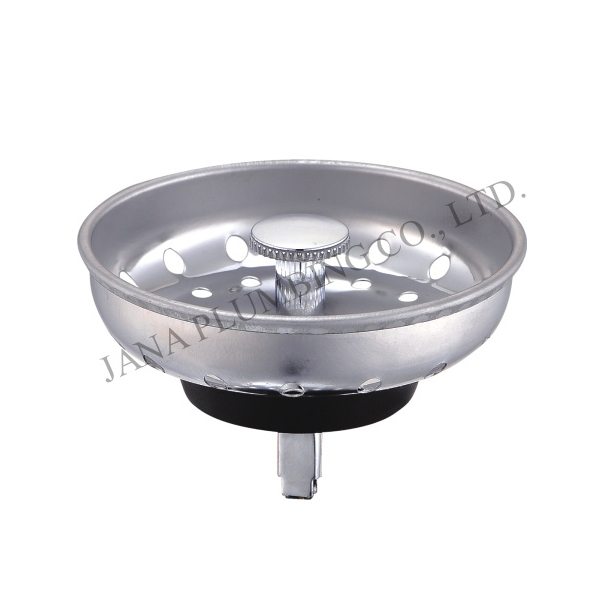
Imagine a tiny superhero standing guard in your sink! That is exactly what your Kitchen Strainer Basket does. It works hard to stop food scraps and other debris from sneaking into your pipes. A clever "turn & seal" design helps it catch food particles and other bits. This design keeps your sink draining smoothly. Busy kitchens especially love this feature. It helps them avoid annoying plumbing problems. Different types of filter baskets exist for various needs. A fine filter basket catches tiny things like coffee grounds or seeds. A standard filter basket has small holes, about 2.5mm, for trapping larger pieces of food. These baskets are true champions against clogs.
Understanding the Parts of a Strainer Basket
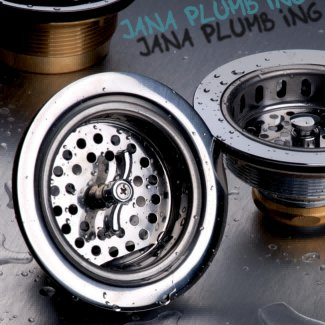
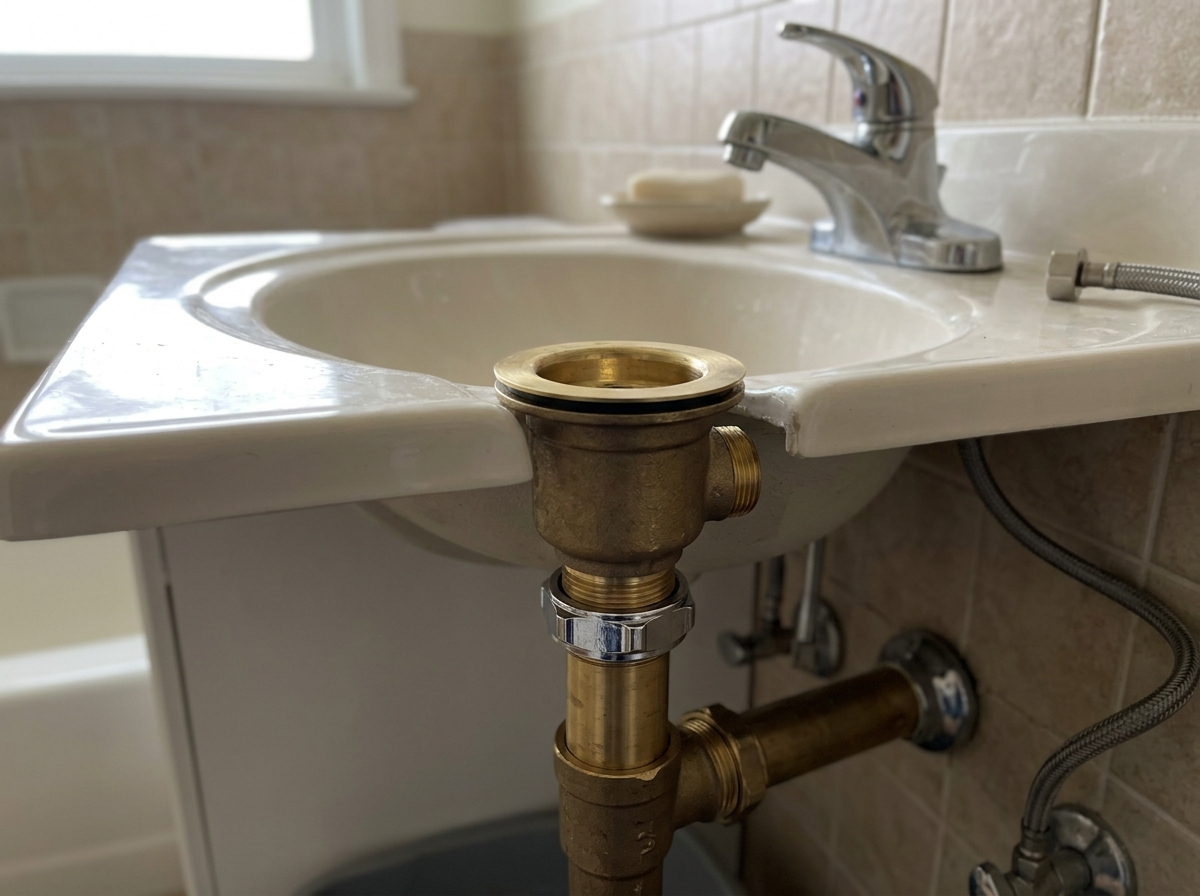
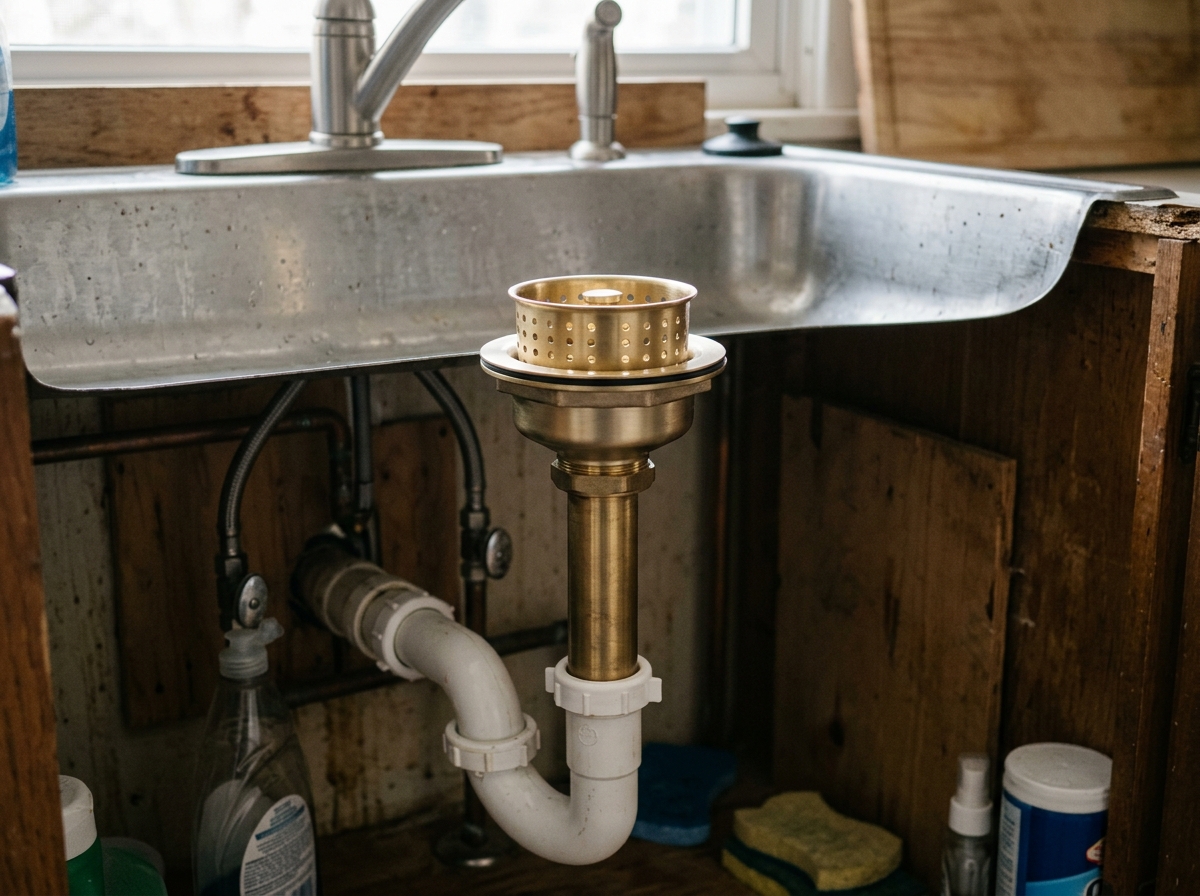
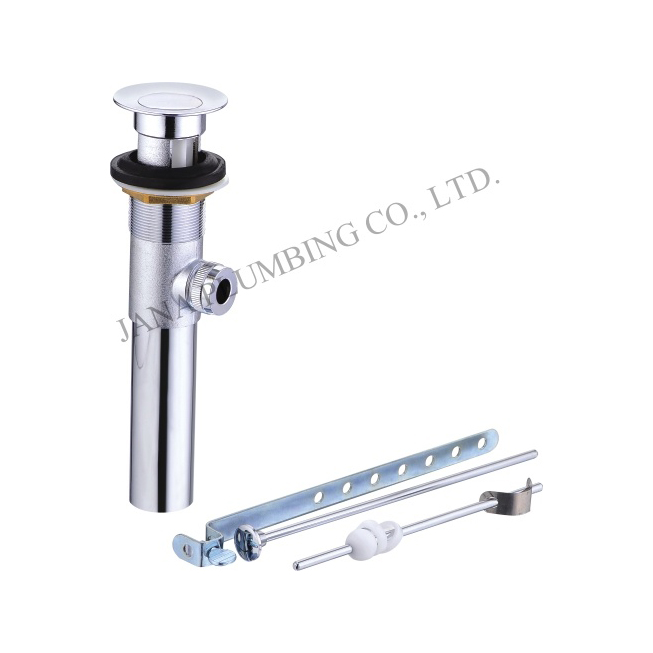
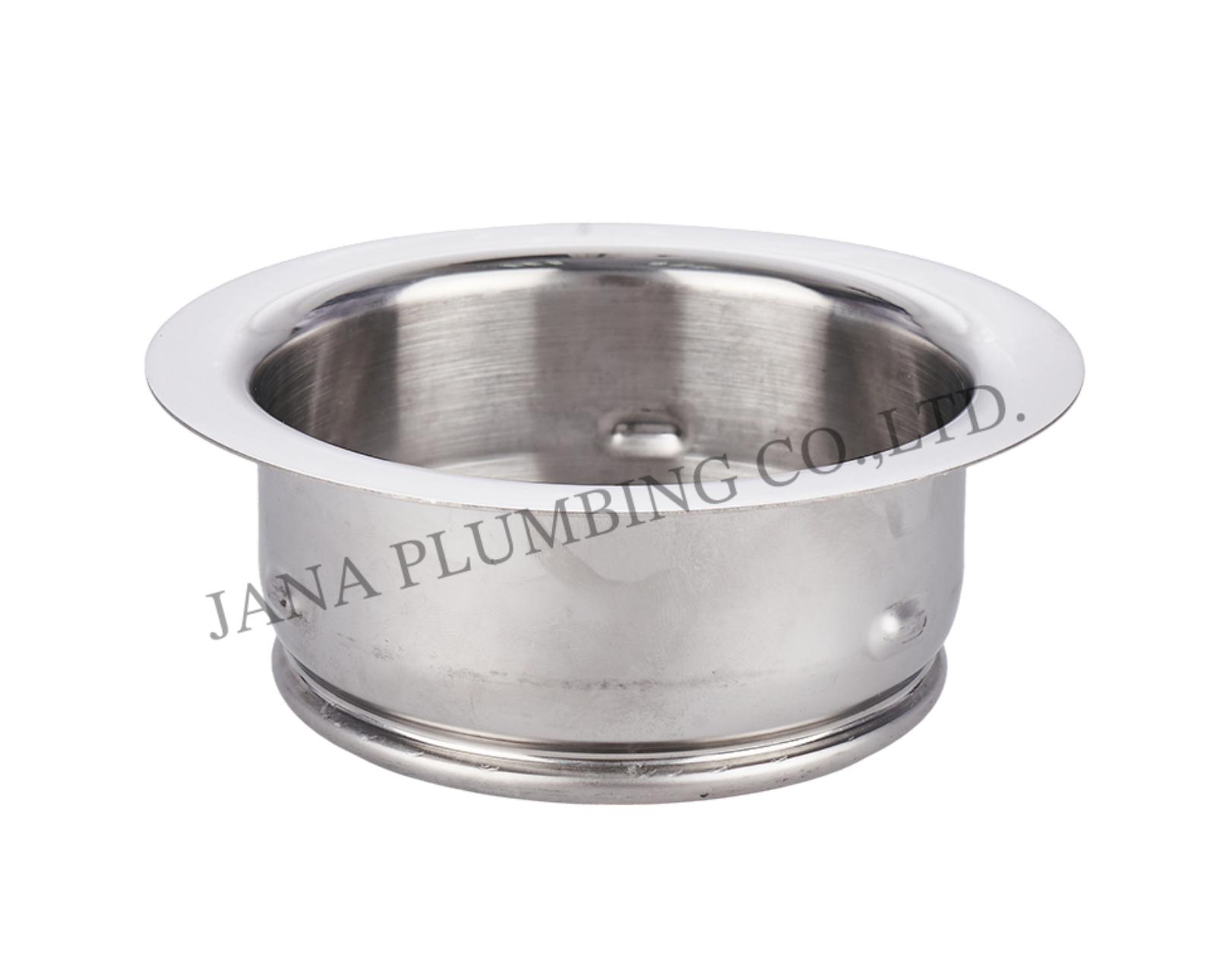
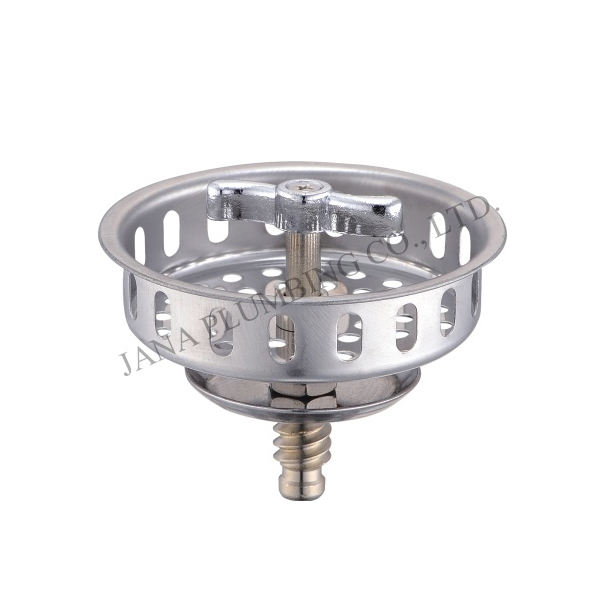
Your kitchen's little hero is more than just a simple basket. It is a team of parts working together! The main part is the basket itself. You can often remove it for easy cleaning. A durable post usually holds the basket in place. The body or flange is the part that fits right into your sink's drain opening. Most standard sinks use a 3-1/2 inch opening. Many designs also include a push-to-seal feature. This lets you stop water flow when you want to fill the sink. Some baskets even have a handle. This makes removing and emptying them super easy. Other designs use a metal jam nut or a ball bearing post for a secure fit. Each piece plays a vital role in keeping your sink happy and clear.
Common Problems with Your Strainer Basket
When a Clogged Strainer Basket Causes Drainage Issues
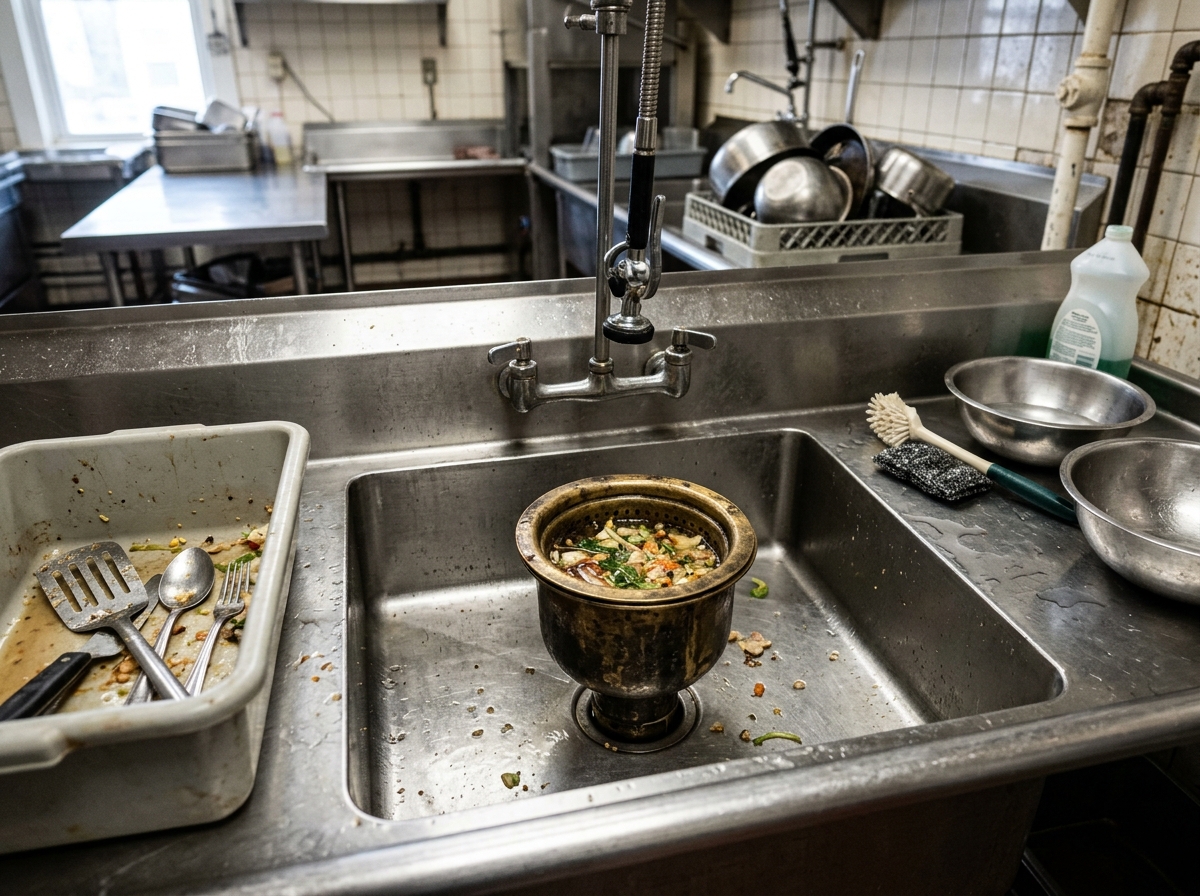
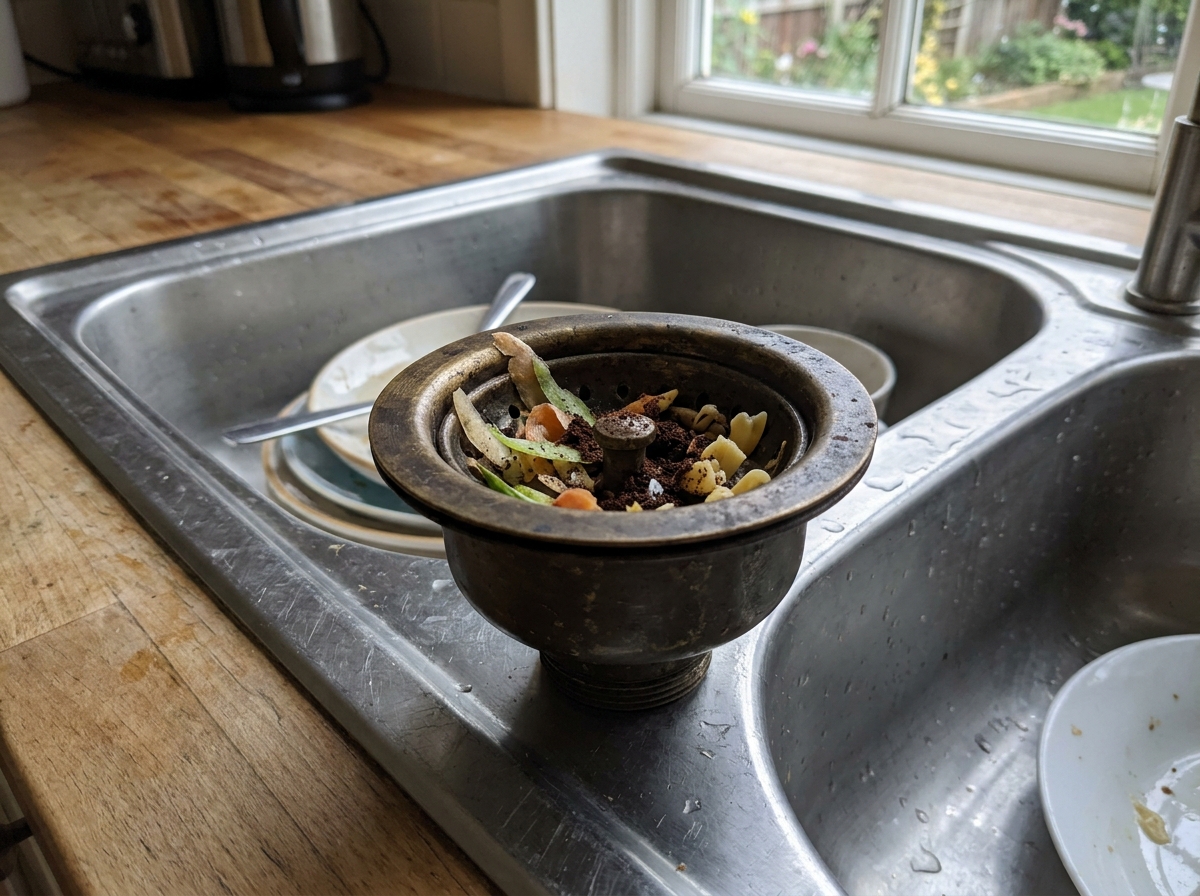
Even heroes have bad days! A kitchen Strainer Basket works hard, but sometimes it gets overwhelmed. When too much gunk builds up, it can cause big problems. You might notice water draining very slowly. Sometimes, the water even backs up into the sink. The drain might make strange gurgling noises. You could also hear pumps or valves vibrating more than usual. These are all signs your basket is struggling. It cannot let water pass through easily. This blockage can even lead to higher energy use for your plumbing system.
Leaky Strainer Basket Seals and Odor Problems
A tiny leak can cause a big headache! The seal around your strainer basket keeps water from escaping under the sink. Over time, this seal can wear out. Then, water starts to drip. This constant dampness creates a perfect home for mold and mildew. Soon, a nasty smell fills your kitchen. It is not just an annoyance; it can also damage your cabinets. A leaky seal means your sink is not working as it should.
The Wrong Strainer Basket: A Mismatch for Your Sink
Imagine wearing shoes that are too big or too small. They just do not work right! The same goes for your sink's strainer basket. Not all baskets fit all sinks perfectly. A basket that is too loose will let debris slip past. One that is too tight might not sit properly. This mismatch can lead to poor drainage or even leaks. Choosing the right size and style ensures a snug fit. This helps your sink stay clean and clear.
Simple Solutions for Your Strainer Basket
Daily Cleaning for Your Strainer Basket
Imagine your sink's little guardian, the strainer basket. It works tirelessly, catching all sorts of kitchen debris. But even heroes need a spa day! Giving your strainer basket a quick clean each day keeps it happy and working its best. Simply empty any food scraps into the trash. Then, give it a quick rinse. A little scrub with a brush and some soap removes any stubborn grime. This simple habit prevents nasty build-up. It also keeps your sink smelling fresh and draining fast. Think of it as a daily high-five for your plumbing!
Proper Usage of Your Strainer Basket
Using your strainer basket correctly is like giving it superpowers. Always make sure you have a strainer in place. It acts as the first line of defense against clogs. Commercial drain strainers, for example, often feature small holes. These tiny openings prevent food solids from sneaking into your plumbing system. Many of these clever devices also double as stoppers. They let you fill the sink when you need to. Always use a sink strainer to capture food scraps. This stops them from going down the drain. After cooking or washing dishes, simply empty the collected food scraps into the trash. Never push them down the drain! Regularly cleaning your drain strainer also prevents blockages. It helps maintain proper water flow. You can even explore different types of strainers. Mesh, stainless steel baskets, or silicone stoppers all offer great protection.
When to Replace Your Strainer Basket
Even the toughest heroes eventually need a break, or a replacement! A standard kitchen sink strainer basket typically needs a refresh every 1 to 3 years. Think about it: it faces constant battles with water, food particles, and general wear and tear. This daily grind can reduce its effectiveness. You might notice slower draining or even new clogs forming. A worn-out basket might not catch debris as well. Its seals could also start to fail. Replacing it ensures your sink continues to drain smoothly. It is a small investment for big peace of mind.
Choosing the Best Strainer Basket for Your Needs
Picking the perfect strainer basket for your sink is like finding the right sidekick. Many options exist, each with its own special abilities.
| Category | Types/Materials |
|---|---|
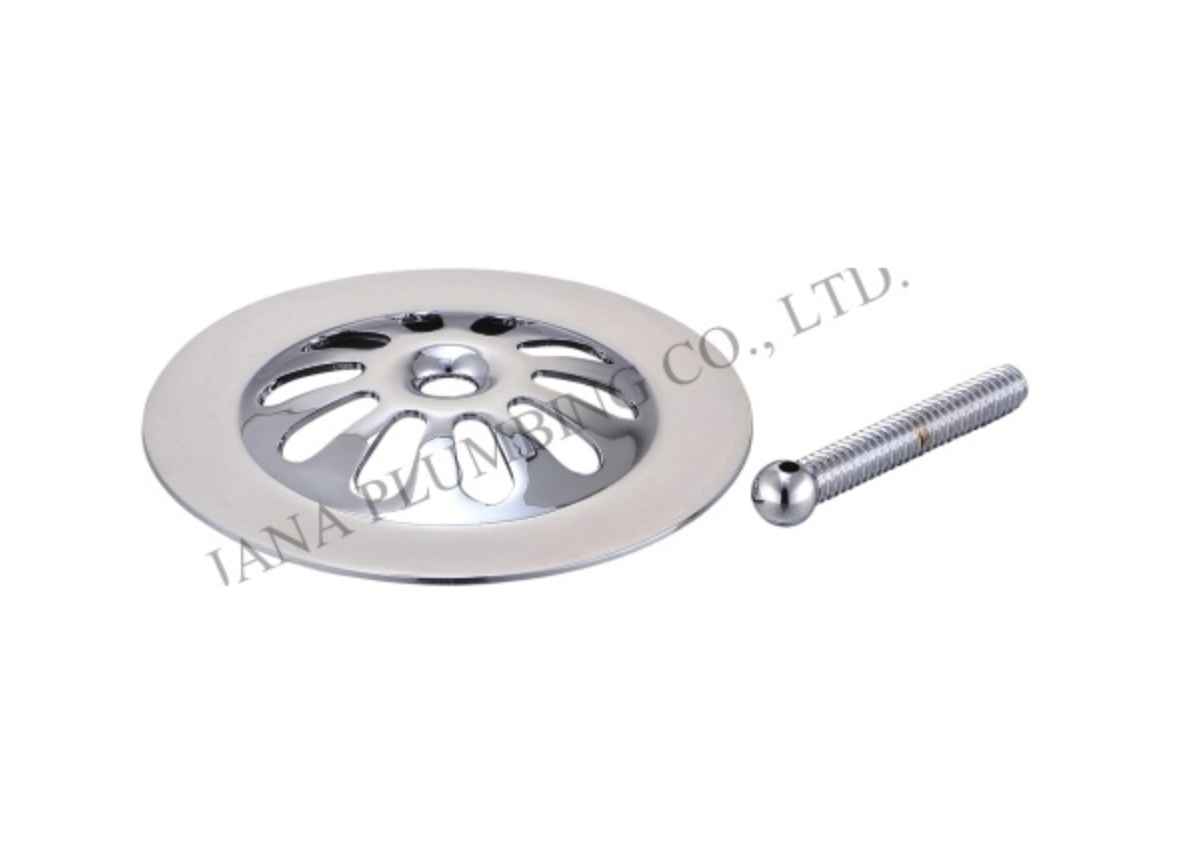
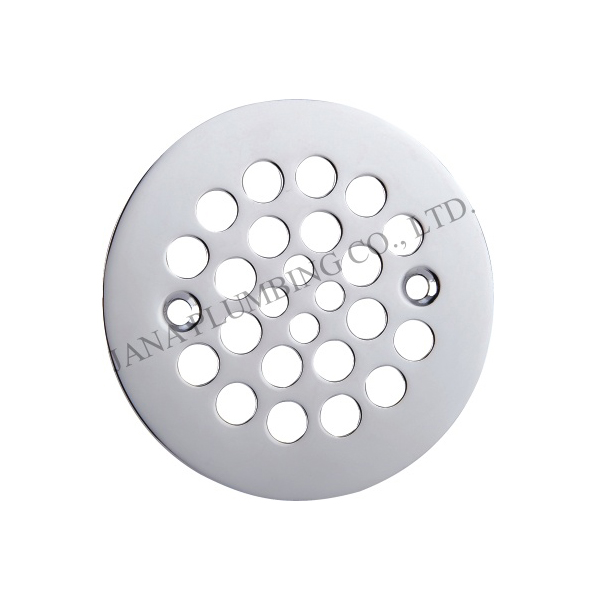
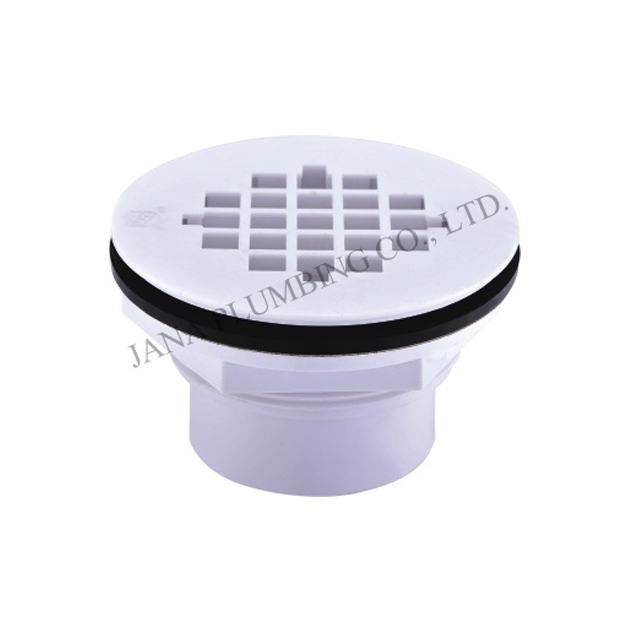
| Product Type | - Basket Strainer - Grid Strainer |
| Material | - Stainless Steel - Brass - Plastic - Silicone |
You can find a simple drain strainer. It mounts over the drain with three screws. It uses a stainless steel basket to catch debris. Or, consider a double cup strainer. It has one fixed cup and one removable one for easy debris disposal. A flange strainer includes a rubber flange. This prevents leaks. It also has a removable stainless steel basket. A back nut strainer connects to the drain with a back nut. It uses a rubber seal to block leaks. Some clever stopper strainers can even function as a stopper. They have a switch within their basket. Mesh or porous strainers also exist. Mesh has tiny holes for small particles. Porous has larger openings for easier cleaning. Some even include a stopper function. This lets you block the drain to fill the sink.
Remember your sink's material too! Standard strainers work great for stainless steel sinks. But cast iron sinks are thicker. They need a specific type of strainer. Always check product specifications. This ensures you pick the correct one for your sink's unique style. The right Strainer Basket makes all the difference!
Advanced Drainage Issues Beyond the Strainer Basket
Recognizing Deeper Clogs
Sometimes, the problem hides deeper than the basket. Your sink might still drain slowly even after you clean the strainer. Perhaps water backs up into other fixtures, like a dishwasher or another sink. A persistent, foul odor might also linger, even when the basket is sparkling clean. These signs often point to a clog lurking further down the pipes. It means the issue has moved past your kitchen's first line of defense.
Initial DIY Fixes for Minor Clogs
Do not despair! You can often tackle minor clogs yourself before calling for help. A trusty plunger is a great first step. First, fill the sink with enough water to cover the plunger's rubber cup. Then, place the plunger over the drain opening, making sure it forms a tight seal. Block the sink’s overflow opening with a wet rag. This stops air from escaping. Plunge vigorously up and down several times. Finally, remove the plunger and check if the water drains.
If the plunger does not work, a drain snake can be your next hero. Insert the snake into the drain opening. Push it down as far as possible. Then, begin turning the handle. Continue feeding the snake while turning until you feel resistance. Rotate the snake to catch the clog. Then, slowly pull it back out. Clean off any debris and dispose of it properly. These simple tools often clear the way for smooth drainage once more.
Maintaining Optimal Kitchen Sink Drainage
Regular Inspection of Your Strainer Basket
Imagine you are a vigilant guardian of your kitchen sink. Your mission: keep the water flowing freely! A crucial part of this job involves regularly inspecting your sink's Strainer Basket. Think of it as a quick health check-up for your plumbing. You simply lift the basket and look closely. Does it show signs of wear? Are there any cracks or tears in the mesh? Does gunk stubbornly cling to its sides, even after a quick rinse? These small details tell a big story. A worn-out basket might let tiny food particles slip past. This leads to trouble deeper in the pipes. A quick visual check helps you spot potential problems before they become big, messy headaches. This simple habit keeps your sink happy and your drainage smooth.
Preventing Future Strainer Basket Problems
You can become a true plumbing superhero by adopting a few smart habits. These actions protect your pipes and keep your sink draining like a dream. First, know your enemies! Certain household items should never go down the kitchen sink.
- Coffee grounds might seem small and harmless. They actually clump together in pipes, creating stubborn blockages.
- Eggshells are another sneaky culprit. They grind into tiny, sharp pieces. These pieces combine with grease and fat, forming a thick, pipe-clogging mess.
- Grease, fat, and oils are perhaps the biggest villains. They cool and solidify in your pipes. They bind with other materials, creating sticky globs that coat pipes. These globs are a major contributor to sewer overflows.
- Produce stickers are tiny troublemakers. Their adhesive causes them to stick to pipe interiors. They also interfere with wastewater treatment equipment.
- Cotton balls and paper towels absorb water. They expand and easily clog pipes. Always dispose of them in the trash.
Now, for your superpowers! You can actively prevent future clogs with these simple steps:
- Scrape leftover food scraps into a trash bin or compost bin. Never rinse them down the drain.
- Allow fats and oils to cool and solidify. Then, dispose of them in a sealed container. This prevents sticky buildup in pipes.
- Install a mesh strainer in the drain. This catches food particles before they enter your plumbing.
- Run hot water down the drain after each use. This helps flush small food particles. For frequent clog issues, pour very hot water down the drain weekly. This prevents buildup.
These simple, consistent actions make a huge difference. They save you from frustrating clogs and expensive repairs.
The simple strainer basket is the overlooked hero for kitchen sink drainage. Proper care of this small tool significantly reduces common problems. It keeps your pipes clear and your kitchen happy.
Do not underestimate its power!
This mighty kitchen tool saves time, money, and frustration for everyone.
FAQ
How often should one clean a kitchen strainer basket?
A quick clean every day keeps the basket happy. This prevents food scraps from building up. It also keeps the sink draining fast.
What are the signs a strainer basket needs replacing?
Look for slow draining or new clogs. A worn-out basket might not catch debris well. Its seals could also start to fail.
Can a strainer basket prevent all clogs?
No, a strainer basket is a great first defense. It catches most food particles. Deeper clogs can still happen further down the pipes.