

Is your Brass Closet Spud Built to Last?
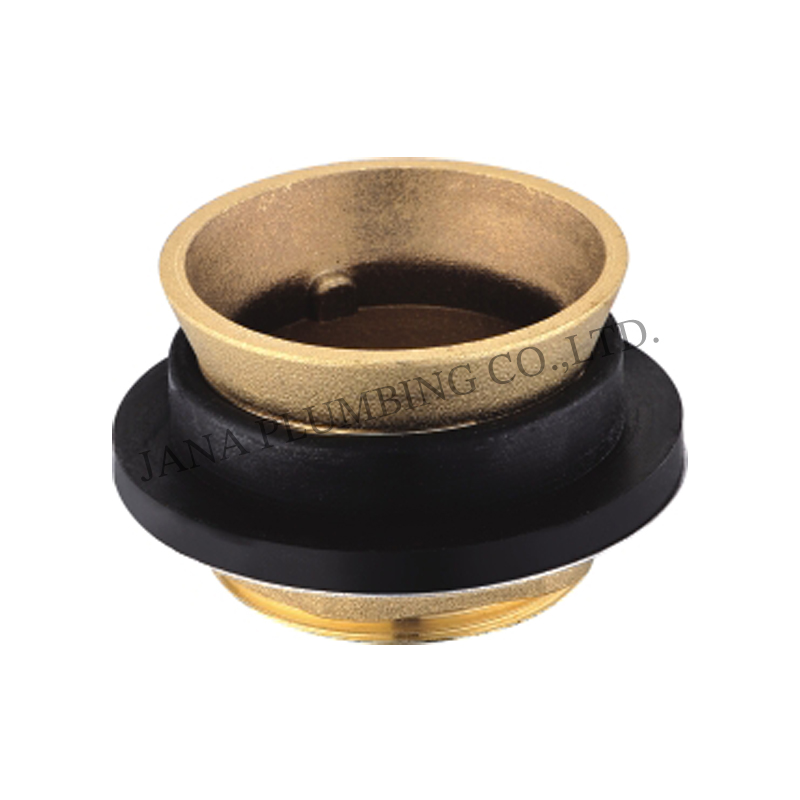
Yes, a high-quality Brass Closet Spud is engineered with specific features designed for exceptional durability and long-term performance, making it a reliable choice built to last. Many plumbing components have varying lifespans, from faucets lasting about 12 years to copper pipes enduring 70-80 years. A well-crafted brass component, however, consistently proves its resilience, often outperforming numerous other parts within a home's plumbing system.
Key Takeaways
- High-quality brass spuds are very strong. They resist rust and last over 50 years. This makes them a reliable choice for your plumbing.
- Lead-free brass spuds are safe. They keep harmful lead out of your drinking water. This protects your family's health.
- Good design makes brass spuds last. Thick walls, precise parts, and strong seals prevent leaks. This ensures long-term performance.
The Enduring Strength of a Brass Closet Spud
Imagine a plumbing component that stands strong, year after year, laughing in the face of rust and wear. That component is often a high-quality brass one. Brass is not just a pretty face; it is a true heavyweight champion in the world of plumbing materials. Its enduring strength makes it a top choice for critical parts like a Brass Closet Spud.
Why High-Quality Brass Construction Matters
High-quality brass is like the superhero of metals for plumbing. It brings a powerful combination of toughness and flexibility. This unique blend allows it to handle the daily stresses of a plumbing system without breaking a sweat. When engineers design plumbing parts, they look for materials that can take a beating and keep performing. Brass fits this bill perfectly.
Consider the raw power hidden within brass. Its mechanical properties are truly impressive. Different types of brass offer varying levels of strength, but even standard grades show remarkable resilience. For example, look at these typical strength numbers:
| Property | Metric Range | English Range |
|---|---|---|
| Tensile Strength, Ultimate | 338 - 469 MPa | 49000 - 68000 psi |
| Tensile Strength, Yield | 124 - 310 MPa | 18000 - 45000 psi |
| Elongation at Break | 53% | 53% |
These numbers mean brass can withstand significant pulling and bending forces before it even thinks about breaking. Its "yield strength" tells us how much stress it can handle before it permanently changes shape. A high elongation percentage means it can stretch quite a bit without snapping. This flexibility helps it absorb shocks and vibrations in your plumbing system.
When we compare brass to other common plumbing materials, its superiority shines even brighter. It often outlasts and outperforms many alternatives, especially in tough, wet environments.
| Material | Tensile Strength (MPa) | Corrosion Resistance | Longevity (Years) | Pressure Rating (PSI) |
|---|---|---|---|---|
| Brass | ~400 | High (beats SS, plastic in humid/watery environments) | >50 (twice plastic) | >300 |
| Stainless Steel | N/A | Lower than brass in humid/watery environments | N/A | N/A |
| Plastic | N/A | Lower than brass in humid/watery environments | ~25 | N/A |
Brass boasts a high tensile strength and exceptional corrosion resistance, especially in places where water is always present. It can last over 50 years, which is double the lifespan of many plastic components. This longevity means fewer replacements and less hassle for homeowners.
Ensuring Safety and Strength with Lead-Free Brass
Strength is fantastic, but safety is paramount, especially when dealing with drinking water. For years, plumbing components sometimes contained lead. Lead made brass easier to machine, but it posed health risks. Thankfully, the plumbing industry has evolved. Today, high-quality brass components, particularly those for potable water, must be lead-free. This means they contain extremely low levels of lead, making them safe for your family.
Governments and organizations worldwide have stepped up to ensure plumbing safety. They set strict rules for lead content in plumbing products.
| Region | Regulation/Act
Design Features for a Long-Lasting Brass Closet Spud
Imagine a tiny superhero in your plumbing system, working tirelessly behind the scenes. That hero is a well-designed Brass Closet Spud. Its secret power lies in its clever construction, featuring specific design elements that guarantee it stands the test of time. These aren't just random choices; engineers carefully craft each detail to ensure maximum durability and performance.
Robust Wall Thickness for Preventing Wear
Think of a strong castle wall. The thicker it is, the better it withstands attacks. A Brass Closet Spud works much the same way. Its robust wall thickness acts as a shield, protecting it from the constant wear and tear of water flow and environmental stressors. This extra material means the spud can handle internal pressure and external bumps without easily deforming or breaking.
Brass itself offers incredible resilience. It naturally resists corrosion, which is a huge win, especially in places with acidic water. This resistance prevents rust, a common villain that causes many plumbing fittings to wear out quickly. The malleability of brass also helps. It means manufacturers can shape it easily, creating strong, thick walls without compromising the material's integrity. This combination of inherent resistance and sturdy design ensures the spud remains a reliable part of your plumbing system for years.
Precision Machining for a Secure Brass Closet Spud Fit
Have you ever tried to fit a square peg into a round hole? It just does not work! The same principle applies to plumbing. A secure connection is vital, and precision machining makes it happen. This process involves crafting each spud with incredible accuracy, ensuring every curve and thread is perfect.
Precision engineering ensures components fit together without any gaps or weaknesses. This exactness prevents leaks, which are plumbing's arch-nemesis. For example, when manufacturers create brass manifolds or tee swivels, they use precision machining. This process allows for smooth rotation in a swivel joint while keeping a tight seal. It also means the spud can incorporate built-in seals or gaskets, adding another layer of protection. This combination of precise design and tight seals is crucial for creating leak-free connections throughout your plumbing system.
Integrated Gasket Seat for Enhanced Seal Integrity
A good seal is like a secret handshake; it keeps everything locked down and prevents unwanted surprises. An integrated gasket seat is a clever design feature that significantly boosts a spud's seal integrity. This seat is a specially designed groove or surface built directly into the spud's body. It provides a perfect resting place for a gasket, ensuring it compresses evenly and creates an impenetrable barrier.
This integrated design means the gasket sits exactly where it should, forming a watertight seal that resists leaks even under pressure. It works hand-in-hand with the precision machining, creating a connection that is both secure and durable. This thoughtful engineering helps prevent water damage and ensures the spud performs reliably for a very long time.
A Brass Closet Spud's Resistance to Environmental Challenges
Plumbing systems face a constant battle against the environment. Water, chemicals, and changing temperatures all try to wear down components. A high-quality brass component, however, stands firm. It laughs in the face of these challenges, proving its worth day after day.
Natural Corrosion and Rust Resistance of Brass
Imagine a knight in shining armor, always ready for battle. Brass is like that knight for your plumbing. Plumbing systems often face corrosion in metal pipes, leading to rust and deterioration. This can cause leaks, reduced water pressure, and even pipe bursts, which then lead to water damage and mold growth. A high-quality Brass Closet Spud naturally resists these issues. Brass does not rust like iron. It forms a protective layer, which keeps it strong and prevents leaks. This natural defense means fewer worries about costly repairs and unhealthy mold.
Chemical Compatibility for a Durable Brass Closet Spud
Plumbing components encounter many chemicals. Sealants, pastes, and cleaners contain various substances. Accidental spills of chemicals can also happen. Brass shows strong compatibility with these substances. This prevents degradation and contamination. For instance, lead and other metals in pipes can contaminate drinking water, causing serious health problems. Brass helps avoid such risks. It also resists pathogens like Legionella, which can thrive in water systems. This chemical resilience keeps your water safe and your plumbing intact.
Maintaining Integrity Under Temperature Fluctuations
Temperatures in plumbing systems can swing from hot to cold. This can stress many materials, causing them to crack or warp. Brass, however, handles these changes like a pro. Brass fittings generally withstand temperatures up to 200-250 degrees Celsius (392-482 degrees Fahrenheit). It also keeps its strength at sub-zero temperatures. Brass has superior heat resistance and thermal stability. It maintains its structure under extreme heat, preventing deformation. It also distributes heat evenly. This ensures consistent performance without warping. Its durability under mechanical stress and vibration means it stays secure, even when temperatures fluctuate wildly.
The Role of Gaskets and Locknuts in a Brass Closet Spud's Lifespan
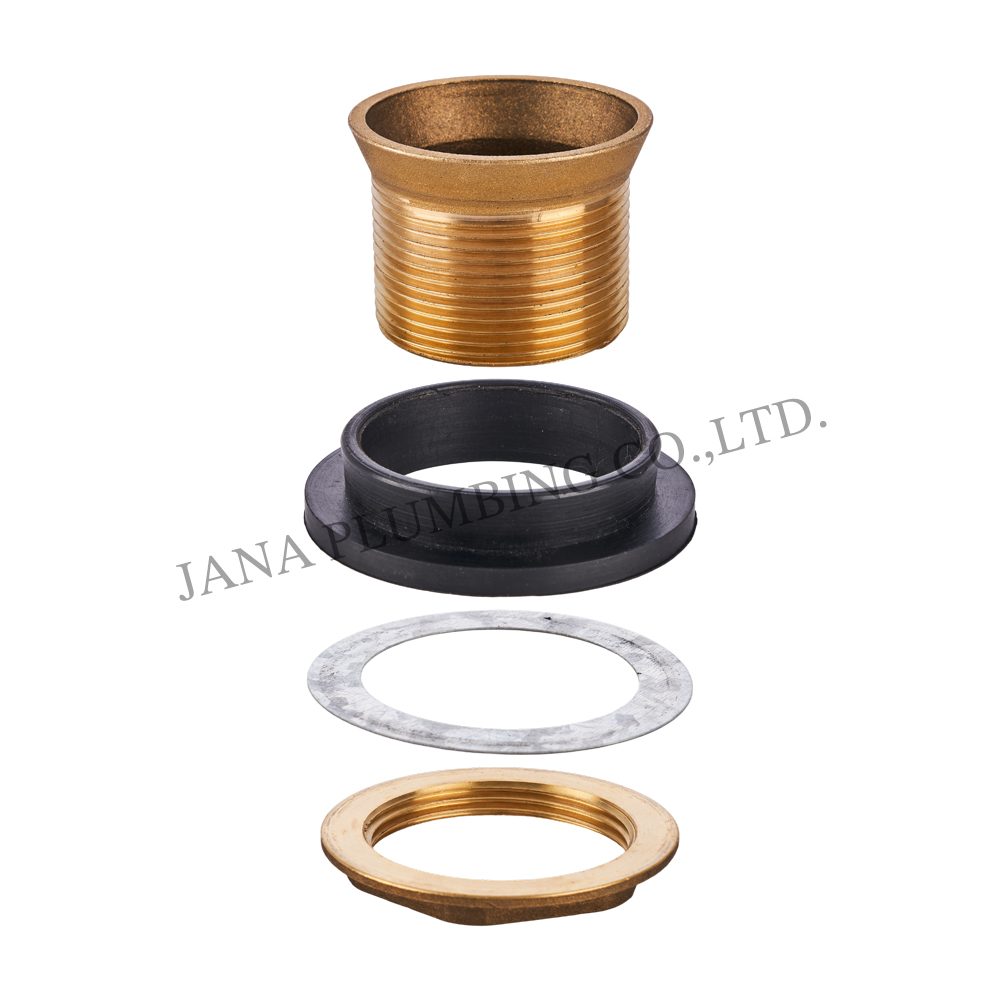
Imagine a superhero team. The main hero gets all the glory, but the sidekicks often save the day! In the plumbing world, gaskets and locknuts are those unsung heroes. They work together to make sure your plumbing connections stay tight and last a very long time. These small parts play a huge role in the lifespan of any fixture, including a Brass Closet Spud.
The Importance of a Specialized Rubber and Steel Gasket
A gasket is like a secret weapon against leaks. It creates a perfect seal where two parts meet. A high-quality gasket, often made from a special blend of rubber and steel, does an amazing job. The rubber part offers flexibility, hugging every curve to form a watertight barrier. The steel part adds strength, making sure the gasket does not give up under pressure. This combination ensures a watertight fit between the fixture and the flush connection. This tight seal is super important for the long life of the component, especially when water pressure is high or conditions are tough. It keeps water where it belongs and prevents costly damage.
Secure Fastening with a High-Quality Brass Locknut
Now, meet the locknut, the gasket's trusty partner. A high-quality brass locknut is not just any nut. Manufacturers craft it from premium brass, giving it superior strength and excellent resistance to rust. This means it will not corrode and seize up over time. Its design provides a sturdy connection, which reduces leaks and ensures long-term stability. Precision manufacturing creates perfect threads, allowing the locknut to screw on tightly and securely. Its hexagonal shape also makes it easy to tighten with a wrench, ensuring a firm grip. This secure fastening prevents any wiggling or loosening, keeping the entire assembly stable for years.
Maximizing the Lifespan of Your Brass Closet Spud
Even the toughest plumbing heroes perform best with a little help. A high-quality component, like a durable spud, is built to last. Still, you can do things to make sure it lives its longest, happiest life in your plumbing system. Think of it as giving your plumbing system the VIP treatment!
Proper Installation Techniques for Lasting Performance
A great start makes a big difference. Imagine building a strong tower. You need a solid foundation. The same idea applies to plumbing. Proper installation sets up your entire system for success. It reduces plumbing emergencies. It also extends the lifespan of pipes and fixtures.
When you install new parts, mark them on a plumbing map. Note where shutoff valves are located. This helps you quickly find things later. A good installation ensures everything fits perfectly. It prevents leaks and unnecessary stress on components. This careful work means your plumbing system performs reliably for many years.
Minimal Maintenance Requirements for a Brass Closet Spud
Your durable spud does not ask for much. It is a low-maintenance champion. However, your entire plumbing system benefits from some simple care. This care helps all parts, including your spud, last longer.
Here are some easy ways to keep your plumbing in top shape:
- Inspect regularly: Look for leaks, wear, or corrosion on all plumbing parts.
- Check water pressure: Make sure it stays between 40-60 psi. Too much pressure can stress pipes.
- Clean drains: Use baking soda and vinegar. Avoid harsh chemical cleaners. They can damage pipes.
- Maintain your water heater: Flush the tank yearly to remove gunk. Check the anode rod every few years. This prevents rust inside the tank.
- Fix leaks fast: Even small drips waste water and can cause bigger problems.
These simple steps help your whole plumbing system thrive. They ensure your components, including that tough spud, keep working perfectly for a very long time.
A high-quality Brass Closet Spud truly earns its "built to last" title. Its superior brass material, robust design, and strong resistance to environmental challenges confirm this status. Investing in a well-engineered Brass Closet Spud ensures reliable, enduring performance for your plumbing system, giving you peace of mind.
FAQ
Why do plumbers prefer brass for plumbing parts?
Plumbers love brass! It offers amazing strength and resists corrosion. This means fewer leaks and a longer life for plumbing systems.
How long can a quality brass spud really last?
A well-made brass spud can last over 50 years. Its tough material and smart design help it endure daily use for decades.
What makes lead-free brass safer for homes?
Lead-free brass protects your family. It prevents harmful lead from entering drinking water. This ensures your water stays clean and safe.
