Is a No-Caulk Shower Drain the best solution for leaks?
A No-Caulk Shower Drain offers a fantastic solution for leaks in certain situations. When plumbers install it correctly, it works very well. However, it is not always the best fix for every kind of leak. Traditional caulk, for example, often lasts 5 to 10 years before needing replacement, depending on conditions.
Key Takeaways
- No-caulk shower drains offer a fast and clean way to prevent leaks. They use special gaskets and compression for a watertight seal.
- These drains work best with preformed shower bases made of materials like fiberglass or acrylic. They are ideal for new installations or replacing old drains.
- Proper installation is key for a leak-free drain. Make sure the pipe size, height, and end are correct. Always follow the manufacturer's instructions.
Understanding a No-Caulk Shower Drain
What is a No-Caulk Shower Drain
Imagine a drain that seals itself without any sticky, messy caulk! That is exactly what a No-Caulk Shower Drain does. This clever invention creates a watertight connection to your plumbing pipe using special gaskets and compression, not traditional sealants. It makes installation much faster and cleaner. This innovative design simplifies plumbing tasks for many homeowners and professionals.
How a No-Caulk Shower Drain Works
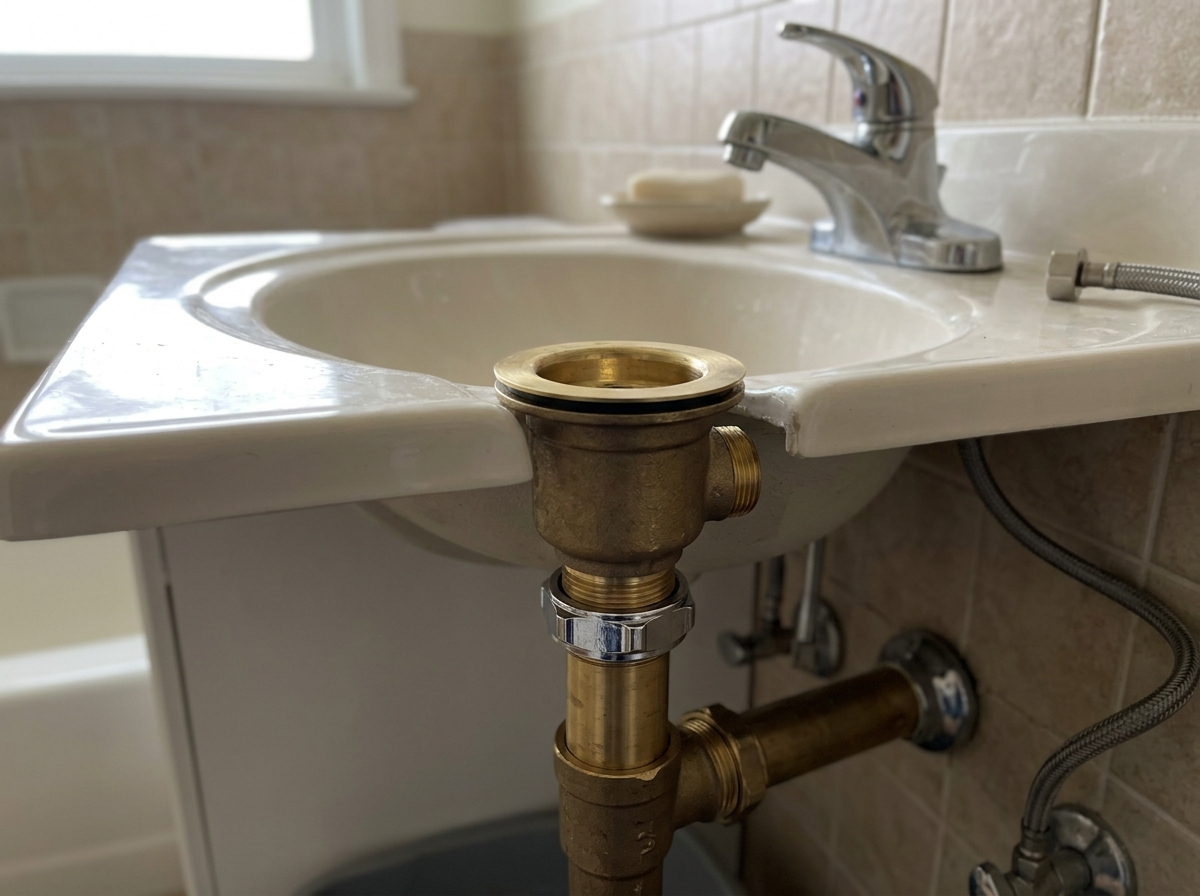
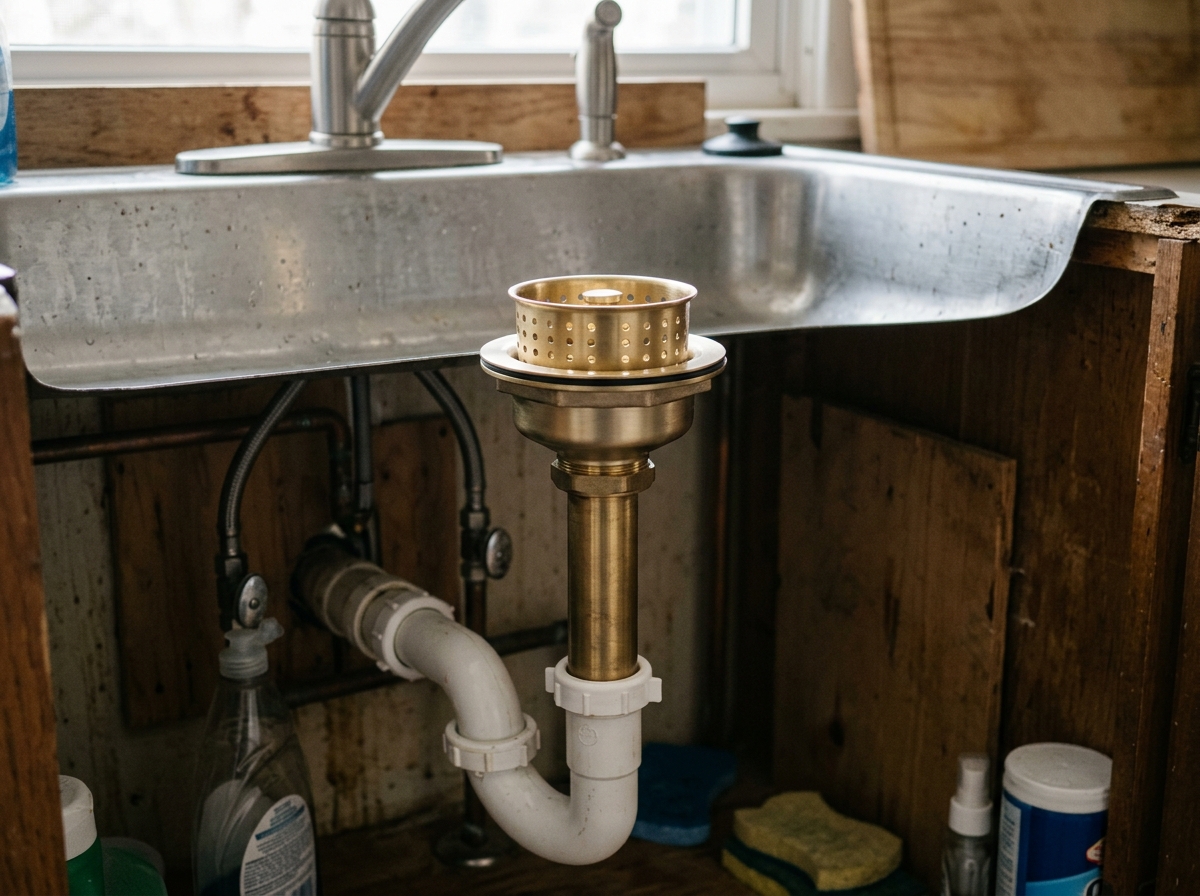
This drain works its magic through a simple yet incredibly effective compression system. You install it from above the shower base, which is a huge convenience. A special washer or gasket fits snugly around the drainpipe. Then, a large nut tightens down, squeezing the gasket firmly against the pipe. This action creates a super tight, leak-proof seal. It is like a strong, reliable handshake between the drain and the pipe, keeping all water exactly where it belongs and preventing any unwanted drips.
Key Components of a No-Caulk Shower Drain
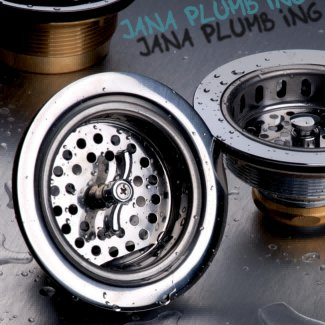
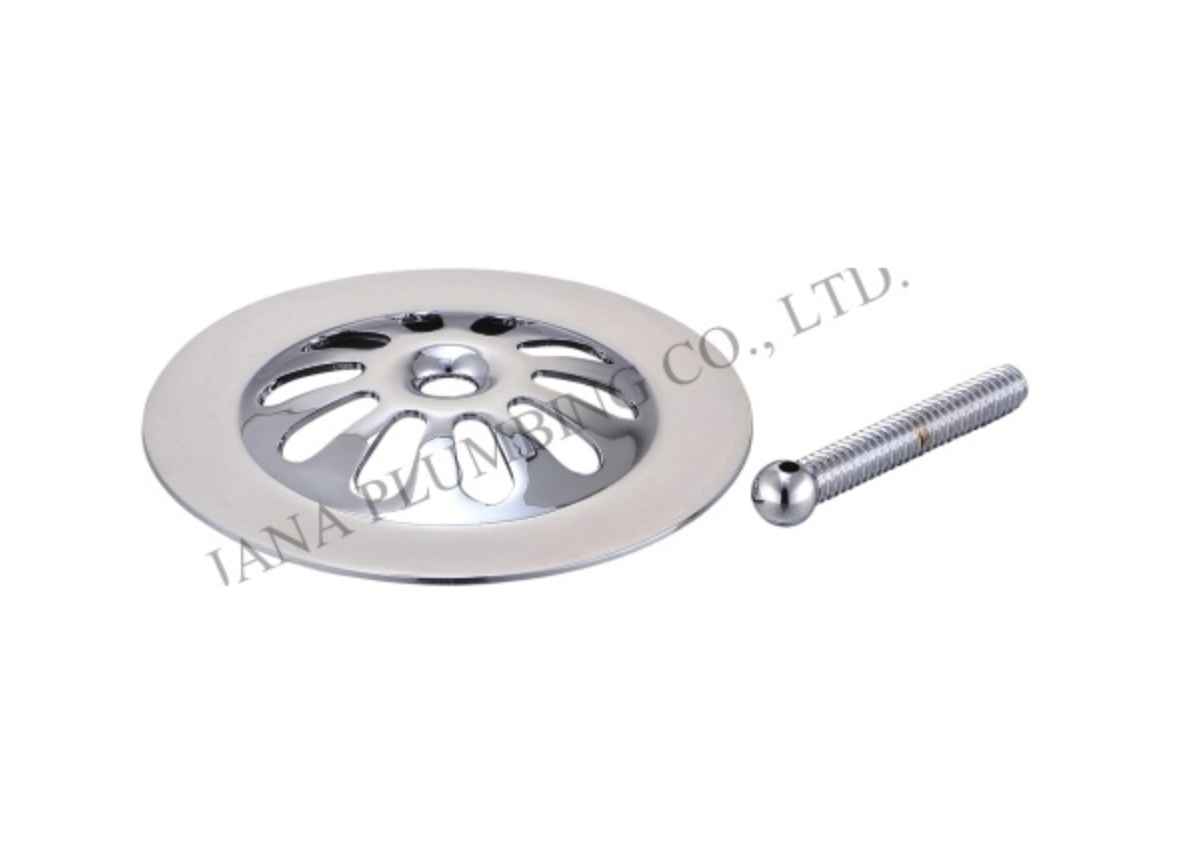
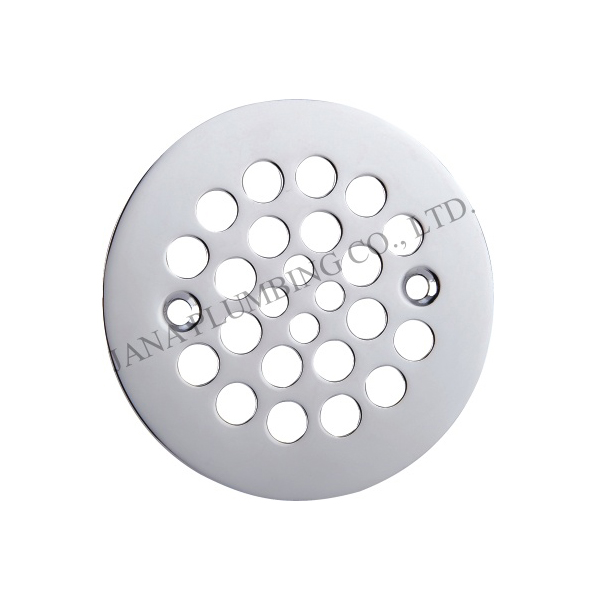
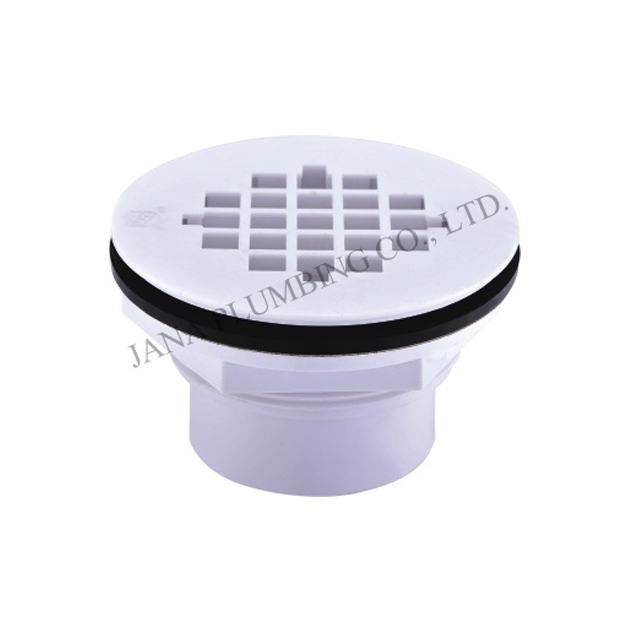
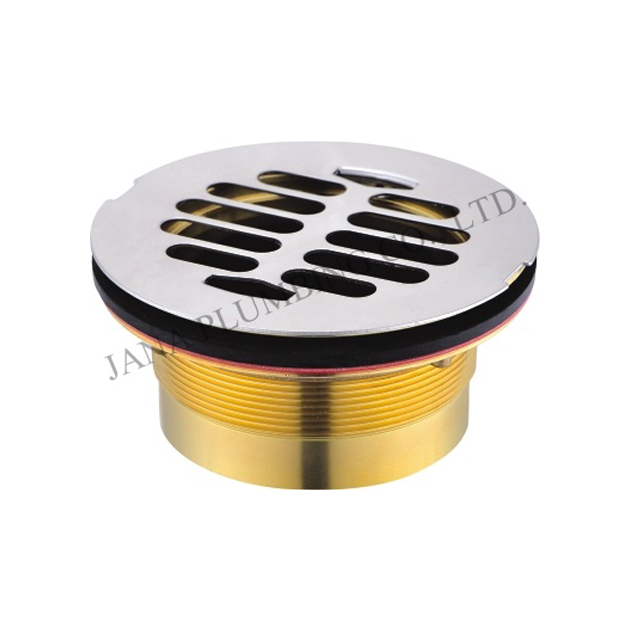
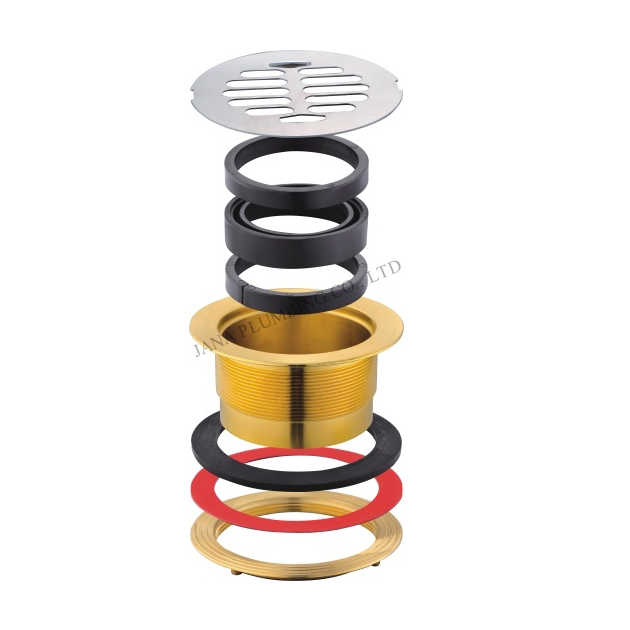
A typical shower drain of this type comes with several important parts, each playing a crucial role. It often features a durable brass body, built to last for many years and resist corrosion from water exposure. A shiny 4-1/4 inch round stainless steel Snap-In Strainer sits proudly on top. This strainer catches hair and debris, keeping your pipes clear. Inside, you find crucial sealing gaskets. These can be made from tough materials like fiber, rubber, or elastomer. They form the mechanical seal that prevents any leaks. The robust construction ensures a reliable and long-lasting connection for your shower.
When a No-Caulk Shower Drain is the Best Solution for Leaks
Sometimes, a plumbing solution comes along that just makes life easier and more secure. A no-caulk shower drain often fits this description, especially when dealing with specific shower setups and leak concerns. It offers a robust defense against water escaping where it should not.
Ideal Shower Base Types for a No-Caulk Shower Drain
This innovative drain truly shines with certain shower base types. For instance, preformed shower stall bases are perfect for its installation. These bases offer a consistent and predictable surface, making the no-caulk design incredibly effective. Installers find the process much simpler with these types of bases.
💡 Tip: No-caulk shower drains are specifically designed for use with all preformed shower bases.
They work wonderfully with a variety of materials. Compatible options include fiberglass, acrylic, plastic, nylon, and even metal. This versatility means many modern shower units can benefit from the secure, caulk-free connection these drains provide.
Specific Leak Prevention Scenarios for a No-Caulk Shower Drain
Imagine a brand-new shower installation. The plumber can easily position the pipe and then drop in the drain from above. This method drastically reduces the chance of leaks right from the start. It eliminates the common failure points associated with traditional caulk, such as improper application or eventual degradation. For renovations where an old drain needs replacing, and the existing pipe is in good condition and accessible, a no-caulk drain offers a quick and reliable upgrade. It creates a consistently tight seal, preventing water from seeping between the drain body and the waste pipe. This is especially crucial in areas where even a tiny drip can cause significant damage over time.
Advantages of a No-Caulk Shower Drain Over Traditional Drains
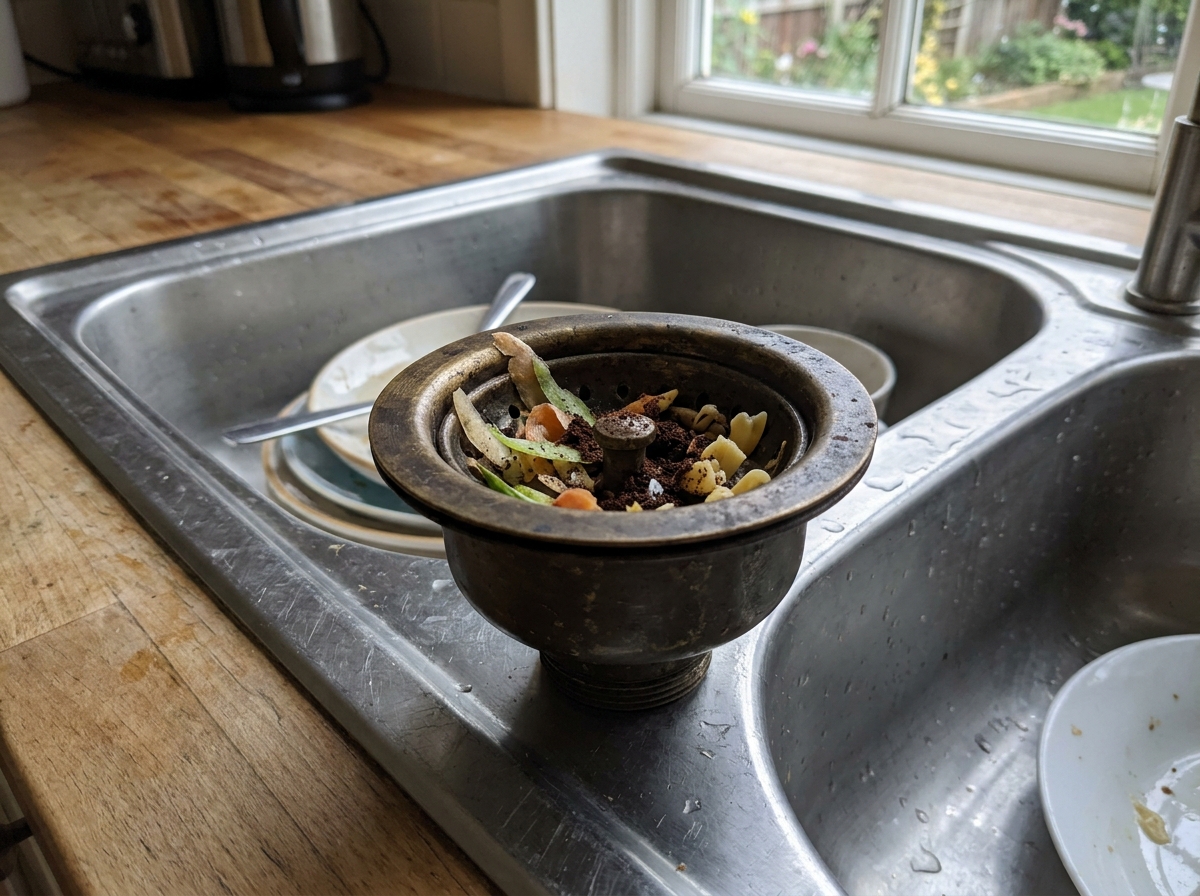
The benefits of choosing a no-caulk system over its traditional counterparts are quite compelling. First, installation becomes a breeze. You do not need to fuss with messy caulk, waiting for it to cure, or worrying about getting a perfect bead. This saves both time and effort. The mechanical compression seal offers superior reliability. It does not degrade over time like caulk can, meaning a longer-lasting, leak-free connection. Many of these drains feature robust construction, often with a durable brass body and a high-quality stainless steel grid. This combination resists corrosion and stands up to daily wear and tear. Plus, the easy-to-remove grid makes cleaning simple, preventing clogs and maintaining efficient drainage. This thoughtful design ensures the drain remains clear and functions efficiently, effectively preventing potential clogs and extending its lifespan.
Situations Where a No-Caulk Shower Drain May Not Be Suitable
While a no-caulk shower drain offers many benefits, it is not always the perfect fit. Certain situations call for a different approach. Knowing these limitations helps you choose the right drain for your specific project.
Tiled Shower Floors and a No-Caulk Shower Drain
Tiled shower floors often present a challenge for this type of drain. These floors need a special drain. This drain connects to a waterproofing membrane. This membrane sits under the tiles. A No-Caulk Shower Drain seals only to the pipe. It does not seal to the floor surface. Water can seep under the tiles. This leads to big problems. It can cause mold or structural damage. For tiled showers, a clamping ring drain is usually the hero. It creates a watertight seal with the membrane.
Irregular Pipe Connections and a No-Caulk Shower Drain
A no-caulk drain loves a perfect pipe. It needs a perfectly round, smooth pipe end. Sometimes, pipes are not perfect. They might be old. They might have rough edges. Or they might be slightly out of shape. The compression seal cannot work its magic then. It needs a tight grip. An irregular pipe prevents this. This means leaks can still happen. The drain cannot adapt to these imperfections. It is like trying to fit a square peg into a round hole.
Complex Existing Plumbing and a No-Caulk Shower Drain
Older homes often hide plumbing surprises. Renovations can also reveal tricky setups. A no-caulk drain needs easy access. It needs a straight shot down to the pipe. The pipe must be at the right height. Existing plumbing might be too deep. It might be offset. Or it might have unusual angles. These situations make installation very difficult. Sometimes, it is impossible. The drain cannot form a reliable seal. This can lead to frustration and potential leaks. It is best to assess the existing setup carefully.
Key Considerations for a Leak-Free No-Caulk Shower Drain Installation
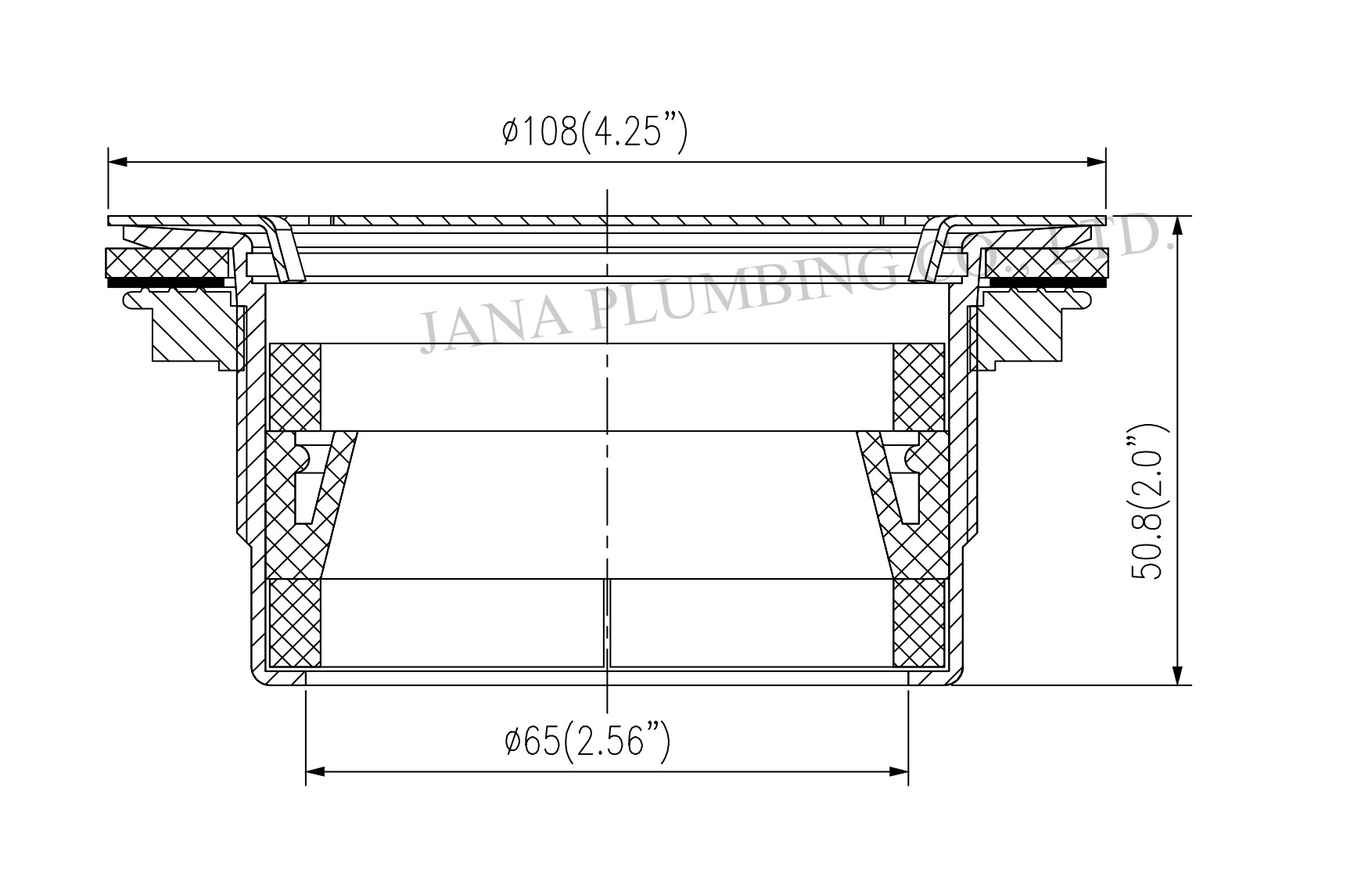
Installing a shower drain might seem like a small task. However, getting it right ensures a dry bathroom and happy showering for years. A few key steps make all the difference for a leak-free experience.
Verifying Pipe Size and Material for a No-Caulk Shower Drain
First things first, you must play detective with your pipes! Your drain needs a perfect match. Most shower drains connect to a 2-inch drainpipe. You should always confirm the size of your existing pipe. Also, check its material. Most modern homes use PVC or ABS plastic pipes. Your drain must be compatible with these materials. Always read the drain's instructions. They tell you exactly what pipe sizes and materials work best.
Ensuring Correct Pipe Height for a No-Caulk Shower Drain
Imagine the pipe as a pedestal for your drain. It needs to be just right. Experts say the pipe should sit flush with or slightly below the subfloor. More specifically, the top of the pipe should generally be about ¾” to 1″ below the shower drain flange's base. This precise height allows the drain to sit properly in the shower base. It creates a strong, reliable seal. Always follow the drain manufacturer’s instructions. Also, test-fit the shower pan. This helps determine the exact height needed for a perfect fit.
Preparing the Pipe End for a No-Caulk Shower Drain
A smooth start makes for a smooth finish. The end of your drainpipe must be perfectly clean and smooth. Any rough edges or burrs can stop the compression seal from working its magic. Use a pipe cutter to get a clean, straight cut. Then, use a deburring tool or sandpaper to smooth out the inside and outside edges. This simple step prevents leaks and ensures a tight connection.
Proper Washer Orientation for a No-Caulk Shower Drain
This little rubber ring is a big deal! The rubber washer, also called a gasket, creates the watertight seal. It has a flat side and a beveled side. You want the flat side to hug the bottom of the drain body, resting on its inside lip. The beveled side then points upwards, ready to create that perfect seal against the pipe. Installing it correctly is crucial. It ensures water stays in the pipe and not on your floor.
Securing the Body of a No-Caulk Shower Drain
Now comes the tightening part! You carefully lower the drain body into the shower base and onto the pipe. Then, you tighten the large compression nut. This nut squeezes the rubber washer against the pipe. It forms a super-tight, leak-proof connection. Do not overtighten it; you could damage the drain or pipe. Do not undertighten it either; that invites leaks. You want a snug, secure fit. The drain should not wobble at all.
Adhering to Local Codes for a No-Caulk Shower Drain
Before you even think about tightening that nut, a quick chat with your local plumbing codes is a must. These rules keep your home safe and your plumbing working correctly. For example, local codes often require each shower fixture in a room to have its own vent pipe. Shower waste openings must connect to an approved liquid waste receptor, like a floor drain. They also must sit at least 12 inches above floors below ground level.
The standard shower drain size should discharge into an approved plumbing fixture trap. This trap must handle the anticipated water volume at peak flow rates. A 2-inch pipe is the recommended size for a standard shower drain. This is larger than the 1.5-inch pipe often used for tubs. Shallower shower pans and a higher overflow risk in showers make the larger size necessary. Minimum drain sizes also vary based on shower head flow rates. For instance, a 1.5-inch drain works for a single 2.0 G.P.M shower head. Multiple 2.0 G.P.M shower heads or up to 10 G.P.M require a 2-inch drain. Up to 20 G.P.M needs a 3-inch drain, and up to 50 G.P.M requires a 4-inch drain.
Shower drains should slope correctly towards the main drainage system. A standard slope of 1/4 inch per foot ensures efficient water flow. The drainage, waste, and vent (DWV) system is crucial. The shower drain must connect to the home’s main drain line. Proper venting prevents pressure buildup and allows sewer gases to escape. A vent pipe should be installed within 6 feet of the trap and lead to the roof. Cleanouts are vital for easy maintenance and cleaning of the drain line. They should be positioned at strategic locations, ideally within a few feet of the shower drain. PVC pipes are generally accepted for drainage. Always check with your local building department. They provide the exact codes for your area.
Avoiding Common Mistakes with a No-Caulk Shower Drain
Even the cleverest plumbing solutions can go wrong with a few missteps. Avoiding common errors ensures your shower drain works perfectly and keeps water where it belongs.
Incorrect Pipe Preparation for a No-Caulk Shower Drain
Imagine trying to seal a leaky bucket with a torn patch. That is what happens with poor pipe preparation. The end of your drainpipe needs a clean, smooth surface. If you do not prepare it correctly, you risk big trouble. An incomplete solvent weld can happen. This means the pipe pushes all the cement to the far end of the fitting. This "snowplowing" effect leaves gaps. Water leaks from the connection. You might also get general water leaks. Nobody wants a smelly bathroom from hidden moisture. Always make sure the pipe end is perfectly smooth and free of burrs.
Overtightening or Undertightening a No-Caulk Shower Drain
Finding the perfect tension is like tuning a guitar string. Too loose, and it sounds flat. Too tight, and it snaps. The same goes for your drain's compression nut. Undertightening means the seal is not tight enough. Water will find a way out. Overtightening causes its own set of problems. A nut can crack. It might feel tight, but it will not stay secure. A cracked nut can expand. This causes the threads to slip. Then your drain becomes loose and leaky. Aim for snug and secure, not brute force.
Ignoring Manufacturer Instructions for a No-Caulk Shower Drain
Think of manufacturer instructions as a treasure map to a leak-free shower. Ignoring them means you are wandering in the dark. Manufacturers provide specific steps for a reason. They tell you to verify the vertical drainpipe size. They explain how to prepare the pipe end. They also guide you on the correct washer orientation. For example, the flat end of the washer goes down. The beveled side faces up. They even tell you if you need plumber’s putty or silicone. Always check local building and plumbing codes too. These instructions are not suggestions; they are essential for success.
Misunderstanding Shower Base Compatibility with a No-Caulk Shower Drain
This drain is a superstar for certain shower bases. It works best with preformed bases. These include fiberglass, acrylic, plastic, and metal. These bases offer a consistent surface. They allow the drain to create a strong seal. However, this drain is not usually the best choice for tiled shower floors. Tiled floors need a different type of drain. This drain connects to a waterproofing membrane under the tiles. A drain that only seals to the pipe cannot prevent water from seeping under the tiles. Always match the drain to your shower base type.
FAQ
Can a homeowner install a no-caulk shower drain?
Yes, many homeowners find installation straightforward. The design simplifies the process. However, always follow instructions carefully.
What tools are essential for installing this drain?
You will need a pipe cutter, a deburring tool, and a wrench. These tools help ensure a clean, secure connection.
How often should one clean a no-caulk shower drain?
Regular cleaning is best. The removable grid makes maintenance easy. Clean it as needed to prevent clogs and ensure smooth drainage.