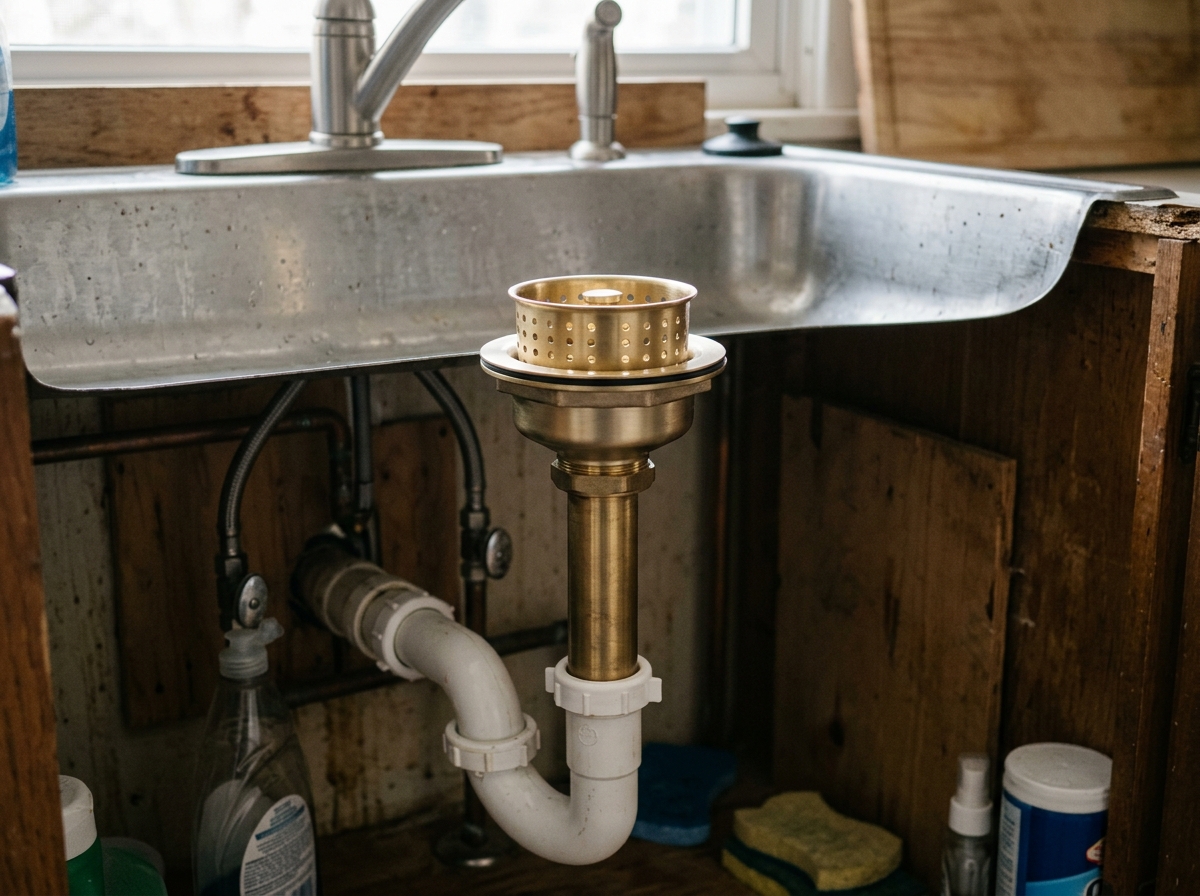
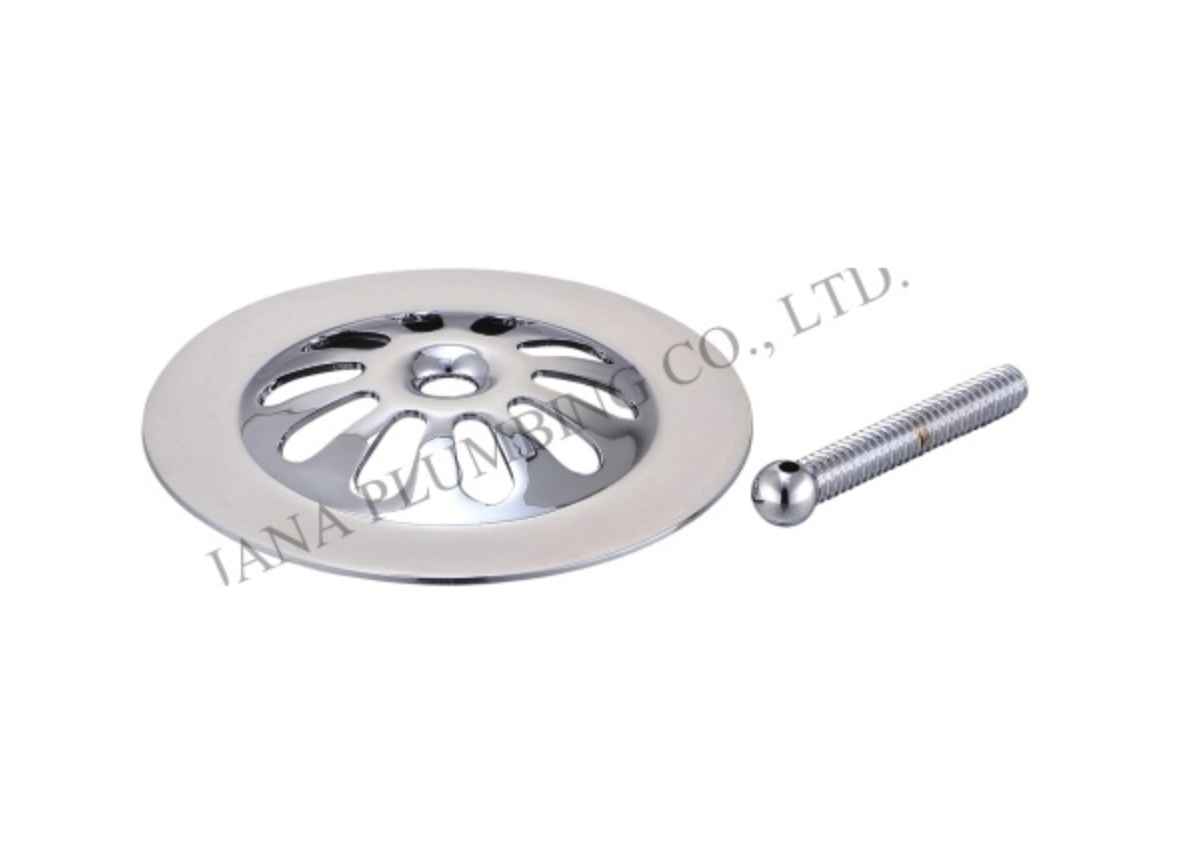
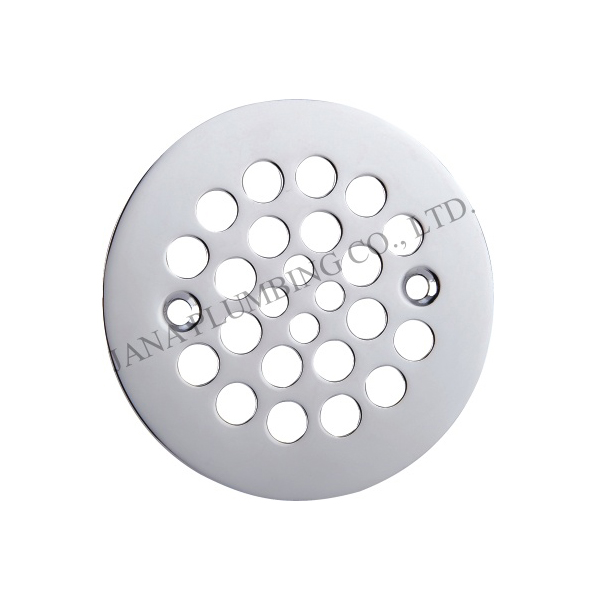
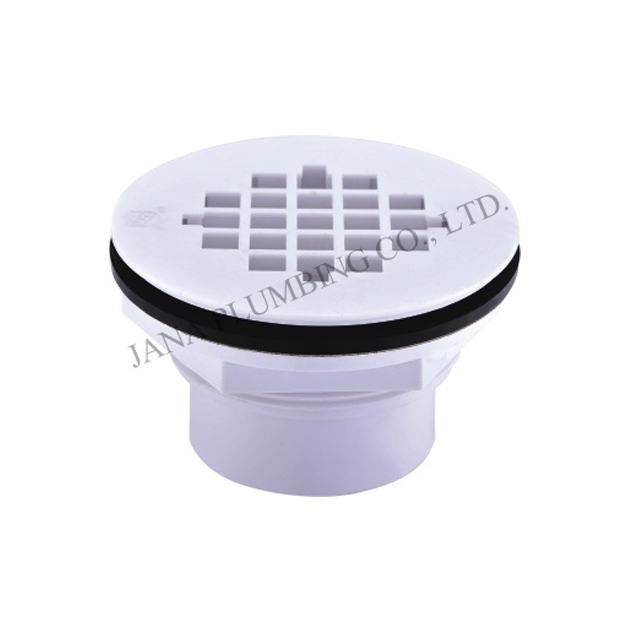
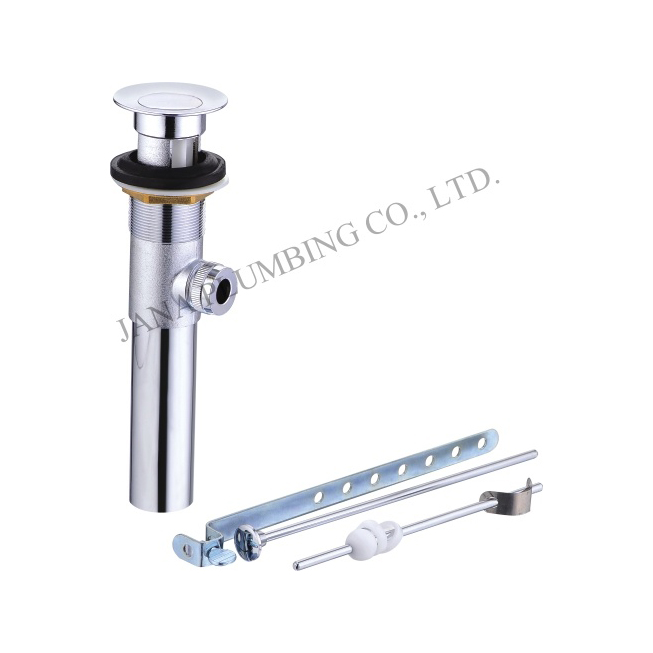
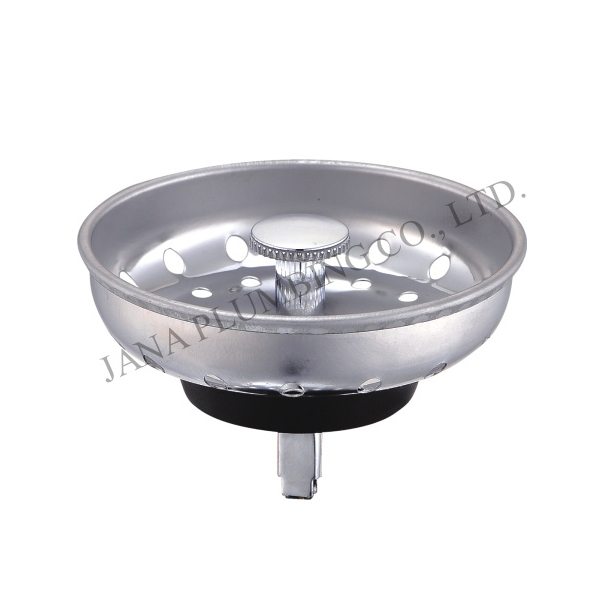
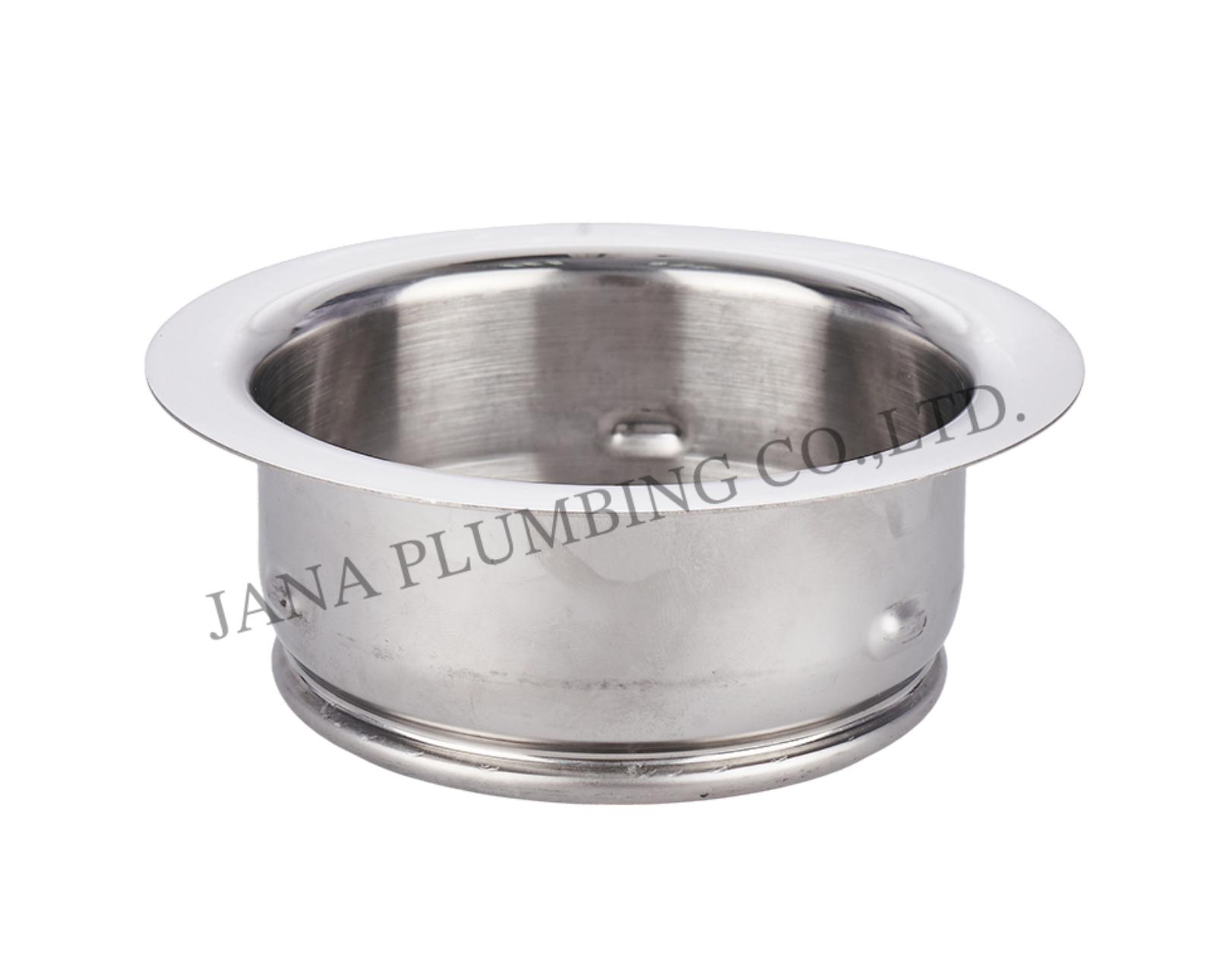
Imagine your sink with a perfect Tray Plug Bar Sink Strainer?
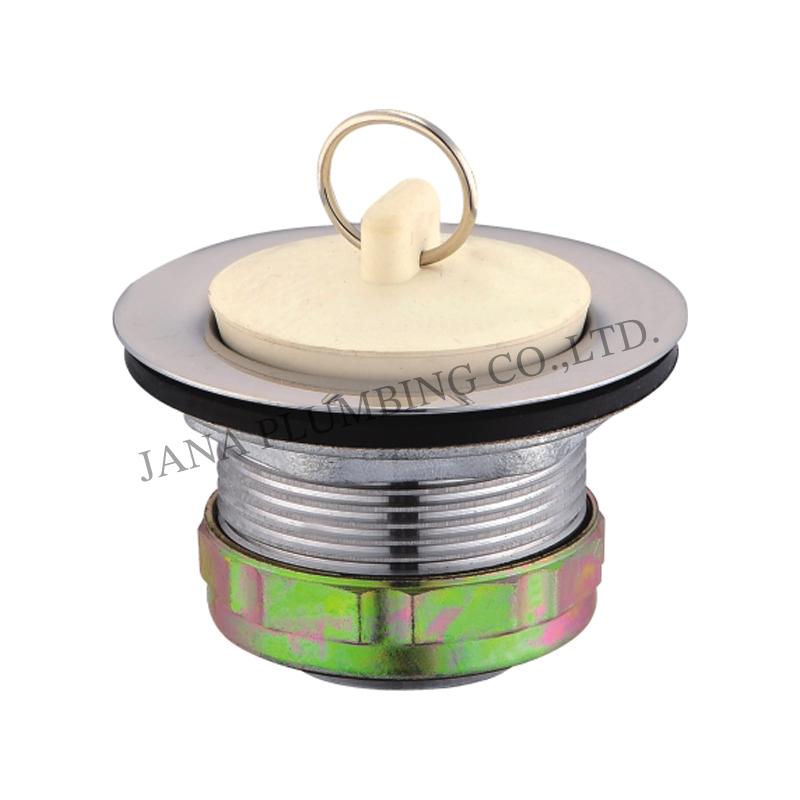
Are you tired of clogged sinks, messy food waste, and unpleasant odors in your kitchen? A simple, clever device can transform your daily kitchen routine. Discover a better way to manage your sink. A Tray Plug Bar Sink Strainer is the easy, effective solution you have been searching for. It offers a cleaner, more efficient kitchen experience.
Key Takeaways
- A Tray Plug Bar Sink Strainer stops food waste. It keeps your sink clean. It prevents clogs in your pipes.
- This strainer helps manage food waste. It offers a clean way to dispose of scraps. It is a good choice instead of a garbage disposal.
- The strainer improves kitchen hygiene. It stops bad smells. It is easy to install and clean.
What is a Tray Plug Bar Sink Strainer?
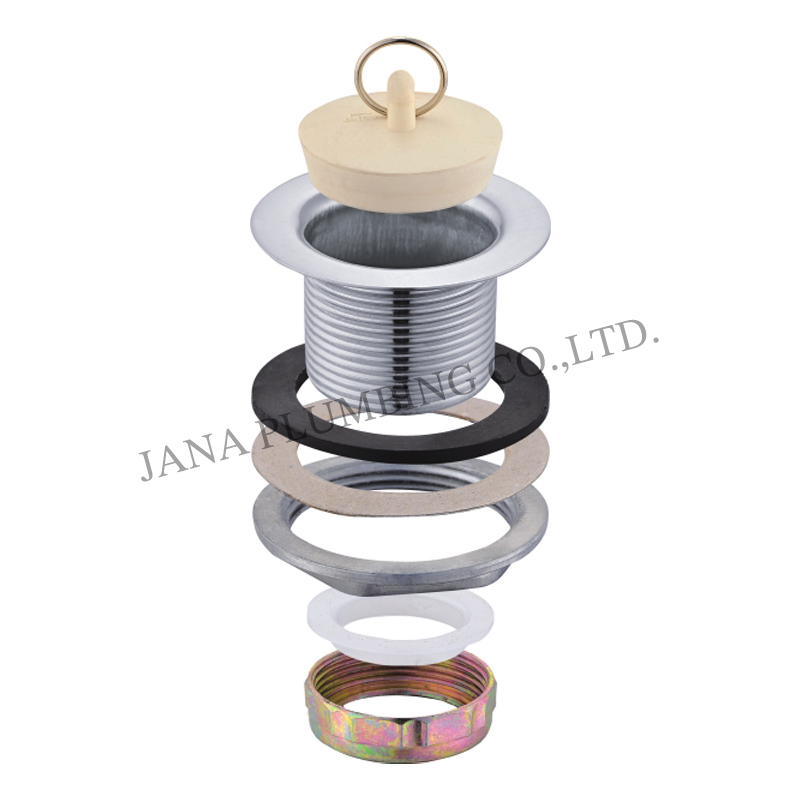
A Dual-Purpose Design for Modern Kitchens
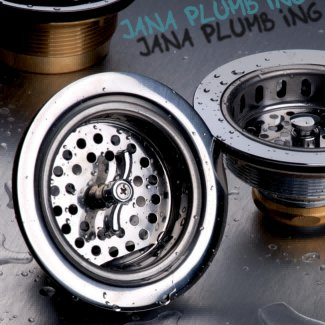
A Tray Plug Bar Sink Strainer offers a smart, integrated solution for your kitchen sink. It combines two essential functions into one clever device. This design acts as both a strainer to catch unwanted food scraps and a reliable stopper to prevent water drainage. Many models feature durable materials like silicone with sleek stainless steel accents, ensuring both functionality and a modern look. This dual-purpose approach simplifies your sink management. It keeps your kitchen cleaner and more efficient.
How This Innovative Strainer and Plug Works
This innovative device operates with remarkable simplicity. It features small holes that effectively allow liquids to pass through while retaining food debris. This prevents clogs in your plumbing. When you need to empty the collected contents, the design often allows you to turn it inside out for easy disposal. This makes cleaning quick and mess-free. High-quality materials ensure its durability, built to withstand daily use. Silicone edges prevent scratching your sink basin, protecting its finish. Furthermore, many are stain-resistant and dishwasher-safe, making maintenance effortless. This ensures your sink remains hygienic and fully functional.
The Ultimate Defense Against Clogs with a Tray Plug Bar Sink Strainer
Preventing Plumbing Nightmares
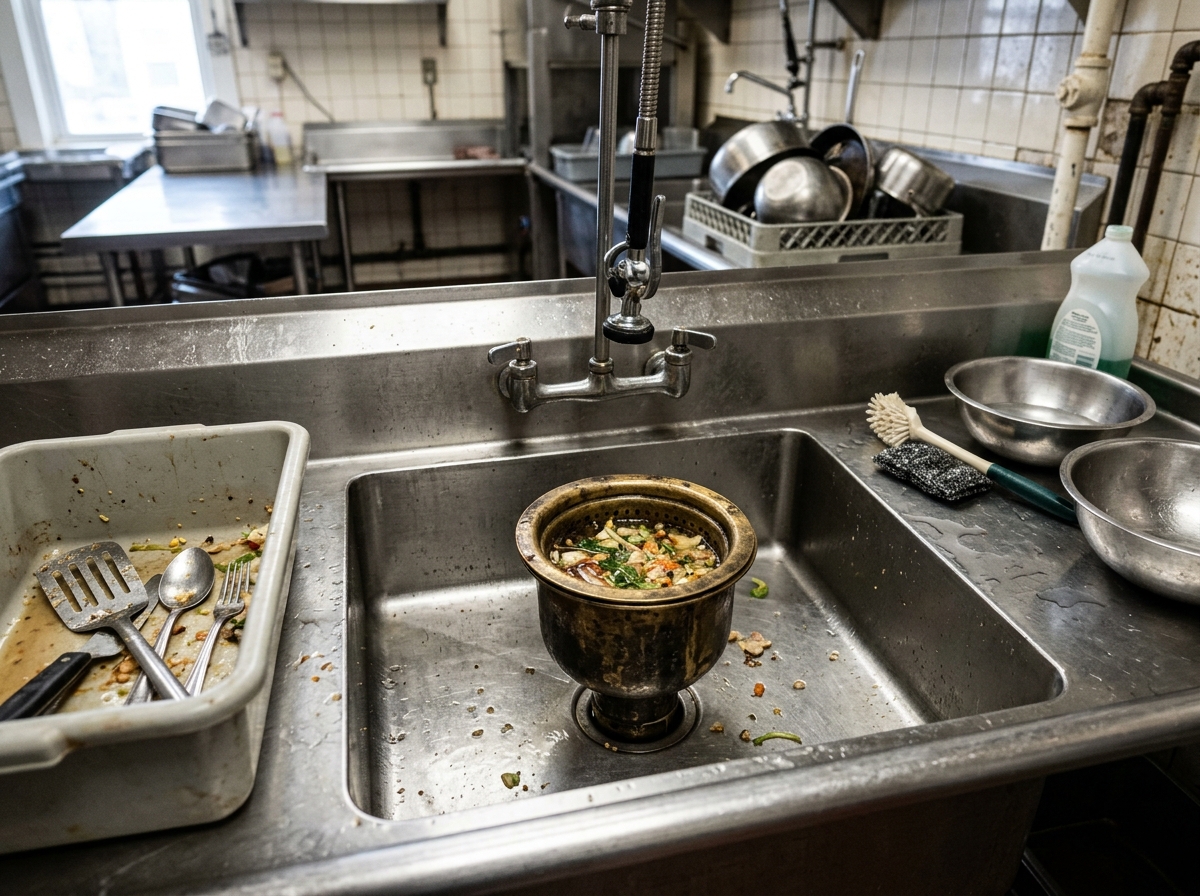
Kitchen sink clogs create frustrating plumbing nightmares. They disrupt daily routines and lead to costly repairs. A simple solution exists to prevent these issues. A Tray Plug Bar Sink Strainer acts as a crucial first line of defense. It stops debris before problems begin. Without this protection, common culprits like:
- Bacon grease
- Coffee grounds
- Oils
- Grease, fat, and oil
- Food waste, such as leftover pasta noodles
These items solidify in drain pipes over time. They cause significant drainage issues. Frequent drain clogs have serious long-term consequences for household plumbing systems. These include:
- Pipe Damage and Corrosion: Unresolved clogs increase pressure. This leads to cracks, leaks, or burst pipes. It also accelerates corrosion due to trapped moisture.
- Sewage Backups: Wastewater can flow back into fixtures. This poses a health hazard. It also causes significant property damage.
- Mold and Mildew Growth: Stagnant water and hidden leaks create ideal conditions for mold and mildew. This impacts indoor air quality and health.
- Foul Odors: Decomposing organic material in pipes emits unpleasant smells. These smells permeate living spaces.
- Higher Water Bills: Clogs can lead to leaks or inefficient water usage. This results in increased water consumption and higher bills.
- Costly Emergency Repairs: Minor clogs can escalate into major plumbing emergencies like pipe bursts. These incur significantly higher repair costs than routine maintenance.
A reliable strainer prevents these severe issues. It saves homeowners from stress and expense.
Protecting Your Pipes from Food Debris
Kitchen sink drains are particularly vulnerable to blockages. Grease, food particles, and cleaning chemicals cause these blockages. Even small amounts of grease solidify within pipes. This leads to the accumulation of other debris and significant clogs. In households, kitchen sinks frequently suffer from clogs due to food debris and grease buildup. The plumbing components most vulnerable to damage from food debris include various types of drains. These are floor drains, sink drains, and dishwasher connections. They are susceptible to blockages from food debris, coffee grounds, and starchy foods. Bar sinks are also vulnerable due to sugary residue and yeast deposits. Additionally, pipes are highly susceptible to clogging from Fats, Oils, and Grease (FOG). FOG solidifies and traps other debris.
Sink strainersoffer a simple yet highly effective way to prevent food debris from entering pipes. These inexpensive mesh screens sit over drain openings. They catch food particles that might otherwise slip through. Regular emptying and cleaning ensure their continued effectiveness. Strainers collect and separate FOG particles before they reach a grease trap. This provides a 'double straining process' to protect pipes from buildup. They remove the chance of paper and plastic waste, along with food particles, from ending up deep in a building’s plumbing. They catch particles large and small before they breach piping. By filtering waste properly and allowing water to flow freely, strainers improve efficiency. They prevent plumbing issues that disrupt kitchen workflow and cause delays. Consistently using a Drain Strainer helps avoid slow or clogged drains. This ensures optimal kitchen performance.
Effortless Food Waste Management with Your Tray Plug Bar Sink Strainer
Say Goodbye to Messy Hands
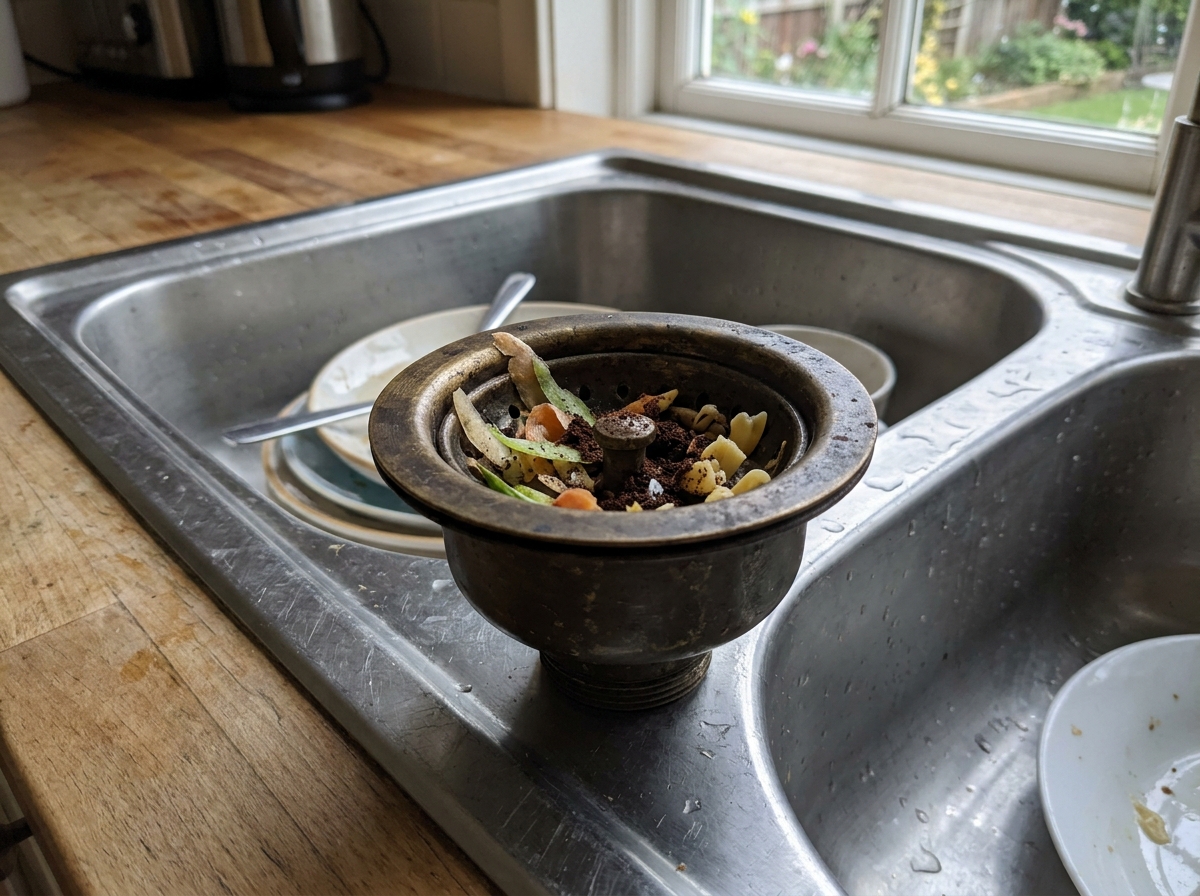
Managing food waste often involves unpleasant tasks. Scraping plates and handling soggy food scraps can feel messy and unhygienic. A Tray Plug Bar Sink Strainer offers a clean solution. It collects all food debris in one place. Users simply lift the strainer, invert it over a trash can, and empty the contents. This process eliminates the need to touch slimy food waste directly. It keeps hands clean and kitchens more sanitary. This simple tool transforms a dreaded chore into a quick, clean action. It makes daily kitchen cleanup much more pleasant.
An Alternative to Garbage Disposals
Many kitchens rely on garbage disposals for food waste. However, these appliances come with their own set of considerations. They can be noisy, require specific maintenance, and sometimes contribute to plumbing issues. A Tray Plug Bar Sink Strainer provides a quiet, low-maintenance alternative. It effectively captures food particles before they enter the drain. This prevents clogs without the need for electricity or complex machinery.
Furthermore, the environmental impact of food waste management methods varies significantly. A Life Cycle Assessment (LCA) evaluated different approaches to residential waste disposal. This study considered the entire waste stream, not just food waste. It assessed impacts on climate change, eutrophication, acidification, resource depletion, and stratospheric ozone depletion.
Here is how various methods compare in terms of environmental burdens:
| Method | Environmental Burdens (Relative to others) | Impact Categories Assessed |
|---|---|---|
| Anaerobic Digestion (AD) | Fewest environmental burdens | Climate change, eutrophication, acidification, resource depletion, stratospheric ozone depletion |
| Waste-to-Energy Incineration | Performed as good as or better than composting | Climate change, eutrophication, acidification, resource depletion, stratospheric ozone depletion |
| Tunnel Composting | Performed marginally better than WTE | Climate change, eutrophication, acidification, resource depletion, stratospheric ozone depletion |
| Windrow Composting | Performed the worst | Climate change, eutrophication, acidification, resource depletion, stratospheric ozone depletion |
The study revealed several key findings:
- Anaerobic digestion consistently resulted in the fewest environmental burdens among the evaluated food waste treatment methods.
- Waste-to-energy incineration performed comparably to or better than some composting methods.
- All modeled scenarios, including alternative food waste management, generally showed higher overall environmental burdens than savings. This emphasizes the critical need for waste avoidance.
- The study highlighted the importance of considering the entire waste system, not just the food waste fraction, when assessing environmental impacts. This helps in making decisions for sustainable waste management.
By using a sink strainer, users can easily collect food waste for composting or proper disposal. This supports more environmentally friendly waste management practices. It offers a simple, effective, and eco-conscious way to handle kitchen scraps.
Enhanced Hygiene and Odor Control with a Tray Plug Bar Sink Strainer
Keeping Your Sink Cleaner
A clean sink is a hygienic sink. Food particles and debris often accumulate around the drain opening, creating an unsightly and unsanitary environment. A Tray Plug Bar Sink Strainer acts as a barrier, effectively catching all solid waste before it enters your plumbing. This simple action keeps your sink basin visibly cleaner. It prevents grime from building up around the drain. Users find cleaning the sink much easier when they do not have to scrub away stuck-on food. This device ensures a consistently tidy and more sanitary kitchen workspace.
Eliminating Unpleasant Kitchen Odors
Unpleasant odors often plague kitchen sinks. These smells typically come from various sources. An unused drain can allow sewer gases to enter the home as the P-trap water evaporates. Greasy drains, where disposed grease solidifies and decomposes, produce rotten odors. Dirty garbage disposals, with trapped food particles, also contribute to foul smells. Food debris stuck in pipes, especially greasy food, fosters mold growth and rotten smells. Bacteria thrive in damp, dark environments like sink pipes, feeding on food particles and releasing distinct, unpleasant odors as they multiply. A Tray Plug Bar Sink Strainer directly combats these issues. It prevents food particles and grease from entering the drain. This significantly reduces the organic matter available for bacterial growth and decomposition. By capturing waste effectively, this essential tool helps eliminate the root causes of bad smells, ensuring your kitchen remains fresh and inviting.
Versatility and Convenience of a Tray Plug Bar Sink Strainer
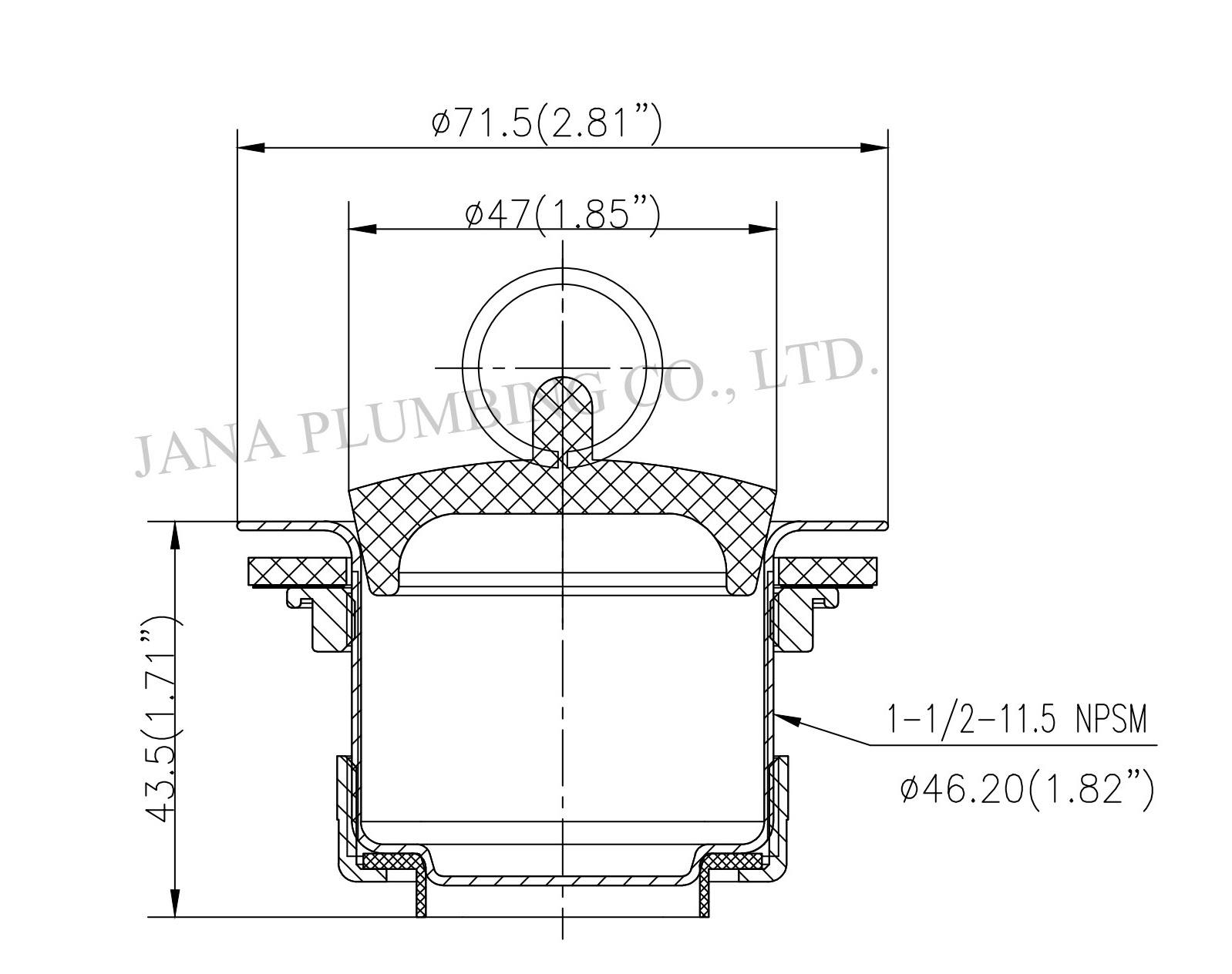
More Than Just a Basic Strainer
A quality sink strainer offers far more than simple debris collection. It serves as a multi-functional tool in any kitchen. This device acts as a reliable plug, allowing users to fill the sink for washing dishes or soaking stubborn pots. Its design often includes features like a comfortable handle for easy removal, making it user-friendly. Some models even come with a sleek, modern aesthetic that enhances the sink's appearance. This thoughtful design transforms a utilitarian item into a valuable kitchen asset. It proves that even small accessories can significantly improve kitchen functionality.
Simplifying Your Daily Kitchen Tasks
This innovative strainer streamlines many daily kitchen chores. Users can quickly switch between straining food particles and plugging the drain to fill the sink. This dual functionality saves time and effort. For example, after preparing a meal, one can easily scrape food waste into the strainer, then remove it for disposal. Later, they can plug the drain to soak dishes. This eliminates the need for separate stoppers or constant drain clearing. The easy-to-clean design also means less time spent on maintenance. It allows users to focus on cooking and enjoying their kitchen, rather than struggling with sink issues. This simple upgrade makes kitchen life noticeably easier and more efficient.
Durability and Longevity: A Smart Investment in a Tray Plug Bar Sink Strainer
Built to Last in Busy Kitchens
Kitchens experience constant activity. They demand tools that withstand daily use. A high-quality sink strainer meets these demands. Manufacturers design these strainers for resilience. They resist the wear and tear of busy kitchens. Users can rely on them for consistent performance. This robust construction means the strainer handles frequent washing, heavy food scraps, and regular cleaning. It maintains its integrity even with continuous exposure to water and detergents. This durability ensures the strainer remains a dependable part of your kitchen for years. It performs its job effectively, day after day.
The Long-Term Value of Quality Materials
Choosing a sink strainer made from superior materials offers significant long-term value. Premium materials resist common kitchen challenges. They do not rust or corrode, even with constant moisture exposure. This prevents unsightly stains in your sink. High-quality construction also means the strainer maintains its sleek appearance. It avoids deterioration over time. Investing in such a durable product saves money. Users avoid the need for frequent replacements. They also prevent potential plumbing issues caused by failing, cheap strainers. A well-made strainer is a smart, economical choice. It provides reliable service and peace of mind for many years.
Choosing the Right Tray Plug Bar Sink Strainer for Your Kitchen
Selecting the ideal sink strainer enhances both your kitchen's function and its appearance. Consider several factors to find the perfect match for your home.
Material Matters: Stainless Steel vs. Silicone Options
The material of your sink strainer significantly impacts its performance and longevity. Stainless steel options offer exceptional durability. They are strong and resist rust and corrosion effectively. This makes them a robust choice for busy kitchens. Alternatively, silicone strainers provide different benefits. They prevent scratching or damage to your sink, especially when used as a protector with stainless steel strainers. Silicone is also easier to clean than metal and has no rusting potential. Both materials offer distinct advantages; your choice depends on your priorities for durability and sink protection.
Ensuring the Perfect Size and Fit for Your Sink
A proper fit is crucial for any sink strainer. The standard drain pipe size for kitchen sinks is typically 1 1/2 inches in diameter. Larger sinks or those with disposals may require a 2-inch diameter. Always measure your sink's drain opening before purchasing. This ensures the strainer sits securely and functions effectively. Consulting local plumbing regulations can also help ensure compliance.
Blending Design and Aesthetics with Your Kitchen Decor
Your sink strainer can also contribute to your kitchen's overall look. Many strainers come in various finishes, from polished chrome to brushed nickel. Choose a design that complements your existing fixtures and decor. A well-chosen strainer adds a subtle touch of elegance, enhancing your kitchen's aesthetic appeal. It becomes a functional piece that also looks great.
Simple Installation and Maintenance for Your Tray Plug Bar Sink Strainer
Easy Drop-In Setup
Installing a new sink strainer is a straightforward process. It requires no special tools or plumbing expertise. Most strainers feature a simple drop-in design. This makes setup quick and hassle-free.
Here are the easy steps:
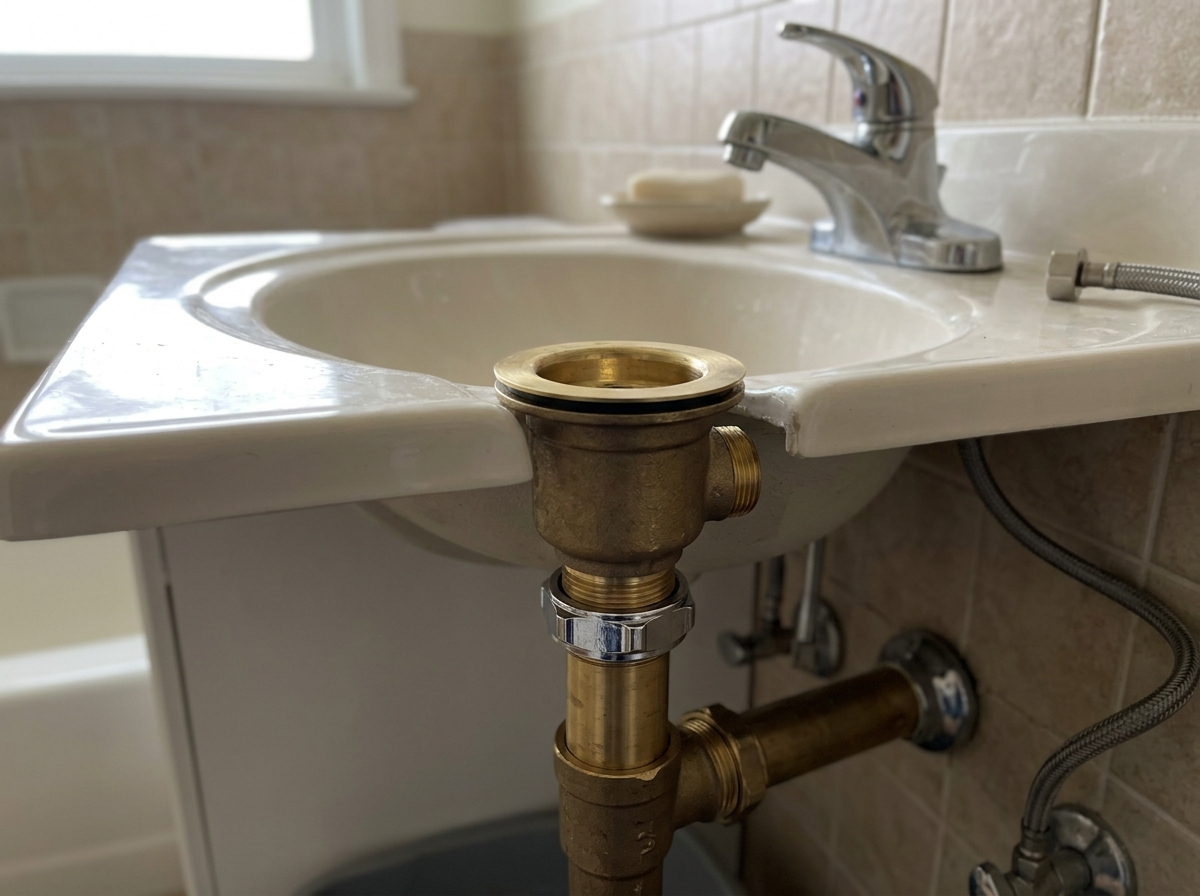
- Remove the Old Strainer: Disconnect the plumbing. Unscrew the locknut from beneath the sink. Lift out the old basket strainer. Clean away any old putty or silicone.
- Prepare for the New Strainer: Roll a ¼-inch thick rope of plumber’s putty. Press it around the drain hole. Insert the new strainer firmly into place. Ensure even putty distribution. Wipe away any excess.
- Secure the Assembly: From underneath the sink, slide on the rubber gasket, cardboard friction ring, and lock nut. Tighten the lock nut.
- Reconnect Plumbing: Reattach the drainpipe. Secure the tailpiece to the P-trap.
- Test for Leaks: Run water through the sink. Check for any drips. Tighten connections if leaks appear.
This simple process ensures a secure and functional installation.
Quick Cleaning Tips for Optimal Function
Maintaining a sink strainer is just as easy as installing it. Regular cleaning ensures optimal performance and hygiene. After each use, simply lift the strainer out of the drain. Empty any collected food debris into the trash. A quick rinse under running water removes most residue. For a deeper clean, a small brush or sponge with dish soap works well. This removes any stubborn grime or grease. Many strainers are also dishwasher-safe. This offers an even more convenient cleaning option. Avoid harsh abrasive cleaners or steel wool. These can damage the strainer's finish. Consistent, simple cleaning keeps the strainer looking new. It also ensures effective clog and odor prevention. This minimal effort provides maximum benefit for the kitchen.
A Tray Plug Bar Sink Strainer offers a small but mighty upgrade. It delivers significant benefits to any kitchen. This ingenious device transforms the kitchen sink experience from frustrating to fantastic. Users should invest in this simple solution today. They will enjoy a cleaner, more efficient kitchen every day.
FAQ
How does a sink strainer prevent clogs?
It effectively catches food particles and debris. This stops them from entering your pipes. It protects your plumbing from costly blockages.
Is this strainer easy to clean?
Yes, cleaning is simple. Users just lift it out, empty the contents, and rinse it. Many models are also dishwasher-safe for convenience.
Will this strainer fit my sink?
Most strainers accommodate standard sink openings. Measure your drain's diameter to ensure a perfect fit. This guarantees optimal performance.