How Do Sink and Basin Crumb Cups Enhance Home Hygiene and Prevent Clogs?
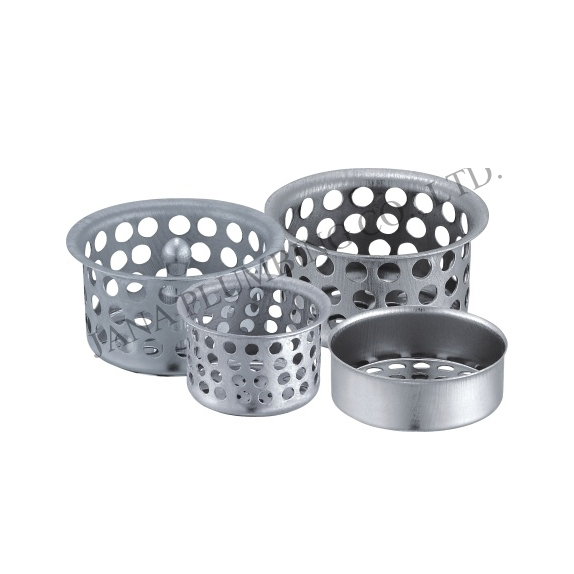
Sink And Basin Crumb Cups are essential for maximizing hygiene. They prevent food debris and other particles from clogging drains, which can foster bacterial growth. Professional drain cleaning services often cost between $100 and $600. Using Sink And Basin Crumb Cups helps avoid these expenses. This guide shows how to achieve a cleaner home.
Key Takeaways
- Crumb cups stop food and hair from going down the drain. This prevents clogs and keeps your home clean.
- Choose crumb cups made of metal for long-lasting use. Make sure they fit your sink drain size well.
- Clean your crumb cups every day. This stops bad smells and keeps germs away from your sink.
Understanding the Hygiene Impact of Sink And Basin Crumb Cups
Why Clogged Drains are Unhygienic
Clogged drains create a breeding ground for harmful microorganisms. Food particles, grease, and other debris accumulate, providing a rich nutrient source for bacteria. This stagnant environment allows various pathogens to thrive. For instance, common bacteria like Escherichia coli, Salmonella, and Staphylococcus aureus frequently grow in these conditions. Campylobacter Jejuni and Legionella also find ideal habitats in plumbing systems. These bacteria pose significant health risks to household members.
Note: Biofilm is a slimy, glue-like substance. Bacteria, fungi, and other microorganisms form it. They colonize drain surfaces. Free-floating bacteria attach to the surface. They then secrete extracellular polymeric substances (EPS). This creates a protective matrix. This process leads to microcolonies and mature biofilm. Organic matter and particles in flushed water act as nutrients. Drains offer a consistently moist environment and ample organic matter. These are ideal conditions for biofilm development.
The presence of these microorganisms can lead to several health problems. Biofilms in drains release airborne microbes. These microbes can trigger respiratory issues such as asthma, persistent coughs, and upper respiratory infections. Kitchen drains, especially those with garbage disposals, can harbor pathogens. Cross-contamination during hand washing or dishwashing can cause recurring gastrointestinal distress. Shower and Bath Drains often harbor bacteria likePseudomonas. This can cause folliculitis and other skin infections. Chronic exposure to drainage gases, like hydrogen sulfide, can even lead to neurological effects. These include headaches, concentration difficulties, and sleep disturbances. Children are particularly vulnerable to these impacts.
How Sink And Basin Crumb Cups Act as a First Line of Defense
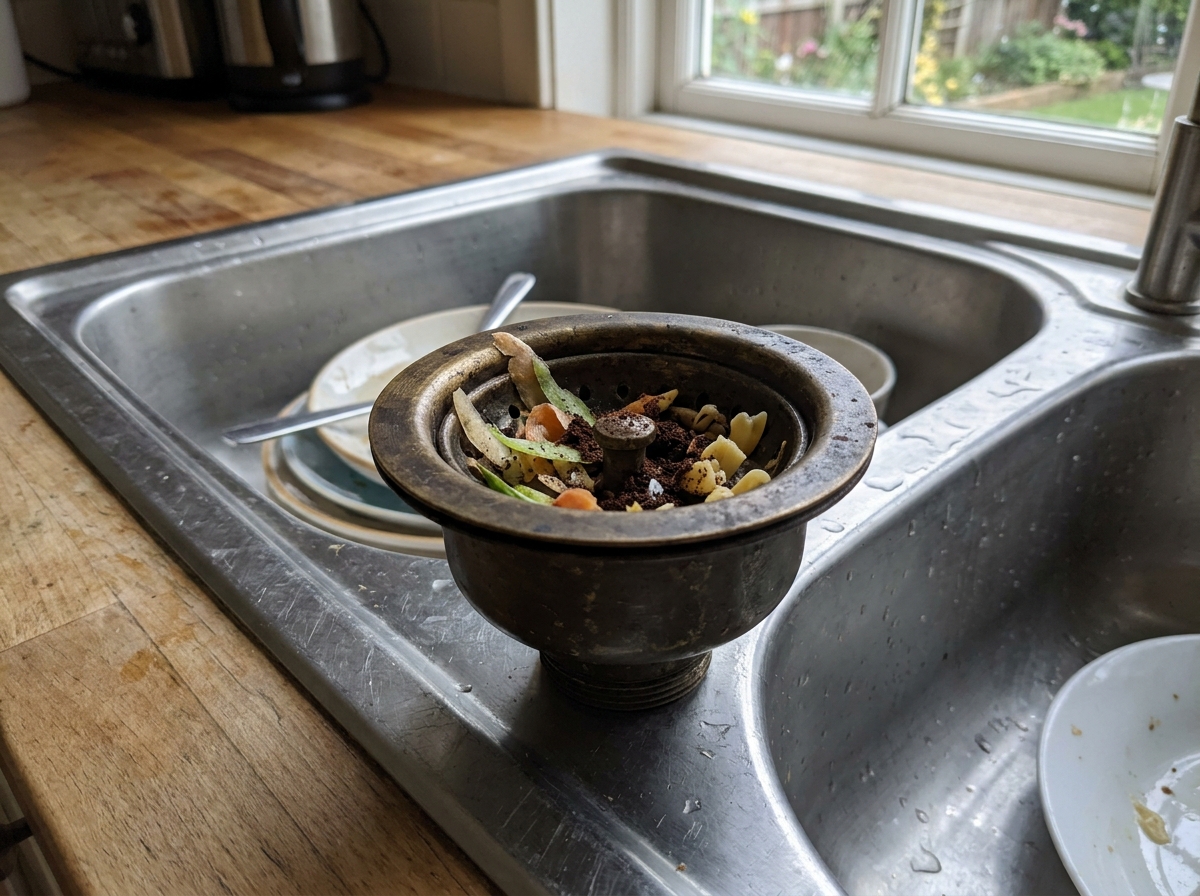
Sink And Basin Crumb Cups offer a simple yet powerful solution. They act as a physical barrier. These cups prevent food debris, hair, and other particles from entering the drain system. By catching these materials, they stop the initial accumulation that leads to clogs. This proactive measure significantly reduces the amount of organic matter available for bacterial growth. When debris cannot enter the drain, bacteria lose their primary food source. This disrupts the entire cycle of microbial proliferation. The cups ensure water flows freely, preventing stagnant conditions. This free flow makes it harder for bacteria to establish colonies.
Preventing Biofilm Buildup and Germ Spread with Crumb Cups
Crumb cups play a crucial role in preventing biofilm buildup. Biofilms, those slimy layers of bacteria and fungi, thrive on accumulated organic matter. By intercepting this matter, crumb cups starve the biofilm. This makes it difficult for microorganisms to form their protective matrices. Without a robust biofilm, the drain remains cleaner and less hospitable to pathogens. This directly reduces the spread of germs. When you remove and clean the crumb cup, you remove the trapped debris and the associated bacteria. This prevents them from dispersing into the air or back into your water supply. Regularly emptying and cleaning these cups breaks the chain of germ transmission. This contributes to a much healthier home environment.
Choosing the Right Sink And Basin Crumb Cups for Your Home
Selecting the correct crumb cup significantly impacts your home's hygiene. Thoughtful choices ensure maximum effectiveness and longevity.
Material Matters for Crumb Cups
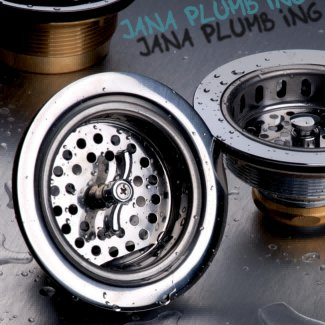
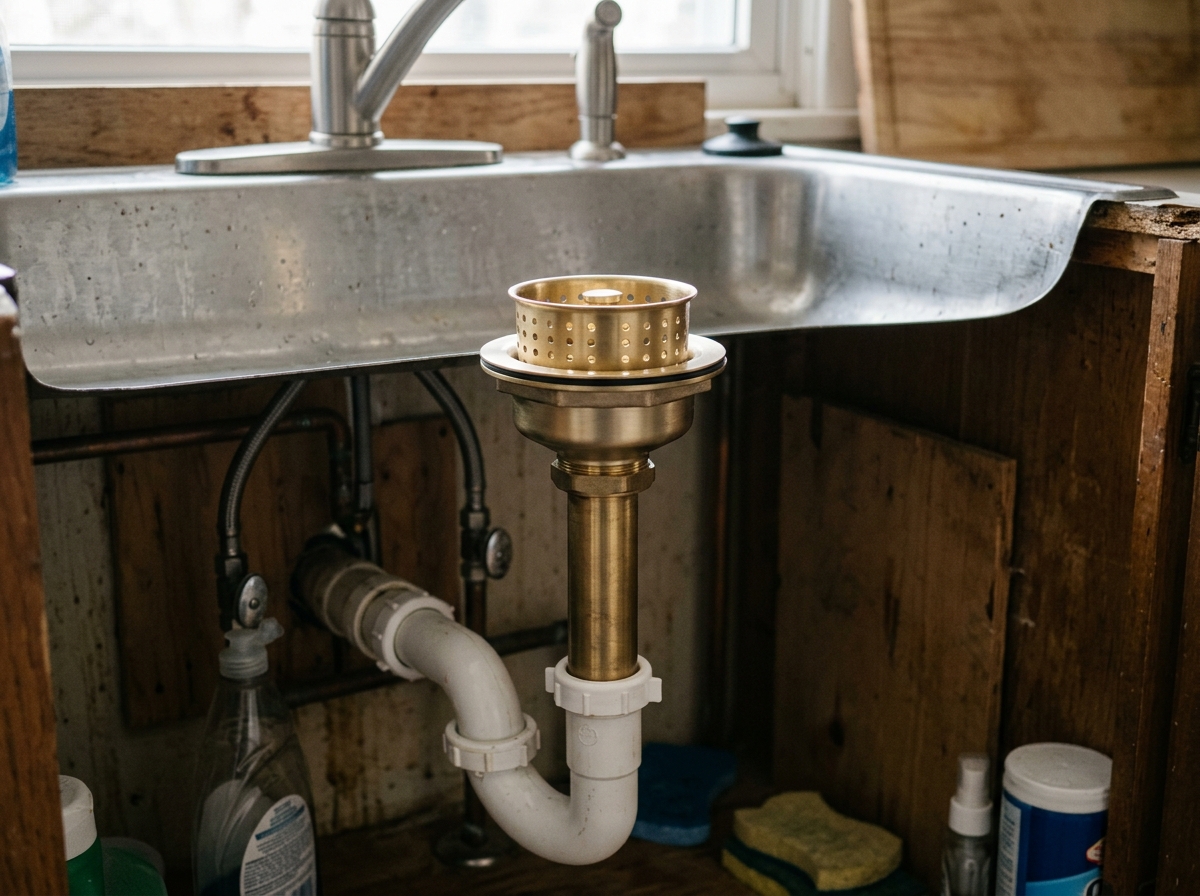
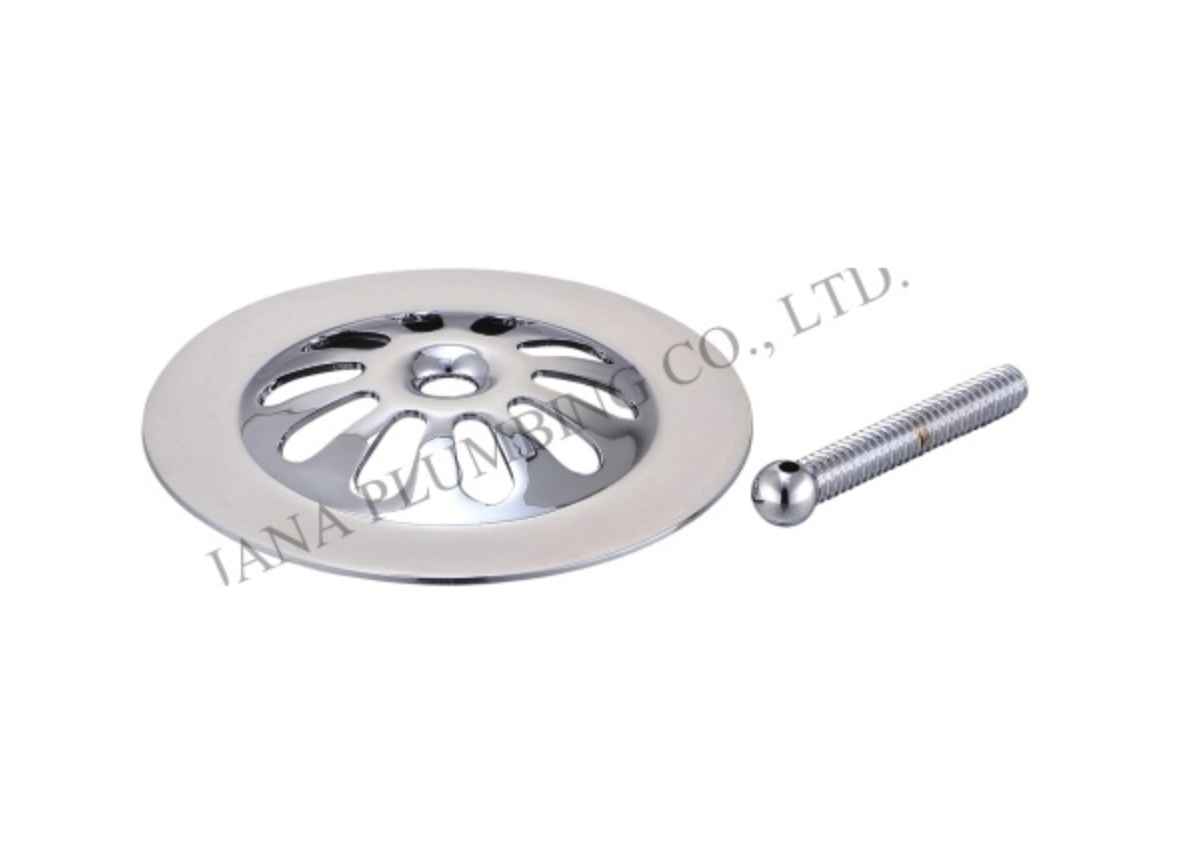
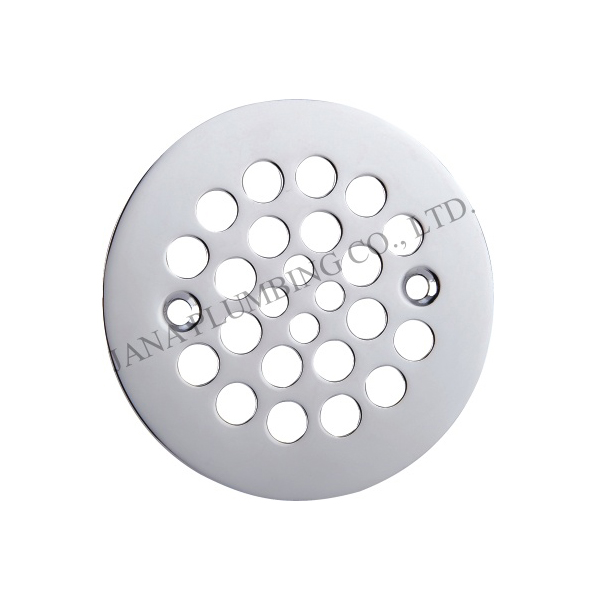
The material of your crumb cup directly affects its durability and cleanliness. Metal construction, especially with a chrome plated finish, offers superior benefits. This finish provides a shiny, corrosion-resistant surface. It also significantly enhances the crumb cup's overall durability. An all-metal construction ensures the product withstands daily use. It resists rust and corrosion, maintaining its pristine appearance for years. Choosing robust materials guarantees a long-lasting and hygienic solution.
Size and Fit for Optimal Debris Capture
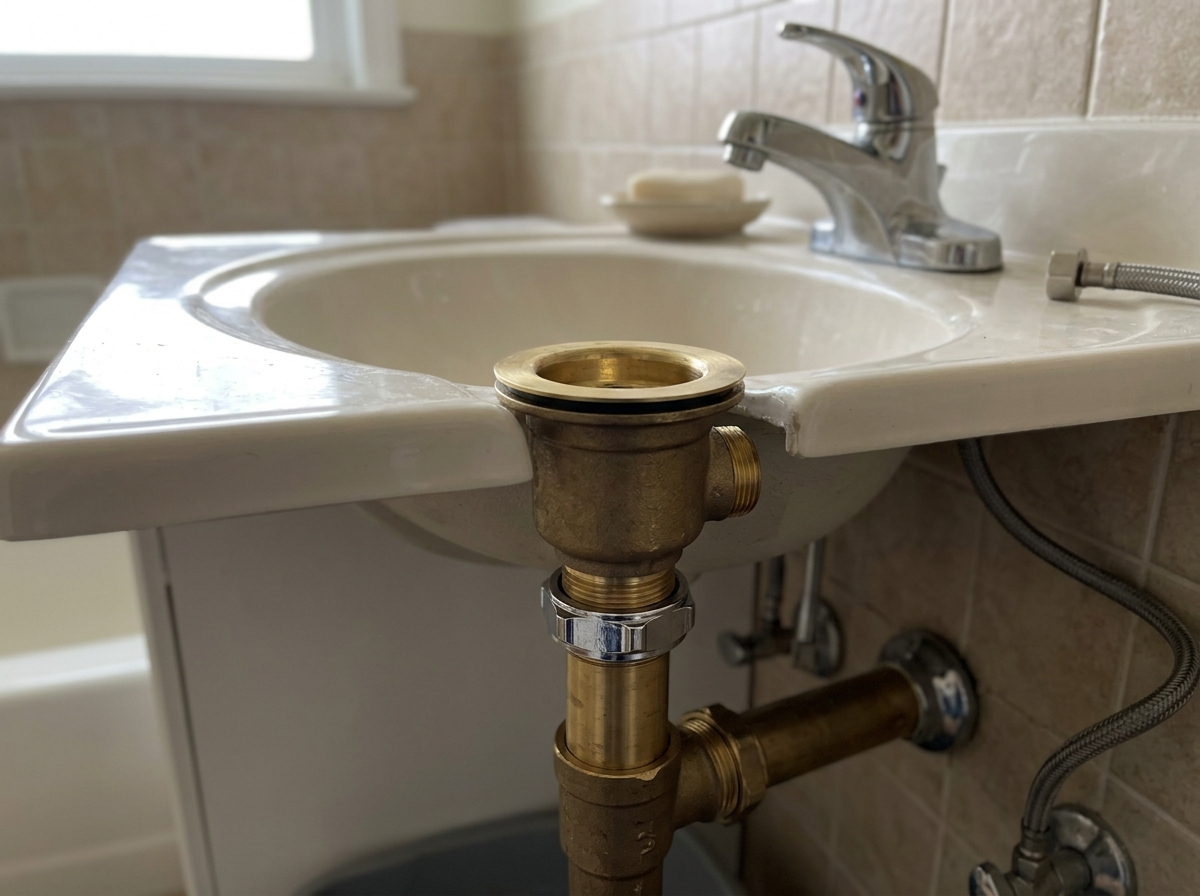
Correct sizing is paramount for effective debris capture. A crumb cup must fit snugly into your drain opening. Bathroom sinks commonly feature a 1 ¼ inch drain pipe diameter. Kitchen sinks typically use a 1 ½ inch drain pipe diameter. For kitchen sinks, the standard universal drain hole measures 3-½ inches. This size accommodates various drain assemblies. Matching the crumb cup to these precise dimensions prevents debris from bypassing the filter. This ensures optimal performance and prevents clogs.
Design Innovations for Enhanced Crumb Cup Hygiene
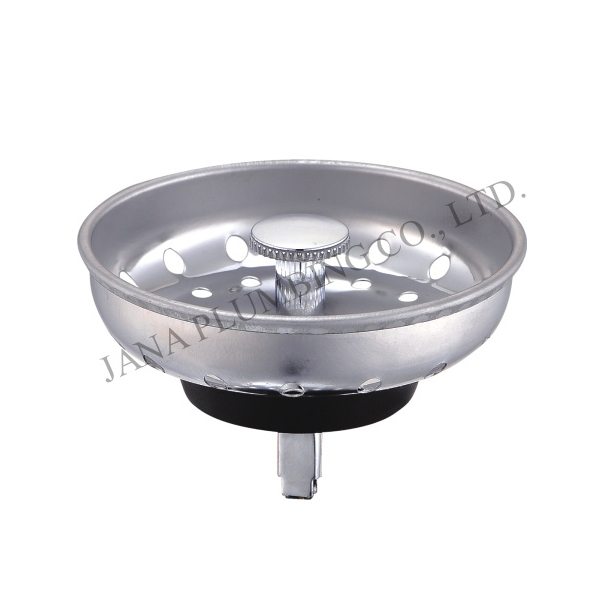
Modern crumb cups incorporate smart designs for easier cleaning and maintenance. A lift post feature allows users to remove the strainer effortlessly. This makes debris disposal quick and hassle-free. Some models include an extra-deep removable basket. This design captures more food particles and debris while still allowing efficient water drainage. A slip-in design with a built-in metal handle also facilitates easy removal and cleaning. These innovations ensure you can maintain peak hygiene with minimal effort.
Compatibility with Sink and Basin Types
Consider your sink or basin type when choosing a crumb cup. Kitchen sinks handle heavy food waste, requiring robust and efficient filters. Bathroom basins primarily deal with hair and soap scum. Ensure the chosen Sink And Basin Crumb Cups perfectly match the drain opening. This prevents any debris from slipping past. Selecting the right cup for its intended use maximizes its effectiveness and contributes to a cleaner home.
Best Practices for Sink And Basin Crumb Cups Usage and Maintenance
Proper usage and maintenance of your Sink And Basin Crumb Cups ensure they perform optimally. These practices keep your home hygienic and extend the life of your essential accessories. Following these steps guarantees a cleaner, healthier environment.
Daily Routine for Crumb Cup Hygiene
A consistent daily routine keeps your crumb cups effective and sanitary. After finishing the last dishes, give the sink basin a quick scrub. Use a sponge and dish soap or a gentle abrasive cleaner. Rinse the sink clean. This prevents bacteria growth and eliminates odors. People should clean the sink of any food debris every day. Wash the kitchen sink daily with hot water, dish soap, and a sponge. Rinse the sink very well after washing. This simple habit prevents buildup and maintains freshness.
Deep Cleaning Methods for Sink And Basin Crumb Cups
Regular deep cleaning tackles stubborn grime and ensures maximum hygiene. Different materials require specific approaches.
For stainless steel crumb cups, a highly effective deep cleaning method uses baking soda and vinegar. First, add a spoonful of baking soda and a generous splash of any type of vinegar into the cup. Watch the concoction bubble. This shows the cleaning action is taking place. Use a rag or sponge to wipe the inside of the cup. Give it a shake. Rinse the cup thoroughly with fresh hot water. This removes any residual tastes. This method efficiently removes stubborn coffee stains that can linger. Avoid certain materials when deep cleaning stainless steel crumb cups. Bleach contains oxidizing agents. These can strip away the protective layer that makes steel stainless. This makes the cleaning counterproductive. Steel wool or metal scrubbers can leave scratches. These scratches can accumulate residue. Use non-abrasive sponges instead.
Silicone crumb cups require different deep cleaning methods. Boil the silicone item, then rinse it thoroughly. Another option is a baking soda soak. Soak the item in a mixture of about 1/4 cup of baking soda in a sink full of water. Let it sit for several hours or overnight. Then rinse it well. After washing, rinse the item with a solution of equal parts white vinegar and water. Follow with a good rinse with clean water. Do not use harsh cleaning agents or abrasive scrubbers. These can damage the silicone. They can also worsen taste or odor issues.
Troubleshooting Common Crumb Cup Issues
Crumb cups can sometimes develop common issues like odors or discoloration. Addressing these problems promptly maintains hygiene.
Unpleasant odors often arise from a poor cleaning routine. Not cleaning the cup properly after each use leads to smells. Resolve this by cleaning the cup daily. Perform a thorough deep cleaning at least once a week. The material used can also affect odor. Plastic mugs are more prone to retaining smells. Residue, oils, and bacteria can lodge in abrasions or scratches. Bacteria and mold can grow in warm, moist, low-light environments. These often hide under rubber seals or inside mouthpieces. To remove odor after washing with soap and water, fill one-quarter of the cup with vinegar. Fill the rest with hot water. Let it sit overnight. Then empty and rinse. For stains or buildup, add a couple of tablespoons of baking soda or two denture cleaning tablets. Fill with hot water, shake, and let sit for a few hours. Rinse again with soap and water. For mold, after thoroughly washing all parts, add one teaspoon of bleach to the cup. Fill with cool water. Let it sit overnight. Empty, clean with dish soap, and rinse. Soaking mouthpieces, straws, and rubber gaskets in bleach for 30 minutes also helps. Prevent odors by cleaning daily with warm water and dish soap. Store cups upside-down and tilted with the top off. This allows drainage. Rinse with hot water before filling. Use bottle and straw brushes. Disassemble and clean rubber pieces, straws, and spouts weekly. Avoid storing cups in hot areas. Choose less textured cups to prevent hidden mold.
Discoloration can also occur. For stubborn tea or coffee stains, create a paste using baking soda and water. Apply it gently with a soft cloth. Rub in circular motions. Then rinse thoroughly with warm water. For general discoloration or crazing stains, a rinse in warm water with a little white vinegar quickly restores sparkle. Lemon juice, toothpaste, white vinegar, and baking soda paste all effectively remove discoloration. Apply any of these compounds to the stain. After an hour, the cup will be clean.
When to Replace Your Sink And Basin Crumb Cups
Even with the best care, crumb cups do not last forever. Look for signs of wear and tear. If you see cracks, chips, or significant warping, replace the cup. These damages can trap debris and bacteria. This makes proper cleaning impossible. Persistent odors or stains, even after deep cleaning, also signal replacement. This means the material has absorbed contaminants. A degraded crumb cup cannot effectively prevent clogs or maintain hygiene. Replacing it ensures your sink remains clean and functional. This protects your plumbing system.
Integrating Sink And Basin Crumb Cups into a Holistic Home Hygiene Strategy
Complementary Cleaning Habits with Crumb Cups
Crumb cups work best when people combine them with other cleaning habits. Regularly wiping down sink surfaces prevents grime buildup. Disinfecting countertops and faucets removes germs. These actions, paired with crumb cups, create a powerful defense against bacteria. Crumb cups handle debris, while other habits tackle surface contamination. This combined approach ensures a truly clean and healthy home environment.
Kitchen Hygiene Benefits of Crumb Cups
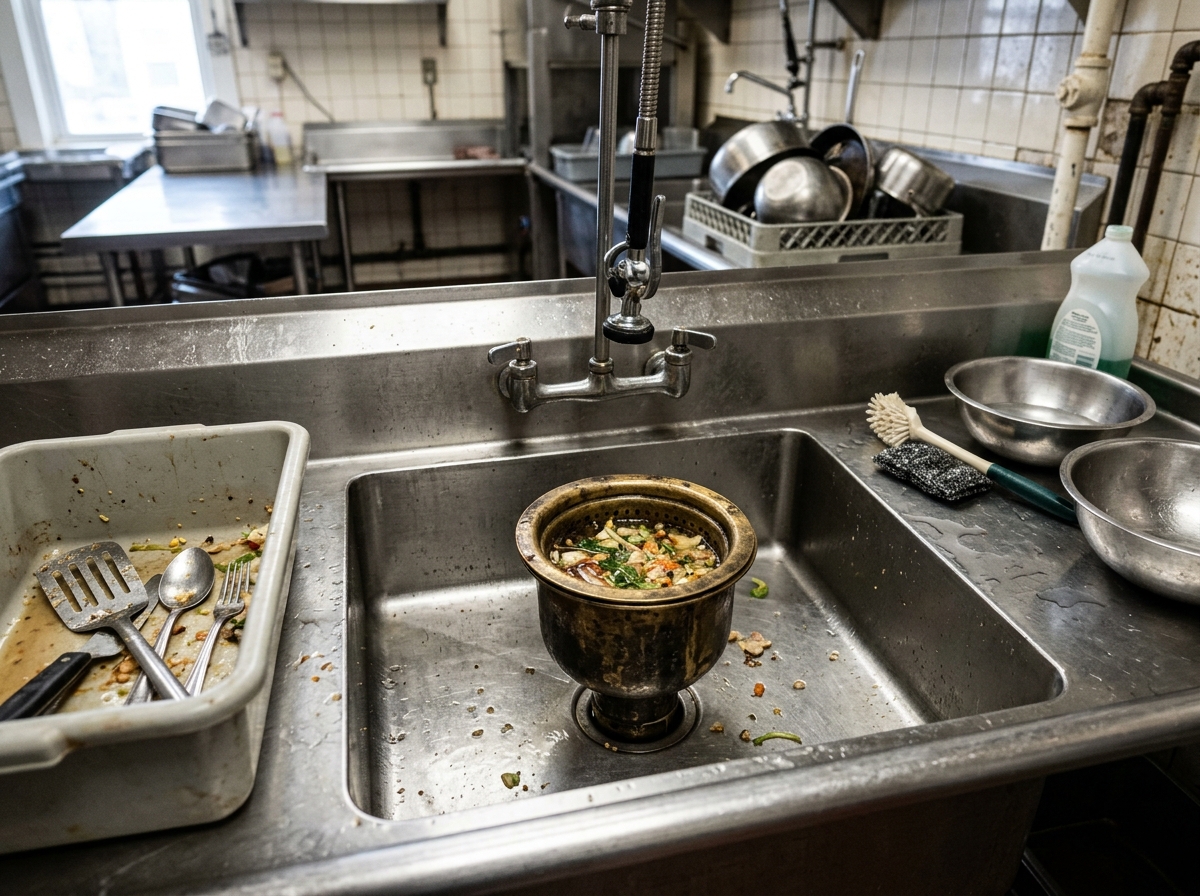
Kitchens benefit greatly from crumb cups. They stop food scraps from entering drains. This prevents clogs and reduces unpleasant odors from decaying food. Crumb cups also help maintain a cleaner sink area. They catch small particles before they can stick to the basin. This makes daily kitchen cleanup much easier and more effective. A clean kitchen sink supports overall food safety.
Bathroom Hygiene Benefits of Crumb Cups
Bathrooms also become more hygienic with crumb cups. They efficiently collect hair and soap scum. This prevents blockages and maintains smooth water flow. Crumb cups act as a protective barrier, keeping drains clear. They reduce the need for frequent plumbing maintenance. These benefits make them ideal for promoting cleanliness and hygiene in any bathroom.
Long-Term Plumbing Protection with Crumb Cups
Using Sink And Basin Crumb Cups offers significant long-term plumbing protection. They prevent debris from entering pipes. This stops clogs before they start. Fewer clogs mean less strain on your plumbing system. This reduces the need for expensive repairs and extends the life of your pipes. Investing in crumb cups protects your home's entire plumbing infrastructure for years.
Understanding, selecting, and properly maintaining crumb cups significantly enhances your home's hygiene. Crumb cups prevent common drain issues. They contribute to a cleaner, healthier living environment in 2025 and beyond. Make crumb cups an indispensable part of your daily routine. They protect your home's plumbing and promote overall cleanliness.
FAQ
How often should one clean a crumb cup?
Users should clean crumb cups daily. This prevents debris buildup and maintains hygiene. Regular cleaning stops odors and keeps the cup effective.
Can crumb cups prevent all drain clogs?
Crumb cups significantly reduce clogs. They catch most debris before it enters the drain. This proactive measure protects plumbing from common blockages.
Are crumb cups difficult to install?
Crumb cups are very easy to install. Users simply place them into the drain opening. No tools or complicated steps are necessary for proper placement.