


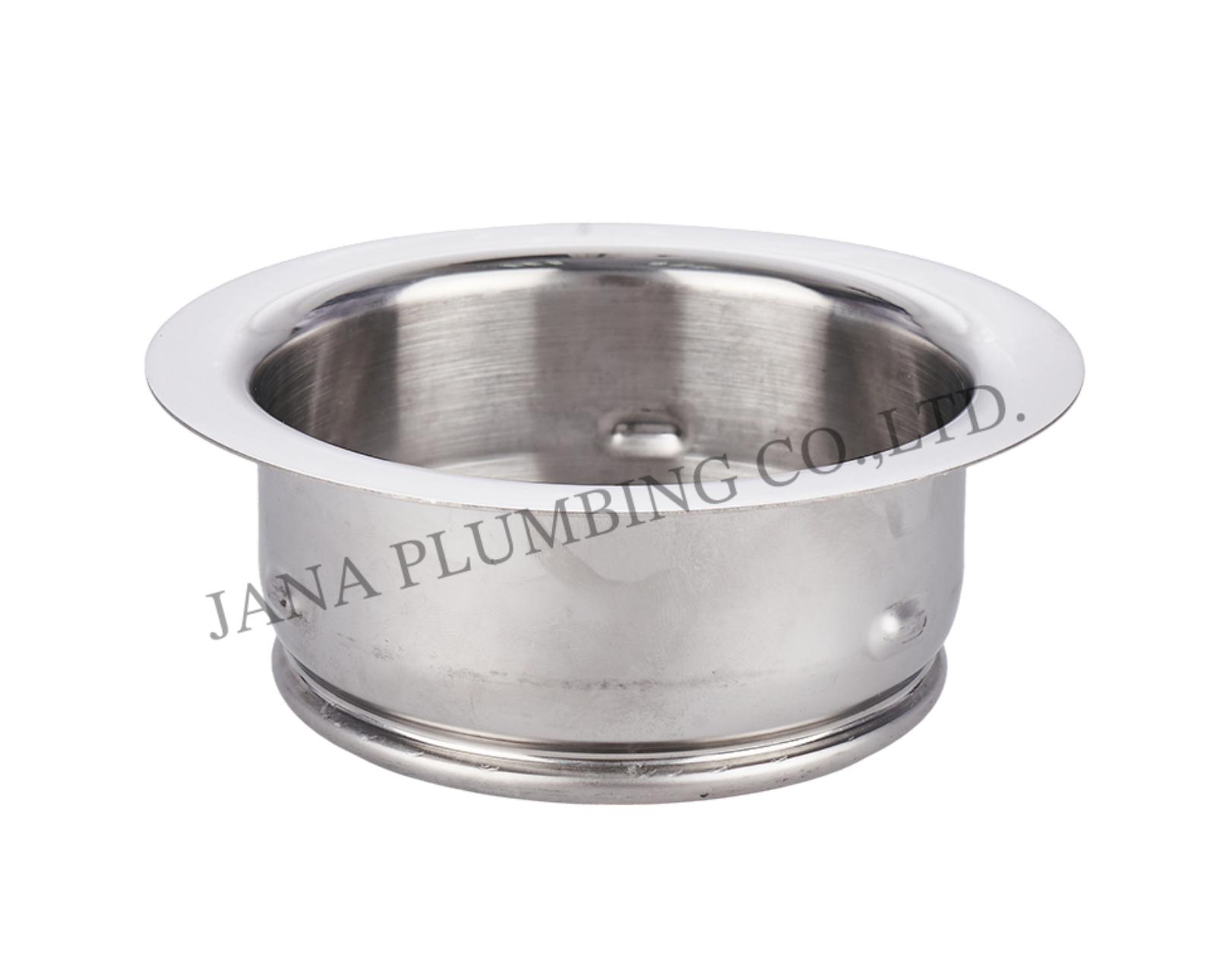
How Can a Brass Sink Strainer Help Prevent Clogs
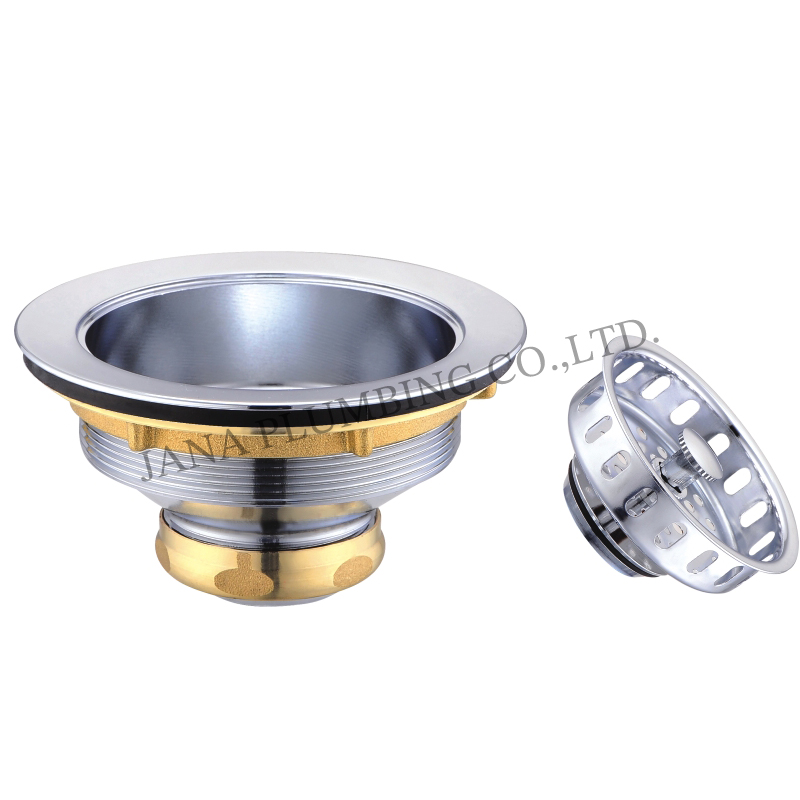
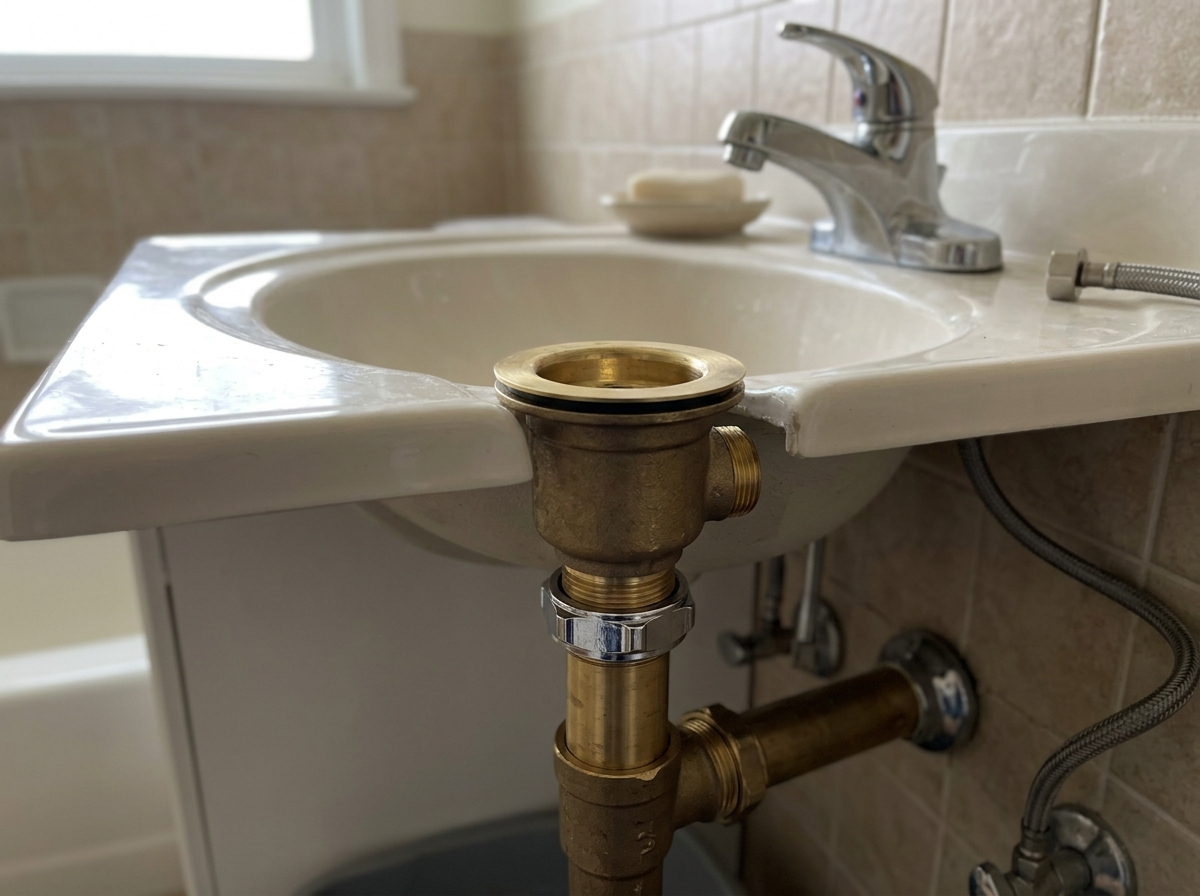
Brass Sink Strainers effectively capture debris before it enters the plumbing system. They play a crucial role in preventing clogs, which can lead to costly repairs and plumbing problems. Understanding how brass sink strainers function helps maintain plumbing systems efficiently.
Key Takeaways
- Brass sink strainers are durable and can last 40 to 70 years, making them a smart investment for homeowners.
- Regular cleaning of brass sink strainers is essential. Use mild detergent and rinse thoroughly to maintain optimal performance.
- Proper installation techniques are crucial. Ensure a good seal to prevent leaks and clogs, enhancing the strainer's effectiveness.
Benefits of Brass Sink Strainers
Durability and Longevity
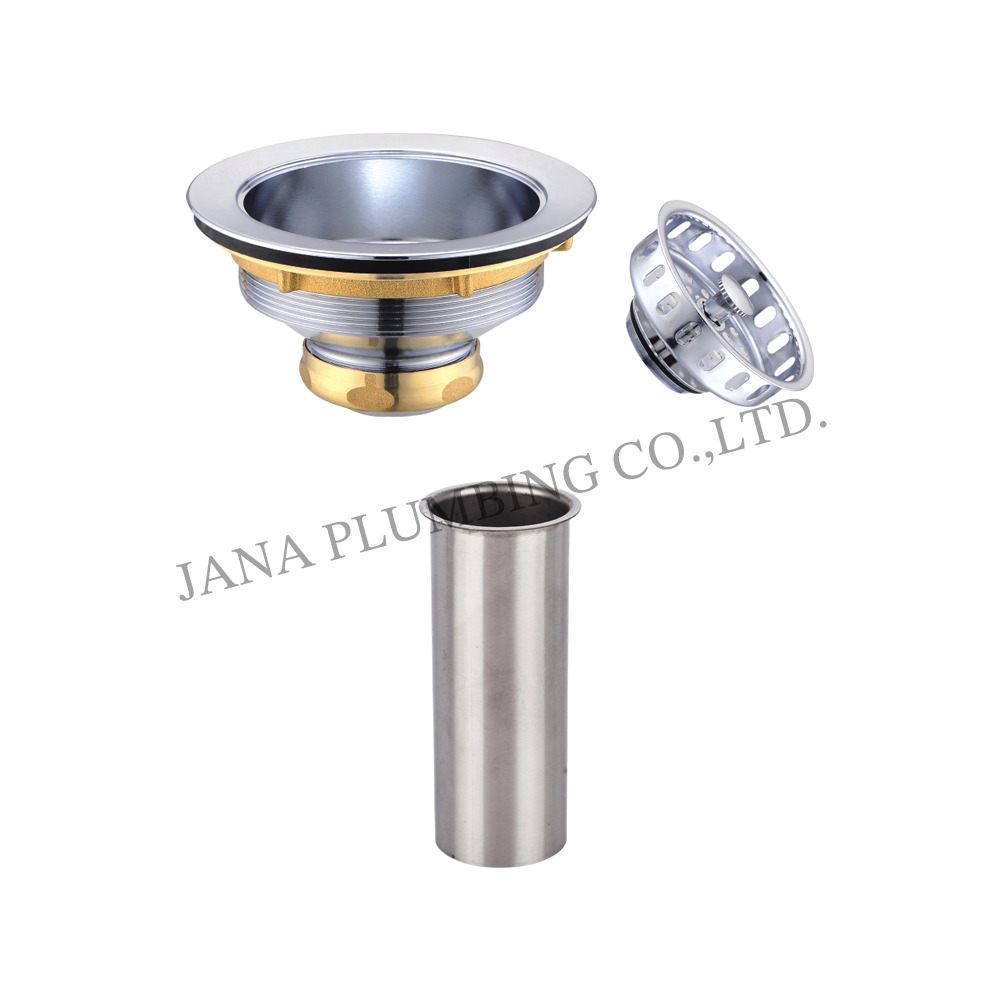
Brass sink strainers stand out for their impressive durability. They can last between 40 to 70 years or more due to their excellent corrosion resistance and robust construction. This longevity makes them a wise investment for homeowners and commercial kitchens alike. Unlike plastic or lower-quality metal options, brass strainers resist wear and tear, ensuring they remain functional for decades. Their ability to withstand daily use without significant degradation sets them apart in the market.
Effective Debris Capture
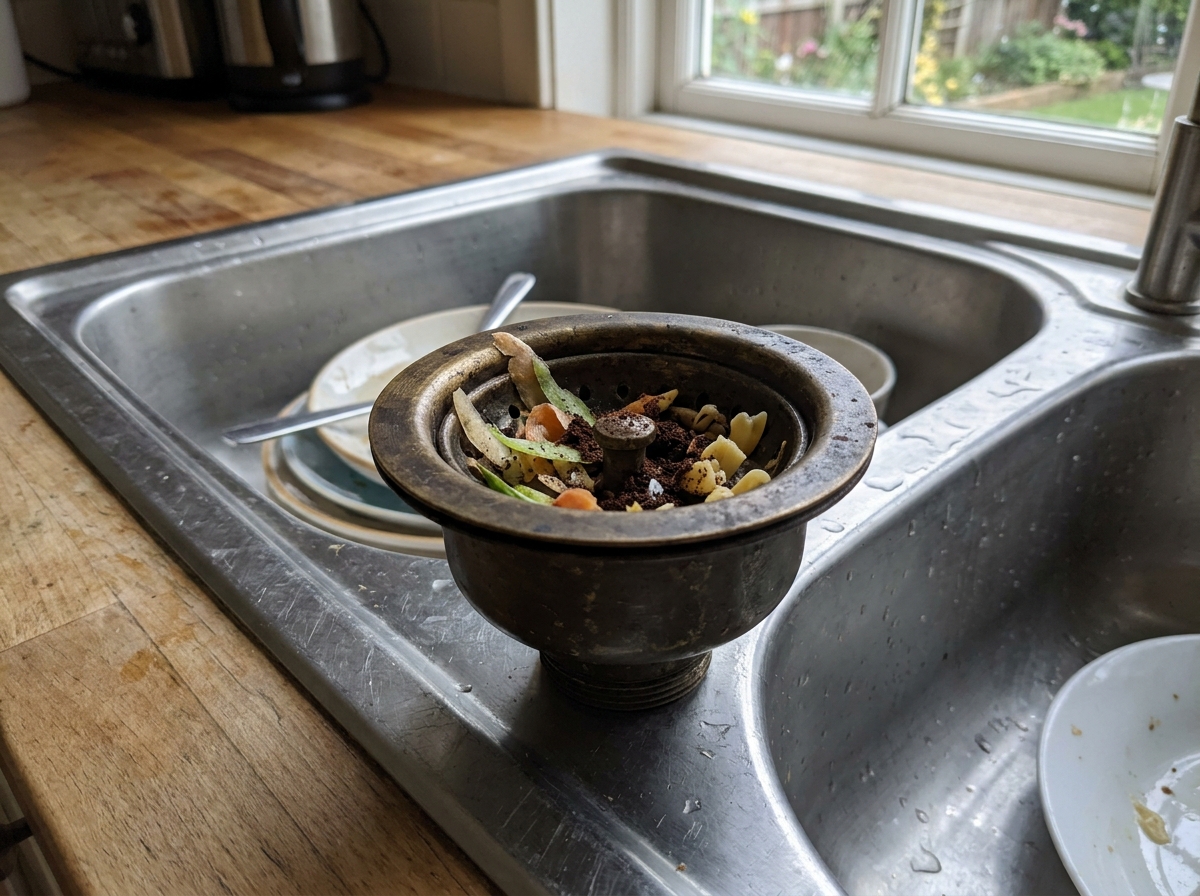
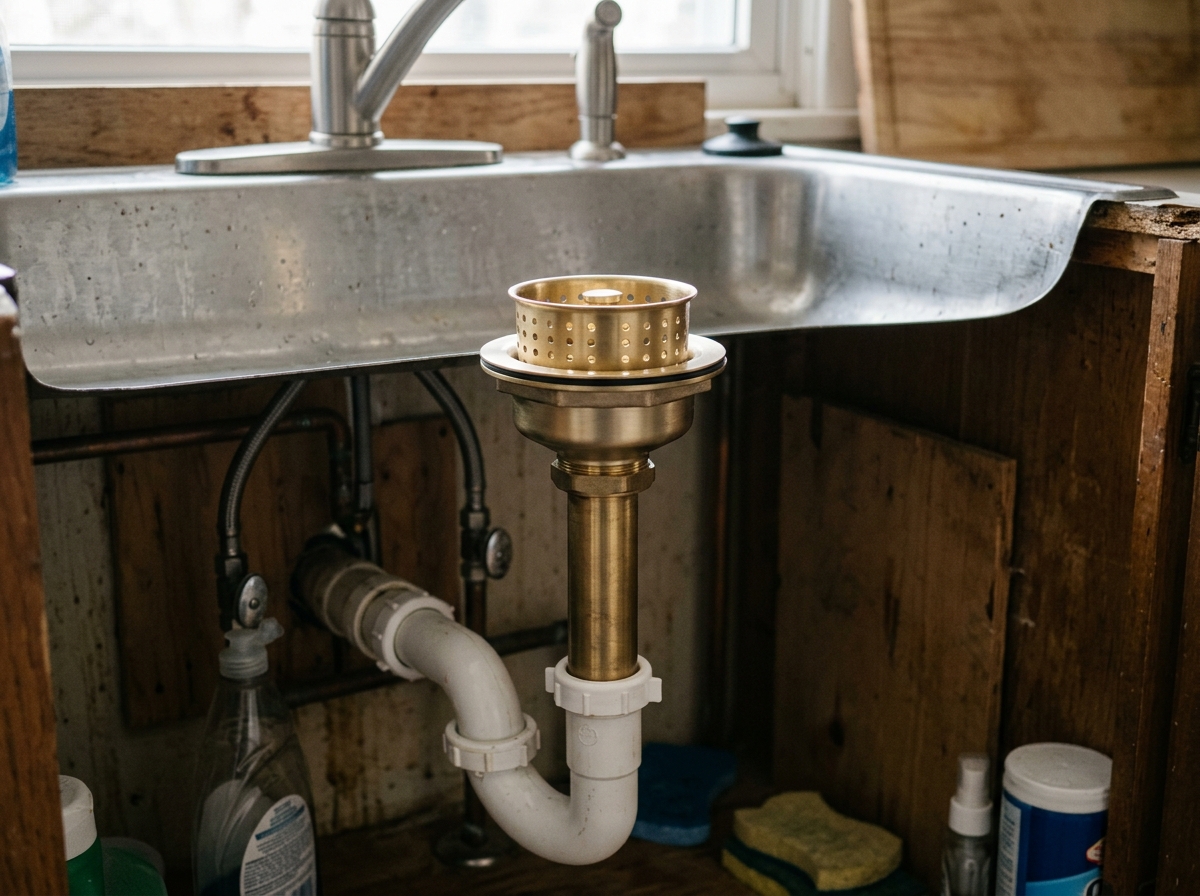
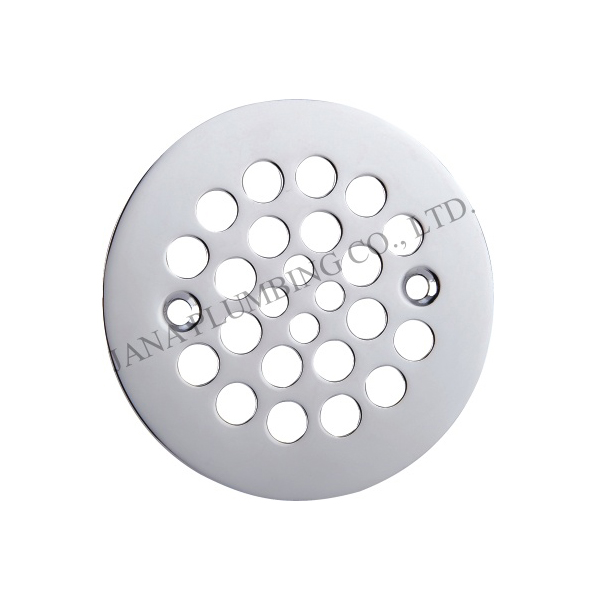
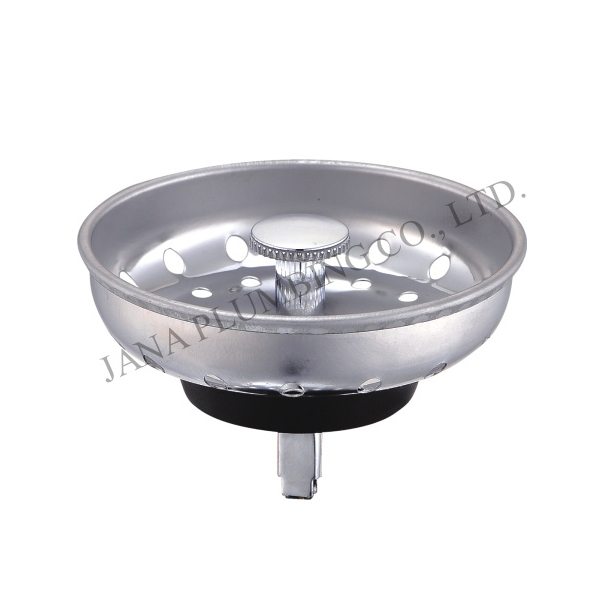
One of the primary functions of a brass sink strainer is its ability to capture debris effectively. These strainers are recognized as an effective and affordable option for intercepting various types of waste. They feature appropriately sized holes that allow water to flow freely while blocking food particles, hair, and other debris from entering the plumbing system. This efficient design significantly reduces the risk of clogs, making maintenance easier and less frequent.
Aesthetic Appeal
Brass sink strainers not only serve a practical purpose but also enhance the visual appeal of any kitchen. Their design features contribute to a modern and stylish look. Here’s how:
| Design Feature | Contribution to Aesthetic Appeal |
|---|---|
| High-Quality Materials | Enhances Durability and Visual Appeal |
| Brass Material | Provides a Modern and Sleek Look |
| Different Finish Available | Resists Scratches, Maintaining a Polished Appearance |
| Farmhouse Style with Apron Front | Acts as a Centerpiece, Enhancing Overall Kitchen Design |
The combination of functionality and style makes brass sink strainers a popular choice among homeowners looking to elevate their kitchen decor. Investing in a brass sink strainer not only prevents clogs but also adds a touch of elegance to the space.
Common Clogging Issues Addressed by Brass Sink Strainers
Food Particles
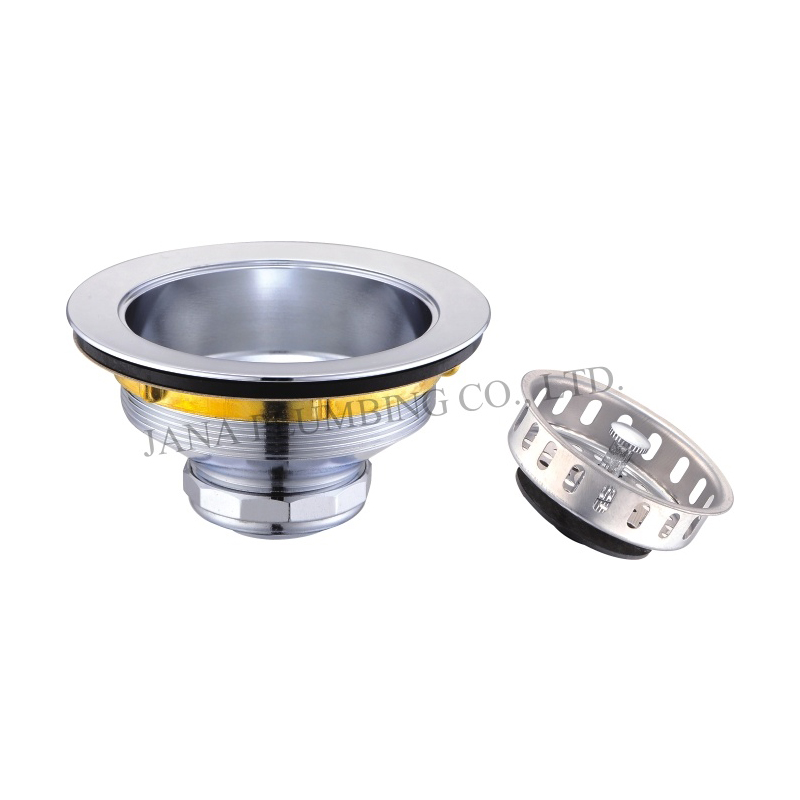
Food particles often cause significant clogs in kitchen sinks. Brass sink strainers effectively capture these particles before they enter the plumbing system. Common culprits include:
- Grease and fat residues: These solidify inside pipes and trap food particles, leading to blockages.
- Leftover food scraps: Often rinsed down the sink, they can accumulate and mix with grease, creating stubborn clogs.
By using a brass sink strainer, homeowners can significantly reduce the risk of these clogs. The strainer's design allows water to flow freely while blocking unwanted debris.
Hair and Soap Residue
Hair and soap residue are frequent offenders in bathroom sinks. They can combine to form clogs that disrupt drainage. Brass sink strainers serve as a barrier, preventing hair from entering the pipes. Regularly cleaning the strainer ensures that it remains effective in capturing hair and soap residue. This simple maintenance task can save homeowners from costly plumbing repairs.
Grease Buildup
Grease buildup is a common issue in kitchen drains. Brass sink strainers act as a physical barrier to prevent solid waste and grease from going down the drain. They are simple yet effective tools for any kitchen. Regular cleaning is necessary to maintain water flow and prevent blockages. By investing in a brass sink strainer, homeowners can keep their drains clear and functioning smoothly.
Maintenance Tips for Brass Sink Strainers
Regular Cleaning
To keep a brass sink strainer functioning optimally, regular cleaning is essential. Homeowners should follow these simple steps for effective maintenance:
- Use a soft, clean cloth along with lukewarm water and mild dish detergent. This combination effectively removes debris without damaging the strainer's surface.
- After cleaning, rinse the strainer thoroughly with clear water to eliminate any soap residue.
- For quick clean-ups, grab paper towels to remove as much debris as possible. Dispose of the debris and give the strainer a good rinse to eliminate surface dirt.
By adhering to these cleaning practices, homeowners can ensure their brass sink strainer remains in excellent condition, preventing clogs and maintaining efficient drainage.
Inspection for Damage
Regular inspections of the brass sink strainer are crucial for identifying potential issues before they escalate. Homeowners should look for the following signs of damage:
- Cracks or chips in the strainer that may compromise its effectiveness.
- Loose fittings that could lead to leaks or misalignment.
- Corrosion or discoloration that indicates wear over time.
Addressing these issues promptly can prevent clogs and extend the lifespan of the strainer. Homeowners should replace any damaged components to maintain optimal performance.
Proper Installation Techniques
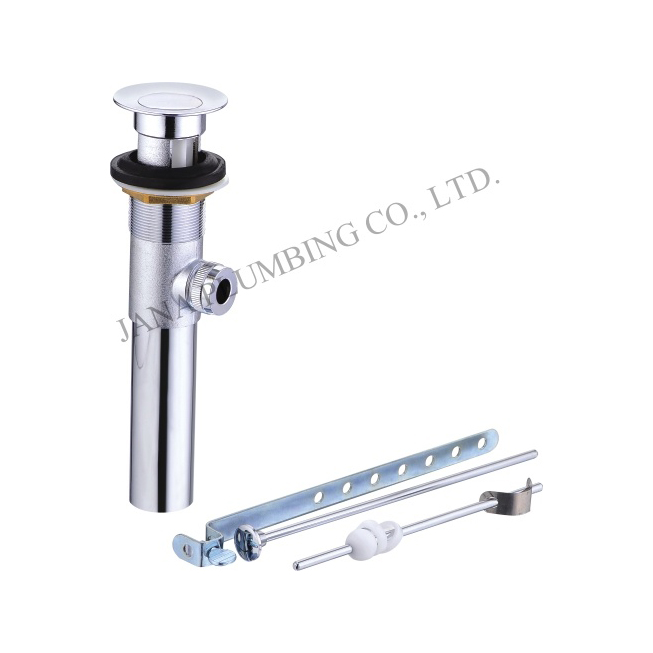
Proper installation of a brass sink strainer is vital for its effectiveness in preventing clogs. Following best practices during installation can make a significant difference. Here are some key points to consider:
| Best Practice | Explanation |
|---|---|
| Avoid leaks | Ensure the cardboard friction ring sits between the rubber gasket and locknut to prevent twisting. |
| Upgrade your strainer | Opt for a spin-lock mechanism for easier maintenance. |
| Prevent clogs | Pair your new strainer with a mesh drain catcher for food scraps. |
| Use proper sealant | Plumber’s putty is preferred over silicone for a better seal. |
| Apply sufficient putty | Not using enough putty can lead to gaps and leaks. |
| Check for leaks | Thoroughly test for leaks after installation to prevent water damage. |
| Choose quality materials | Avoid cheap plastic parts that can crack or lose sealing ability. |
| Inspect existing plumbing | Check and update old or worn connecting pipes and gaskets. |
Improper installation can lead to inadequate sealing, allowing debris to enter the drain and causing clogs. By following these guidelines, homeowners can ensure their brass sink strainer operates effectively, reducing the risk of plumbing issues.
Comparisons of Brass Sink Strainers with Other Materials
Stainless Steel vs. Brass
When comparing stainless steel and brass sink strainers, several factors come into play. Stainless steel, especially grade 316, offers superior corrosion resistance. Its chromium content forms a protective oxide layer, making it ideal for humid or marine environments. In contrast, brass is more susceptible to corrosion in such conditions.
- Lifespan: Stainless steel strainers can last over 50 years, even in salty air. Brass typically lasts around 30 years.
- Maintenance: Stainless steel requires less upkeep due to its resistance to rust and corrosion.
Plastic Strainers
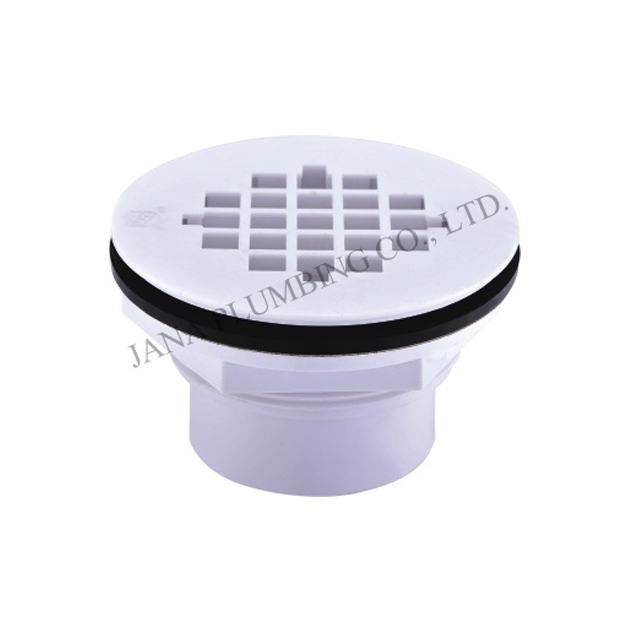
Plastic strainers may seem like a budget-friendly option, but they often fall short in durability. They can crack or warp over time, leading to frequent replacements. While they are lightweight and easy to install, their lifespan is significantly shorter than that of brass or stainless steel. Homeowners may find themselves spending more on replacements and repairs in the long run.
Cost-Effectiveness
When considering long-term costs, brass sink strainers prove to be a wise investment. The following table illustrates the durability, maintenance costs, and replacement frequency of different materials:
| Material | Durability | Maintenance Cost | Replacement Frequency |
|---|---|---|---|
| Brass | High | Low | Low |
| Plastic | Low | High | High |
| Stainless Steel | Medium | Medium | Medium |
Investing in a brass sink strainer not only enhances your kitchen's aesthetic but also saves money over time. Its durability and low maintenance make it a practical choice for homeowners looking to avoid frequent plumbing issues.
Brass sink strainers provide a practical solution for preventing clogs. They offer durability and effectively capture debris. Regular maintenance enhances their performance and extends their lifespan. Homeowners should invest in a brass sink strainer to avoid future plumbing headaches and ensure smooth drainage in their kitchens.
FAQ
What is a brass sink strainer?
A brass sink strainer is a plumbing accessory that captures debris, preventing clogs in sinks and ensuring smooth drainage.
How often should I clean my brass sink strainer?
Clean your brass sink strainer at least once a week to maintain optimal performance and prevent clogs.
Can I install a brass sink strainer myself?
Yes, homeowners can install a brass sink strainer with basic tools and following proper installation techniques for effective results.
