


Don't Guess: The Ultimate Shower Arm & Flange Decision Guide
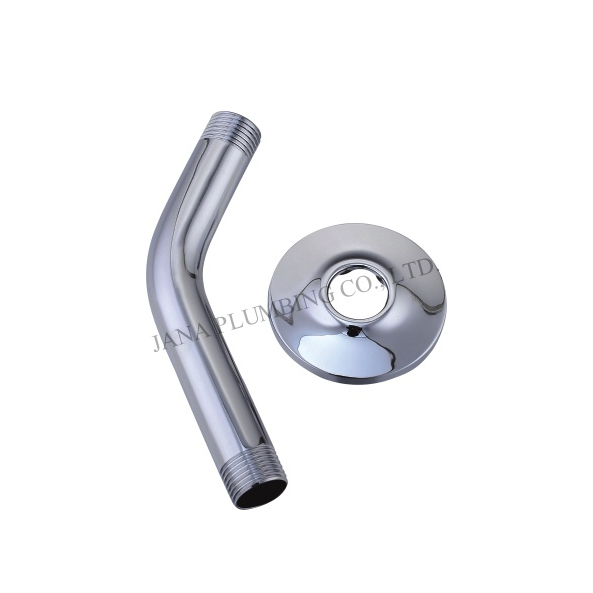
Picking the right material for a Shower Arm & Flange is a big deal. This choice truly shapes your bathroom's style. It also decides how long the fixture shines. The material impacts the effort required for its upkeep. Make a smart choice!
Key Takeaways
- Choose chrome for a shiny, budget-friendly look that needs regular cleaning to stay bright.
- Pick stainless steel for a modern, durable option that resists rust and needs less cleaning.
- Consider your bathroom's style, budget, and how much you like to clean when making your choice.
Understanding Your Shower Arm & Flange
Essential Role in Your Shower System
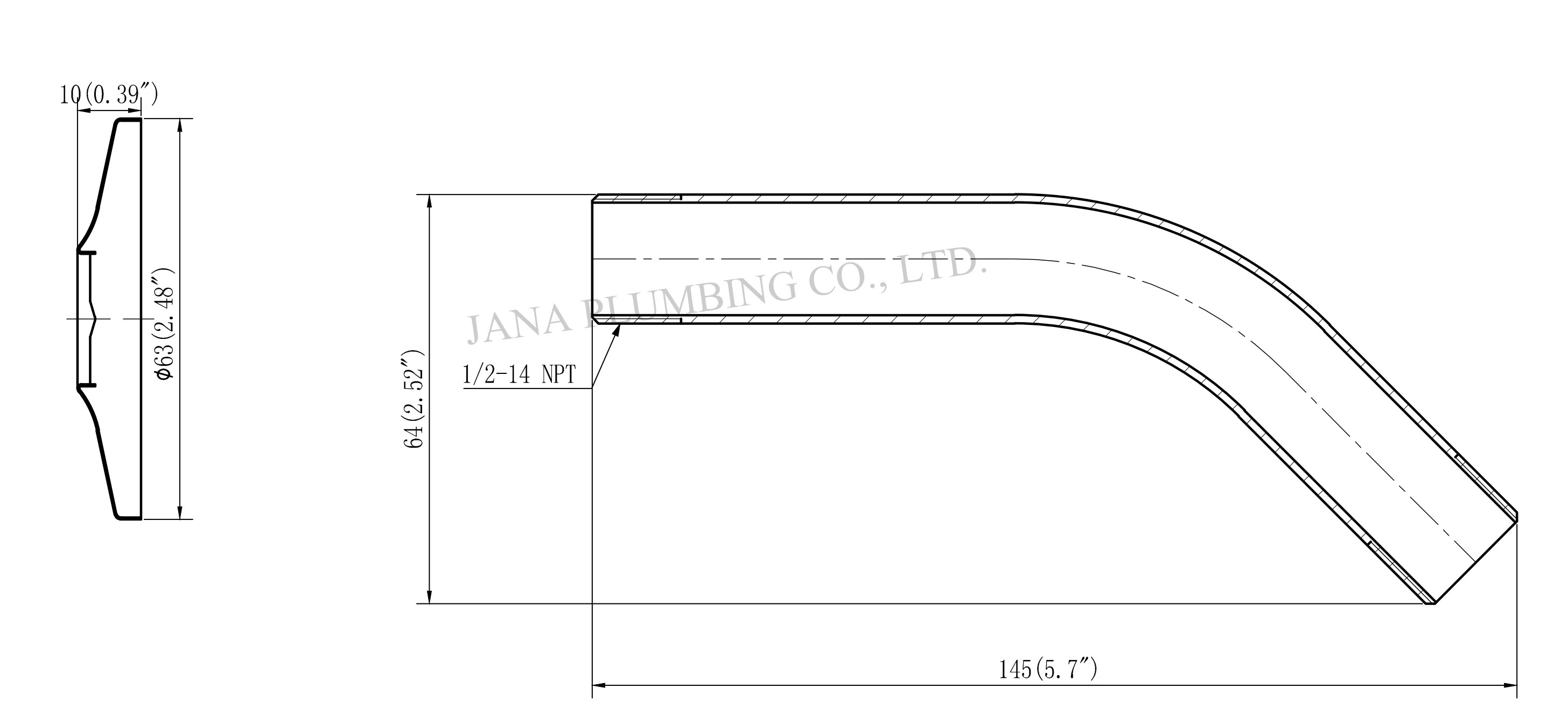
Every great shower experience starts with solid plumbing. The shower arm and flange play a starring role in this daily ritual. Think of the shower arm as the sturdy bridge. This pipe connects the showerhead to the water supply, extending from the wall. It positions the showerhead at just the right height and angle for a perfect spray. Then comes the shower flange, a decorative hero. This piece covers the hole in the wall where the arm emerges. It gives a finished look and helps secure the arm. Together, they ensure your showerhead stays put and delivers water exactly where you want it.
Why Material Choice Matters for Your Shower Arm & Flange
Choosing the right material for your shower fixtures is not just about looks. It is a big decision for long-term performance and appearance. Materials directly influence a fixture's lifespan, how well it works, and its aesthetic appeal. High-quality materials might cost a bit more at first. However, they save money over time by reducing the need for frequent repairs or replacements. Fixtures constantly face water, heat, humidity, and daily use. Incorrect material choices can lead to big problems. You might see rust, cracks, or a dull finish within months. Understanding which materials offer the best durability helps you make smart choices. These choices ensure your fixtures perform well and look great for years.
Chrome Shower Arm & Flange: The Enduring Appeal
Bright and Reflective Appearance
Chrome fixtures bring a special sparkle to any bathroom. Their bright, mirror-like finish truly catches the eye. This reflective surface enhances the shine in a bathroom. It also makes the room appear larger and more inviting. Chrome offers a sleek and polished finish. This quality helps it fit perfectly with both modern and traditional bathroom designs. Its versatility means chrome blends seamlessly with many color schemes and materials.
Durability and Corrosion Resistance
Chrome is a popular choice for good reason. Quality chrome shower arms and flanges can last a very long time. Many well-made items even come with a "Lifetime Warranty." However, cheaper chrome flanges might show rust within one to two years. This happens especially in humid places or if people do not clean them properly. Choosing a good quality chrome product ensures lasting beauty.
Maintenance for a Sparkling Shower Arm & Flange
Keeping chrome shiny is quite simple. You can use mild dish soap with warm water and a microfiber cloth. For tougher spots like soap scum or mineral deposits, Bar Keepers Friend Soft Cleanser Liquid works wonders. White vinegar mixed with water also tackles stains. You can even rub a lemon half directly on stained chrome for a quick clean. Remember, always avoid abrasive cleaners or scrub pads. Chrome is a soft metal; harsh tools can cause scratches.
Cost-Effectiveness of Chrome
Chrome often presents a budget-friendly option. It offers a high-end look without the high-end price tag. This makes it a smart choice for many homeowners. Its durability, when well-maintained, adds to its overall value.
Advantages and Disadvantages of a Chrome Shower Arm & Flange
Chrome offers several benefits. Its aesthetic appeal makes shower arms beautiful to look at. The finish also makes them easy to clean. However, chrome does have a few downsides. Water spots can quickly appear, making it look less pristine. This means routine wiping is necessary to keep its sparkling appearance.
Stainless Steel Shower Arm & Flange: The Modern Standard
Contemporary Brushed or Satin Finish
Imagine a finish that whispers elegance instead of shouting it. Stainless steel often comes with a brushed or satin look. This gives it a rougher, grooved texture. It is less shiny than chrome. This muted, satin-like appearance feels more subtle and natural. It also hides small scratches and wear better. This makes it a fantastic choice for modern or industrial bathroom designs.
Superior Durability and Rust Resistance
Stainless steel is a true champion against rust. It has chromium inside. This creates a special protective layer. If scratched, this layer can actually "heal" itself! Chrome, on the other hand, is just a coating. A scratch on chrome means the metal underneath can start to rust. Stainless steel stands strong even in steamy bathrooms. It offers high resistance to corrosion, making it very durable in extreme conditions.
Low Maintenance for Your Shower Arm & Flange
Life gets busy. Who wants to spend hours cleaning? Stainless steel is a dream for easy upkeep. It resists fingerprints, water spots, and stains. A quick wipe keeps it looking fresh and clean. This makes it perfect for busy households.
Investment in Stainless Steel
Thinking about your wallet? Stainless steel can sometimes cost a bit more upfront. However, many stainless steel shower arms and flanges are priced similarly to chrome options. For example, some flanges range from $40 to $70 for both materials. It is an investment in long-lasting quality and a modern look.
Advantages and Disadvantages of a Stainless Steel Shower Arm & Flange
Stainless steel brings many good things to your bathroom. It offers a sleek, modern look. It is super durable and easy to clean. Its design works well with many styles. However, it can sometimes be more expensive to buy at first. Some people might also feel it needs professional help to install.
Direct Comparison: Chrome vs. Stainless Steel Shower Arm & Flange
Key Attributes Side-by-Side
Choosing between chrome and stainless steel for your bathroom fixtures feels like picking between two champions. Each material brings its own set of superpowers to the ring. Let's put them head-to-head. This helps you see their strengths and weaknesses clearly.
| Feature | Chrome | Stainless Steel |
|---|---|---|
| Appearance | Bright, mirror-like, highly reflective | Muted, brushed or satin, contemporary |
| Durability | Good, but plating can scratch/corrode | Excellent, highly resistant to rust/corrosion |
| Maintenance | Shows water spots easily, needs frequent wiping | Resists fingerprints/spots, easy to clean |
| Cost | Generally more budget-friendly | Often a higher initial investment |
| Style Match | Classic, traditional, modern | Modern, industrial, minimalist |
Performance in High-Humidity Environments
Bathrooms are steamy places. They are like mini-jungles for your fixtures. How do chrome and stainless steel handle this constant dampness?
Chrome fixtures often start strong. They look shiny and resist corrosion well at first. However, long-term exposure to water, heat, and air can cause chrome plating to corrode. This means that while chrome initially resists, consistent high-humidity conditions over an extended period might lead to corrosion. Imagine a tiny crack in the chrome's armor. Water can sneak in and start trouble underneath.
Stainless steel, on the other hand, is a true humidity hero. It contains chromium, which creates a protective layer. This layer actively fights off rust and corrosion. Even if it gets a scratch, this protective layer can "heal" itself. This makes stainless steel a fantastic choice for bathrooms that stay steamy all the time.
Both materials face a common enemy: hard water. Hard water has lots of minerals like calcium and magnesium. When this water dries, it leaves behind chalky, white spots. These spots can dull the finish. On stainless steel, these mineral deposits can lead to dulling, discoloration, and even surface pitting over time if people do not address them. Water with high hardness is especially prone to causing scaling. Increased silica content makes these marks even harder to clean. While chrome's glossy surface makes these residues highly visible, stainless steel also suffers from them. Regular cleaning helps both materials look their best.
Long-Term Value and Lifespan
When you choose a Shower Arm & Flange, you are making an investment. You want it to last.
Chrome often offers a lower initial cost. This makes it attractive for budget-conscious projects. With diligent care and regular cleaning, a good quality chrome fixture can last many years. However, if the chrome plating gets damaged or neglected, its lifespan can shorten. You might find yourself replacing it sooner than you hoped.
Stainless steel usually comes with a higher price tag upfront. Think of it as buying peace of mind. Its superior durability and rust resistance mean it stands up to the test of time. It requires less fuss and less worry about corrosion or wear. This often translates into a longer lifespan and fewer replacement costs down the road. Stainless steel maintains its appearance with minimal effort. This makes it a smart long-term investment for many homeowners.
Making Your Informed Decision for a Shower Arm & Flange
Choosing the perfect Shower Arm & Flange for your bathroom involves more than just picking a pretty finish. It means thinking about your personal style, your budget, and how much effort you want to put into cleaning. Let's explore these factors to help you make a smart choice.
Matching Your Bathroom's Aesthetic
Your bathroom's look sets the stage. Do you dream of a sleek, modern spa or a cozy, traditional retreat? The finish of your shower arm and flange plays a big part in achieving that vision. Chrome, with its bright, mirror-like shine, offers a versatile design. It complements a variety of bathroom styles. It looks fantastic in both classic and contemporary settings. Imagine a sparkling chrome fixture in a minimalist white bathroom or a luxurious art deco space. It truly shines!
Stainless steel, on the other hand, brings a different vibe. Its brushed or satin finish feels more understated and modern. It fits perfectly into industrial, minimalist, or even rustic-chic designs. If you prefer a softer, less reflective look, stainless steel might be your champion. Consider the other fixtures in your bathroom. Do they have a warm, brushed tone or a cool, polished gleam? Matching these elements creates a cohesive and inviting space.
Budget and Future Value Considerations
Money matters, of course! Chrome often comes with a more budget-friendly price tag upfront. This makes it an attractive option for many homeowners. You get a beautiful, shiny finish without breaking the bank. However, think about the long game. While chrome is durable, its plating can scratch or corrode if not cared for properly. This might lead to replacement sooner than you expect.
Stainless steel usually requires a slightly higher initial investment. Consider this an investment in peace of mind. Its superior durability and rust resistance mean it stands up to daily wear and tear with less fuss. It maintains its appearance for a longer time. This can save you money on replacements and repairs down the road. Sometimes, paying a little more now means saving a lot later.
Your Maintenance Commitment
How much do you love cleaning? Be honest! Your answer helps decide between chrome and stainless steel. Both materials need some care, but their cleaning routines differ.
| Feature | Chrome Faucets | Stainless Steel Faucets |
|---|---|---|
| Cleaning Method | Requires gentle, non-abrasive cleaners; avoid harsh chemicals and scrubbing. | Can be cleaned with mild detergent and water using a soft cloth or sponge. |
| Daily Care | Needs regular wiping after each use with a soft cloth to prevent water spots and tarnishing. | More forgiving; a simple wipe-down after use is often sufficient. |
| Deep Cleaning | Specialized chrome cleaners or polishers can be used, but overuse should be avoided to prevent surface damage. | Relatively simple; a mixture of baking soda and water can remove stubborn stains, and stainless steel cleaners can restore luster. |
Chrome's reflective surface shows water spots and fingerprints easily. It demands frequent wiping to keep its sparkle. If you enjoy a quick daily wipe-down, chrome will reward you with its brilliant shine. Stainless steel is more forgiving. It resists fingerprints and water spots better. A simple wipe-down after use often keeps it looking great. If you prefer minimal upkeep, stainless steel might be your best friend.
Choosing the perfect Shower Arm & Flange comes down to your unique taste. Consider your bathroom's style, your budget, and how much cleaning you enjoy. Both chrome and stainless steel offer fantastic advantages.
They ensure a great option exists for every bathroom, making your shower space shine!
FAQ
Can I install a shower arm and flange myself?
Yes, many shower arms and flanges offer straightforward installation. They often include all necessary hardware and clear instructions. You can do it! 🛠️
Which material handles hard water better?
Hard water leaves spots on both. Stainless steel resists corrosion better in these conditions. Regular cleaning keeps both looking great. ✨
How do I clean water spots from my shower arm?
For chrome, use mild soap and water. White vinegar or lemon juice works for tough spots. Stainless steel needs less frequent cleaning. Avoid abrasive cleaners! 🧼
