
Can your high pressure hose withstand extreme conditions in 2025?
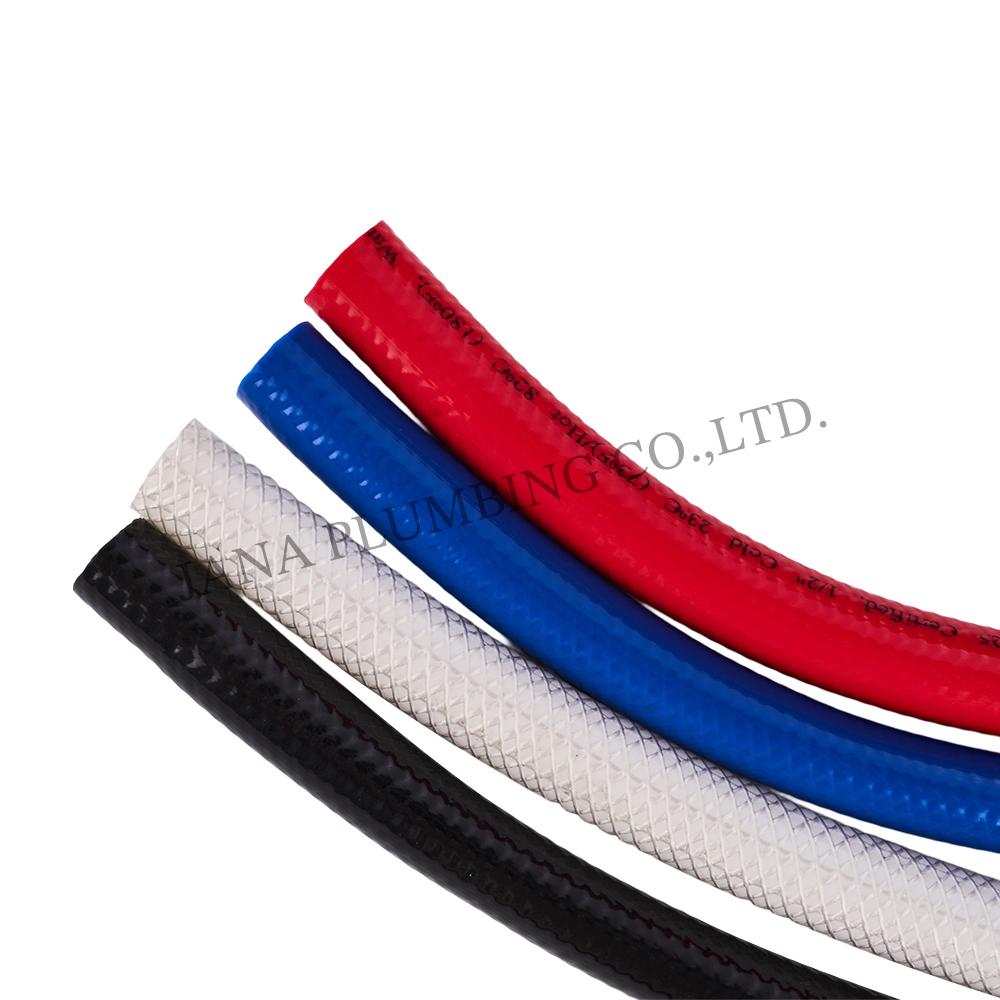
High Pressure Hose technology has advanced significantly. Manufacturers now engineer these hoses with advanced materials and construction. They reliably endure extreme conditions in 2025. Modern designs offer enhanced durability and operational reliability. They perform consistently even under severe stress. This ensures dependable performance for demanding applications.
Key Takeaways
- Modern high-pressure hoses use strong materials. These materials help them work well in very tough conditions.
- New hoses have special parts. These parts stop damage from rubbing, chemicals, and extreme heat or cold.
- Smart technology in hoses checks them all the time. This helps find problems early and keeps things safe.
The Evolving Landscape of High Pressure Hose Demands
Defining Extreme Operating Conditions
The demands placed on industrial equipment continue to grow, pushing the boundaries of component performance. For high-pressure hoses, "extreme" operating conditions now signify a new level of challenge. Specifically, for hydraulic high-pressure hoses in industrial applications, extreme pressure ranges are defined as exceeding 10,000 PSI. This distinction helps in selecting appropriate hoses for specific pressure requirements. While some high-pressure systems can operate up to 5000 PSI, the term 'extreme' specifically refers to pressures above 10,000 PSI, indicating a distinct category for the most demanding applications. These conditions require specialized engineering and materials to ensure safety and operational integrity.
Limitations of Traditional High Pressure Hose Designs
Traditional high-pressure hose designs often fall short when facing these severe environments. They struggle with the intense stresses of modern applications. Under high vibration conditions, traditional hoses exhibit common failure modes. These include:
- Braid wear, which shows significant movement of the braid relative to the hose. Braid wires can 'saw' into the hose.
- Cracks and braid wear become visible upon inspection. These are indicators of vibration fatigue.
- Wear between bellows and wire braid often leads to hose failure, especially severe under high-vibration conditions.
- Adhesive wear is a dominant failure mode, primarily occurring near the hose ends.
- Leakage primarily originates from wear between the bellows and wire braid. The significantly higher hardness of cold-drawn wire braid compared to the bellows exacerbates this.
- Failures at welded joints between the braid and connecting pipe occur. This is due to potential localized strength reduction caused by welding heat.
- Fatigue failure happens in high-hardness metal hoses under high-strain cyclic loads or torsional deformation.
Furthermore, traditional high-pressure hose materials react poorly to prolonged exposure to corrosive chemicals. Incompatible chemicals cause hose material to deteriorate, leading to leaks, bursts, and system failure. Degradation involves chemical reactions that weaken the hose structure, making it brittle or causing it to swell. This chemical incompatibility can lead to blockages or reduced flow rates due to hose swelling or deformation, decreasing system efficiency and increasing energy consumption. Higher temperatures accelerate these chemical reactions, leading to faster degradation. Higher concentrations of chemicals increase the likelihood of reactions with hose materials. Continuous or prolonged exposure has more severe effects compared to intermittent contact. High operating pressure can exacerbate the effects of chemical interactions, leading to quicker deterioration. Solvents and harsh chemicals can swell, soften, or embrittle elastomers used for hose covers. Prolonged contact with chemicals can lead to cracking of the cover, reduced flexibility, and exposure of reinforcement layers. External agents can then attack the reinforcement or seep into the fluid barrier. Damage mechanisms include immediate surface attack (softening, tackiness), accelerated aging (loss of tensile strength, crack initiation), and latent weakening (reinforcement corrosion, bonding loss). Corrosion impacts the strength, sealing, and wear resistance of hydraulic oil hoses. Prolonged contact with corrosive liquids (e.g., chemical liquids, seawater, acid-base environments) can corrode the rubber or metal reinforcement layer. This degradation significantly reduces the lifespan of the hoses. These limitations highlight the need for advanced hose solutions.
Core Durability Features for High Pressure Hose Performance
Modern high-pressure hoses feature advanced designs. These designs ensure exceptional durability and reliable performance. They withstand the most challenging environments. Manufacturers integrate specific features into these hoses. These features enhance their ability to endure extreme conditions.
Advanced Reinforcement for High Pressure Hoses
Reinforcement layers are crucial for a hose's burst strength. They determine its ability to handle high internal pressures. Modern hoses use advanced materials for this purpose. Steel wire reinforcement is a common choice. It includes one or more layers of braided or spiraled steel wire. This construction provides significant strength. It also resists abrasion, kinking, and external damage. Braided steel wire offers good flexibility and pressure resistance. It suits medium to high-pressure applications. Spiral steel wire features multiple layers of high-tensile steel wire. Manufacturers wind this wire in a continuous spiral pattern. This design handles high-pressure and high-impulse applications. Examples include 4-wire and 6-wire spiral configurations. These configurations are for extremely high pressures. Helical reinforcement is similar to spiral. It uses a different winding pattern. This offers high strength and pressure resistance. Textile reinforcement also plays a role. It uses woven fabrics like polyester or nylon. This material offers good flexibility and abrasion resistance. It suits applications where flexibility is paramount.
| Feature | Braided Reinforcement | Spiral Reinforcement |
|---|---|---|
| Construction | Woven pattern of synthetic fibers or wire. | Multiple layers of wire or synthetic material wrapped in a helical pattern. |
| Flexibility | Generally more flexible. | Less flexible, especially in larger diameters. |
| Pressure Rating | Good for medium to high pressure applications. | Excellent for very high pressure applications. |
| Kink Resistance | Good. | Excellent, especially in multi-spiral designs. |
| Abrasion Resistance | Good. | Good. |
| Fatigue Resistance | Good. | Excellent, due to independent layers. |
| Cost | Generally less expensive. | Generally more expensive. |
| Applications | Hydraulic lines, air hoses, water hoses, general industrial applications. | Heavy-duty hydraulic systems, construction equipment, mining, oil and gas. |
| Advantages | More flexible, lighter, often more economical. | Higher pressure ratings, superior kink resistance, better fatigue life. |
| Disadvantages | Lower pressure rating compared to spiral, less kink resistant than multi-spiral. | Less flexible, heavier, generally more expensive. |
Spiral reinforcement offers superior fatigue life. It also provides better kink resistance. This makes it ideal for heavy-duty hydraulic systems.
Abrasion-Resistant Outer Covers for High Pressure Hoses
The outer cover protects the hose from external damage. It shields against cuts, impacts, and abrasion. A robust outer cover extends the hose's service life. It prevents premature failure. Manufacturers use specialized compounds for these covers. These compounds resist wear and tear. They ensure the hose remains intact in harsh environments. ISO 6945 defines specifications for abrasion resistance. This standard reports performance of over 500,000 cycles. This applies to heavy-duty hydraulic hose protective sleeves. This level of resistance ensures long-term durability.
Chemical Compatibility in High Pressure Hose Linings
The inner lining of a hose contacts the conveyed fluid. Its material must be compatible with the fluid. This prevents degradation and contamination. PTFE (Polytetrafluoroethylene) is an excellent choice. It is virtually inert to all chemicals. This makes it ideal for handling acids, bases, and solvents. PTFE also tolerates a wide temperature range. It works from -73°C to 260°C. This material is non-reactive. It ensures no contamination of the transported fluids. UHMWPE (Ultra High Molecular Weight Polyethylene) is another strong option. Manufacturers use it as a lining for acid and alkali transfer hoses. It resists strong acids and bases across the full pH spectrum. UHMWPE also appears in food-grade chemical hoses. This ensures hygienic safety and chemical resistance. PFA offers similar benefits to PTFE. It provides an additional barrier against corrosive chemicals. This extends hose life.
| Fuel Type | NBR (Rubber) Hose | PTFE-Lined Hose |
|---|---|---|
| Petrol / Diesel | Compatible | Compatible |
| Ethanol-blended (E85) | Swelling, loss of strength | No swelling, full chemical resistance |
| Biodiesel | Moderate compatibility | Excellent resistance to biodiesel additives |
| Additives / Cleaners | May accelerate aging | Fully compatible, no degradation |
PTFE-lined hoses significantly surpass rubber hoses in chemical resistance. They remain stable and resistant to all common automotive fuels. This includes ethanol blends.
Temperature Resilience of High Pressure Hose Materials
Hoses must maintain integrity across extreme temperatures. This includes both high heat and cryogenic cold. PTFE hoses are highly resistant to chemicals. They also withstand extreme temperatures. Their range is from -73°C to 260°C. This makes them suitable for cryogenic applications. However, they are less flexible than other materials. Metal hoses also maintain integrity at extremely low temperatures. They handle pressurized cryogenic fluids. Examples include liquid nitrogen or helium. Corrugated stainless steel (316L) offers excellent flexibility. It provides cryogenic resistance and pressure tolerance. This makes it suitable for most fluids. Polymer liners like PTFE or PFA are chemically inert. They are ideal for high-purity or corrosive media. However, they require careful design. This ensures flexibility and barrier integrity at extremely low temperatures.
For high temperatures, specific elastomers perform well.
| Material | Temperature Range (°C) |
|---|---|
| EPDM Rubber | -50 to 150 |
| FKM (Viton®) | -20 to 200 |
FKM (Viton®) has a high-temperature threshold. It withstands up to 200°C (392°F). Some formulations extend this to 250°C. EPDM can withstand up to 150°C. These materials ensure hose performance in hot environments.
Innovations Enhancing High Pressure Hose Durability
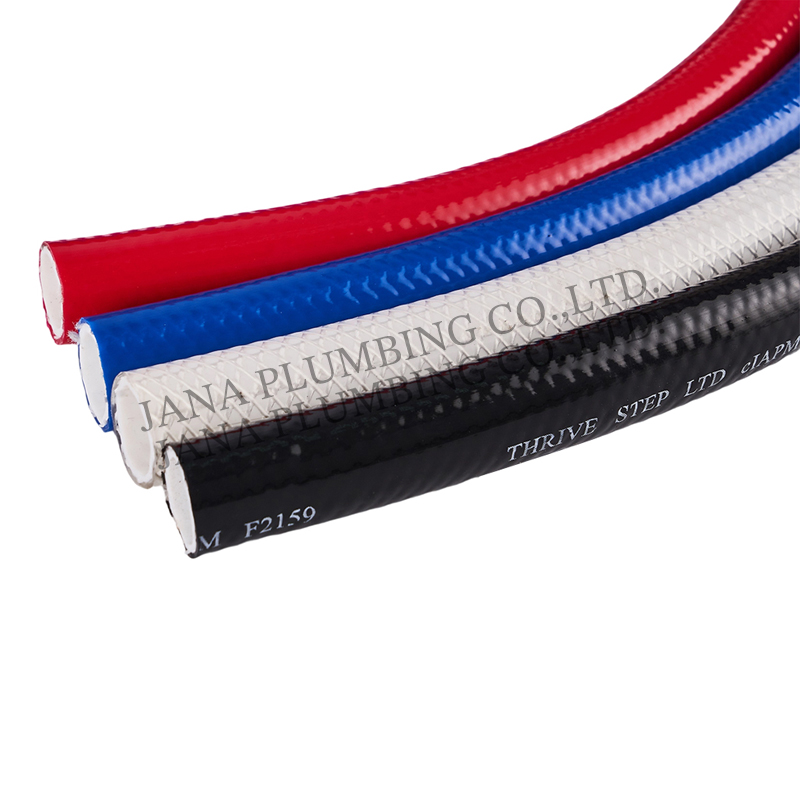
Manufacturers constantly develop new technologies. These innovations significantly improve hose durability. They ensure hoses perform reliably in the most challenging environments. These advancements focus on monitoring, materials, and sustainability.
Smart Technology for High Pressure Hose Monitoring
Modern hoses now feature integrated smart technology. This technology allows real-time monitoring of hose performance. It provides valuable data for safety and efficiency. Operators can track critical parameters continuously.
Smart hoses integrate various sensors. Pressure sensors are a common type. They monitor fluid levels, which directly relate to pressure inside the hose. Micro-optical fiber sensors also play a role. These tiny 0.3mm-diameter fibers weave into the hose's reinforcement layer. They capture radial and axial strain patterns. These patterns indicate pressure changes. This detailed monitoring helps prevent unexpected failures.
These smart systems do more than just collect data. They also alert operators to potential issues. Real-time pressure sensors integrate with telematics alerts. This creates a digital inspection solution. It notifies operators about problems by continuously monitoring pressure. Embedded sensors track critical parameters like temperature, pressure, and wear. This real-time data allows systems to alert operators to potential failures before they occur. This reduces maintenance costs. It also enhances reliability, especially in mission-critical applications. Intelligent hydraulic hose condition monitoring systems detect failure-related events. They provide advance notification to operators. This indicates when a product approaches the end of its useful life. This allows for proactive maintenance and timely replacement.
Nanomaterials in High Pressure Hose Construction
Nanomaterials represent a significant leap in hose construction. They enhance wear and corrosion resistance. This leads to more efficient fluid transmission. Researchers explore these materials for future applications.
Specific nanomaterials are now incorporated into reinforcement layers. Carbon Nanotubes (CNTs) are one example. Manufacturers embed them into carbon nanotube-reinforced polymers (CNT-RPs). CNTs offer exceptional axial tensile strength (63 GPa) and flexibility. They are often used in thermoplastic matrices like PEEK or PEKK. Graphene also finds application. A 5–10 µm graphene layer can be applied via chemical vapor deposition (CVD). This provides dual functionality, including barrier effects and thermal management. Graphenated Carbon Nanotubes are a hybrid material. They combine graphene and CNTs. This material offers high mechanical strength and enhanced conductivity. It optimizes hoses for greater durability and efficiency.
Sustainable and Lightweight High Pressure Hose Solutions
The industry also focuses on sustainability and weight reduction. Bio-based polymers are emerging as a sustainable alternative. They offer excellent chemical and abrasion resistance. They also significantly reduce the carbon footprint of production.
Manufacturers develop hydraulic hoses from these bio-based polymers. Castor oil-derived polyamide is one such material. It reduces reliance on fossil fuels. It also cuts CO₂ emissions by 25%. Continental AG tests dandelion rubber (Taraxagum) for hose liners. This material offers abrasion resistance comparable to synthetic rubber. Algae-based plasticizers also enhance flexibility in thermoplastic hoses. These additives sequester CO₂ during their production.
Advanced thermoplastic materials also offer significant weight reduction. Plastics are at least 1/8 the weight of metal piping. This substantial difference reduces freight costs. It also facilitates easier installations, especially in confined spaces. Heavy lifting equipment becomes unnecessary. Thermoplastic hose is 40% to 60% lighter than rubber hose. This weight reduction comes from the absence of steel braiding. Steel braiding is typically used for reinforcement in rubber hoses. This makes thermoplastic hoses ideal for weight-sensitive applications.
Selecting the Right High Pressure Hose for Extreme Applications
Key Considerations for High Pressure Hose Selection
Choosing the correct hose for extreme applications is crucial. It ensures safety and operational efficiency. For hazardous environments, specific certifications guarantee safety and performance. UL certification is vital for the North American market. It requires rigorous fire resistance and pressure tests. CE Marking is mandatory in the European Economic Area. This indicates compliance with health and safety standards. CSA certification is a key credential for industrial products in Canada. It covers high-temperature and pressure testing.
The fluid carried within a system significantly influences the choice of hose lining material. The inner tubing must be compatible with the fluid to prevent degradation and system clogging. Incompatible materials compromise the hose's integrity and the system's operational efficiency.
| Core Material | Chemical Compatibility | Temperature Range |
|---|---|---|
| Synthetic Rubber | Good for water, steam, some chemicals. | -40°F to 300°F |
| Thermoplastic | Excellent for many chemicals, solvents, petroleum-based fluids. | -65°F to 200°F |
| PTFE | Universal chemical resistance. | -100°F to 500°F |
| Metal | Excellent for high temperatures, corrosive fluids. | Up to 1200°F |
Maximizing High Pressure Hose Lifespan Through Maintenance
Proper maintenance significantly extends the lifespan of any High Pressure Hose. A tailored maintenance program reduces equipment downtime and minimizes risks. Users should establish inspection frequency based on application severity and past history.
- In-service hoselines require annual testing.
- Hoses stored must undergo testing before being put into service.
- Testing is also mandatory after any repairs or exposure to extreme conditions.
Protect hoses from UV radiation. Utilize UV-resistant hose coverings or integrated UV resistance. When not in use, store hoses in a cool, dry place, away from direct sunlight and moisture. Environmental shielding, such as sleeves, also protects hoses from UV exposure and physical damage.
Modern high-pressure hoses confidently meet and exceed the extreme demands of 2025. They offer robust performance. Focusing on advanced features ensures:
- Operational safety
- Enhanced efficiency
- Extended longevity
Investing in hoses with superior design and materials is crucial. This action future-proofs your operations.
FAQ
How do modern high-pressure hoses handle extreme temperatures?
Modern hoses use advanced materials like PTFE and specialized elastomers. These materials maintain integrity across wide temperature ranges, from cryogenic cold to scorching heat.
What makes a high-pressure hose resistant to harsh chemicals?
Inner linings, such as PTFE or UHMWPE, provide superior chemical compatibility. They prevent degradation and contamination, ensuring safe fluid transfer in corrosive environments.
Why is smart technology important for high-pressure hoses?
Smart technology integrates sensors for real-time monitoring. It detects potential issues early, allowing proactive maintenance and preventing costly failures in critical applications.