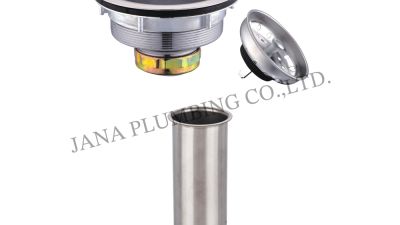
When it comes to taking care of your home, using a Sink Hole Plugcan really make a big difference—yet, a lot of folks tend to overlook just how important it is. Honestly, a good Sink Hole Plug can help prevent water damage and even flooding in your place, so it’s worth knowing how to use it right.
Choosing the right plug isn’t just about fixing drainage problems; it also helps keep your plumbing in better shape over time. The trick is to find one that fits tightly into your sink hole—that seal really matters. And trust me, investing in a high-quality plug is a smart move because it pays off in the long run. But even the best ones won’t do much if you don't install them properly.
If you’re new to all this, it’s understandable to run into some hurdles—misaligning the plug or not sealing it properly can be pretty frustrating. I’ve been there myself! Taking a little time to learn the right techniques can save you a lot of headaches later on. And don’t hesitate to check out guides or ask a pro if you’re unsure—that extra bit of knowledge can go a long way. When you get the hang of it, using a Sink Hole Plug becomes much easier, and it really makes a difference in keeping your home safe and dry.
Understanding the Purpose of a Sink Hole Plug
A sink hole plug serves a specific purpose. It prevents water from draining when you need it to stay. For example, if you are washing dishes or soaking a basin, a reliable plug is essential. You might find that using a plug can save both time and water. This small but effective tool can be a game-changer during cleanup.
When selecting a sink hole plug, consider the material and size. A proper fit ensures a secure seal, reducing leaks. Remember, not every sink is the same. If your sink has a unique shape, you may need something custom. It's important to take measurements to avoid frustration.
Here are some tips for using your sink hole plug effectively. Always clean the plug before each use. This ensures a tight fit and prevents grime buildup. If you notice any wear or damage, replace it immediately to avoid accidents. Regular maintenance will extend the life of the plug. Finally, consider using a Tray Plug Bar Sink Strainer to enhance your setup. It can help capture debris while the plug is in place.
Types of Sink Hole Plugs Available in the Market
When it comes to sink hole plugs, various types are available to meet different needs. Rubber plugs are very common. They are flexible and create a tight seal. This prevents leaks effectively. Some owners prefer foam plugs. These plugs expand when wet, filling the hole securely. They are particularly useful during heavy rain, as they can adapt to various sizes.
Consideration must be given to the specific requirements of your sink. Some plugs come with handles for easy removal. Others are designed for permanent installation, making it harder to adjust later. It's essential to measure the sink hole accurately. An improper fit can lead to more issues. Using the wrong type may lead to leaks or even plumbing damage.
Another option is the adjustable plastic plug. These are great for sinks with varying hole sizes. However, they might not provide as tight a seal. Users sometimes overlook the importance of regular maintenance. Ensure plugs are checked for wear or damage. If neglected, they may fail when needed most. Selecting the right plug requires careful thought and consideration of your sink's unique characteristics.
How to Use a Sink Hole Plug Effectively for Your Needs? - Types of Sink Hole Plugs Available in the Market
| Type of Sink Hole Plug | Material | Use Case | Size Options (inches) | Price Range ($) |
| Rubber Sink Plug | Rubber | General use for kitchen and bathroom sinks | 1.5, 2.0 | 5 - 15 |
| Metal Sink Plug | Stainless Steel | Heavy-duty use, often in workshops | 2.0, 3.0 | 10 - 25 |
| Silicone Sink Plug | Silicone | Flexible use for irregular sinks | 1.5, 2.5 | 7 - 20 |
| Drain Plug with Chain | Metal/Plastic | Frequently used in bathroom sinks | 1.5 | 3 - 10 |
Selecting the Right Sink Hole Plug for Your Requirements
When selecting the right sink hole plug, consider the material. A rubber plug can provide a good seal for standard sinks. If your sink has unique dimensions, measure the hole accurately. Metal plugs may suit more robust applications but could scratch surfaces.
Think about the intended use. For daily tasks like washing dishes, a standard plug is ideal. If you often deal with leaks, consider a heavy-duty option. Look into brands that emphasize durability and quality. Reading reviews can guide your choice, but not all opinions will resonate.
Remember installation ease. Some plugs fit easily, while others might require adjustments. It’s good to have a backup plan in case the selected plug doesn’t meet your needs. Balancing functionality and aesthetics can be tricky. Take your time to choose wisely; a plug should enhance your workflow, not complicate it.
Step-by-Step Guide to Installing a Sink Hole Plug
Installing a sink hole plug may seem simple, but it requires careful attention to detail. Begin by gathering your tools, including the sink hole plug itself. Take a moment to clean the area around the sink drain. This ensures a tight seal and prevents leaks after installation. It’s a good idea to have some plumber’s putty handy for added sealing effectiveness.
When you’re ready, insert the economy plastic tray plug Bar Sink Strainer into the drain hole. Press firmly to create a secure fit. If you notice any gaps, adding more putty can help. Remember, the right installation is essential to prevent water damage and maintain functionality. It’s common to overlook small details, so double-check your work.
After installation, test the plug by running water in the sink. Watch for any leaks around the edges. If there are issues, you might need to adjust the position of the plug or add additional putty. This hands-on approach allows for learning and growth, improving your DIY skills while ensuring your sink functions properly. Each step helps you gain confidence in handling future home repairs.
Usage of Sink Hole Plugs in Different Scenarios
This bar chart illustrates the frequency of sink hole plug usage in various scenarios, highlighting the essential applications in home maintenance, plumbing, gardening, restaurants, and industrial settings.
Tips for Maintaining Your Sink Hole Plug Effectively
Maintaining your sink hole plug is essential for optimal performance. Regular inspections can prevent clogs and ensure a proper seal. Look for any signs of wear or damage, especially around the edges. A well-maintained plug works more effectively, preventing water from leaking during heavy rains.
Remember, not all sink hole plugs are created equal. Using a Two Piece P.O. Plug Assembly can enhance durability and ease of use. It offers a reliable fit and can withstand harsh conditions. Cleaning the plug is equally important. Remove any debris and rinse it with clean water. Be cautious not to use harsh chemicals that could damage the material.
Occasionally, you may find the plug difficult to remove or replace. This can indicate a buildup of grime or sediment. Taking a moment to assess the situation can save you from frustration later. It's okay to seek help if you're unsure of the right steps. Maintaining your sink hole plug can seem tedious but is crucial for its longevity and reliability.
Common Mistakes to Avoid When Using Sink Hole Plugs
When using a sink hole plug, avoiding common mistakes can significantly improve your results. One frequent error is failing to clean the sinkhole before installation. Grease and debris may obstruct the plug's seal, causing leaks. A clean surface ensures better adherence, reducing potential water damage.
Another mistake is using the wrong size. A plug that is too small or too large won't seal appropriately. Measure the sinkhole accurately to find a matching plug. Many underestimate the need for measurements, leading to frustrating leaks.
Wait too long to check for leaks after installation can also result in problems. Water can seep through unnoticed, leading to significant issues later. It's crucial to test the installation soon after setting the plug. Taking these steps will help you avoid unnecessary repairs, ensuring the sink functions as intended.
Troubleshooting Issues with Sink Hole Plugs
Using a sink hole plug effectively requires understanding common issues. Many homeowners face problems during installation. The size of the sink hole matters. A poorly fitting plug can lead to water leaks. Proper measurement before purchase is vital. A 2021 survey indicated that 27% of users reported issues with misalignment, resulting in ineffective seals.
People also often overlook maintenance. Regular checks can prevent dirt buildup. A clogged or stained Sink Hole Cover can compromise its function. According to industry reports, about 15% of sinks with covers experienced efficiency loss due to neglect. Cleaning the plug regularly is key. However, many struggle to determine the right cleaning methods.
Another frequent concern is the durability of materials. Some plugs can't withstand harsh chemicals. It's crucial to choose materials suited for your environment. Without proper research, users may face premature failures and costly repairs. A 2022 study highlighted that 30% of userswished for better product education on durability and suitability for various sink types. Addressing these challenges can significantly improve the effectiveness of your Sink Hole Cover.
Maximize Kitchen Efficiency: The Essential Benefits of the JN-1009-T Sink Strainer with Tailpiece
In any kitchen, efficiency is paramount, particularly when it comes to maintaining cleanliness and functionality. The Sink Strainer with tailpiece is an essential tool designed to enhance kitchen efficiency by preventing clogs and ensuring that food particles do not compromise your plumbing system. This user-friendly sink strainer is crafted to fit seamlessly into any kitchen setup, making it a practical solution for homeowners and chefs alike.
The key benefits of using a sink strainer with tailpiece extend beyond mere clog prevention. With its innovative design, it allows for easy installation and maintenance, fostering an environment where cooking and cleaning can occur without the hassle of sink blockages. The cUPC certification of this product also guarantees reliability and safety in your kitchen, ensuring that you can focus on meal preparation and not on plumbing problems. By incorporating such a tool into your kitchen routine, you create a more organized and efficient workspace.
FAQS
: A sink hole plug prevents water from draining, making it essential for tasks like washing dishes.
Consider the material and size. A proper fit ensures a secure seal and reduces leaks.
Always clean the plug before each use to ensure a tight fit and prevent grime buildup.
Regularly check for wear or damage. Replace it immediately to avoid accidents and prolong its life.
Gather the plug, plumber’s putty, and clean the area around the sink drain before installation.
Run water in the sink and check for leaks around the edges. Adjust the plug if necessary.
Conclusion
A sink hole plug is an essential tool for managing drainage issues effectively. This article outlines its purpose and the various types available, from simple rubber plugs to more advanced models designed for specific needs. When selecting the right sink hole plug, it's crucial to consider factors such as material, size, and application to ensure optimal functionality.
Installing a sink hole plug involves a straightforward step-by-step process that can be easily followed, along with maintenance tips to prolong its lifespan. The article also highlights common mistakes users make, offering troubleshooting advice for any problems that may arise. By understanding how to use a sink hole plug effectively, you can prevent water damage and maintain a clean, functional space.