You know, when it comes to keeping up with household chores, one area that often gets overlooked is the efficiency of our Tub Drains. Honestly, I was surprised to learn that according to a report by Plumbing Manufacturers International (PMI), nearly 40% of homeowners run into clogged drain issues at some point. That’s pretty crazy, right? It kind of makes you wonder how many people are actually aware of the best ways to keep their tub drains running smoothly without all the headaches.
John Smith, who’s a top plumber over at Drain Solutions LLC, really hits the nail on the head when he says, 'Preventive maintenance is key to avoiding the hassle of clogged tub drains.' His point? Lots of us tend to ignore small problems until they turn into big, expensive fixes. And honestly, that reactive approach can lead to more time, money, and frustration than it’s worth.
Getting a handle on simple unclogging methods can actually do a lot — not just keeping things flowing well, but also saving you a bunch of cash and hassle in the long run. Knowing what tools and techniques are out there can be a game-changer — it’s the difference between a quick, easy fix and a days-long battle with stubborn clogs. Here, we’re focusing on practical, real-world tips that can help you tackle those clogs before they become a full-blown problem.
Understanding Common Causes of Tub Drain Clogs
Clogs in tub drains are common. Understanding their causes can lead to effective solutions. Hair is a primary culprit. According to the American Institute of Plumbing, hair accounts for about 60% of all clogs. In addition to hair, soap scum builds up over time. This residue can create blockages, forming a solid mass. Finally, foreign objects inadvertently dropped into the tub can lead to unexpected issues.
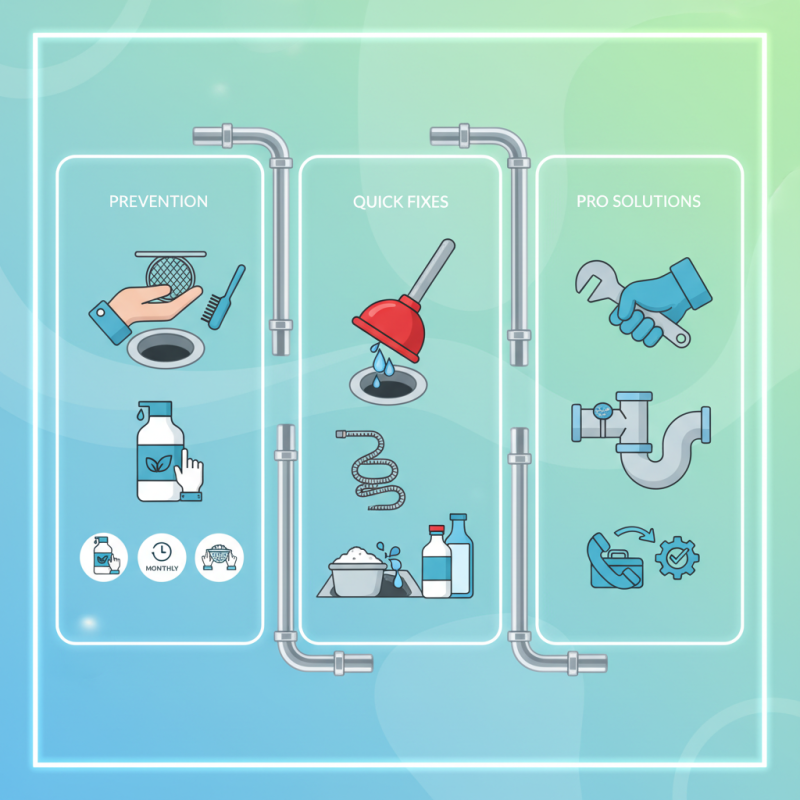
To prevent clogs, here are a few helpful tips. Use a hair catcher. This small tool can trap hair while allowing water to flow. Regularly clean your Tub Waste. Soapy buildup can quickly accumulate and cause problems. Run hot water through the drain weekly. This simple step can help dissolve soap residues and maintain clear pipes.
However, even with precautions, problems can arise. Sometimes, DIY solutions may fail. Remember that deeper clogs might require professional help. Don’t hesitate to reach out if your Tub Waste remains blocked. Addressing these problems early can save time and money in the long run.
Essential Tools for Unclogging Tub Drains
When tackling a clogged tub drain, having the right tools is key. A plunger is essential. It creates suction to dislodge blockages. Before using it, ensure there's enough water in the tub. Water helps with the seal. If the clog remains, you might need a drain snake. This tool is flexible and can reach deep clogs. Just insert it and turn to break apart any debris.
Another helpful tool is a wet/dry vacuum. It can suck out hair and other blockages quickly. If you don’t own one, consider borrowing. Gloves are important too. They protect your hands while dealing with messes. You might also want an old towel nearby. It keeps the area clean as you work.
If you encounter stubborn clogs, chemical drain cleaners may seem tempting. However, they can cause damage in some cases. It’s vital to read instructions carefully or consider alternatives. Reflection is necessary when choosing methods. Each tool serves a purpose, but understanding how to use them effectively takes practice. Keep experimenting to find what works best for you.
Step-by-Step Guide to Using a Plunger
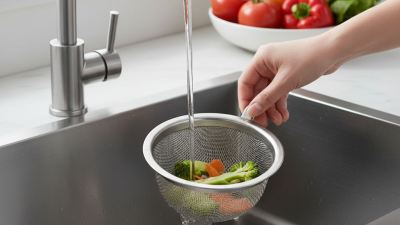
Clogged tub drains can be a hassle. Using a plunger is a quick and effective method for unclogging. Before you start, ensure you have a reliable Tub Strainer. This tool can catch hair and debris, preventing future clogs.
Begin by filling the tub with a few inches of water. This helps create a seal. Place the plunger over the drain and make sure it covers it completely. Push down firmly, then pull up. Make sure the action is swift and consistent. Repeat this several times. It requires energy, so don’t be afraid to get a bit messy.
If this doesn’t work, it’s time to reflect. Maybe the Tub Strainer wasn’t used regularly. Hair buildup can be stubborn. In some cases, a different approach may be necessary. Using a plumbing snake could be your next step if the plunger fails. Remember, maintaining your tub can save time and stress later.
Clogged Tub Drain Causes and Solutions
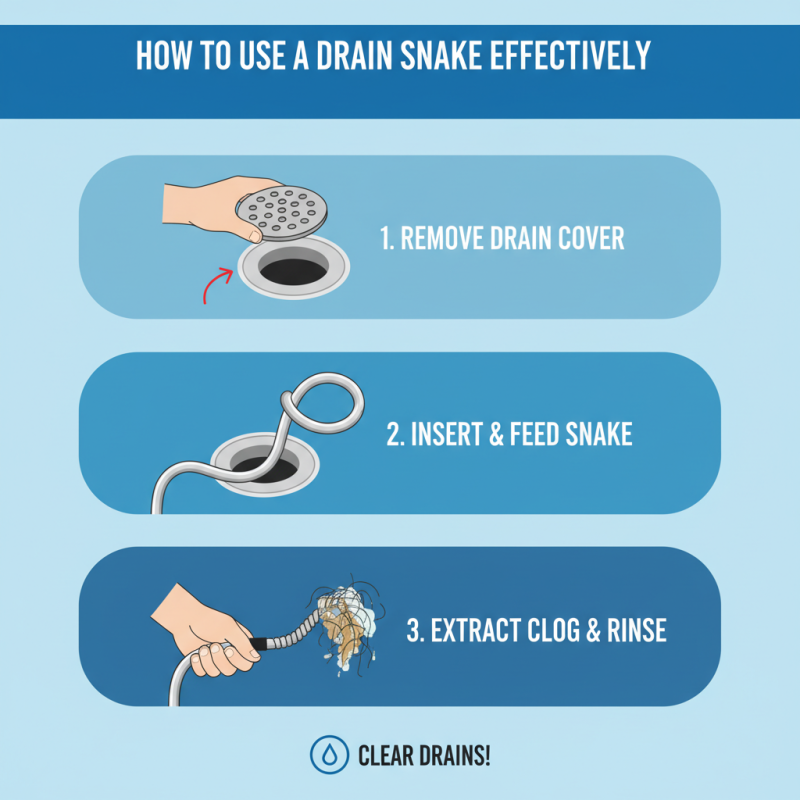
How to Use a Drain Snake Effectively
Using a drain snake is an effective method to unclog your tub drain. This tool is often long and flexible, making it perfect for reaching deep clogs. Start by locating the drain cover and removing it. You want direct access to the drain itself.
Once the cover is off, carefully insert the snake into the drain. Push it forward until you encounter resistance. This is usually the clog. Rotate the handle to help the snake grip and break apart the blockage. Be patient; moving too quickly can cause damage to pipes.
Tips: Always wear gloves. Clogs can be unsanitary. Take your time when inserting the snake. Rushing may lead to missing the clog entirely. After clearing the drain, run hot water to flush away debris. This will ensure the drain flows smoothly again. Remember, practice makes perfect. If the first attempt fails, don't be discouraged. Adjust your technique and try again.
Natural Remedies for Minor Clogs: Vinegar and Baking Soda
Dealing with a clogged tub drain can be frustrating. When water drains slowly, it’s often due to hair or soap scum buildup. You can try simple natural remedies to tackle minor clogs. One effective method involves using vinegar and baking soda.
Start by removing the cover from your Pop Up Tub Drain. Pour half a cup of baking soda directly into the drain. Follow it with half a cup of white vinegar. The mixture will fizz and bubble, breaking down debris. Allow it to sit for about 30 minutes. During this time, the natural ingredients work to dislodge clogs gently.
After waiting, flush the drain with hot water to clear away any loosened gunk. It’s amazing how well this method works, although it may not address stubborn clogs. If it doesn't happen, try again or use a plumber's snake. Remember, not all remedies work perfectly every time. Adjust your approach based on what you see. Taking care of your tub drain regularly can prevent bigger issues down the line.
Preventive Measures to Avoid Future Clogs
Preventive measures are key to avoiding clogged tub drains. Hair is one of the biggest culprits. It collects over time and creates blockages. To prevent this, consider using a drain cover. These covers catch hair and debris while allowing water to pass through. Clear the cover regularly. Small efforts can save you from bigger problems later.
Another preventive tactic is regular maintenance. Pouring hot water down the drain once a month helps keep things flowing smoothly. You can also use a natural solution of vinegar and baking soda. This combo helps break down buildup without harsh chemicals. Just be mindful; too much buildup can still occur unexpectedly.
Educate yourself about what not to flush down the drain. Items like soap bars and cotton swabs contribute to clogs. Make it a habit to only let water and biodegradable waste go down. By implementing these small steps, you can protect your plumbing. An unclogged drain can lead to a happier home and a fully functional Universal Tub Drain.
When to Call a Professional Plumber for Help
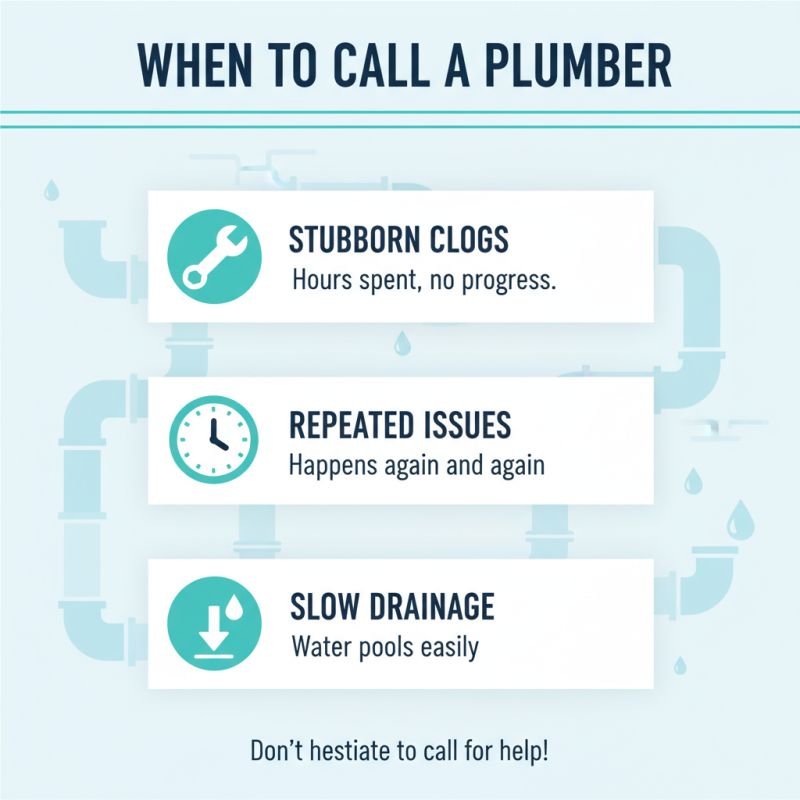
When a tub drain gets clogged, it can be a hassle. Sometimes, you might spend hours trying to fix it. It's essential to know when to call a professional. There's no shame in asking for help.
If your efforts to unclog the drain fail, it may be time to call a plumber. Frequent clogs can indicate serious issues. An experienced plumber can diagnose the problem accurately. They have the right tools to address deeper blockages. Don’t ignore persistent drainage issues; they often worsen over time.
Here are a few tips to consider before calling in the pros: Regular maintenance can prevent clogs. Clean your drains regularly with boiling water or vinegar. Mesh screens can catch hair and debris. Even small steps can make a significant difference. However, if the drain smells bad or gurgles, it’s a sign of deeper problems. Trust your instincts. If you feel overwhelmed, it’s okay to seek help.
Conclusion
Clogs in tub drains can be frustrating, but understanding their common causes is the first step in effectively addressing the issue. Hair, soap residue, and foreign objects are typical culprits. Equipped with essential tools like a plunger and drain snake, homeowners can tackle minor clogs themselves. A step-by-step guide for using a plunger, along with effective techniques for implementing a drain snake, can streamline the unclogging process.
For those who prefer natural remedies, a mixture of vinegar and baking soda can help clear minor blockages without harsh chemicals. Preventative measures, such as regular cleaning and using drain screens, can also minimize future clogs. However, if the issue persists despite these efforts, it may be time to consult a professional plumber for assistance. Taking these steps can help maintain smooth tub drains and avoid inconvenient disruptions.