Picking out the right Lavatory Sink Strainer can feel pretty overwhelming sometimes, right? With so many options out there, it’s hard to know what really matters. A good quality strainer can save you from nasty clogs and even avoid those pricey plumbing calls down the road. If you understand things like the materials, sizes, and designs, it makes the whole choosing process a lot less confusing.
Honestly, your perfect Sink Strainer should fit your sink just right. Most folks go for stainless steel because it’s tough and long-lasting, but some might prefer plastic since it’s lighter and easier to handle. Don’t overlook checking whether it works with your existing plumbing — that’s a step a lot of people forget. Also, think about maintenance. You want something that’s easy to clean but still strong enough to last for ages.
Not all strainers are created equal, either. Some might look sleek but don’t perform well in daily use. That’s why sticking with a good supplier like PlumbMaster can make all the difference—they provide info and guidance to help you pick the best option. And hey, sometimes your first pick isn’t the best one, so it’s totally normal to rethink things after a bit of experience. Looking back on what didn’t work can help you make a smarter choice next time around.

Types of Lavatory Sink Strainers Available in the Market
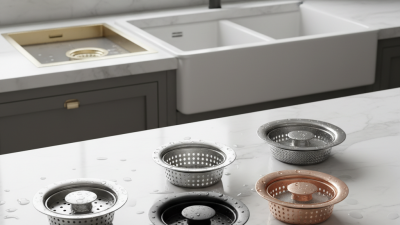
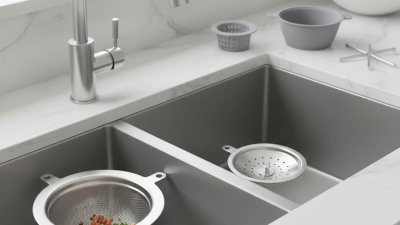
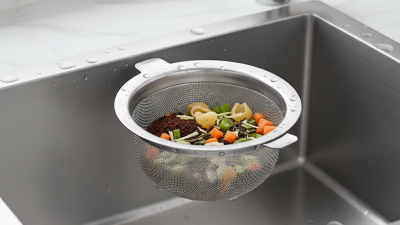
When selecting a Lavatory Sink Strainer, understanding the types available is crucial. Commonly, you’ll find mesh strainers, perforated strainers, and Lavatory Grid Strainers. Mesh strainers offer fine filtration, ideal for trapping small particles. Conversely, perforated strainers have larger holes, allowing for faster drainage but less filtration capability. Lavatory Grid Strainers are increasingly popular as they combine functionality with aesthetic appeal.
A report by the Home Improvement Research Institute indicates that the demand for durable strainers has increased by 25% in the last five years. Consumers prioritize materials that resist corrosion and maintain performance over time. Strainers made from stainless steel or high-quality plastic are recommended for longevity. In the case of lavatory grid strainers, designs that complement modern bathrooms are also becoming essential for buyers.
When choosing the right strainer, consider ease of cleaning. Regular maintenance is necessary, as buildup can lead to clogs. If your strainer is challenging to clean, it might not be the best fit. Always evaluate the strainer's compatibility with your sink size. Some strainers might seem suitable, yet they often underperform in specific settings. Remember, a good lavatory grid strainer can significantly impact your sink's functionality.
Key Materials Used in Lavatory Sink Strainers and Their Benefits
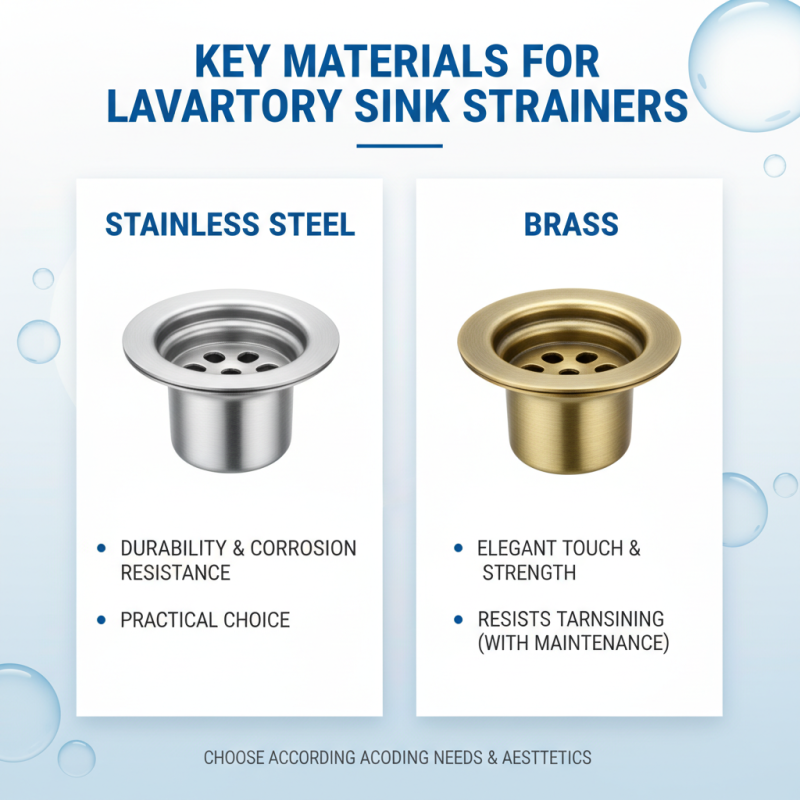
When selecting a lavatory sink strainer, the material used plays a crucial role in performance. Stainless steel is a popular choice. It offers durability and corrosion resistance. This makes it a practical option for bathroom settings. Brass is another solid alternative. It adds an elegant touch and is known for its strength. However, it can tarnish over time, requiring some maintenance.
Consider the use of plastic strains as well. They are lightweight and affordable. They do not rust, but they may need replacing sooner than metal options. When choosing a strainer, think about the overall look of your bathroom. Matching the finish can enhance the aesthetic appeal significantly.
Tip: Check for a removable basket design. This feature allows for easier cleaning and maintenance. Think about flow rate too. A strainer that allows for smooth water drainage can help prevent clogs.
In conclusion, choosing the right material is essential. Take time to weigh the pros and cons. Each material has its unique charm and challenges. Reflect on your needs and preferences before committing.
Factors to Consider When Selecting a Lavatory Sink Strainer
When selecting a lavatory sink strainer, it's crucial to consider various factors that affect both functionality and design. The material of the strainer plays a significant role. Stainless steel and brass are common choices due to their durability and resistance to rust. However, plastic options can be lightweight and cost-effective. Each option has its pros and cons, and the best choice depends on your specific needs.
Another essential aspect is the size and fit of the strainer. An ill-fitting Lavatory Sink Draincan lead to clogs and leaks. Measure your sink's drain opening accurately before making a selection. Look for a strainer that ensures a snug fit. Additionally, consider the design—whether you prefer a modern aesthetic or a more traditional look. Strainers also come in various styles, including pop-up and basket types. This variety can impact the daily use of the Lavatory Sink Drain.
Ease of cleaning is another detail that should not be overlooked. Some strainers are designed for quick removal, making maintenance simpler. Regular cleaning can prevent build-up and enhance longevity. With these factors in mind, you can make a more informed choice, ensuring that your lavatory sink strainer meets both practical and aesthetic needs. Each option requires careful thought to avoid future frustrations.
How to Measure Your Sink for Proper Strainer Fit
When selecting a lavatory sink strainer, proper measurements are crucial. According to industry reports, approximately 30% of homeowners face issues due to incorrect sizing. A well-fitted strainer prevents clogs and protects drainage systems. It's vital to measure both the diameter and depth of your sink's drain hole accurately. Using a measuring tape can make this task straightforward.
To measure your sink for a strainer, first, ensure the sink is clean. Remove any existing fixtures to gain accurate measurements. Measure the diameter of the drain opening and the depth from the top edge of the sink to the bottom of the drain pipe. Many experts recommend noting these measurements down to avoid confusion.
Despite having clear measurements, choices can still lead to fitting issues. Many users report purchasing strainers that do not fit as expected, which results in leaks or inadequate drainage. The 2022 Home Improvement Survey highlighted that over 25% of participants regretted their strainer choices due to improper sizing. Consider all aspects consistently, focusing on both functional fit and aesthetics during your decision-making process. This detailed approach can help avoid common pitfalls.
Installation Tips for Your Chosen Lavatory Sink Strainer
When installing a lavatory sink strainer, begin by evaluating your existing sink setup. Pay attention to the size and type of your Lavatory Drain. This will ensure that the strainer fits perfectly and functions well. Use a wrench to loosen any nuts and take off the old drain if needed. Sometimes, stuck parts may require gentle tapping. This approach helps in avoiding damage while removing old components.
Ensure the new strainer is secure. After placing the strainer into the lavatory drain, tighten the locking nuts but avoid overtightening. This could lead to cracks or leaks. Apply some plumber's putty around the edges for added sealing. Check for gaps or any fittings that seem unstable. This minor oversight can cause significant issues later.
Finally, run water through the sink to test for leaks. Watch the connections carefully as the water flows. Any signs of dripping indicate that you may need to readjust your strainer. It’s worth taking a moment to reflect on the installation process. Did you follow each step carefully? Rushing can lead to mistakes that are frustrating to fix later.
Common Maintenance Practices for Lavatory Sink Strainers
Maintaining lavatory sink strainers is essential for optimal performance. Regular cleaning prevents clogs and extends the lifespan of your plumbing system. The American Society of Plumbing Engineers reports that nearly 60% of plumbing issues stem from improper maintenance. A well-maintained Lavatory Grid Drain can save homeowners significant repair costs.
Cleaning your strainer weekly can make a big difference. Remove hair and debris to avoid blockages. Use a mixture of vinegar and baking soda for a natural cleaning solution. It’s effective and eco-friendly. Try this simple tip to keep your drain flowing smoothly.
Another critical practice is inspecting the strainer for wear and tear. Small cracks or rust can lead to leaks or inefficient drainage. Replace worn strainers promptly to maintain optimal flow. Experts recommend changing strainer components every few years, depending on usage. Regular checks can ensure that your lavatory grid drain works effectively and prevent costly repairs down the line.
Troubleshooting Issues with Lavatory Sink Strainers
When dealing with lavatory sink strainers, various issues can arise. Clogs are common and can be a nuisance. Hair, soap residue, and debris often buildup, leading to slow drainage. Regular cleaning can prevent significant issues. However, sometimes strainers can become damaged. Cracks or warping may affect their performance.
For effective troubleshooting, begin with regular maintenance. Clear out visible debris from the strainer regularly. Use a soft brush to remove buildup. This can extend the life of your strainer significantly. If you notice leaks, check the connection points. Tightening these spots may solve the problem without needing a replacement.
Sometimes, you may face an unexpected clog deep in the plumbing. In these cases, a plunger or a plumbing snake can be handy. Always be cautious with chemical drain cleaners; they may cause more harm than good. Your strainer is an essential barrier against debris, but it requires care and attention to function effectively.
The Ultimate Guide to Choosing the Right Replacement Strainer Basket JN-1112 for Your Kitchen Needs
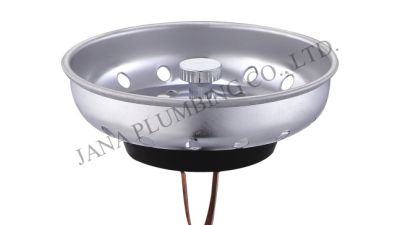
When it comes to maintaining a functional and efficient kitchen, choosing the right replacement strainer basket is essential. The Replacement Strainer Basket model JN-1112 is designed to optimize the performance of the JN-1011-2, a common appliance in many kitchens. According to industry analyses, kitchen efficiency can be significantly improved with the right accessories, and a well-fitted strainer basket plays a crucial role in this process. The JN-1112 features an innovative easy turn-and-drop motion, making replacements seamless and quick, thus minimizing downtime in busy cooking environments.
Durability is another critical factor in selecting a strainer basket. High-quality materials used in the construction of the JN-1112 ensure it withstands the rigors of daily kitchen activities. According to a report by the National Kitchen and Bath Association, kitchen accessories made from robust materials can enhance longevity and performance, emphasizing the importance of investing in products like the JN-1112. By choosing durable components, kitchen operators can maintain cleanliness and functionality, contributing to a smoother workflow.
Moreover, ease of use is a significant consideration for those who prioritize efficiency. The effortless design of the JN-1112 enhances operational efficiency, allowing users to focus on cooking rather than maintenance. Data from recent surveys indicate that kitchens utilizing efficient tools and components report higher satisfaction and productivity levels. As kitchens evolve, ensuring that every part, including strainer baskets, is optimized for performance will remain a top priority for both professional chefs and home cooks alike.
FAQS
: Common types include mesh strainers, perforated strainers, and lavatory grid strainers. Each serves a different purpose.
Durable materials resist corrosion and maintain performance. Stainless steel and high-quality plastic are good choices.
Evaluate your existing sink setup. Check the size and type of the lavatory drain before purchasing.
Regular cleaning is essential. Remove hair and debris weekly to avoid blockages and extend its lifespan.
Start by loosening any nuts and removing the old drain. Secure the new strainer and check for leaks afterward.
A mixture of vinegar and baking soda works well. It’s effective for cleaning and eco-friendly.
Look for signs of wear like cracks or rust. Replace worn components every few years for optimal flow.
Don't overtighten the strainer, as this can cause cracks. Also, check all connections for stability.
Regular checks can help identify issues early. Inspecting strainers every few months is a good practice.
Neglect can lead to costly plumbing issues. Remember, a minor oversight can cause significant problems later.
Conclusion
When selecting the best lavatory sink strainer, it's essential to consider the various types available on the market, which cater to different sink designs and user needs. Key materials commonly used include stainless steel, plastic, and rubber, each offering distinct benefits such as durability, resistance to corrosion, and ease of cleaning. It's also crucial to measure your sink accurately to ensure a proper fit for the strainer, as well as to follow installation tips to make the process straightforward.
Regular maintenance practices can prolong the lifespan of lavatory sink strainers, such as routine cleaning to prevent blockage. If issues arise, knowing common troubleshooting steps can help address problems quickly. By understanding these factors, you can choose a lavatory sink strainer that not only fits but also enhances the functionality of your sink.