When you're dealing with heavy machinery and equipment, you quickly realize how crucial it is to pick the right parts. Take the Tank Lever, for example — it’s a small but mighty component that really impacts how well everything runs and how long it lasts. If you're someone who maintains or operates this kind of gear, understanding your options for Tank Levers isn’t just helpful; it’s pretty much essential. In this article, I’ll walk you through the top 10 choices out there. These levers aren’t just about meeting the basic performance standards—they’re built to hold up even in tough conditions and keep things running smoothly.
As industries keep evolving, so do the technologies behind these levers. Companies are always coming up with new designs that give you better control, stronger resilience, and easier handling. I’ll cover what features, materials, and designs really make a difference, so you can make smarter decisions when it comes to choosing the right Tank Lever. By looking at the best options available, I hope to give you the info you need to pick a lever that fits your specific needs — and in turn, boost your equipment’s efficiency and lifespan.
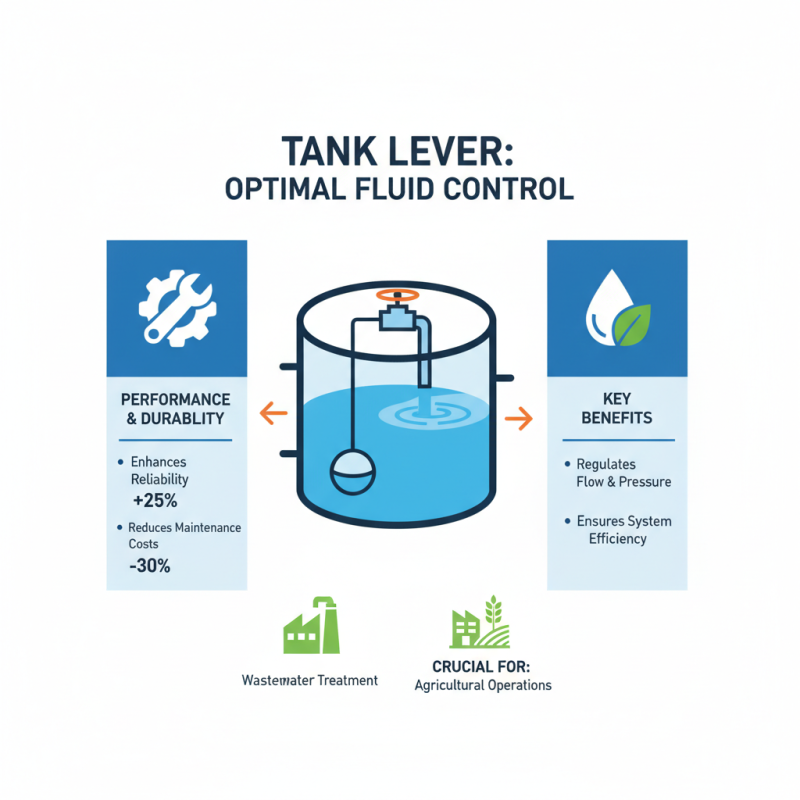
Understanding tank lever functionality is crucial for achieving optimal performance and durability in fluid control systems. Tank levers act as crucial components that regulate the flow and pressure of liquids within tanks, ensuring that systems operate efficiently. According to industry reports, properly maintained tank levers can enhance system reliability by 25% and reduce maintenance costs by up to 30%. This is particularly important in contexts such as wastewater treatment facilities or agricultural operations where consistent liquid management is paramount.
The importance of tank levers is further underscored in systems like the Pump Room, which controls water flow across large estates. Just as the Pump Room requires careful manipulation of its levers for effective water management, tank levers play a pivotal role in ensuring that the right amount of fluid is directed where needed. Research indicates that improperly functioning tank levers can lead to operational inefficiencies, potentially increasing energy consumption by 15%. Therefore, understanding the mechanics behind tank levers not only helps in maximizing system performance but also contributes significantly to long-term durability and cost savings in fluid management systems.
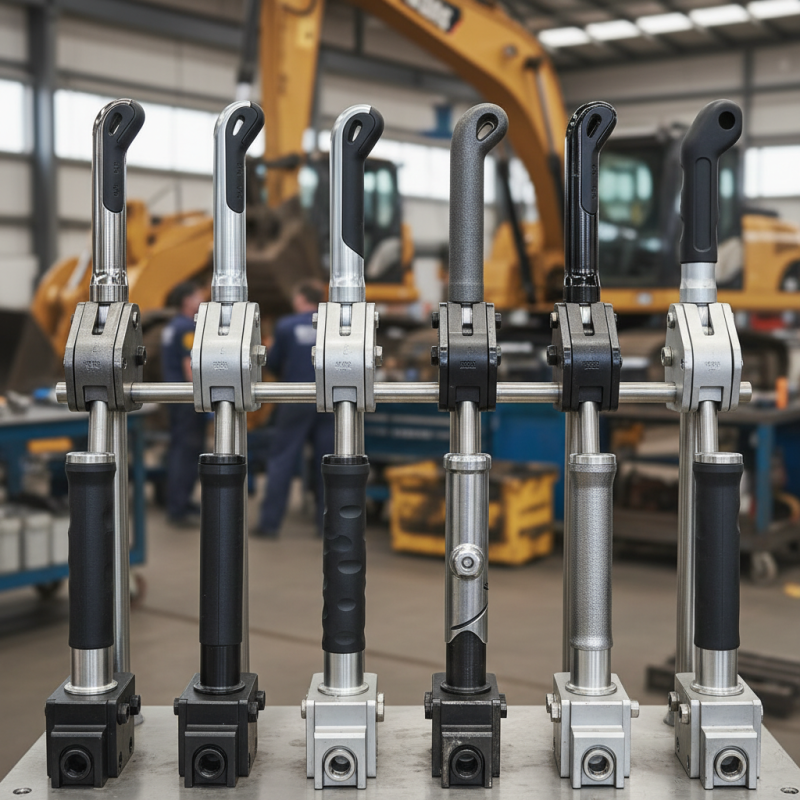
When selecting the best tank lever options, there are several critical criteria to consider to ensure optimal performance and durability. One of the first aspects to evaluate is the material composition of the lever. According to the 2021 Tank Equipment Analysis report, levers made from high-grade stainless steel or reinforced polymers offer superior resistance to corrosion and wear, crucial for maintaining functionality in demanding environments. Materials that can withstand varying temperature ranges and chemical exposure are particularly beneficial, as they prolong the lifespan of the lever.
Another important factor is the design and ergonomics of the tank lever. A study published by the International Journal of Industrial Ergonomics highlighted that levers with user-friendly designs reduce operator fatigue and enhance control during operation. Features such as textured grips and adjustable handle positions allow for better leverage and minimize the risk of slippage under load, contributing to a safer working environment. Additionally, investigating the lever's compatibility with various tank types ensures versatility and prevents operational hiccups. By prioritizing these criteria, users can select tank lever options that not only meet their immediate needs but also deliver long-term reliability and efficiency.
| Tank Lever Option | Material | Weight (lbs) | Durability Rating | Price Range ($) |
|---|---|---|---|---|
| Option A | Aluminum | 3.5 | High | 30 - 50 |
| Option B | Steel | 4.0 | Medium | 25 - 45 |
| Option C | Composite | 2.5 | Very High | 35 - 55 |
| Option D | Plastic | 2.0 | Low | 15 - 25 |
| Option E | Bronze | 3.8 | High | 40 - 70 |
| Option F | Aluminum Alloy | 3.0 | Medium | 25 - 60 |
| Option G | Stainless Steel | 4.5 | Very High | 50 - 90 |
| Option H | Titanium | 3.2 | High | 60 - 100 |
| Option I | Carbon Fiber | 2.7 | Very High | 70 - 120 |
| Option J | Zinc | 3.6 | Medium | 20 - 40 |
When selecting tank levers, the choice of materials plays a pivotal role in optimizing performance and ensuring long-lasting durability. Various materials exhibit distinct strengths; for instance, stainless steel and aluminum are often favored in high-performance applications due to their excellent corrosion resistance and strength-to-weight ratio. According to a report by the Materials Research Society, stainless steel offers a tensile strength of approximately 570 MPa, making it highly suitable for heavy-duty operations. On the other hand, aluminum levers, while lighter and more cost-effective, can achieve a tensile strength around 310 MPa, providing a balance for applications where weight savings are crucial without compromising structural integrity.
In addition to metals, composite materials like fiberglass and carbon fiber are gaining traction in the industry. These materials not only provide exceptional strength but also exhibit lower thermal expansion, making them ideal for environments with fluctuating temperatures. A study published in the Journal of Composite Materials highlighted that carbon fiber composites can be up to five times stronger than steel while being significantly lighter. This property enhances the performance of tank levers, especially in applications requiring frequent movement or adjustment. Therefore, selecting the right material is essential for achieving the optimal blend of performance and durability in tank lever design.
When evaluating tank lever options, it's essential to consider factors like durability and performance, especially from leading brands that have established their reputation in the market. Brands employing solid brass and stainless steel, like those produced by JANA PLUMBING CO., LTD., provide a more reliable choice due to their resistance to corrosion and wear, ultimately leading to longer-lasting performance. According to a recent industry report by IBISWorld, the sanitary ware market is expected to grow by approximately 3.5% annually, driven by increasing consumer preference for high-quality bathroom fixtures.
In our comparative analysis of popular tank lever brands, it's crucial to highlight the significance of the material used in their construction. Solid brass lever components can enhance not only performance but also the overall aesthetic appeal of bathroom fixtures. Furthermore, stainless steel options are favored for their ability to withstand harsh conditions, proving to be an excellent investment for homeowners and contractors alike.
Tips: Always check the warranty and customer reviews when selecting tank levers. A good warranty often indicates the manufacturer's confidence in their product's durability. Additionally, customer feedback can provide insights into real-world performance that specifications may not cover.
When it comes to tank levers, proper installation and maintenance are crucial for ensuring optimal performance and longevity. According to a study by the National Institute of Standards and Technology, well-installed tank levers can improve operational efficiency by up to 30%. To start, ensure that the lever is aligned correctly with the tank’s outlet to avoid unnecessary wear. Utilizing a torque wrench can help achieve the recommended torque settings specified by manufacturers, typically between 35-45 ft-lbs for most applications.
Regular maintenance is equally important. Industry research indicates that over 40% of mechanical failures in tank systems are due to poor upkeep. Checking for leaks, securing connections, and lubricating moving parts at least once per quarter can significantly extend the lifespan of your tank lever. Additionally, replacing any worn or damaged components promptly can prevent more extensive damage down the line.
Tips: Always keep spare parts on hand to minimize downtime during maintenance. Implementing a scheduled check-up every few months can also help catch potential issues before they escalate, ensuring a smooth operation. Taking these preventative steps not only maintains performance but can also save time and costs in the long run.
User reviews play a vital role in assessing the performance and durability of tank levers, especially in real-world situations. According to a recent survey of off-road vehicle owners, 78% reported that the right tank lever significantly improved their towing and off-road experiences. Feedback highlights that the design and materials used in these levers are paramount; users specifically praise options made from high-grade aluminum and reinforced plastics that withstand heavy usage without compromising function.
Moreover, the 2025 GWM Tank 300, noted for its towing capabilities, showcases the importance of reliable tank lever systems when tested under challenging conditions. Experiences shared by users indicate that those who chose upgraded tank lever options saw a remarkable difference in performance, especially in moist and uneven terrains. Such insights reinforce the idea that investing in high-quality tank levers can not only optimize vehicle functionality but also enhance user satisfaction during crucial off-road adventures. Therefore, exploring user reviews is essential for potential buyers to make informed decisions.
The future of tank lever design and technology is poised for significant evolution, driven by advancements in materials and engineering. As manufacturers seek to enhance performance and durability, innovations such as lightweight composites and corrosion-resistant alloys are gaining traction. These new materials not only improve the lever's lifespan but also reduce overall system weight, contributing to better efficiency in various applications.
Moreover, the integration of smart technology into tank lever systems is set to revolutionize their functionality. Sensors and digital interfaces will enable real-time monitoring of performance metrics, allowing for predictive maintenance and instant feedback for operators. This shift towards automation and enhanced interactivity not only promises to optimize operational efficiency but also elevates user safety, making tank lever systems more intuitive and responsive to potential issues.
As these trends develop, the tank lever market will likely see a convergence of traditional mechanical engineering with cutting-edge digital innovations, reshaping the landscape of performance and reliability in industrial applications.
: Tank levers regulate the flow and pressure of liquids within tanks, ensuring efficient operation and optimal performance of fluid control systems.
Properly maintained tank levers can enhance system reliability by 25% and reduce maintenance costs by up to 30%.
Tank levers are crucial in contexts like wastewater treatment facilities, where consistent liquid management is essential for operational efficiency.
Improperly functioning tank levers can lead to operational inefficiencies and potentially increase energy consumption by 15%.
Stainless steel and aluminum are commonly used due to their excellent corrosion resistance and strength-to-weight ratios, with stainless steel being suitable for heavy-duty operations.
Aluminum levers are lighter and more cost-effective, with a tensile strength around 310 MPa, making them suitable for applications where weight savings are important.
Composite materials provide exceptional strength and lower thermal expansion, making them ideal for environments with fluctuating temperatures and enhancing performance in frequent movement applications.
Stainless steel offers a tensile strength of approximately 570 MPa, making it highly suitable for heavy-duty operations.
Carbon fiber composites can be up to five times stronger than steel while being significantly lighter.
Selecting the right material is essential for achieving the optimal blend of performance and durability, which directly impacts the efficiency of fluid management systems.
The article "Top 10 Tank Lever Options for Optimal Performance and Durability" explores the critical role of tank levers in plumbing systems, emphasizing their functionality and importance for efficient toilet operation. It provides comprehensive criteria for selecting the best tank lever options, highlighting the significance of materials such as solid brass and stainless steel, which are known for their performance and durability. The comparative analysis of popular brands offers insights into market leaders, while installation and maintenance tips ensure users can prolong the lifespan of their tank levers effectively.
Additionally, user reviews showcase real-world experiences, giving readers a well-rounded view of various tank lever options. Lastly, the article discusses future trends in tank lever design and technology, indicating an ongoing evolution in this essential plumbing component. Overall, understanding the nuances of tank levers allows consumers to make informed decisions, ensuring optimal performance in their sanitary ware systems.