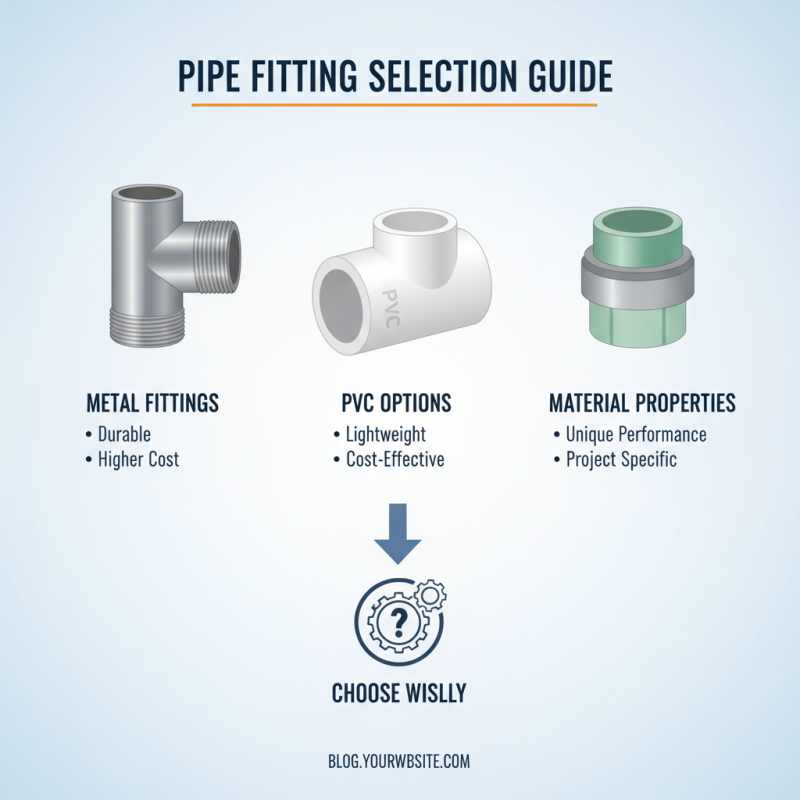
When you're dealing with plumbing or construction projects, it's pretty important to really get what types of Pipe Fittingare out there. I remember hearing John Smith from Pipeline Solutions say something like, “The right Pipe Fitting can make or break your project,” and it totally stuck with me. His point? Picking the proper fittings isn’t just a minor detail—it’s key to making sure everything works smoothly and stays durable.
Honestly, choosing the right pipe fitting can feel a bit overwhelming at first. With so many options, it’s easy to get lost trying to figure out what fits best. Each type has its own role, and these tiny pieces can really influence how well your system performs. Like, a simple elbow—literally just a bend—can change the direction of a flow, while a coupling helps connect two pipes together without issues. They might seem small, but trust me, they’re super important for long-term durability and performance.
Looking back at some past projects, I’ve seen how easy it is to overlook certain fittings, only to end up paying the price later in repairs and delays. That’s why understanding all the different pipe fitting types isn’t just useful—it’s a must-have, whether you're just starting out or a seasoned pro. When you make smart, informed choices, everything runs smoother, and your customers walk away happy. In this line of work, where every detail matters, remembering the importance of these fittings really can’t be overstated.
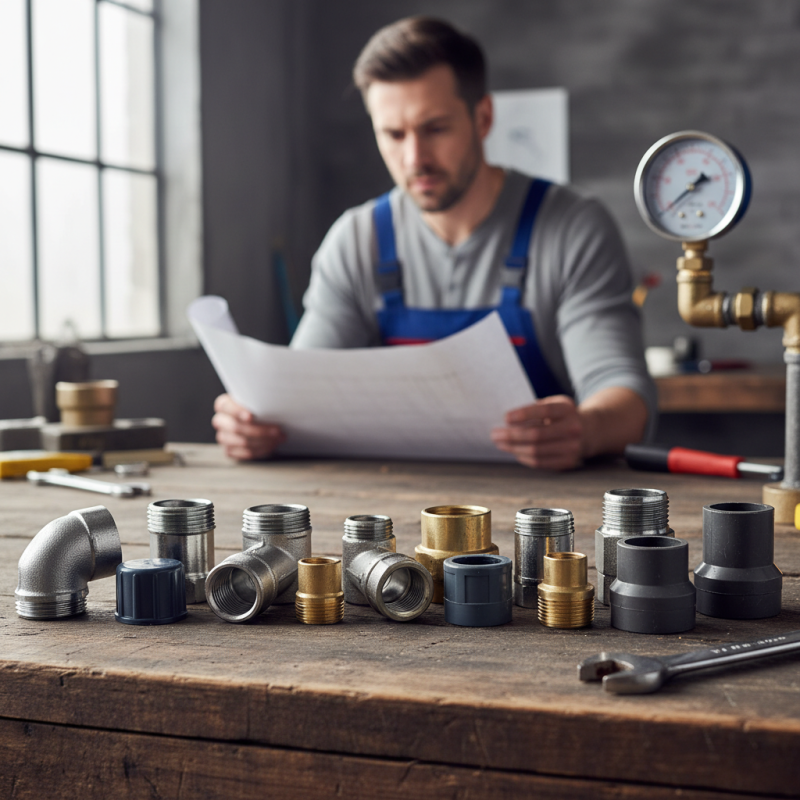
Understanding the Basics of Pipe Fittings
When it comes to understanding pipe fittings, you need to know the basics. Pipe fittings are essential components in plumbing and industrial systems. They help connect, redirect, or terminate pipes. According to industry reports, the global pipe fittings market was valued at about $77 billion in 2022 and is projected to grow steadily. This growth reflects the increasing demand for safe and reliable plumbing systems.
Different types of pipe fittings serve specific purposes. Elbows, tees, and unions are crucial for changing the direction of flow. Couplings and adapters join different pipe sections. Each type has unique specifications and uses, making it essential to choose wisely. Understanding these distinctions can save time and prevent costly mistakes.
Tips: Always consider the materials when purchasing. For instance, different fittings suit plastics, metals, or composites. Ensure compatibility with your pipes. Review technical sheets for pressure ratings and temperature limits. Knowledge is power in selecting the right fittings. Misjudging specifications can lead to leaks or system failures.
It's important to implement best practices. Regularly inspect fittings for signs of wear or damage. Monitor performance over time. This helps maintain system efficiency. Remember, even small imperfections in installation can cause significant issues. Awareness of these aspects is essential in achieving a robust plumbing infrastructure.
Key Considerations When Buying Pipe Fittings
When purchasing pipe fittings, several key considerations come into play. Understanding different materials is crucial. Common materials include PVC, copper, and stainless steel. Each has distinct properties that affect durability, corrosion resistance, and temperature tolerance. For instance, a report by the American Society of Mechanical Engineers highlights that stainless steel fittings can endure extreme temperatures, making them suitable for high-pressure applications.
Another vital factor is the fitting type. Elbows, tees, and couplings are among the most commonly used. Selecting the correct fitting ensures the integrity of the system. Data from industry research indicates that improper fitting choices can lead to leaks, costing businesses significant amounts in repairs and downtime.
Tips: Always confirm the fitting size before purchasing. Measure the pipe’s diameter accurately. Additionally, consider the working environment. Harsh conditions may require specialized fittings. Lastly, consult with a professional if there’s uncertainty. Reliable advice can prevent costly mistakes down the road.
Top 10 Common Types of Pipe Fittings Explored
When it comes to plumbing, understanding pipe fittings is essential. These fittings connect sections of pipe and allow for changes in direction. Common types include elbows, tees, and couplings. Each type has a specific purpose and installation method. Among these, the elbow is crucial for redirecting flow within tight spaces.
For example, when installing a Bathtub Pipe Drain, the correct elbow fitting ensures water flows smoothly into the drainage system. It's essential to measure carefully before making any cuts. Incorrect measurements can lead to improper fits or leaks. Always prioritize compatibility with your existing pipes to avoid headaches later on.
Tips: Familiarize yourself with the materials used in various fittings. PVC, copper, and stainless steel each have unique benefits. Mistakes can happen, such as choosing the wrong material, leading to corrosion or damage. Double-check all fittings for proper size and connection before assembly. Doing so can save significant time and resources.
Detailed Features of Each Pipe Fitting Type
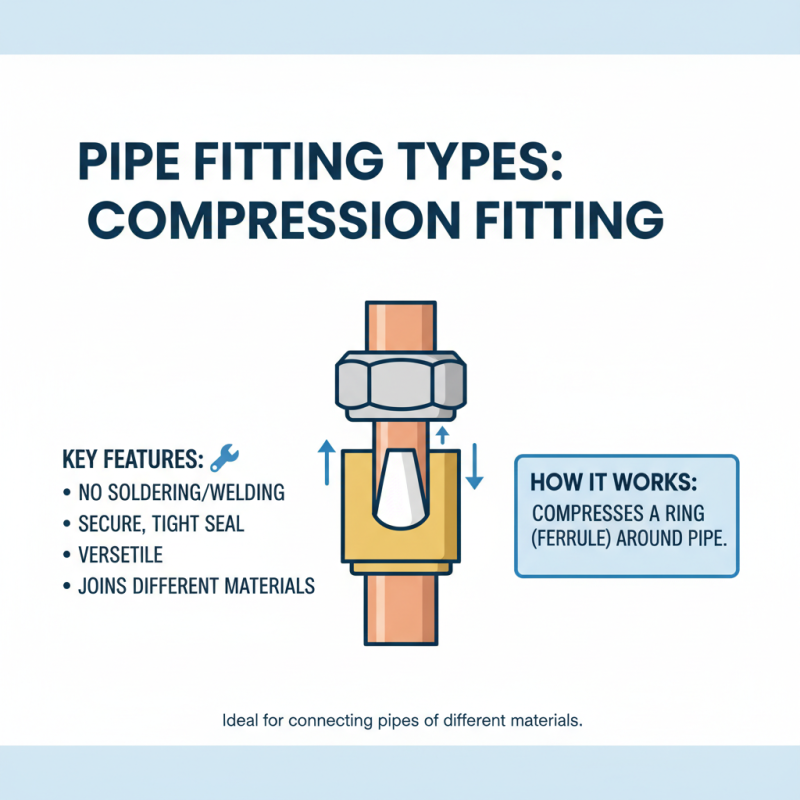
When purchasing pipe fittings, understanding the different types is crucial. One essential type is the compression fitting. This fitting secures pipes without the need for soldering or welding. It works by compressing a ring around the pipe, creating a tight seal. Ideal for connecting pipes of different materials, its versatility is a significant advantage.
Another important type is the elbow fitting. This fitting allows for angular changes in pipe direction. It is available in various degrees, like 90 or 45. The elbow fitting is commonly used in plumbing systems to navigate around obstacles. However, improper installation can lead to leaks, so extra caution is necessary.
Finally, the tee fitting plays a vital role in branching pipes. It forms a T shape, letting you connect three pipes at once. This fitting is often used in water supply lines. While they are effective, the layout and flow can be challenging in some designs. Knowing these features helps in making informed decisions during your purchase. Understanding these details mitigates risks and enhances reliability in plumbing projects.
Common Applications for Different Pipe Fittings
Pipe fittings are crucial components in various piping systems, serving distinct functions based on their types. Their applications are diverse, spanning industries from construction to manufacturing. For instance, elbow fittings are typically used to create bends in pipes. These fittings can reduce the flow's resistance, benefiting systems that require directional changes. Data from the World Piping Association indicates that improper use of elbow fittings can lead to a 20% loss in system efficiency.
Another common type is the T-fitting, which allows for the branching of systems. These are predominantly used in water supply and drainage applications. In industrial settings, they can be vital in managing fluid distribution. However, using a T-fitting without proper sealing can result in leaks, leading to costly repairs. A report from the Fluid Dynamics Institute reveals that improper installation contributes to over 30% of system failures.
Flanges are yet another essential fitting, commonly used for connecting pipes securely. They facilitate maintenance by allowing easy disconnection of segments. However, the risk of corrosion and wear over time can compromise their integrity. A market research report highlights that over 15% of flanged connections experience issues due to neglect in regular maintenance. Understanding these applications and their challenges can guide better purchasing decisions for pipe fittings.
Top 10 Pipe Fitting Types You Need to Know for Purchasing
| Fitting Type | Description | Common Applications | Materials |
| Elbow | Used to change the direction of piping. | Water systems, HVAC, oil and gas. | PVC, copper, stainless steel. |
| Tee | Used to split a pipe into two or combine two lines. | Plumbing, irrigation systems. | PVC, CPVC, steel. |
| Coupling | Connects two pieces of pipe. | Sewer, water supply, gas lines. | PVD, copper, galvanized steel. |
| Reducer | Connects pipes of different diameters. | Process piping, HVAC system. | PVC, carbon steel. |
| Cap | Seals the end of a pipe. | Pyramid systems, pipe repair. | PVC, brass, steel. |
| Flange | Used to connect pipes or equipment. | Oil and gas industry, water treatment. | Steel, ductile iron. |
| Plug | Closes the end of a pipe. | Waste systems, water lines. | PVC, stainless steel. |
| Nipple | Short piece of pipe with threads on both ends. | Connecting fixtures and fittings. | Steel, copper. |
| Union | Allows for easy disconnection of pipes. | Connecting gas lines, supply lines. | Brass, stainless steel. |
Maintenance and Installation Best Practices for Pipe Fittings
Proper maintenance and installation of pipe fittings are crucial for optimal system performance. A report by the American Society of Plumbing Engineers states that over 70% of plumbing failures are related to improper fitting installation. Ensuring a tight seal can prevent leaks and pressure loss. Regularly inspecting fittings for wear can save significant repair costs in the long run.
Choose the right fittings for your system. Stainless steel is stronger and resists corrosion. Plastic fittings are lightweight but may not handle high temperatures well. Always check manufacturer specifications for compatibility. This can prevent future issues from mismatched materials.
Tip: Use thread sealant sparingly. Too much can cause improper sealing. Ensure surfaces are clean before application for better results.
Regular maintenance checks are essential. Inspect fittings at least twice a year. Look for signs of corrosion or wear. Address issues immediately. Waiting can lead to larger problems and costly repairs.
Conclusion
This article provides a comprehensive overview of pipe fittings, essential components in various piping systems. It begins by explaining the basics of pipe fittings and outlines key considerations for purchasing them, ensuring readers understand the critical factors influencing their choices. The article then delves into the top 10 common types of pipe fittings, highlighting the detailed features and specific applications of each type to inform better decision-making.
Furthermore, practical tips for selecting the right pipe fitting are offered, along with best practices for maintenance and installation. By understanding these aspects, readers can effectively choose the appropriate pipe fittings for their projects, ensuring optimal performance and longevity in their piping systems.