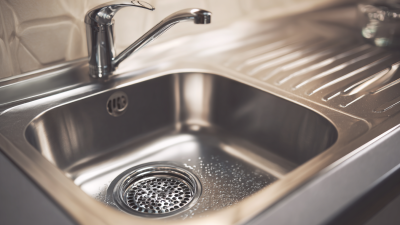
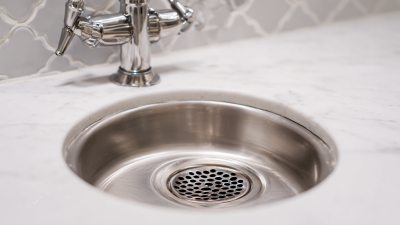
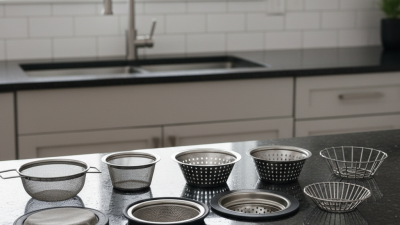
When it comes to keeping your home clean and odor-free, people often forget about their Lavatory Sink Strainer. Honestly, though, it’s a pretty important little thing! It catchers hair and debris, stopping your drains from getting clogged up. Skip on this tiny tool, and next thing you know, you're dealing with expensive plumbing problems or weird smells that just won’t go away.
Picking out the right sink strainer can feel a bit overwhelming, right? There are so many options out there – some look flimsy, others just don’t seem to fit properly. It’s easy to get lost in all the materials and designs. A good sink strainer should be sturdy enough to last but still easy to use. A little research goes a long way!
In this article, I’ve rounded up the top 10 sink strainers you’ll want to check out. I’ve picked these based on how well they work and how reliable they are. Plus, I wanted to remind you that regular cleaning is key — even the best strainer needs a little TLC now and then. Spending a bit of time on maintenance today can really save you from bigger headaches later on.
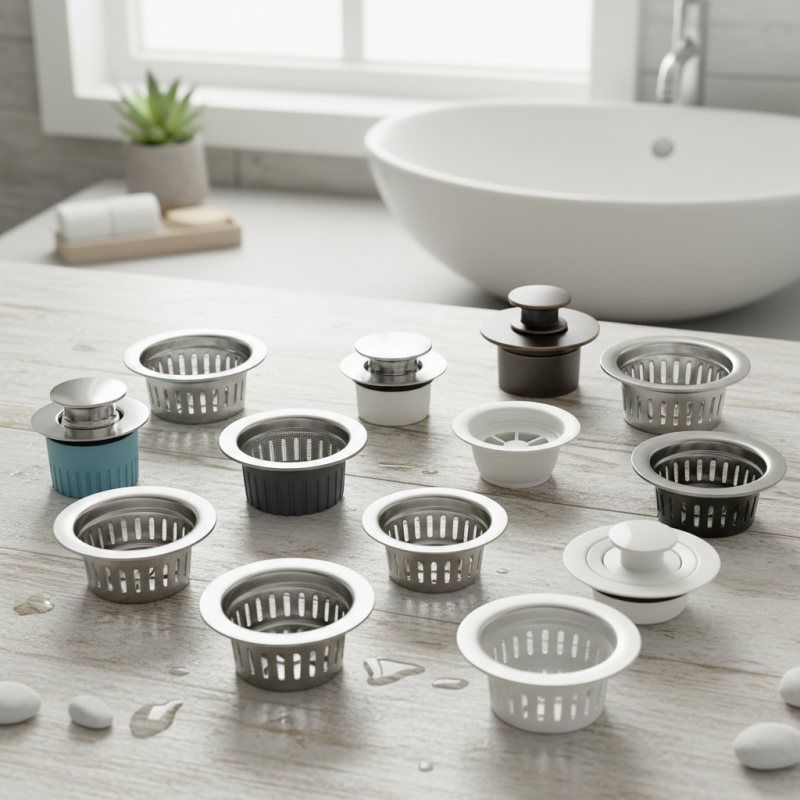
Overview of Lavatory Sink Strainers and Their Importance
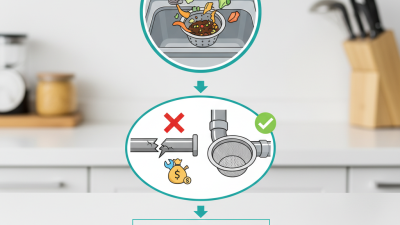
Lavatory sink strainers play a vital role in maintaining a clean and functional bathroom. These small yet essential devices prevent hair, soap residue, and other debris from clogging the Lavatory Sink Drain. Without a proper strainer, blockages can lead to more significant plumbing issues down the line.
It’s easy to overlook this simple accessory, but neglecting it can result in costly repairs and unwanted mess.
Choosing the right lavatory sink strainer can be surprisingly challenging. Many options flood the market, each boasting various features. However, not all strainers fit seamlessly into every sink style. It's crucial to consider materials and designs. Metal strainers offer durability but may corrode over time. Plastic options are lightweight, though they can break easily. Regularly cleaning your selected strainer is also overlooked. This maintenance is simple but often forgotten, leading to the same problems we hoped to avoid.
The importance of a lavatory Sink Drain Strainer goes beyond mere functionality. It significantly affects hygiene andthe overall aesthetics of your bathroom. A well-chosen strainer keeps your sink looking tidy, while a poorly maintained one creates a mess. Every homeowner should reflect on their current choice and whether it aligns with their cleaning habits and lifestyle needs.
Factors to Consider When Choosing a Sink Strainer
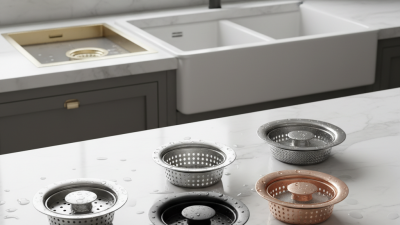
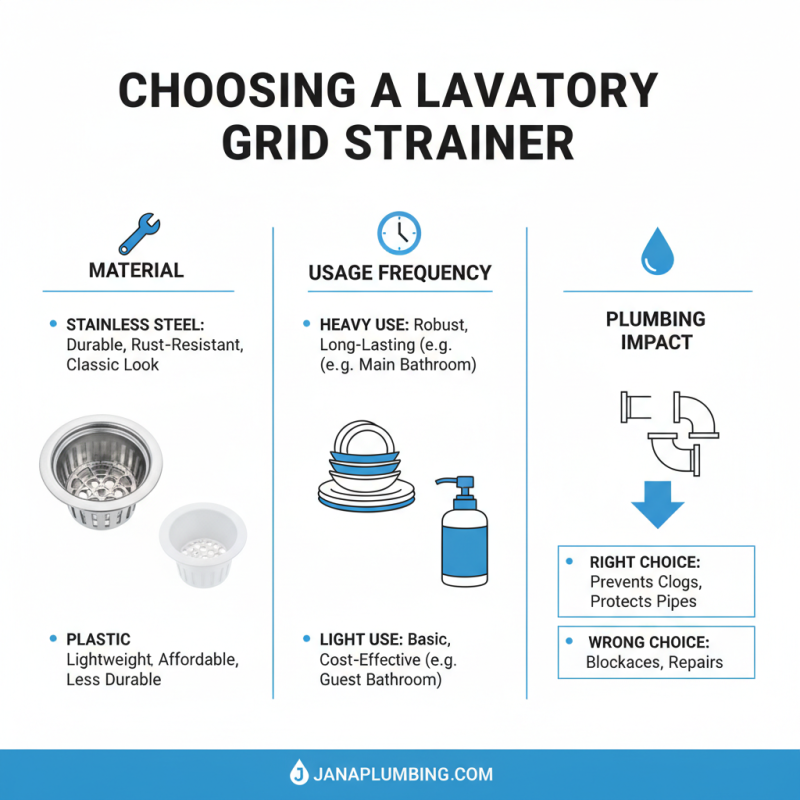
Choosing the right sink strainer can significantly impact your home’s plumbing system. When selecting a Lavatory Grid Strainer, consider the material. Stainless steel is durable and resists rust, but it may not suit everyone's taste. Plastic options are lightweight and affordable but can wear out quickly. Think about how often you use the sink. A heavily used bathroom might need a more robust option.
Size matters as well. Ensure your strainer fits the sink properly. A poorly fitting strainer can lead to clogs, which is a hassle. Also, examine the design. A mesh strainer catches more debris but can be harder to clean. Simpler designs allow for easier maintenance but may not trap as much.
Lastly, consider the ease of installation. Some strainers require tools, while others just need your hands. If you’re unsure, watch a quick tutorial before buying. A bad decision here can lead to leaks or backups. Take your time to evaluate your choices carefully. After all, a good lavatory grid strainer keeps your plumbing running smoothly and prevents costly repairs down the line.
Types of Lavatory Sink Strainers Available on the Market
In the world of home maintenance, lavatory sink strainers play a crucial role. They prevent debris from clogging your Lavatory Drain, leading to costly plumbing fixes. Various types of lavatory sink strainers are available on the market today. Understanding them helps you make informed choices.
One common type is the mesh strainer. It effectively catches hair and small particles. According to recent market research, mesh strainers account for nearly 40% of lavatory strainers sold. Another option is the pop-up strainer, which is easy to use and clean. This type is preferred by many homeowners for its convenience. A less known option is the basket strainer, which is often overlooked. It provides excellent drainage but may require regular cleaning.
Tips: Consider the size of your lavatory drain when selecting a strainer. A strainer that fits well will work better. Also, remember to clean your strainer regularly to maintain proper flow. Neglecting this can lead to clogs and slow drainage, causing potential issues. Evaluate your needs and assess your existing strainers. Sometimes, a simple update can enhance the performance of your lavatory drain significantly. By staying informed about available options, you can protect your home from unnecessary plumbing repairs.
Top 10 Recommended Lavatory Sink Strainers for Home Use
When choosing lavatory sink strainers, functionality is key. You want a strainer that not only catches hair but small debris as well. Many options on the market may look fancy, but practicality often gets overlooked. Simple designs usually do the job better. Consider a model that is easy to clean. Regular maintenance can be a challenge with more complex designs.
Material also matters. Stainless steel is durable and resistant to rust. Plastic options can be cheaper but may break easily over time. Some people might find a plastic strainer aesthetically pleasing, but functionality should come first. A common mistake is choosing a strainer that doesn’t fit well. A poorly fitted strainer can lead to clogs, which is a major hassle. You might think a loose fit is fine, but over time, it can cause more issues.
Sustainability is another aspect to ponder. Opt for strainers that are eco-friendly and can withstand regular wear. Many individuals overlook this while focusing solely on price. Investing in a quality strainer can save you from future plumbing issues. Take a moment to reflect on how often you clean your strainer. A neglected strainer isn’t just unsightly; it can also lead to bigger problems down the line. Ensure your choice aligns with your home maintenance routine.
Installation Tips for Your Lavatory Sink Strainer
Installing a lavatory sink strainer may seem straightforward, but attention to detail is crucial. First, ensure that you have the right tools at hand. A wrench, pliers, and a towel will come in handy. Prepare your sink by cleaning the area around the drain. This eliminates any debris that could interfere with installation.
When you're ready to install the strainer, don't rush. Apply plumber’s putty to the underside of the strainer to create a seal. Tighten the strainer carefully, avoiding overtightening which can crack your sink. Remember, a good fit is essential for preventing leaks. Sometimes, you may feel unsure about the tightness; it's okay to check and adjust.
After installation, test for leaks. Run water through the sink and observe the strainer and drain. Leaks can happen, and they are often easy to fix. If you notice any, simply tighten the connections. If leaks persist, consider reapplying putty. Pay attention to how everything fits together; a little feedback can lead to better results.
Top 10 Lavatory Sink Strainers You Must Have for Your Home
| Strainer Type | Material | Size (Diameter) | Installation Difficulty | Price Range |
| Lift-Out Strainer | Stainless Steel | 3.5 inches | Easy | $10 - $20 |
| Basket Strainer | Brass | 4 inches | Medium | $15 - $30 |
| Pop-Up Strainer | Plastic | 3 inches | Easy | $5 - $15 |
| Continuous Flow Strainer | Stainless Steel | 4.5 inches | Hard | $25 - $40 |
| Mesh Strainer | Mesh/Fabric | 3.5 inches | Easy | $10 - $25 |
| Strainer with Stopper | Aluminum | 4 inches | Medium | $20 - $35 |
| Corner Strainer | Ceramic | 3 inches | Easy | $15 - $25 |
| Deep Sink Strainer | Stainless Steel | 5 inches | Hard | $30 - $50 |
| Standard Strainer | Plastic | 3 inches | Easy | $5 - $10 |
| Funnel Strainer | Silicone | 4 inches | Easy | $8 - $18 |
Maintenance and Care for Your Sink Strainer
Maintaining your sink strainer is crucial for optimal performance. Over time, debris accumulates, leading to clogs. According to industry reports, 35% of homeowners face drainage issues due to neglecting their sink strainers. Regular cleaning can significantly reduce this risk.
A Lavatory Grid Drain effectively captures hair and food particles. To clean it, simply remove the strainer and rinse it under hot water. For stubborn residue, use a brush to scrub the surface. It's important to check for wear and tear regularly. A damaged strainer can lead to leaks and costly repairs.
While maintenance is simple, many overlook it. On average, a sink strainer should be cleaned once a month. However, busy households may need to do this weekly. Ignoring these steps can lead to bigger problems down the line, such as overflowing sinks or unpleasant odors. Small efforts now can save significant effort later.
Common Issues with Sink Strainers and How to Resolve Them
When using a sink strainer, issues can arise. Clogs often occur. Hair, food particles, and soap scum are common culprits. Over time, debris builds up and leads to slow drainage. This problem can be frustrating. Sometimes, it can even cause overflow. Regular maintenance is essential.
To resolve blockages, routine cleaning helps significantly. Remove the strainer and wash it under hot water. A brush can assist in dislodging stubborn debris. If you notice persistent odors, consider a solution of baking soda and vinegar. This will break down residue and refresh the sink.
Sometimes, strainers may become damaged. Cracks can worsen over time. A faulty strainer may lead to leaks, which can damage your sink. It's wise to inspect for wear and tear regularly. If you spot a problem, replacing your strainer promptly is crucial. Proper care will ensure efficient functionality and prevent future headaches.
Enhancing Kitchen Efficiency: Insights from Industry Reports on Deep Cup Sink Strainers and Their Impact on Plumbing Systems
In modern kitchens, efficiency is paramount, and one often-overlooked component is the sink strainer. Industry reports indicate that kitchen clogs can lead to extensive plumbing issues and costly repairs, with failed drainage systems accounting for a significant portion of residential plumbing problems. Adopting high-quality straining solutions, such as deep cup sink strainers, can dramatically improve overall kitchen efficiency by preventing debris from entering drainage systems.
The deep cup design of these sink strainers plays a critical role in maintaining a clean kitchen environment. By effectively capturing food particles and debris during meal prep and cleanup, they significantly reduce the likelihood of clogs developing in both the sink and wider plumbing systems. Research shows that using an effective strainer can lead to up to a 70% reduction in plumbing issues related to sink drains, highlighting its importance in kitchen maintenance.
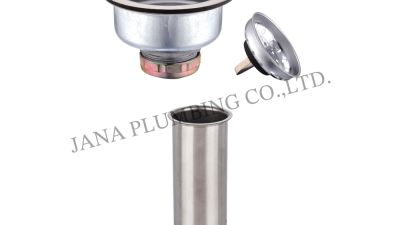
Moreover, the integration of features like rolling threads and a tailpiece ensures that these strainers fit seamlessly into various plumbing setups. This not only enhances the aesthetic appeal of the kitchen but also ensures long-term durability and functionality. Reports emphasize that investing in superior kitchen accessories, such as deep cup sink strainers, is an effective strategy to enhance kitchen efficiency while safeguarding plumbing systems from preventable issues.
FAQS
: You will need a wrench, pliers, and a towel for installation.
Clean the area around the drain to remove any debris before installation.
Apply plumber's putty to create a seal and prevent leaks.
Tighten it carefully. Avoid overtightening to prevent cracking your sink.
Run water through the sink and check the strainer and drain for leaks.
Clean it at least once a month; busy households may need weekly cleaning.
Hair, food particles, and soap scum often accumulate and cause slow drainage.
A mixture of baking soda and vinegar can help break down residue and refresh the sink.
Inspect for wear regularly, and replace it promptly if you spot any cracks.
Neglect can lead to bigger issues like overflowing sinks and unpleasant odors.
Conclusion
Lavatory sink strainers are essential components for any bathroom, designed to prevent debris from clogging the plumbing system while allowing water to flow freely. When selecting a lavatory sink strainer, it's crucial to consider factors such as material, size, and design to ensure optimal performance. Various types of sink strainers are available on the market, catering to different preferences and needs.
In this article, we have compiled a list of the top 10 recommended lavatory sink strainers ideal for home use, along with installation tips and maintenance advice. Regular care of your lavatory sink strainer is important to avoid common issues such as blockages or leaks, which can be easily resolved with proper knowledge. By understanding the importance and functionality of lavatory sink strainers, homeowners can make informed choices for better plumbing efficiency in their bathrooms.