Leave Your Message
0%

You know, that little Lavatory Sink Strainer might seem like just a small part of your bathroom setup, but honestly, it pretty much impacts your daily routine more than you'd think. Every morning, as you shower or brush your teeth, hair, soap scum, and shaving leftovers all head straight to it. Picking a weak or cheap one? Well, it can lead to slow drains, weird odors, and you ending up cleaning it way more often than you’d like.

When choosing the right sink strainer, don’t just go for the shiny or stylish one — it’s really about the evidence and what works well, not just looks. For instance, the EPA’s WaterSense program notes that bathroom faucets using around 1.5 gallons per minute can save a ton of water compared to older models that use 2.2 gallons. But, of course, that kind of efficiency relies on having a drain that stays clear and works properly. The 2024 Design Trends Report from the National Kitchen & Bath Association also points out that homeowners are still really into durable, low-maintenance fixtures. The thing is, most major reports don’t usually highlight how well sink strainers perform, which is a bit of a gap that needs paying attention to.

Richard Trethewey, who’s quite the expert in plumbing and’s associated with This Old House, often stresses how those tiny plumbing parts can prevent big headaches down the line. His simple advice? "Small plumbing parts can create big problems if they’re not up to snuff." It’s all about the fit — size really does matter, and so does what it’s made of. Stainless steel resists rust and corrosion, but plastic might be cheaper and easier to swap out if needed. Neither is perfect, but weighing different factors is key.

A good sink strainer should fit your drain size, match up with your basin design, and suit your cleaning routine. Make sure to check how the stopper works, whether it fits with your overflow, and if the seal underneath looks solid. Try testing it with a basin full of water—see if it drains slowly or if water snuck past the seal. Honestly, these quick tests tell you way more than just looking at a product photo.

I’ve put together ten tips covering everything from sizing and materials to filtration, installation, and how well it’ll hold up over time. Some of these choices are pretty personal, gotta admit that. At the end of the day, no matter how pretty that strainer looks, if it clogs up or starts messing up fast, it’s really not worth it.
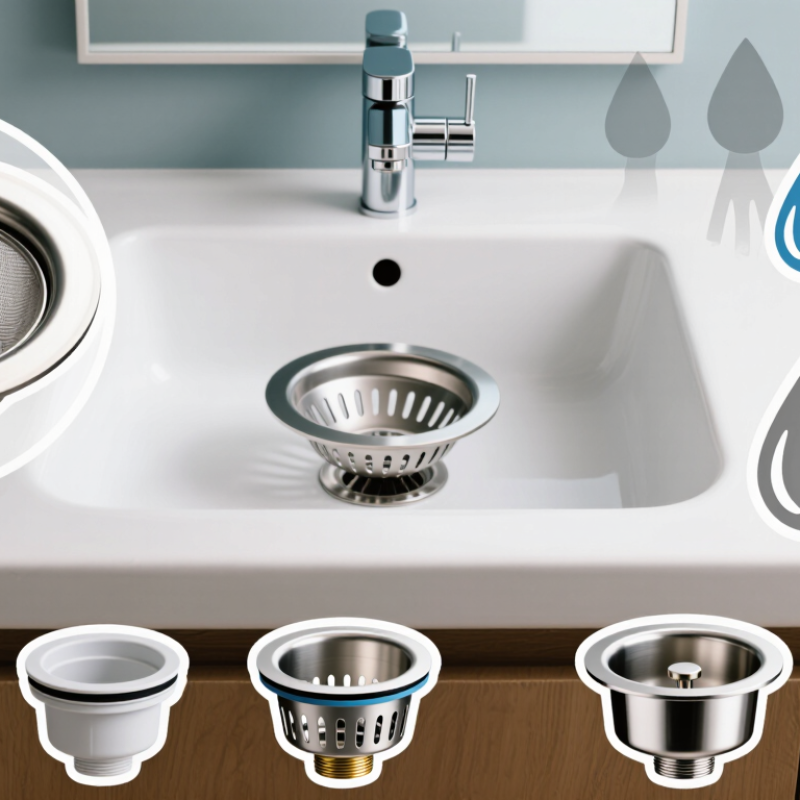
10 Tips for Choosing the Right Lavatory Sink Strainer

Define the Sink Strainer’s Function and Basic Components

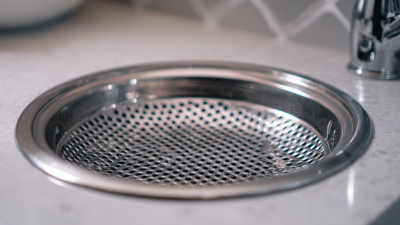
A lavatory sink strainer controls what enters the drain while allowing used water to pass. Its visible basket catches hair, soap residue, and small objects before they reach the trap. This simple function protects drainage performance and makes routine cleaning easier. A properly fitted strainer also helps prevent leaks around the basin opening. It is not a substitute for a drain trap or regular maintenance.

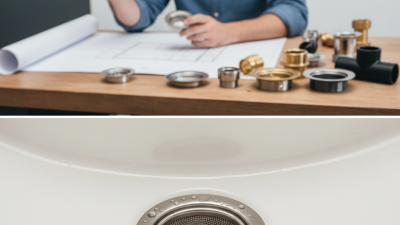
The basic assembly usually includes a strainer basket, upper flange, sealing gasket, friction ring, and locknut. The flange sits inside the basin, while the gasket seals beneath it. The locknut compresses these parts against the sink’s underside. Some designs connect directly to a tailpiece, which carries water toward the trap. Material matters too. Corrosion-resistant metal often suits wet environments, while certain plastic components can simplify installation but may feel less durable.

In my installation experience, the basin opening must be clean and dry before fitting the gasket. Even a thin layer of old sealant can create an uneven seal. Check the threads by hand first. Cross-threading can damage the locknut and cause unnecessary replacement. I once focused too much on tightening and overlooked gasket alignment. The result was a slow drip, not an immediate leak. A careful water test under the sink can reveal this problem within minutes. Inspect the basket’s holes as well; overly fine openings may collect residue quickly and require more frequent cleaning.

Measure the Lavatory Drain Opening Accurately

Accurate measurement is the foundation of choosing the right lavatory sink strainer. A small error can cause leaks, loose threads, or a flange that covers the opening poorly. The 2024 International Plumbing Code lists 1¼ inches as the minimum trap size for a lavatory. However, the basin opening may differ.

Measure the opening itself, not the old drain flange. Clean away putty and mineral deposits first. Use a caliper when possible. Measure across the widest point, then rotate the tool and measure again. Record the smallest result.

Check the opening’s depth, rim shape, and overflow channel as well. A ruler works, but it is less forgiving.

Measure twice.

The drain assembly should match the basin, gasket, and trap connection. Industry installation guidance from the International Association of Plumbing and Mechanical Officials emphasizes compatible, standardized drainage components for reliable sealing. A Lavatory Grid Strainer may fit the diameter but still fail if its flange is too shallow. I once trusted a printed size on an old package and ignored the basin thickness. It looked correct, yet the gasket compressed unevenly. That mistake taught me to compare three dimensions: opening diameter, mounting depth, and outlet size. Leave room for adjustment, but do not force the threads.

Choose the Correct Strainer Size and Drain Compatibility

Tip: Measure the lavatory basin’s drain opening before buying a strainer. Do not rely on appearance. A small difference can cause leaks or prevent the flange from seating properly. Measure the opening, flange diameter, and thickness of the basin around the hole. Check the existing tailpiece as well. Many lavatory sinks use a 1¼-inch connection, but some installations require a different size. The drain outlet must match the trap and waste pipe beneath the cabinet.

Tip: Check drain compatibility, not only size. A basin with an overflow needs a strainer or drain assembly designed for overflow water. A non-overflow model may drain slowly or leave water around the opening. Inspect whether the sink uses a pop-up mechanism, a fixed basket, or a removable stopper. The Lavatory Sink Drain should allow enough clearance for the stopper rod and lift assembly. I have seen a correctly sized strainer fail because its stopper hit the pipe below.

Tip: Dry-fit every part before applying sealant. Confirm that the flange sits flat, the gasket contacts the basin evenly, and the retaining nut has enough thread. Hand-tighten first, then make a small adjustment with a suitable wrench. Too much force can crack ceramic or distort a rubber gasket. Test the connection with a slow stream of water and check underneath with a dry tissue. I sometimes recheck it the next day, because a tiny seep can appear after the materials settle. Local plumbing requirements may also affect drain spacing, venting, and connection methods.

10 Tips for Choosing the Right Lavatory Sink Strainer

Choose a strainer that matches the sink’s drain opening and the drain assembly below it. The chart shows common nominal outlet sizes and their exact metric conversions. Always measure the existing opening and verify thread, overflow, and stopper compatibility before purchasing.

Compare Materials, Finishes, and Corrosion Resistance

Choosing the Right Lavatory Sink Strainer: Compare Materials, Finishes, and Corrosion Resistance

Choosing a lavatory sink strainer starts with the water, not the showroom finish. In humid bathrooms, 304 stainless steel offers a practical balance of strength and corrosion resistance. For coastal air or frequent disinfectant exposure, 316 stainless steel deserves closer attention. Its molybdenum content improves resistance to chloride pitting. The NACE IMPACT study estimated global corrosion costs at US$2.5 trillion, or 3.4% of worldwide GDP, based on 2013 data. The figure is broad, but small hardware still deserves careful selection.

Brass can look warm and substantial, yet its clear coating may fail around the drain edge. Zinc alloys often cost less, but standing water can expose damaged plating. Plastic resists many bathroom chemicals, although its threads may deform during overtightening. Compare the base metal, not color alone. Polished finishes show water spots quickly. Brushed finishes hide fingerprints better. PVD and electroplated finishes improve appearance, but neither fixes poor substrate protection. Ask for coating thickness, salt-spray results, and the test method. ASTM B117 supports laboratory comparison, not guaranteed household service life.

Check the machining, overflow path, and gasket flexibility. Look beneath the flange. That hidden rim matters. ISO 9223 links corrosivity with moisture, pollutants, and salinity. A seaside bathroom faces a harsher environment than an inland powder room. Rinse cleaner residue and dry the flange regularly. I would not choose the brightest finish automatically. A modest 304 strainer with reliable sealing may outlast decorative plating. Material labels can be incomplete, so request a mill certificate or corrosion test for high-use installations.

Evaluate Drainage Performance and Clog Prevention Features

Choosing a lavatory sink strainer requires more than matching the drain opening. Drainage performance should remain stable after repeated handwashing, shaving, and soap use. The Water Research Foundation’s Residential End Uses of Water, Version 2, reports that faucets represent about 19% of indoor household water use. That frequency makes a poorly designed Lavatory Drain noticeable very quickly.

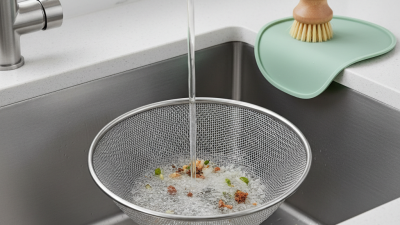
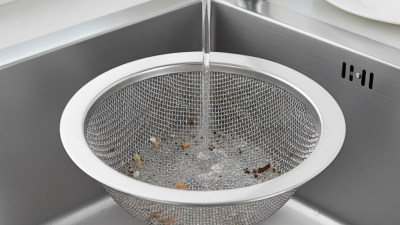
Check the strainer’s effective opening area, not only its stated diameter. A fine screen may catch hair, but it can also trap soap film and slow discharge. Removable baskets are more practical because users can clear residue without dismantling the trap. Look for smooth edges, corrosion-resistant construction, and openings that direct water toward the outlet. An overflow-compatible design also helps prevent splashing when the basin fills unexpectedly.

Clog prevention depends on maintenance, too. In field inspections, I have found that a strainer with large openings often performs better when cleaned weekly. That sounds simple. However, many users ignore the basket until drainage becomes visibly slow. The U.S. Environmental Protection Agency’s WaterSense household end-use data also identifies faucets as a significant indoor water-use category, reinforcing the need for dependable daily drainage. Avoid designs that rely on narrow slots alone. They may appear protective, but trapped toothpaste, hair, and shaving residue can form a sticky layer. I would also test the basket by pouring one liter of water through it and observing the remaining pool. My first choice is not always the prettiest one. Clearance below the basin and easy cleaning matter more.

10 Tips for Choosing the Right Lavatory Sink Strainer - Evaluate Drainage Performance and Clog Prevention Features

No. Selection Tip Key Dimension to Evaluate Practical Benchmark or Requirement Why It Matters for Drainage and Clog Prevention Recommended Check
1 Confirm the drain opening size Strainer diameter and drain compatibility Measure the sink opening and match the strainer to the specified drain assembly; common Lavatory Drain openings are approximately 1.5 inches. A poor fit can create gaps, restrict flow, or cause leakage around the drain connection. Measure the opening, flange, gasket, and threaded connection before purchase.
2 Prioritize an open-flow design Effective open area and passage geometry Choose openings that provide a clear water path without unnecessarily narrow slots or deep internal ledges. Larger, well-distributed openings generally reduce flow resistance and help prevent standing water. Run water at a normal faucet flow and observe whether water drains continuously without pooling.
3 Select a hair-resistant pattern Slot width, spacing, and surface profile Use a pattern that catches hair and debris while keeping the openings accessible for cleaning; avoid excessively fine mesh for everyday lavatory use. Hair is a common cause of bathroom drain blockages. Controlled openings can reduce the amount entering the trap without stopping normal drainage. Place a small amount of hair over the strainer and check whether it can be lifted away easily.
4 Consider a removable basket or insert Removability and access for maintenance Prefer inserts that can be removed by hand or with a simple tool without dismantling the drain pipe. A removable component allows users to clear hair, soap residue, and sediment before they reach the trap. Check that the insert is easy to remove, clean, and reinstall securely.
5 Evaluate anti-vortex performance Water-swirling behavior and air release Choose a design that drains smoothly without excessive swirling, gurgling, or intermittent air locking. Stable flow can reduce turbulence that encourages debris to collect around the openings. Fill the basin partially, release the water, and observe the flow near the end of the drain cycle.
6 Check the strainer height Vertical depth below the flange Select a low-profile design when the sink has limited clearance or when the drain tailpiece is short. Excessive depth may create a shelf where hair and residue accumulate or interfere with the pop-up drain mechanism. Measure the available space beneath the basin and compare it with the assembled strainer dimensions.
7 Inspect the surface finish Smoothness, corrosion resistance, and cleanability Choose a smooth, non-porous surface designed for repeated contact with water, soap, and cleaning products. Smooth surfaces are less likely to retain residue and are easier to wipe clean, helping limit buildup around the openings. Look for visible pits, rough edges, peeling coatings, or weld areas that could trap debris.
8 Verify gasket and sealing quality Gasket material, compression, and flange contact The gasket should sit evenly, remain flexible, and create a continuous seal around the drain opening. Leaks can wet the cabinet and allow grime to collect around the drain assembly, while uneven sealing may affect proper drainage. Inspect the gasket for deformation and perform a basin fill-and-drain leak test after installation.
9 Ensure compatibility with the drain stopper Stopper clearance and operating mechanism Confirm that the strainer does not obstruct a pop-up stopper, lift rod, pivot rod, or integrated overflow pathway. Mechanical interference can leave the stopper partially closed, slowing drainage and increasing residue accumulation. Operate the stopper several times and verify a full open position with unobstructed water flow.
10 Choose a design with clear maintenance instructions Cleaning frequency and approved maintenance method Select a strainer that can be cleaned regularly with mild soap, water, and a soft brush; avoid relying on harsh chemicals as the primary solution. Routine removal of hair and residue is more effective for preventing clogs than waiting for a complete blockage. Confirm the insert, openings, and surrounding drain area can be reached without special equipment.
Quick evaluation rule: The most practical lavatory sink strainer combines a properly sized opening, smooth water flow, accessible debris removal, reliable sealing, and compatibility with the existing stopper and drain assembly.

Check Installation Requirements, Maintenance, and Overall Value

Choosing the right lavatory sink strainer starts with installation requirements, not appearance. Measure the basin opening, drain thickness, and available space below the sink. Check whether the sink has an overflow channel. A Lavatory Grid Drain must match that design, or water may drain poorly. Confirm the thread size, tailpiece length, gasket shape, and installation tools before buying. A few minutes with a ruler can prevent a return trip.

Maintenance should remain simple. Look for a removable grid that lets you clear hair, soap residue, and mineral buildup without special equipment. Rinse the surface weekly with warm water and mild soap. Avoid harsh abrasives, which can damage the finish and weaken seals over time. Inspect the connection under the basin after installation. A dry paper towel can reveal a slow leak quickly. Small details matter.

Overall value means more than the lowest price. Consider corrosion resistance, seal quality, cleaning effort, and expected service life. A cheap strainer may become expensive if its gasket hardens or its threads slip. I once focused too heavily on finish and ignored access beneath the basin. That made later maintenance awkward. It was a useful mistake. Choose a design that fits the sink, stays secure, and can be serviced comfortably. No complicated tools.

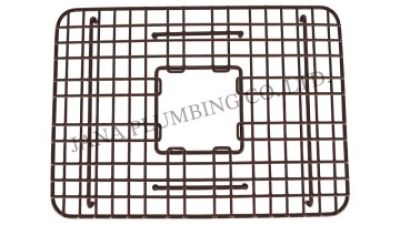
How the Antique Brown JN-9888-9-ABP Kitchen Sink Bottom Grid Protects and Organizes Your Sink

The Antique Brown JN-9888-9-ABP Kitchen Sink Bottom Grid is designed to fit neatly into the base of a compatible antique brown kitchen sink. By raising plates, bowls, glasses, and cookware above the sink surface, it helps protect the basin from scratches caused by daily washing. The raised design also reduces the clattering sound of dishes against the sink, creating a quieter kitchen environment while keeping frequently used items more organized.

Open spaces between the grid’s sturdy bars allow water to flow freely toward the drain instead of collecting beneath your dishes. This improves drainage and helps washed items dry more efficiently, while also reducing direct contact with standing water. Made from durable, rust-resistant materials, the bottom grid is built to handle regular kitchen use and can be cleaned easily as part of your normal sink-care routine. Its antique brown finish coordinates with the sink’s color, adding a polished appearance without distracting from the surrounding kitchen décor.

FAQS

How should I measure a Lavatory Sink Drain opening?

Measure the opening, flange diameter, and basin thickness. Do not trust appearance alone. Measure twice.

What drain connection size is commonly used?

Many lavatory sinks use a 1¼-inch connection. However, some installations need another size. Check the existing tailpiece and trap.

Why must I check overflow compatibility?

Sinks with overflow channels need compatible drain assemblies. A non-overflow design may drain slowly or leave water around the opening.

What should I inspect before buying a drain assembly?

Check the stopper type, thread size, tailpiece length, gasket shape, and space beneath the basin. Confirm that the lift rod has enough clearance.

How can I test the parts before sealing them?

Dry-fit every part first. Ensure the flange sits flat and the gasket contacts the basin evenly. Confirm that the retaining nut has enough thread.

How tight should the retaining nut be?

Hand-tighten it, then make a small wrench adjustment. Excessive force can crack ceramic or distort the gasket. More pressure is not always better.

How can I find a small drain leak?

Run water slowly and inspect underneath with a dry tissue. Recheck the connection the next day. A tiny seep may appear after materials settle.

What maintenance features make a strainer easier to use?

Choose a removable grid that allows simple cleaning. Rinse it weekly with warm water and mild soap. Avoid harsh abrasives.

Is the lowest-priced strainer the best value?

Not always. Consider corrosion resistance, seal quality, cleaning effort, and service life. I once chose appearance over access, and maintenance became awkward. A useful mistake.

Conclusion

Choosing the right Lavatory Sink Strainer starts with understanding its purpose: it filters debris while allowing wastewater to flow into the drain. Before purchasing, inspect the drain opening and measure its diameter accurately, including any relevant thickness or connection dimensions. Matching the strainer size with the lavatory and drain system helps prevent leaks, poor fitting, and difficult installation.

Next, compare materials and finishes for durability, appearance, and resistance to corrosion, especially in damp bathroom environments. Consider drainage performance, water flow, and features that help reduce hair or debris buildup. It is also important to review installation requirements, such as compatible tools, seals, and connection parts, as well as how easily the strainer can be removed and cleaned. By balancing fit, construction quality, maintenance needs, performance, and total cost, you can select a reliable Lavatory Sink Strainer that provides lasting value and keeps the bathroom drain functioning smoothly.
Clara

Clara

Clara is a dedicated marketing professional with a profound expertise in the sanitary wares industry, boasting years of experience at JANA PLUMBING CO., LTD. Located on the picturesque east coast of Zhejiang Province, Clara plays a pivotal role in showcasing the company’s commitment to quality......
Previous 10 Best Sink Hole Covers for Global Buyers