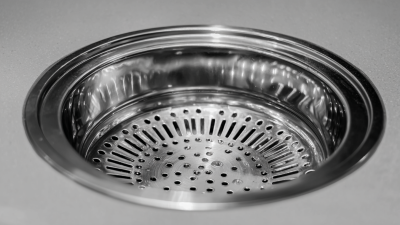
When you're choosing a Bathtub Strainer, there are a few things to keep in mind. Honestly, understanding these little details can make a big difference for homeowners like you. The right strainer doesn't just improve water flow—it also helps prevent those annoying clogs. On the flip side, picking the wrong one can lead to some pretty frustrating issues. Many folks tend to overlook something simple but important: the material. Do you go for metal or plastic? Each has its own perks and downsides, so think about what's best for your situation.
Also, consider the design. Some strainers are super easy to clean, which is a real bonus, while others tend to trap debris, making cleanup a pain. A good strainer should be both functional and look good in your tub. But don’t just pick the one that looks nice—performance matters way more. Make sure it fits well in your tub, and it’s worth taking the time to measure carefully so you don’t get it wrong.
A lot of people get in a hurry when choosing one of these, but trust me, it's worth taking your time. Do a bit of research—brands like Fine Fixtures are known for their quality. Find a balance between what looks nice and what actually works. Don’t forget about maintenance either; the whole point is to make your life easier, not more complicated. So, think about your needs and take your time before making a decision. It’s all about finding the right fit for you.
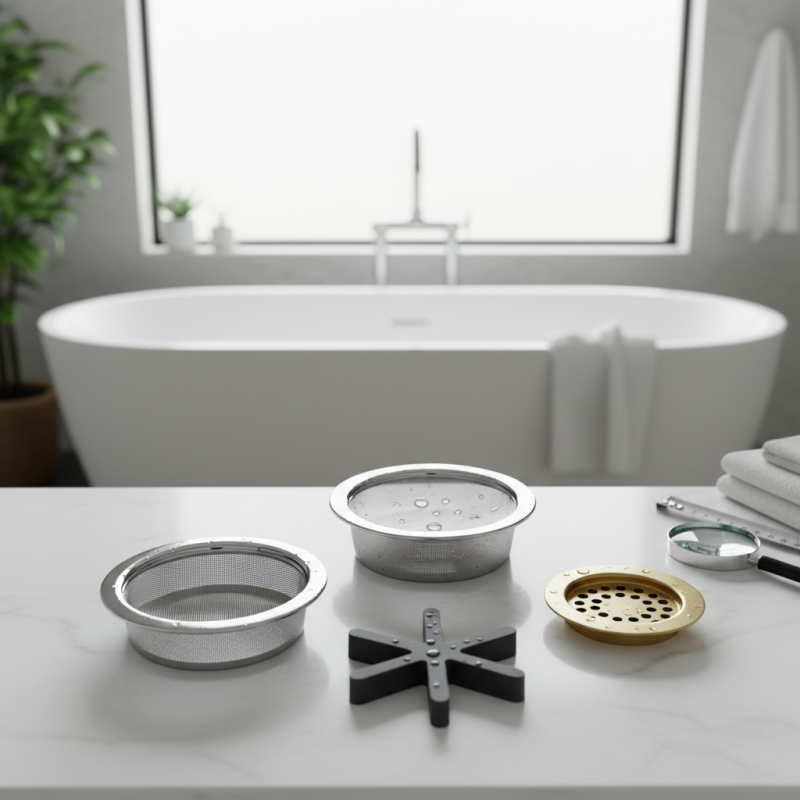
Understanding the Importance of a Bathtub Strainer
A Bathtub Strainer plays a crucial role in maintaining a clean and functional bathtub. It prevents hair, soap, and debris from clogging the Bathtub Drain. Without one, you may face frequent blockages, leading to expensive repairs. The right strainer can make a significant difference.
When choosing a bathtub strainer, consider the material and design. Some may rust easily, while others may not fit your drain properly. The right fit is essential for effective drainage. A strainer that is too small may allow debris to slip through. Aesthetics can matter too. A stylish design can enhance your bathroom's look.
Many people overlook their bathtub strainer until problems arise. A clogged drain can lead to standing water and unpleasant odors. Regular maintenance is often forgotten. Check your strainer frequently for buildup. A clean strainer contributes to better water flow. If you notice changes in drainage, it might be time for an upgrade. It’s worth reflecting on how this simple component impacts your overall bathing experience.
Types of Bathtub Strainers: What You Need to Know
When choosing a bathtub strainer, it's essential to understand the varieties available. There are several types to consider. The most common is the pop-up strainer. It operates with a simple push. This style is user-friendly and effective for everyday use. However, it may require regular cleaning to maintain optimal function.
Another option is the basket strainer. This type catches hair and debris efficiently. It usually includes a removable basket, making it easy to clean. On the downside, it can get clogged quickly, leading to less convenience.
Lastly, there are flat strainers. These sit flat against the tub drain and often have a minimalist design. They can blend seamlessly into your decor but might not catch larger debris as effectively.
Your choice depends on your needs. Consider water flow, ease of cleaning, and aesthetic appeal. Reflect on how often you clean your strainer. Think about the size of debris in your bathwater. Sometimes, a quick fix might lead to bigger issues down the line. Prioritize function along with style for the best outcome.
Factors to Consider When Choosing a Bathtub Strainer
When choosing a bathtub strainer, there are several factors that play a crucial role. The size and fit of the strainer are essential. You want to ensure it fits snugly in your Bathtub Drain. A strainer that is too small will let debris escape. A too-large strainer may not seal properly.Measure the drain opening accurately before making a decision.
Material is another important consideration. Strainers come in various materials, including plastic, metal, and rubber. Each type has its advantages. Metal may be more durable, while plastic can be more affordable. Rubber options provide excellent sealing. However, think about how each material will hold up over time. Will it rust? Will it degrade?
Lastly, consider the design of the strainer. Some strainers are simple and functional, while others may be more decorative. Aesthetics can matter, especially if you want a cohesive look in your bathroom. Ensure that the design complements your space. Yet, avoid getting too caught up in appearances. A beautiful strainer that doesn't work effectively is not a good choice.
Material Options for Bathtub Strainers: Pros and Cons
Choosing the right bathtub strainer is crucial. The material of the strainer plays a significant role in its performance and durability. Common options include plastic, stainless steel, and bronze. Each of these materials has its own unique pros and cons.
Plastic strainers are lightweight and affordable. They resist rust and corrosion, making them a popular choice. However, they may not hold up well under heavy weight and can warp over time. Industry reports indicate that up to
20% of plastic strainers fail within five years, mostly due to wear and tear.
Stainless steel is another popular option. It is durable and resistant to rust. Stainless steel strainers can last much longer than their plastic counterparts. However, they can be more expensive, and their shiny surface might show water spots easily. Some homeowners find the maintenance annoying.
Bronze strainers offer a classic look and are very durable. Yet, they may react with certain bath products, leading to discoloration or damage. Choosing the right material requires understanding the specific needs of your bathroom. Consider the combination of
cost,
longevity, and
aesthetics when making a selection.
Sizing Your Bathtub Strainer: How to Measure Correctly
Choosing the right bathtub strainer requires precise measurements. Many homeowners underestimate the importance of sizing. A poorly sized strainer can lead to clogs and drainage issues. According to plumbing industry sources, nearly 30% of homeowners face drainage problems due to incorrect installation or sizing of bath components.
To measure correctly, begin with the diameter of the bathtub drain. Most standard Bathtub Pipe Drains measure about 1.5 to 2 inches. However, variations exist. Use a measuring tape. Make sure to measure the opening's diameter without including any protruding parts. This ensures accuracy.
Next, consider the depth of the strainer. It should fit snugly without obstructing flow. Reports indicate that improperly fitted strainers can reduce flow efficiency by up to 50%. When sizing, it’s also essential to think about the material. Different materials affect longevity. A mismatch may require reflections on the installation process in the future, leading to inconvenient repairs down the line.
Essential Tips for Choosing the Right Bathtub Strainer
| Dimension | Measurement | Notes |
| Width | Around 3 inches | Ensure it fits snugly into the drain opening. |
| Height | Approximately 1 inch | Short enough to allow water to drain effectively. |
| Material | Stainless Steel or Plastic | Choose based on durability and resistance to corrosion. |
| Shape | Round or Square | Select based on your tub design. |
| Drain Size | Standard 1.5 inches | Verify with your existing drain for compatibility. |
Installation Tips for Your New Bathtub Strainer
When installing a new bathtub strainer, preparation is key. Gather all necessary tools and materials before you start. A wrench, silicone sealant, and the right size strainer are essential. Measure the existing drain to ensure a proper fit. This step can save time and prevent frustration later.
Carefully remove the old strainer. You might encounter some stubborn adhesive. If so, don't hesitate to use a scraper or a putty knife. Cleaning the area thoroughly is crucial for a successful installation. Any debris can compromise the seal. Apply silicone sealant around the drain before placing the new strainer. Ensure it sits evenly and flush with the tub surface.
After connecting the strainer, check for any leaks. Fill the tub with water and watch closely. Small leaks can lead to bigger problems in the future. The Bathtub Drain Cupc should be securely in place. Remember, it’s normal to feel some challenges during this process. Reflecting on mistakes can help you improve your DIY skills for next time.
Maintenance and Cleaning Best Practices for Bathtub Strainers
Proper maintenance of your bathtub strainer can prevent clogs and extend its lifespan. Regular cleaning is essential. Start by removing visible debris weekly. Hair and soap scum can accumulate quickly, leading to blockages. A study suggests that 80% of plumbing issues stem from clogs caused by neglecting simple maintenance tasks.
For a deeper clean, consider using a mixture of baking soda and vinegar. This natural solution helps dissolve build-up effectively. Pour it down the drain, let it sit for 15 minutes, and then rinse with hot water. This method is not only eco-friendly but also avoids harsh chemicals. However, remember to inspect the strainer for signs of wear.
Replace parts in Bathtub Drain Kits when needed. A worn-out strainer can fail to catch debris, leading to troublesome backups. Keep an eye out for rust or cracks. These issues can compromise functionality. Routine checks and timely replacements can save you from costly plumbing repairs down the road. Taking a few minutes each month for maintenance can make a significant difference.
FAQS
: Measure the diameter of the drain opening with a tape measure. Exclude any protruding parts for accuracy.
Most standard drains measure between 1.5 to 2 inches in diameter, but variations do exist.
A poorly sized strainer can lead to clogs and drainage issues. Nearly 30% of homeowners face these problems.
Regularly remove visible debris weekly to prevent buildup. Hair and soap scum are common culprits.
A mixture of baking soda and vinegar can dissolve build-up. Let it sit for 15 minutes before rinsing.
Routine checks should be done monthly to look for wear, rust, or cracks. Timely replacements can save on repairs.
It can significantly reduce flow efficiency, with reports indicating a drop of up to 50%.
Different materials have different longevity and effectiveness. Mismatches may lead to future installation reflections.
Look for signs like rust, cracks, or failure to catch debris. These indicate it's time for a replacement.
Neglect can lead to clogs, with studies showing 80% of plumbing issues arise from such oversight.
Conclusion
Choosing the right bathtub strainer is essential for maintaining clean and functional plumbing in your bathroom. This article emphasizes the importance of having a proper strainer in place to prevent debris from clogging drains. It explores the various types of bathtub strainers available, highlighting the factors to consider when making a selection, such as material options and sizing.
Additionally, the article provides guidance on how to measure for the correct size and offers installation tips to ensure your new bathtub strainer is fitted properly. Regular maintenance and cleaning practices are also discussed, ensuring your strainer remains effective over time. By understanding these aspects, homeowners can make informed decisions regarding their bathtub strainer, ultimately enhancing the efficiency and hygiene of their bathing experience.