A Sink Strainer might seem like a tiny thing, but honestly, it’s pretty much a must-have in any kitchen. I mean, it’s super important when it comes to managing waste and keeping your plumbing happy. John Thompson from Kitchen Solutions Inc. puts it nicely—he says, “A sink strainer isn’t just a nice-to-have; it’s a total necessity for every kitchen.” That really drives home why we shouldn’t ignore this small but mighty device.
Basically, sink strainers catch food bits and keep clogs from turning into a major headache. They help stop all that gunk from getting into your pipes, which is a huge plus. Sadly though, a lot of folks kinda forget about them or don’t bother with regular cleaning. When that happens, your sink can start smelling, or worse, the pipes get blocked—no fun.
Picking out the right sink strainer isn’t always straightforward, but it’s worth it. There are lots of options—they come in different sizes and styles. Some work better than others, so a little research can save you hassle later on. Spending a bit more on a quality one could save you from dealing with a clogged drain or weird odors down the line. All in all, even though it’s a small part of your kitchen, the sink strainer plays a pretty big role in keeping things running smoothly and your space clean and smelling fresh.
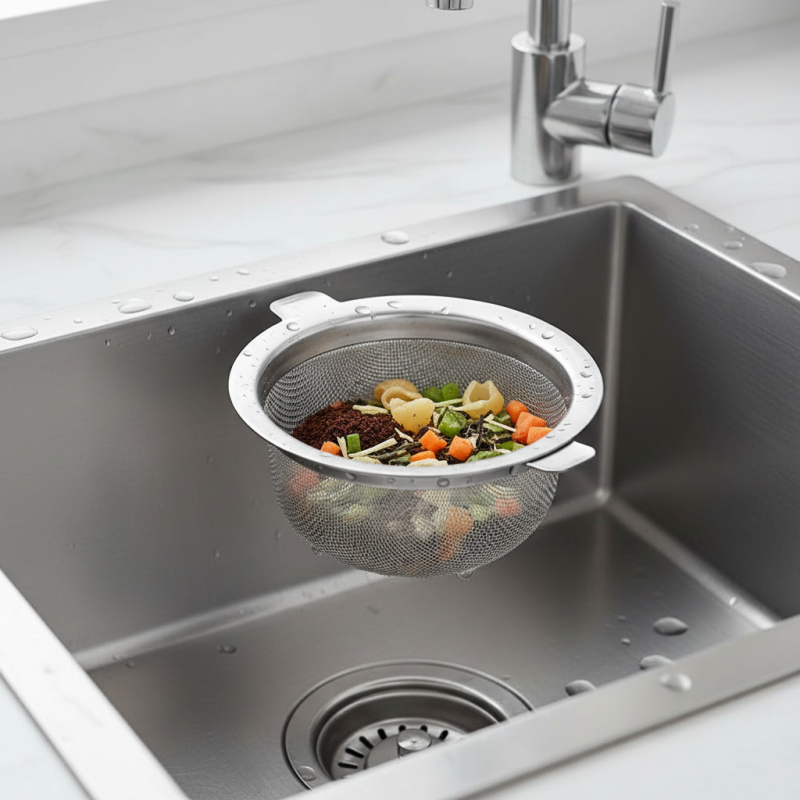
What is a Sink Strainer?
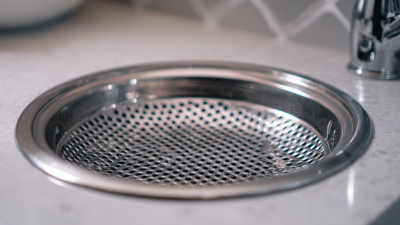
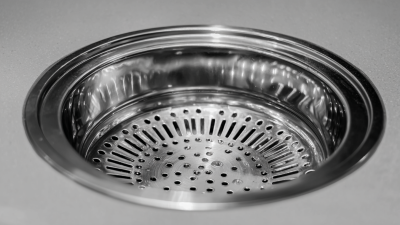
A sink strainer is an essential kitchen tool. It prevents food particles and debris from clogging your drain. Usually made from metal or plastic, it sits in the sink’s drain. You’ll often find it in kitchens, ensuring water flows smoothly.
When you wash dishes, bits of food can easily slip down the drain. This is where Sink Strainers For Kitchen Sink china come into play. They catch these particles, allowing only water to pass through. However, they need regular cleaning. Otherwise, they can become a source of odor and irritation.
Some homeowners overlook the importance of maintenance. A dirty strainer can lead to more problems later on. It's a small detail, but it matters greatly. An effective sink strainer enhances your kitchen’s functionality. Yet, if ignored, it may cause frustrations, reminding you of the importance of small tools in daily life.
Types of Sink Strainers Available
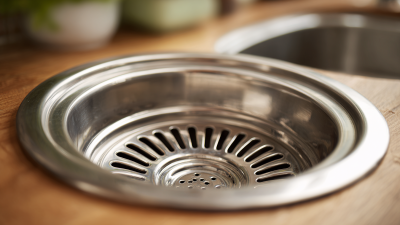
When it comes to maintaining your kitchen or bathroom sink, a Sink Strainer plays a vital role. There are several types available, each serving different needs. The most common type is the basket strainer, which catches food debris and prevents clogs. This type is often made of stainless steel for durability and easy cleaning. According to the National Kitchen and Bath Association, over 70% of homeowners prefer this simple solution.
Another type is the pop-up strainer, which can be operated easily. With a simple push, it opens and closes to accommodate both drainage and straining. This type is particularly useful for those who frequently wash their hands or dishes. Interestingly, fewer than 30% of households use this more advanced option. This indicates that many might be unaware of its convenience.
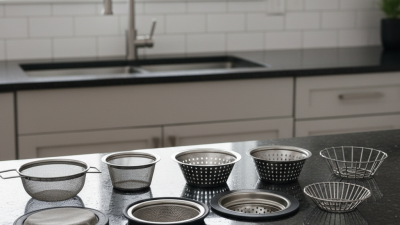
Finally, there are specialized strainers like mesh or fine strainers. These are effective for preventing even the smallest particles from entering the plumbing system. While they offer extra protection, they also require more frequent cleaning. Homeowners must reflect on their choices. Choosing the right Sink Strainer can lead to better drainage and less hassle.
How Sink Strainers Work Mechanically
A sink strainer is a simple yet essential tool in kitchens and bathrooms. It prevents food particles and debris from clogging drains. Mechanically, it works by using small, mesh-like screens that trap waste while allowing water to pass through. This prevents frequent plumbing issues and reduces water buildup.
The effectiveness of sink strainers varies. According to a report from the American Plumbing Association, about 80% of plumbing problems are caused by clogs. A properly functioning sink strainer can reduce this risk significantly. However, many users neglect regular cleaning, leading to reduced efficiency. A clogged strainer can cause water to drain slowly and lead to unwanted odors.
Installation is straightforward, but issues may arise. Some users may place them incorrectly or fail to secure them properly. This oversight can lead to trapped debris slipping through. Maintenance and awareness are key. A survey reported that 35% of homeowners do not check their strainers regularly. Regular checks could prevent costly plumbing failures and keep your sink functioning smoothly.
Benefits of Using a Sink Strainer
A sink strainer is a simple yet effective tool for kitchens and bathrooms. It sits over the drain, catching food particles, hair, and debris. This helps to prevent clogs in your plumbing. With a sink strainer in place, cleaning becomes much simpler. You can easily dispose of the collected waste instead of dealing with a messy and expensive plumbing issue later.
Using a sink strainer has several benefits. First, it saves you money on plumbing repairs. Clogged pipes often require professional attention, which can be costly. Second, it keeps your sink clean and free from unpleasant odors caused by trapped waste. A clean sink enhances your kitchen or bathroom's overall hygiene, making it more pleasant to use.
**Tip**: Regularly clean your sink strainer to maintain its effectiveness. Rinse it under hot water to remove grease.
Another advantage is environmental. Keeping debris out of your drain reduces the risk of harmful substances entering wastewater systems. This small tool contributes to a larger effort of protecting our environment.
**Tip**: If you notice a slow drain, check the strainer first. It could save you from a bigger problem.
Despite its usefulness, many people overlook the sink strainer. This can lead to costly consequences down the line. Rethink your habits and consider how a simple tool can simplify your life.
Benefits of Using a Sink Strainer
Common Materials Used in Sink Strainers
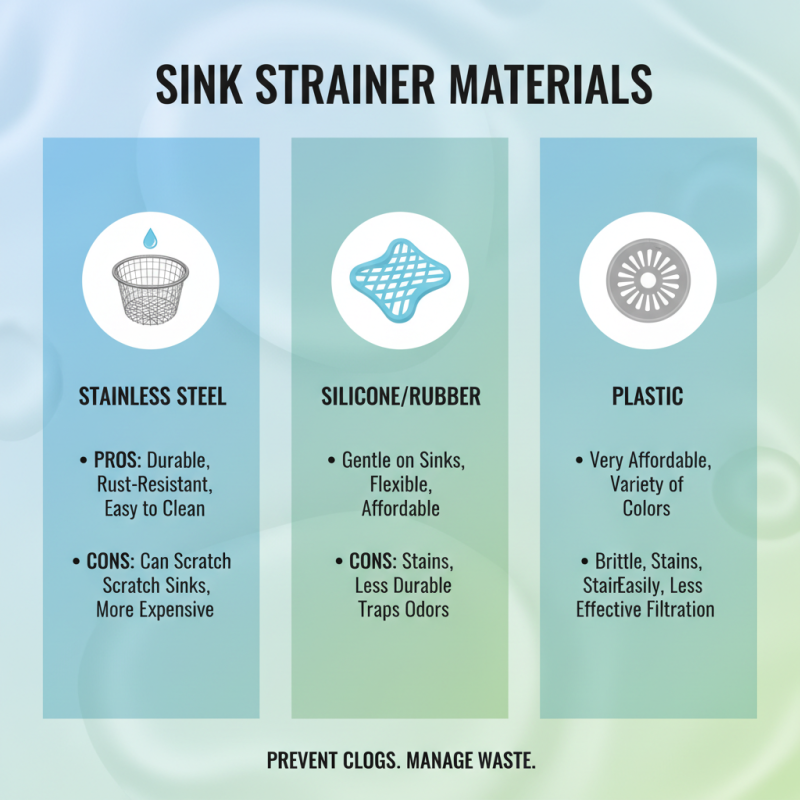
Sink strainers serve an essential function in preventing debris from clogging drainage systems. They are primarily made from different materials, each offering unique advantages and drawbacks. Understanding these materials can enhance choices for effective waste management in the kitchen and bathroom.
Stainless steel is a popular choice for sink strainers. It resists rust and corrosion, ensuring longevity. According to industry reports, around 40% of strainers on the market use stainless steel due to its durability. However, this material can be more expensive than others. Plastic is another common option, favored for its affordability and lightweight nature. It constitutes about 35% of the sink strainer market. While it is less durable, it effectively prevents small particles from passing through.
Bronze is another material worth mentioning. It offers a unique aesthetic appeal, making it ideal for decorative sinks. However, its susceptibility to tarnishing poses challenges. Comparatively, silicone strainers are gaining popularity for their flexibility. They conform to various sink shapes and sizes, though their lifespan may be shorter. Each material presents opportunities and challenges, prompting ongoing reflection on what contributes to an efficient and aesthetically pleasing sink solution.
How to Install a Sink Strainer Properly
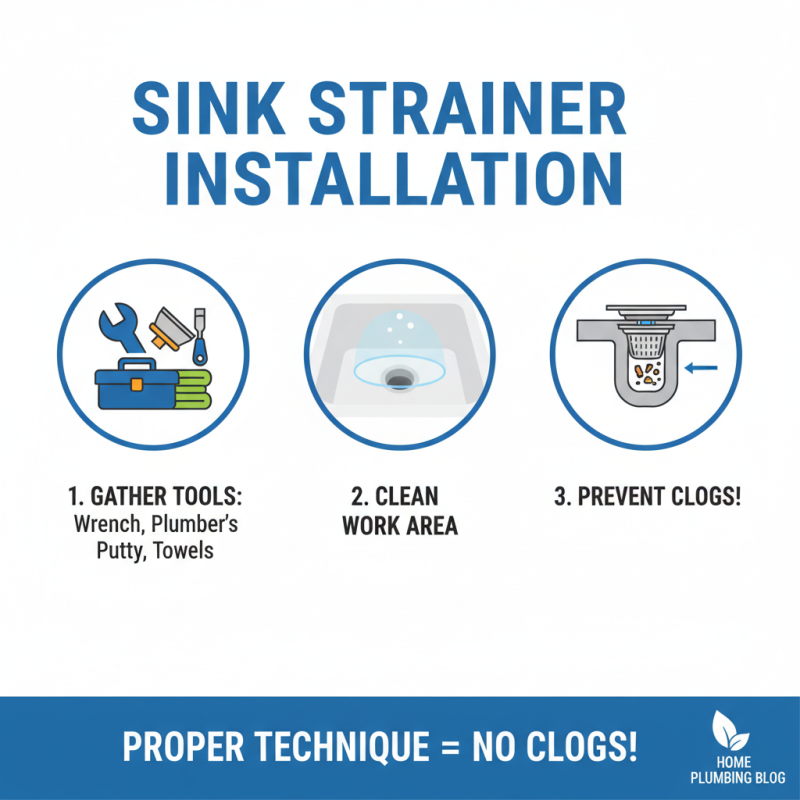
When installing a sink strainer, proper technique is essential. A sink strainer prevents food debris from clogging your plumbing. To begin, gather your tools: a wrench, plumber's putty, and a couple of towels. Ensure your work area is clean. Remember, a messy space leads to mistakes.
Next, remove the existing strainer if there is one. Clean the area thoroughly. An old residue can affect the new installation. Apply plumber's putty around the rim of the Bar Sink Strainer. This step is crucial. If the putty is too thick or thin, it may cause leaks. Carefully insert the strainer into the drain hole.
Now, secure it from underneath. Hand-tighten the nut first, then use the wrench for a snug fit. Be cautious not to overtighten, as this can damage the sink. Check for any gaps. Wipe away excess putty and make sure it looks neat. Test the strainer by running water. Watch for leaks. If you see any, reassess your installation. Getting it right the first time saves headaches later.
Maintenance Tips for Sink Strainers
Sink strainers play a crucial role in preventing clogs. However, they often require regular maintenance to function effectively. A Mop Sink Strainer is specially designed for large sinks, catching debris efficiently. Cleaning these strainers can be tedious, but neglect can lead to bigger problems.
To maintain your sink strainer, begin with a routine check. Remove the strainer and rinse it under hot water. This removes most debris. For tougher build-up, a small brush can help scrub away stubborn particles. Remember, a clean strainer allows water to flow smoothly.
Another essential tip is to avoid dumping food scraps or greasy substances down the sink. These can accumulate and cause blockages over time. Consider investing in a small waste container for scraps. It’s a simple habit that can save you time and effort later. Regular maintenance prevents your Mop Sink Strainer from becoming a bigger headache. Make simple checks part of your cleaning routine. It’s easy to let things slide, but a little effort goes a long way.
What is a Sink Strainer and How Does It Work? - Maintenance Tips for Sink Strainers
| Feature | Description | Maintenance Tips |
| Material | Typically made from stainless steel, plastic, or silicone. | Clean regularly to prevent buildup that can affect performance. |
| Function | Catches food particles and debris to prevent clogs in the sink. | Check weekly to ensure no debris is trapped. |
| Design | Available in various designs, including mesh and perforated styles. | Choose a design that complements your sink and is easy to clean. |
| Installation | Can be easily installed by twisting or fitting into the sink drain. | Ensure a secure fit to prevent leaks. |
| Replacement | Should be replaced if damaged or excessively dirty. | Inspect quarterly for signs of wear and tear. |
Conclusion
A sink strainer is a crucial plumbing device designed to prevent unwanted debris from entering the drainage system, helping to maintain clear and efficient plumbing. There are various types of sink strainers available, including basket strainers and pop-up strainers, each designed to fit different sink styles and needs. Mechanically, sink strainers function by trapping food particles and other waste while allowing water to flow through, thus reducing the risk of clogs.
Using a sink strainer offers several benefits, such as simplifying clean-up and prolonging the life of your plumbing system. Common materials for sink strainers include stainless steel and plastic, ensuring durability and resistance to corrosion. Proper installation and regular maintenance are key to ensuring optimal performance; this includes cleaning the strainer regularly and checking for wear and tear. Overall, incorporating a sink strainer into your kitchen or bathroom sink is a simple but effective way to enhance plumbing efficiency.