Sinkholes can be pretty unsettling and dangerous when they pop up out of nowhere. They can pose serious risks to both people and property, and let’s be honest, nobody wants to be caught off guard by one. That’s where a Sink Hole Cover comes into play — it’s a really useful tool to help protect us from these potential hazards. Basically, it helps cover up those open sinkholes, making sure pedestrians and drivers stay safe.
Now, the design of these covers can differ quite a bit, but the main goal stays the same — to keep everyone safe. Most of these covers are made from sturdy materials so they can handle both heavy weight and harsh weather. But, here’s the thing: not all covers work perfectly right out of the box. Regular check-ups and maintenance are pretty important if you want them to do their job properly.
Also, it’s worth noting that not every place has good sinkhole coverage. Some areas are kinda overlooked, which leaves them more at risk. Spreading awareness and educating folks about the dangers can really help communities stay ahead of the problem. So, understanding what a Sink Hole Cover does and how it helps can make a big difference in creating a safer environment for everyone — it’s all about being prepared and staying informed.

A sink hole cover is a vital safety feature. It prevents accidents and injuries caused by open sink holes. These covers are designed to fit securely over the holes, offering protection for pedestrians and vehicles. According to a report from the National Safety Council, open sink holes can lead to serious injuries, underscoring the importance of effective covers.
The definition of a sink hole cover extends beyond mere protection. It also includes durability and material considerations. Most covers are made from reinforced materials to withstand heavy loads. Research shows that well-designed covers can extend their lifespan significantly, reducing replacement costs. However, maintenance is often overlooked. Regular checks can identify wear and tear before it leads to failure.
Moreover, not all sink hole covers meet industry standards. Some may lack the necessary strength or design features, leading to potential hazards. An estimated 30% of older covers need replacement, yet many remain in service. This highlights a gap that requires attention in urban planning and infrastructure. The effective implementation of sink hole covers can enhance public safety and reduce liability for municipalities.
This chart illustrates the distribution of different types of sink hole covers based on user adoption. As seen, plastic covers are the most popular, followed by metal and concrete options.
A sink hole cover is essential for safety. It prevents accidents in areas where sinkholes might form. These covers are typically made from durable materials, ensuring they withstand harsh weather. They are often designed to blend into the surrounding surfaces, making them less noticeable.
The primary purpose of a sink hole cover is to protect people and property. When a sinkhole appears, it can pose serious dangers. A reliable cover can minimize risks by blocking access to the hole. This is especially vital in busy streets or public spaces.
Installing a Chrome Sink Hole Cover can also enhance aesthetics. It adds a touch of elegance while serving a functional role. However, some people may overlook its importance. Regular checks are needed to ensure they remain secure and effective. A forgotten cover can lead to accidents, reminding us that safety must never be neglected.
A sink hole cover is an important accessory for your kitchen. It fits over the hole left by a removed faucet or other fixture. The design of a sink hole cover is simple yet effective. It usually consists of a round or square plate that seamlessly blends with your countertop.
Materials for sink hole covers vary greatly. Stainless steel is popular for its durability and resistance to corrosion. Plastic options also exist and can come in various colors to match your kitchen decor. Some are made from rubber, providing flexibility and ease of installation.
Tips: When choosing your Kitchen Sink Hole Cover, consider the material that best suits your needs. Ensure it complements the color and style of your countertop for a cohesive look. Measure the sink hole accurately to avoid unnecessary problems during installation.
While many covers fit snugly, some may require adjustments. This can be frustrating. Be prepared to face minor setbacks during installation. Always consult instructions carefully to ensure proper fitting. A well-fitted cover enhances the aesthetics of your kitchen and prevents debris accumulation.
| Feature | Description | Materials Used | Functionality |
|---|---|---|---|
| Design Type | Varies based on location and intended use; can be decorative or functional. | Aluminum, steel, fiberglass. | Covers holes to prevent accidents. |
| Load Capacity | Designed to support pedestrian or vehicular traffic. | Composite materials, reinforced plastics. | Ensures safety under load. |
| Aesthetic Options | Can be customized with patterns or colors. | Decorative grates, painted finishes. | Improves visual aspects of urban areas. |
| Installation Process | Requires precise measurements and alignment with existing infrastructure. | Varies based on material, requires tools for fitting. | Ensures proper sealing and security. |
| Maintenance | Regular checks for damage or wear are necessary. | Durable materials, but may require replacements for certain components. | Ensures ongoing safety and usability. |
A sinkhole cover is designed to prevent accidents and damage caused by sudden collapses. The basic mechanism of a sinkhole cover involves a sturdy material that can withstand heavy loads. They are typically made of high-density polyethylene or steel. Reports indicate that the use of such covers can lead to a significant reduction in sinkhole-related incidents—by as much as 75%.
When a sinkhole begins to form, the cover acts as a protective barrier. It keeps people and vehicles away from the unstable ground. Sensors embedded in the cover can provide real-time data about ground stability. Such technologies are becoming more common in urban areas. The National Association of State Park Directors highlights that many cities see over 5,000 sinkholes annually. This data underscores the need for effective protective measures.
Despite advancements, challenges remain. Not all covers fit all sinkhole types. The durability of materials can be questioned under extreme weather. Rain and erosion impact effectiveness over time. Regular maintenance is essential for ensuring safety. However, some municipalities struggle to implement adequate upkeep. Addressing these gaps will improve overall performance and reliability of sinkhole covers.
Regular maintenance and inspection of sink hole covers are essential for ensuring their effectiveness. These covers protect the sink holes from debris and prevent accidents. During inspections, look for any signs of wear or damage. Even a small crack can compromise safety. Keep the covers clean to ensure proper functioning.
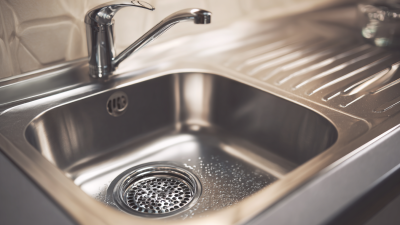
When you maintain a Stainless Sink Hole Cover, consider its material. Stainless steel is durable, but dirt can accumulate. Use a soft cloth and mild detergent to clean the surface. This helps in maintaining its appearance and function. Check for rust or corrosion, even in stainless steel. It’s crucial to act quickly if you notice any issues.
While inspecting, ensure that the cover fits securely over the sink hole. A loose cover can easily be displaced, which poses risks. Think about the environment around the sink hole. Overgrown vegetation or accumulated leaves can hinder proper drainage. Address these issues to prevent further complications.
Sink hole covers play a crucial role in various applications, especially in urban environments. Their primary function is to prevent debris and unauthorized access to sink holes in streets and parking lots. According to a recent industry report, about 20% of accidents related to road infrastructure are linked to improperly covered sink holes. This highlights the importance of effective cover solutions.
Commonly, Stainless Steel Sink Hole Covers are used in commercial areas, public parks, and residential establishments. Their ensures that they can withstand heavy traffic and harsh weather. These covers are essential for maintaining safety while enhancing aesthetic appeal. In high-traffic zones, a secure fit is vital to prevent collapses. However, many installations are not checked regularly, leading to potential hazards.
Moreover, sink hole covers are essential in disaster-prone regions. Flooding can cause sink holes to appear unexpectedly. Data shows that nearly 30% of such occurrences could be mitigated with adequate cover solutions. Yet, many infrastructures still lack proper coverage. Regular inspections and updates are critical to ensure covers remain functional. This is an area where improvements can be made in urban planning and maintenance strategies.
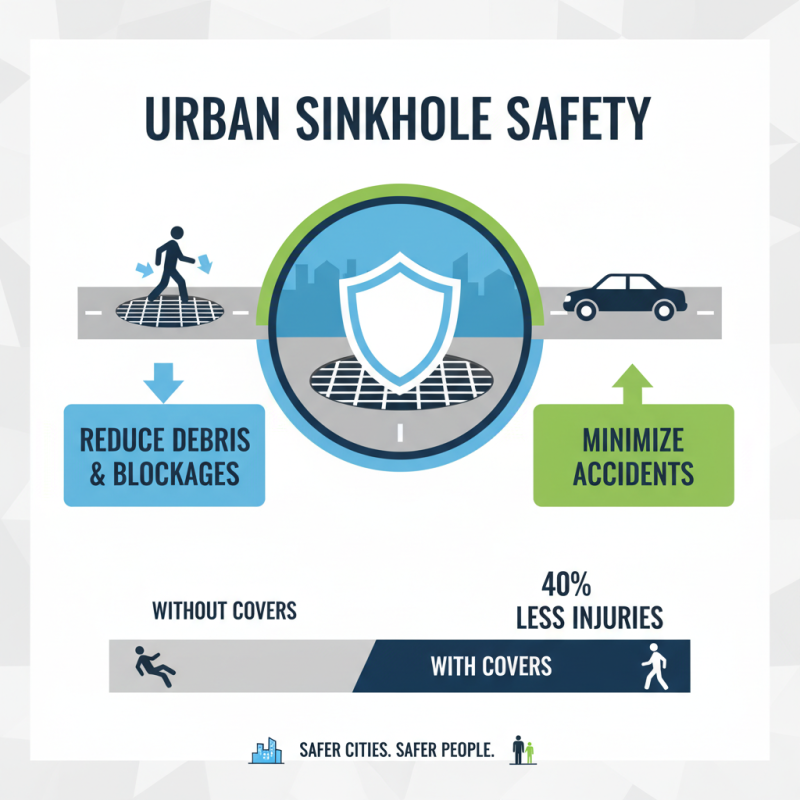
Sink hole covers are vital in urban areas. They protect openings from debris and minimize accidents. In fact, studies show that proper use of sink hole covers can reduce injuries by nearly 40%. This is significant, considering urban spaces are bustling with pedestrian and vehicular traffic.
Besides safety, these covers help maintain cleaner environments. They prevent trash and rainwater from entering the drainage system. A cleaner system reduces maintenance costs by up to 30%, according to recent industry reports. This saving can be redirected to other infrastructure needs. However, it's essential to monitor the condition of these covers regularly. Over time, wear and tear can compromise their effectiveness.
Tips: Always inspect covers for damage. A simple visual check can prevent bigger issues. Also, consider community awareness programs. Educating the public fosters respect for infrastructure. Such initiatives add value to urban spaces. Sustainable practices not only improve safety but also enhance the quality of life in cities. Implementing these measures is crucial for long-term urban planning.
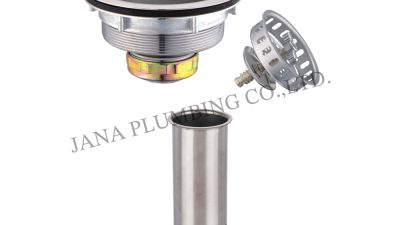
Maximizing kitchen efficiency is essential in today’s fast-paced lifestyle, and the Spin & Lock Sink Strainer with Tailpiece JN-1003-T is a must-have for any modern kitchen. This innovative kitchen essential not only simplifies sink maintenance but also enhances overall functionality. According to industry reports, kitchen inefficiency can lead to significant time loss, with homeowners spending an average of 30 minutes weekly on cleaning and maintenance tasks related to plumbing. By utilizing a high-quality sink strainer, like the JN-1003-T, users can effectively minimize debris buildup and streamline their cleaning processes.
The strainer’s unique spin-lock mechanism ensures a secure fit, making it easier to prevent clogs and accidental detachments. Statistics show that clogged drains account for a considerable portion of plumbing issues, causing unnecessary delays and potential repair costs. By incorporating this strainer into your kitchen, you can safeguard against these common problems while maintaining a hygienic environment. The JN-1003-T is designed to fit most standard-sized kitchen sinks, making it an adaptable solution that enhances the efficiency of any kitchen setup.
With cUPC certification, the Spin & Lock Sink Strainer not only promises durability but also compliance with safety standards, ensuring peace of mind for users. Efficient kitchen tools are essential for optimizing workflows, and investing in a quality sink strainer ultimately contributes to a neater and more organized cooking space. Embracing products that support kitchen efficiency not only saves time but also transforms the culinary experience into a more enjoyable and productive venture.
: The article aims to provide insights and information about certain topics.
Many individuals struggle with understanding complex issues or making decisions.
Readers can use the tips to improve their everyday lives.
Yes, the article points out multiple misunderstandings that people often have.
It suggests taking small steps and reflecting on personal experiences.
Yes, it mentions the importance of acknowledging feelings throughout the process.
The article includes relatable scenarios to illustrate points.
Readers should not rush decisions without thorough consideration.
Yes, the article encourages journaling and self-assessment.
By reviewing past experiences and recognizing patterns in behavior.
A Sink Hole Cover is a protective mechanism designed to prevent accidents and manage drainage systems effectively. Its primary purpose is to cover sink holes, thus ensuring safety and helping to direct water flow. Typically made from durable materials such as metal or reinforced plastic, these covers are engineered to withstand significant weight and environmental conditions. The mechanism of a Sink Hole Cover involves fitting securely over the hole, allowing water to pass through while blocking debris and preventing direct access.
Regular maintenance and inspection of Sink Hole Covers are essential to ensure their functionality and longevity. They find common applications in urban areas, where managing rainwater runoff is crucial to prevent flooding. Using Sink Hole Covers not only enhances safety but also contributes to better urban infrastructure by reducing the risk of sink holes and promoting efficient drainage systems.