Leave Your Message
0%

Let’s be honest — in today’s whirlwind of a life, keeping the house spotless can sometimes feel overwhelming. But here’s a little secret: just a few simple tweaks can really make a big difference. Take the Kitchen Sink Strainer, for example. Maria Thompson from CleanHome Solutions puts it nicely, saying, “A Kitchen Sink Strainer isn’t just a handy gadget; it’s honestly a must-have for a healthier, happier kitchen.”

Using a sink strainer helps catch food bits before they cause clogs. It traps the mess and lets water drain smoothly, saving you from those nasty odors and expensive plumbing fixes. Just imagine — your kitchen stays way cleaner, and you don’t have to stress about sink disasters. That little thing can really give you some peace of mind.

Now, here’s the thing — a lot of folks overlook this tiny but mighty item. They think it’s no big deal or kinda optional. But skipping on a sink strainer? That can come back to bite you later with bigger problems. So maybe it’s time to give your kitchen routine a little upgrade. Investing in a sink strainer isn’t just about cleanliness; it makes your life way easier in the long run.
Why You Need a Kitchen Sink Strainer for a Cleaner Home?

The Importance of a Kitchen Sink Strainer in Home Maintenance

Why You Need a Kitchen Sink Strainer for a Cleaner Home?

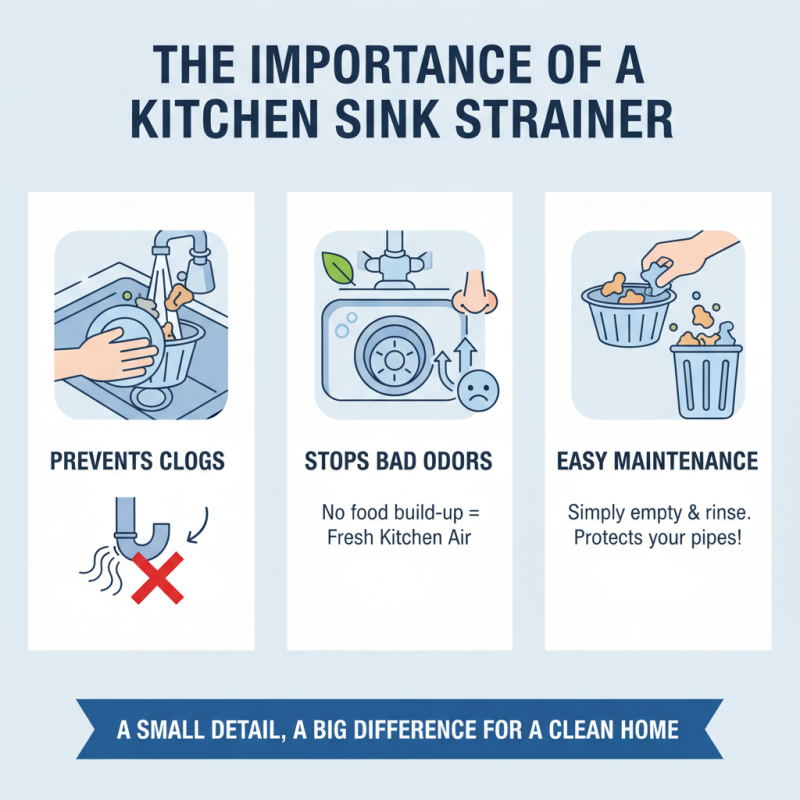
A clean home starts with small details, and a Kitchen Sink Net Strainer plays a crucial role in maintaining hygiene. This simple tool prevents food debris from clogging your sink. Every time you wash dishes, bits of food can go down the drain, leading to unpleasant odors and potential blockages. Using a strainer captures those particles, ensuring that they do not accumulate and create problems later.

Without a Kitchen Sink Net Strainer, the buildup of food waste can lead to a messy and unsanitary environment. It can be easy to overlook, yet neglecting this small tool can have major consequences. Regular maintenance becomes essential when drains get clogged. Cleaning the strainer is straightforward, but it requires consistency. You might forget or put it off, leading to bigger issues in your plumbing.

Investing in a Kitchen Sink Net Strainer is about more than convenience; it reflects a commitment to home health. You may find it tedious to check and empty it regularly, yet it saves time and money in the long run. A little effort in using a strainer can prevent costly plumbing repairs or unpleasant cleanups. Staying mindful of these small details can lead to a significantly cleaner home.

Understanding the Functionality of Kitchen Sink Strainers

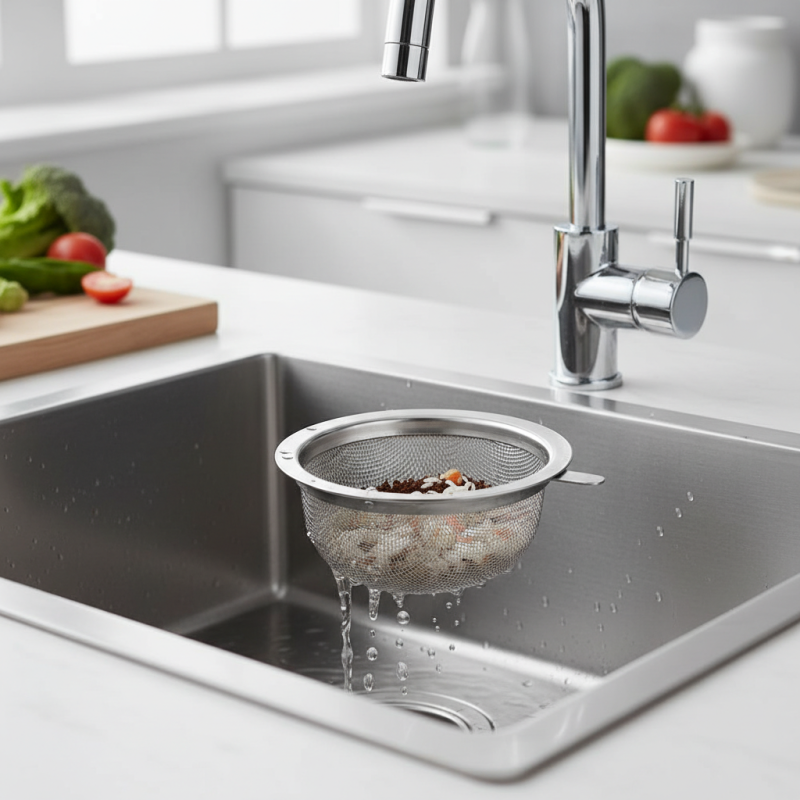
A kitchen sink strainer is an essential tool that helps maintain a cleaner home. Its primary function is to catch food particles and debris from kitchen waste. By doing this, it prevents clogs in your plumbing system. A simple mesh or perforated design allows water to flow freely while trapping unwanted bits.

Regularly using a sink strainer can lead to a noticeable difference in your kitchen's cleanliness. Over time, food waste can accumulate, creating unpleasant odors. A strainer catches this waste, reducing the likelihood of bacteria growth. This simple device can save you from costly plumbing issues. However, it's crucial to clean the strainer regularly to prevent buildup.

Kitchen Strainers aren't foolproof.Sometimes, tiny particles can slip through, leading to frustrations. It's a reminder to stay vigilant about kitchen hygiene. While they reduce mess, they don’t eliminate it entirely. In every cooking session, a certain level of debris is still inevitable. Embracing the reality of this can make your cleaning routine more manageable.

Statistics on Clogged Drains and Their Impact on Households

Clogged drains are a common household problem. Statistics show that 80% of homeowners experience a clogged drain at least once. This issue can lead to costly plumbing repairs and even damage to property. Clogs result from food residue, grease, and other debris. Over time, these elements accumulate and create blockages.

The impact of clogged drains goes beyond inconvenience. It can cause unpleasant odors and water backups. These situations can lead to mold growth, which poses health risks. Households spend an average of $400 annually to fix plumbing issues. This can strain household budgets. Moreover, the hassle of dealing with plumbing emergencies disrupts daily life significantly.

Using a kitchen sink strainer is a simple solution. This tool captures food scraps and debris, preventing clogs from forming in the first place. Regularly cleaning the strainer can minimize drainage problems. Ignoring minor clogs often leads to bigger issues. A proactive approach helps maintain a cleaner home. Investing in a strainer can save time and money in the long run. It’s an essential tool for all households.

How Kitchen Sink Strainers Reduce the Need for Plumbing Services

A kitchen sink strainer is an essential tool for maintaining a cleaner home. When food scraps and debris wash down the drain, they can cause major plumbing issues over time. A simple strainer helps catch these materials. This small step can save homeowners from costly plumbing repairs in the future.

Using a Gold Kitchen Sink Strainer not only adds a touch of luxury but also increases reliability. Many people underestimate the impact of kitchen waste. Pieces of food can lead to blockages. Once this happens, plumbing services may become necessary. Homeowners can avoid the frustration of a clogged sink by utilizing a strainer. It’s a straightforward solution that promotes hygiene and helps maintain the kitchen environment.

While strainers are effective, they require regular cleaning. Neglecting them can lead to buildup and odors. It's important to check the strainer frequently. If you forget, you might regret it when faced with an unpleasant surprise. Ultimately, taking care of a Gold Kitchen Sink Strainer contributes to hassle-free plumbing and a cleaner home atmosphere.

The Role of Strainers in Preventing Food Waste and Environmental Impact

A kitchen sink strainer plays a crucial role in reducing food waste. When food scraps go down the drain, they often contribute to clogged pipes and hefty plumbing bills. This is where a Kitchen Sink Grid Strainer becomes essential. It effectively catches unwanted debris while allowing water to flow freely. It’s a small tool that can yield big results.

Beyond just convenience, strainers help the environment. They prevent food waste from entering water systems and landfills. Food waste contributes significantly to greenhouse gas emissions. Every piece of food that is kept from the drain means less decomposing waste. It’s a simple step that reflects our commitment to sustainability.

However, many people overlook this handy device. Strainers can be forgotten amidst the hustle of cooking. Regular checks can sometimes reveal clogs that develop unnoticed over time. A clean strainer ensures efficiency. Regular cleaning is key, but it's easy to neglect. Addressing this small oversight can lead to a happier kitchen and a cleaner home.

Impact of Kitchen Sink Strainers on Food Waste Reduction

Using a kitchen sink strainer significantly reduces food waste. The chart shows a decrease from 30 kg to 10 kg of food waste per month when a strainer is used, highlighting its role in promoting a cleaner home and minimizing environmental impact.

Choosing the Right Kitchen Sink Strainer for Your Needs

Choosing the right kitchen sink strainer can make a significant difference in your daily cooking routine. A good strainer prevents food scraps from clogging your pipes. It keeps your kitchen cleaner, reducing odors and mess. Opt for a durable material, like stainless steel or silicone, which resists rust and wear. A well-fitted strainer is essential; it should fit snugly in your sink.

When selecting a strainer, consider the size of your sink. Larger models hold more waste but might be cumbersome to clean. Smaller ones can be easy to manage but may need frequent emptying. Look for a strainer with a sturdy handle for easy removal.

Here are some tips: Check the mesh screen; finer mesh catches more debris. Ensure it is easy to wash. Think about using two strainers—one for food waste and another for larger scraps. Regular cleaning is vital to prevent buildup and odors. If you notice any stains or buildup, clean them promptly. These small details can enhance your kitchen experience significantly.

Maintenance Tips for Maximizing the Lifespan of Your Sink Strainer

A kitchen sink strainer is essential for maintaining a cleaner home. It effectively catches food particles, preventing clogs. Professional plumbing reports suggest that up to 80% of plumbing issues stem from food debris accumulation. Regular maintenance ensures that your Kitchen Sink Strainer Basket functions optimally and lasts longer.


To maximize the lifespan of your sink strainer, regular cleaning is crucial. Rinse it under hot water after every use. Remove stubborn residues with a soft brush. Studies indicate that almost 30% of households neglect strainer maintenance, resulting in potential health risks. It’s important to inspect your strainer weekly. Look for any signs of wear or buildup, as a neglected strainer can lead to unpleasant odors.


Consider replacing your kitchen sink strainer basket every six months. This simple step can significantly prevent deeper plumbing issues. Additionally, avoid disposing of excessive grease down the sink. It can solidify and cause blockages. A proactive approach ensures a cleaner kitchen environment and reduces costly repairs.

FAQS

: What percentage of homeowners experience clogged drains?

: About 80% of homeowners deal with clogged drains at least once.

What causes clogged drains?

Clogs often result from food residue, grease, and other debris over time.

What are the consequences of having a clogged drain?

Clogged drains can cause unpleasant odors, water backups, and even mold growth.

How much do households spend on plumbing issues annually?

Households spend an average of $400 each year on plumbing repairs.

How can a kitchen sink strainer help?

A kitchen sink strainer captures food scraps, preventing clogs before they form.

Why is regular cleaning of the strainer important?

Neglecting to clean the strainer can lead to buildup, odors, and more severe clogs.

What happens if minor clogs are ignored?

Ignoring minor clogs often leads to bigger, more expensive plumbing problems later.

How does using a strainer promote hygiene?

It helps maintain a cleaner kitchen by preventing waste from washing down the drain.

Can not using a strainer lead to plumbing emergencies?

Yes, without a strainer, homeowners may face frustrating plumbing emergencies.

Is dealing with plumbing issues disruptive to daily life?

Yes, plumbing problems can significantly disrupt normal household routines.

Conclusion

A Kitchen Sink Strainer is an essential tool for maintaining a clean and functional home. It plays a crucial role in effective home maintenance by preventing food particles and debris from clogging drains, which is a common issue many households face. Statistics reveal that clogged drains can lead to costly plumbing services, making strainers a worthwhile investment for homeowners. They not only help in reducing the frequency of plumbing emergencies but also minimize environmental waste by facilitating better food disposal practices.

Choosing the right Kitchen Sink Strainer tailored to your specific needs is important for maximizing its effectiveness. Regular maintenance, such as cleaning and proper handling, can significantly extend the lifespan of the strainer, ensuring it continues to provide benefits over time. By integrating a sink strainer into your kitchen, you contribute to a cleaner home environment while also promoting sustainable waste management practices.

Emily

Emily

Emily is a dedicated marketing professional at JANA PLUMBING CO., LTD., located on the picturesque east coast of Zhejiang Province, China. Since the company's establishment in 1998, Emily has played a pivotal role in promoting the high-quality sanitary wares crafted from solid brass and stainless......
Previous Top Tips for Choosing the Best Lavatory Sink Strainer?