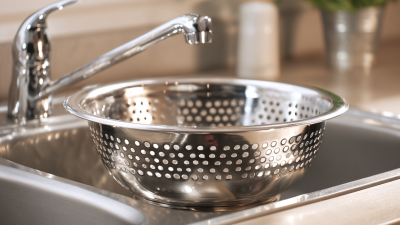
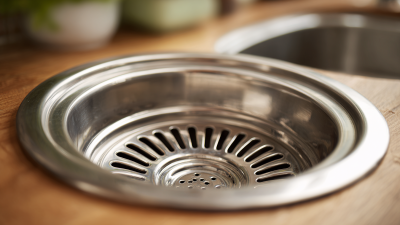
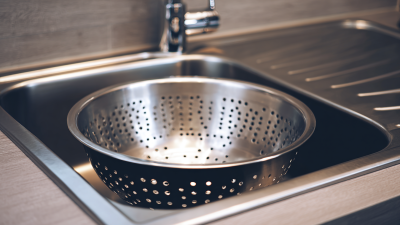
When it comes to keeping your kitchen running smoothly, having a good Kitchen Sink Strainer really can’t be overstated. People who are into household tricks, like Martha Stewart, often say, "A solid kitchen sink strainer isn't just about avoiding clogs; it also makes cleaning up way easier." So, as we jump into some handy tips for cleaning and taking care of your sink strainer, our goal is to give you practical advice that helps both with keeping things hygienic and making your kitchen look good.
Looking after your sink strainer doesn’t have to be complicated. Doing regular maintenance can really extend its life, and it also helps prevent nasty odors and stuff getting blocked up. From choosing the right materials to how often you clean it—you’d be surprised how just a few simple decisions can make a big difference in keeping your kitchen clean and efficient.
In this guide, we’re going to run through ten must-know tips that can totally change how you take care of your sink strainer. Trust me, it’ll feel less like a chore and more like just part of your routine. Come along as we share some easy insights to boost your cleaning game and keep your kitchen running smoothly.
Understanding the Importance of Kitchen Sink Strainers
Kitchen sink strainers play a crucial role in maintaining the cleanliness and functionality of our kitchens. They are designed to prevent food particles and debris from clogging the plumbing, which is a common issue faced by homeowners. According to the American Society of Plumbing Engineers, nearly 80% of plumbing issues are related to blockages, many of which can be traced back to improper disposal of waste in sink drains. This emphasizes the importance of having an effective strainer in place to protect plumbing systems and reduce the risk of costly repairs.
Moreover, the benefits of using kitchen sink strainers extend beyond just plumbing maintenance. A clean sink environment contributes to improved hygiene, reducing the risk of bacteria proliferation and unpleasant odors. Research from the CDC has shown that a well-maintained kitchen can lower the risk of foodborne illnesses significantly. Regular cleaning and maintenance of strainers are essential to achieving these health benefits. Simple practices like rinsing the strainer daily and replacing it when damaged can go a long way in ensuring your kitchen remains both functional and safe for food preparation.
Types of Kitchen Sink Strainers and Their Uses
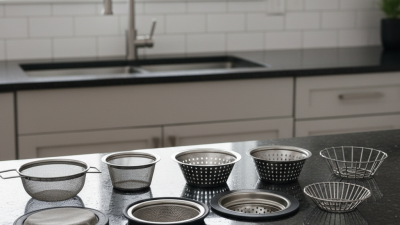
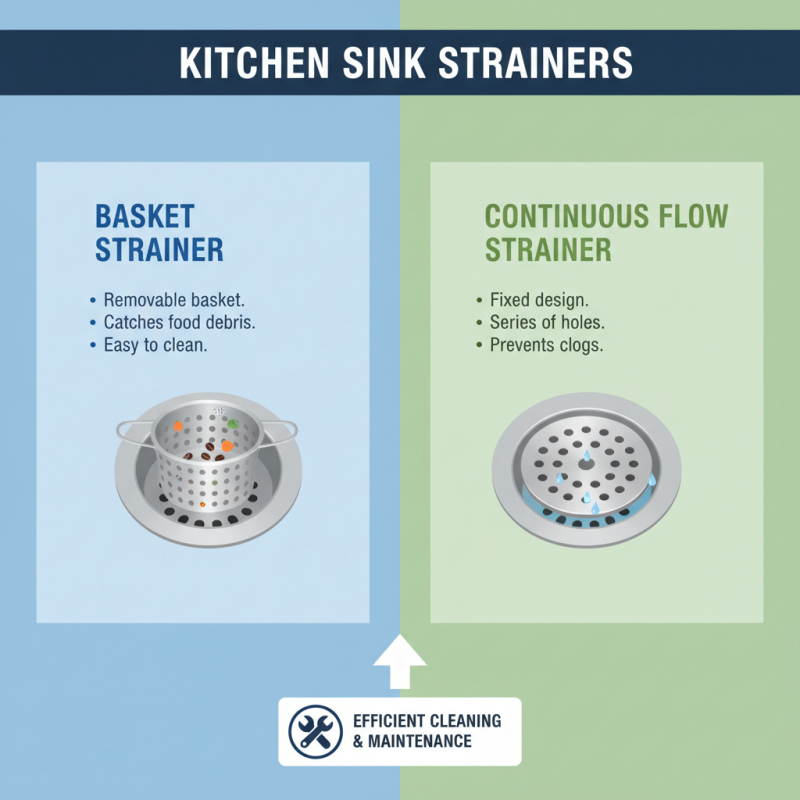
When it comes to kitchen sink strainers, understanding the different types available can greatly enhance your cleaning and maintenance routine. The most common type is the basket strainer, which typically consists of a removable basket that catches food debris and allows water to flow freely. This type is versatile and easy to clean, making it suitable for daily use. Another popular option is the continuous flow strainer, designed with a series of holes that let water pass through while holding back larger particles. This style is excellent for preventing clogs in the plumbing system.
For those looking for specialized options, there are also pop-up strainers that can be activated with a simple lift or press. These are great for preventing unwanted debris from entering the drain while allowing for ease of use when you need to wash dishes or rinse produce. Additionally, there are mesh strainers, which provide a fine filtration method to catch smaller particles effectively. Mesh strainers require a bit more frequent cleaning, but they are ideal for homes with heavy cooking and food preparation, as they can significantly reduce the chances of unwanted clogs in the sink.
Step-by-Step Guide to Cleaning Your Kitchen Sink Strainer
Cleaning your kitchen sink strainer is crucial not only for maintaining hygiene but also for ensuring the proper functioning of your plumbing system. According to a 2021 study by the American Cleaning Institute, over 70% of households reported that a blocked drain led to significant plumbing issues, which could easily have been avoided with regular maintenance. To effectively clean your kitchen sink strainer, start by removing it from the sink. Rinse it under hot water to dislodge food particles and debris. Use a soft brush or an old toothbrush combined with a mixture of vinegar and baking soda to scrub away any greasy buildup. This natural cleaning solution not only fights grime but also helps eliminate odors, ensuring your kitchen stays fresh.
After scrubbing, it’s important to thoroughly rinse the strainer to remove any remaining residues. A full rinse will prevent mold and bacteria from taking hold, a concern that is heightened in damp areas like kitchens. The Environmental Protection Agency suggests that regularly cleaning areas that come into contact with food can reduce the risk of foodborne illnesses by up to 50%. Once cleaned, reassemble the strainer and check for any signs of wear or damage. Regular inspections can prevent further complications down the line, such as leaks or strange noises from your plumbing. By incorporating these simple steps into your kitchen cleaning routine, you can maintain an efficient and hygienic sink strainer.
Tips for Preventing Clogs and Build-Up in Strainers
Preventing clogs and build-up in kitchen sink strainers is essential for maintaining a clean and functional kitchen. According to a study conducted by the National Association of Home Builders, over 25% of homeowners experience issues with clogged sinks, which often arise from food debris accumulating in strainer systems. To mitigate this problem, one of the most effective strategies is to routinely clean the strainer. A simple maintenance schedule, wherein you remove and rinse the strainer under hot water weekly, can drastically reduce the chances of build-up and prolonged clogs.
In addition to regular cleaning, incorporating food disposal habits can play a significant role in preventing strainer-related issues. Reports indicate that a staggering 80% of kitchen clogs stem from high-fiber foods, such as celery and pasta, and starchy substances, including potatoes. Therefore, it is advisable to avoid disposing of these types of waste through the sink. Instead, utilizing composting or designated waste disposal can ensure that these materials do not accumulate in your plumbing system. By implementing these strategies, homeowners can effectively prolong the lifespan of their strainers and keep their kitchens running smoothly.
How to Maintain Your Kitchen Sink Strainer for Longevity
Maintaining your kitchen sink strainer is crucial for extending its lifespan and ensuring optimal performance. According to a 2021 study by the International Journal of Environmental Research and Public Health, nearly 65% of households reported experiencing plumbing issues related to improper maintenance of their kitchen fixtures. To avoid these disruptions, regular cleaning is essential. Remove food debris from the strainer regularly to prevent clogs, which can lead to costly plumbing repairs. A simple routine involving weekly disposal of collected waste can significantly enhance the longevity of your strainer.
Moreover, employing natural cleaning solutions, such as a mixture of vinegar and baking soda, can effectively break down mineral deposits and grease without damaging the strainer's materials. The American Cleaning Institute reports that using harsh chemicals can lead to corrosion, reducing the functional life of kitchen fixtures. By incorporating natural cleaning methods and performing regular inspections, homeowners can ensure their kitchen sink strainers remain in optimal condition and reduce the need for replacements, ultimately promoting a more efficient household cleaning routine.
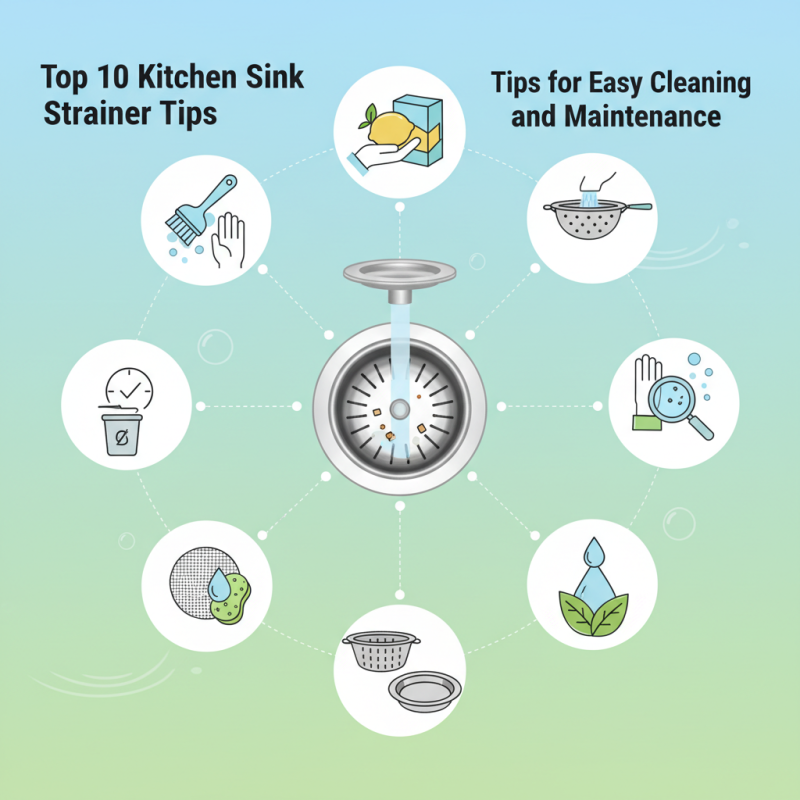
Top 10 Kitchen Sink Strainer Tips for Easy Cleaning and Maintenance
Choosing the Right Strainer for Your Kitchen Sink Setup
When choosing the right strainer for your kitchen sink setup, it’s essential to consider both functionality and compatibility with your existing plumbing. A suitable strainer should fit the standard size of your sink drain while also effectively preventing food particles and debris from passing through, which could lead to clogs. Look for options that come with removable baskets or easy-to-clean designs, as these features can considerably simplify maintenance.
Additionally, consider the material of the strainer. Stainless steel is a popular choice due to its durability and resistance to rust and corrosion, making it ideal for a busy kitchen environment. If you’re looking for a more aesthetic touch, you may also find strainers available in various finishes that can complement your sink's design. Engaging with options that provide both practicality and style will not only enhance your kitchen’s functionality but also contribute to its overall appearance.
When to Replace Your Kitchen Sink Strainer: Signs to Look For
When it comes to maintaining a clean and efficient kitchen, a well-functioning sink strainer is crucial. Experts recommend checking your kitchen sink strainer for replacement every one to two years. This timeframe aligns with common wear-and-tear observed by professionals in home maintenance. Key signs to look for include visible rust, corrosion, or significant staining, which can indicate that the strainer has outlived its useful life. According to a recent industry report by the National Kitchen and Bath Association, nearly 30% of homeowners experience issues related to clogged drains caused by degraded strainers, highlighting the importance of timely replacements.
Additionally, if you notice a lingering odor coming from your kitchen sink, it could signal that the strainer is no longer effectively trapping food particles and debris. A study published in the Journal of Environmental Health found that neglected sink strainers can harbor bacteria, contributing to both foul smells and potential health hazards. Cleaning your strainer regularly is essential, but recognizing when to replace it can save you from costly plumbing issues in the long run. Keeping an eye out for these warning signs ensures that your kitchen remains a clean and functional space, free from the troubles of ineffective waste management.
Enhancing Kitchen Efficiency: The Impact of Premium Replacement Strainer Baskets on Home Cooking Experience
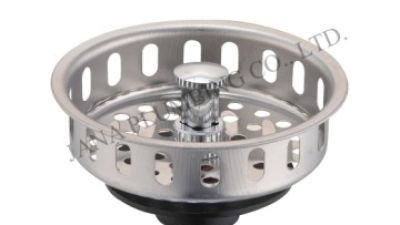
In the pursuit of enhancing kitchen efficiency, one often overlooked component is the Replacement Strainer Basket. A high-quality strainer, such as the JN-1105, plays a crucial role in ensuring that the home cooking experience is streamlined and effective. According to industry reports, nearly 30% of home cooks experience inefficiencies due to inadequate filtration systems, leading to longer preparation times and compromised food quality. By integrating a premium strainer basket into your setup, you can significantly reduce the risk of clogs and maintain optimal flow rates, allowing for a more seamless cooking process.
The JN-1105 Replacement Strainer Basket is constructed from durable stainless steel, providing both corrosion resistance and enhanced longevity. Its fine mesh screen is particularly effective at trapping unwanted particles and impurities, which is vital for maintaining the clarity and quality of liquids used in cooking. In fact, studies have shown that using a reliable straining solution can improve the overall efficiency of kitchen workflows by up to 20%, allowing chefs and home cooks alike to focus on the culinary creativity rather than on time-consuming filtration issues.
Moreover, the versatility of the JN-1105 makes it suitable for both residential and commercial applications. Whether you're a home chef preparing meals for your family or a culinary professional in a bustling kitchen, having a high-performance strainer basket can elevate your cooking experience. With the right tools in place, you can enhance not just the efficiency of your kitchen but also the quality of your culinary outputs.
FAQS
: Kitchen sink strainers are essential for preventing food particles and debris from clogging plumbing, which is a common issue for homeowners. They help maintain plumbing systems and reduce the risk of costly repairs.
Using strainers helps keep the sink area clean, which reduces the risk of bacteria proliferation and unpleasant odors. A well-maintained kitchen significantly lowers the risk of foodborne illnesses.
To clean a sink strainer, remove it from the sink, rinse it under hot water to dislodge particles, scrub it with a mixture of vinegar and baking soda, and then thoroughly rinse it again before reassembling.
It is recommended to clean the kitchen sink strainer at least once a week to prevent clogs and maintain proper hygiene.
A mixture of vinegar and baking soda can be used to scrub the strainer, as this natural solution fights grime and eliminates odors effectively.
High-fiber foods like celery and pasta, as well as starchy substances like potatoes, should be avoided in the sink, as they are common causes of clogs.
Regularly cleaning the strainer and conducting inspections for wear or damage can prevent plumbing complications such as leaks and unusual noises, thus prolonging the lifespan of the strainer.
If you notice any wear or damage on the strainer, it is advisable to replace it to avoid future plumbing issues.
Regularly cleaning areas that come into contact with food can reduce the risk of foodborne illnesses by up to 50%.
Signs that your strainer needs cleaning include slow draining water, unpleasant odors, or visible debris accumulation in the strainer.
Conclusion
The article "Top 10 Kitchen Sink Strainer Tips for Easy Cleaning and Maintenance" highlights the essential role of Kitchen Sink Strainers in keeping your plumbing system functional and clog-free. By exploring various types of strainers and their specific uses, readers can gain insights into selecting the right one for their kitchen setup. A step-by-step guide for cleaning these accessories ensures effective maintenance, while practical tips for preventing clogs emphasize the importance of regular upkeep.
Furthermore, the article discusses how to maintain your Kitchen Sink Strainer for longevity and identifies key signs that indicate when it's time to replace it. With these tips, homeowners can enhance the performance of their sink strainers, leading to a cleaner and more efficient kitchen environment.