In the world of cooking, a good Kitchen Sink Strainer actually makes a big difference. You know, according to the National Association of Home Builders, more than 80% of homeowners deal with plumbing headaches caused by food scraps. It’s a simple fix, honestly—just using a quality strainer can really cut down on clogs and those annoying, expensive plumber visits. Sometimes it’s the little things, right?
That said, not all strainers are built the same. A lot of folks forget about maintenance or how to pick the right one in the first place. The American Society of Plumbing Engineers even found that improper strainers are responsible for almost 30% of kitchen plumbing failures. Yeah, it’s that important to know what makes a strainer both effective and reliable.
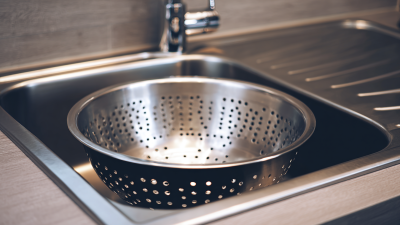
And, honestly, a lot of people aren’t aware of how to install or care for their strainers properly. Choosing the right one can actually make your kitchen cleaner and more functional. For example, a mesh strainer can catch smaller bits of debris, helping keep your drain clear. So, taking a moment to reflect on how you use your kitchen and learning a few tips about strainers can really make your cooking experience better—and way less stressful.
Understanding Kitchen Sink Strainers: Types and Functions
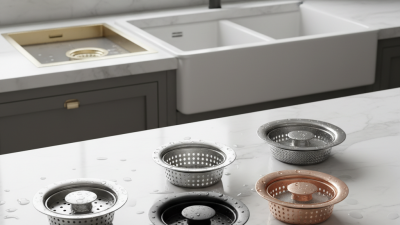
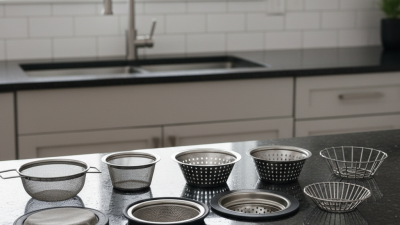
When it comes to kitchen sink strainers, knowing their types and functions is essential. There are various types, including basket strainers, flip-top strainers, and t304 stainless steel strainers. Each serves a unique purpose. For instance, basket strainers are perfect for catching larger debris, while flip-top designs allow for easy cleaning and disposal. The choice depends on your cooking habits and drain setup.
Reports indicate that clogged sinks are common in 75% of households, often due to improper use of strainers. Many users overlook regular maintenance. An unclean strainer can lead to unpleasant odors and drainage issues. It’s easy to forget about cleaning them often, but neglect can turn minor clogs into major headaches. Investing a few minutes each week could save significant time and effort in the long run.
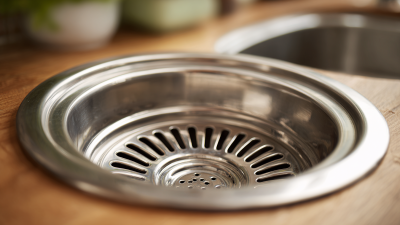
You might consider the material of the strainer too. Stainless steel is durable but can rust over time if not maintained properly. Plastic, while lightweight, may not hold up as well. This highlights the need for regular inspections. Look out for wear and tear. A simple crack can lead to more extensive plumbing problems. Ultimately, understanding the nuances of kitchen sink strainers can enhance your overall cooking experience.
Top Kitchen Sink Strainer Tips Every Home Cook Should Know
The Importance of Proper Maintenance for Sink Strainers
A sink strainer is essential for maintaining your kitchen. Regular maintenance of sink strainers is crucial. It helps prevent clogs and unpleasant odors. If you ignore it, food particles can accumulate quickly. A clogged strainer can lead to water backup, which is frustrating.
Here are some simple tips for keeping your sink strainer in shape. Clean it regularly. Remove debris and rinse it under hot water. Sometimes, a gentle scrub can help too. Don't forget to check for damage. A small crack can cause bigger problems later.
In case of stubborn buildup, consider using baking soda and vinegar. It’s a natural solution that works well. However, remember that not all buildup will easily come off. If it doesn't work on the first try, be patient. Regular upkeep prevents larger issues and ensures your kitchen remains a pleasant space.
How to Choose the Right Size Sink Strainer for Your Needs
Choosing the right size sink strainer is essential for any home cook. A good strainer prevents food from clogging your pipes. Measure the diameter of your sink drain before purchasing. Common sizes are 3.5 inches or 4 inches. Ensure a snug fit to prevent leaks.
When considering your needs, think about what you often wash. If you handle larger items, opt for a wider strainer. Small, frequent debris? A standard size may suffice. Don't forget to factor in the depth of your strainer. A deeper one catches more without overflowing.
Tips: Check the material. Stainless steel is durable and rust-resistant. Plastic may not hold up as well. Also, consider ease of cleaning. Mesh strainers can trap food particles, making maintenance tricky. Choose one that you can easily pop out for quick cleaning. It's okay if it doesn’t fit perfectly at first. Trial and error is part of the process.
Common Issues with Sink Strainers and Their Solutions
Sink strainers are essential in any kitchen. They prevent food debris from clogging pipes. Yet, common issues can arise, creating frustration for home cooks. A report from the Plumbing and Drainage Institute indicates that over 70% of plumbing issues stem from improperly maintained strainers.
One frequent problem is buildup. Grease, food particles, and soap can accumulate quickly. This results in bad odors and reduced drainage. A simple solution involves weekly cleaning. Just remove the strainer and rinse it under hot water. For tougher grime, a vinegar and baking soda mix works wonders.
Another issue is strainers that do not fit properly. Many homeowners overlook this detail. A poor fit allows debris to slip through. It is vital to check measurements before purchase. Make adjustments as needed to maintain effectiveness. A snug fit can prevent future headaches. Regular checks ensure a functional kitchen.
Proper maintenance makes a significant difference. However, many cooks forget this step, leading to recurring problems. Addressing these simple issues can enhance kitchen efficiency.
Top Kitchen Sink Strainer Tips Every Home Cook Should Know
| Issue | Description | Solution | Prevention Tips |
| Clogs | Food particles and grease can block the strainer. | Use a plunger or remove the strainer and clean it manually. | Run hot water after washing dishes to clear grease. |
| Bad Odors | Debris trapped in the strainer can cause unpleasant smells. | Clean the strainer regularly and use baking soda and vinegar. | Avoid putting strong smelling foods down the drain. |
| Rust | Metal strainers can rust over time due to moisture. | Replace corroded strainers with stainless steel options. | Dry the strainer after use and keep it in a dry area. |
| Loose Fit | Strainers can become loose and may pop out of place. | Check and tighten the strainer hardware as needed. | Ensure proper installation when placing the strainer. |
Best Practices for Cleaning and Maintaining Your Sink Strainer
Cleaning and maintaining your kitchen sink strainer is vital for a clean workspace. It’s often overlooked, leading to buildup and odors. Regularly remove debris to prevent clogs. A spoon or old toothbrush can help scrub away residue. Use warm, soapy water for a thorough clean.
Don't forget to check for rust or wear. A worn strainer may not function well. If it shows significant signs of damage, consider replacing it. This small change can make a big difference in the efficiency of your sink.
Occasionally, you might forget to check your sink strainer. That’s okay; it happens. Just make it a habit to inspect it regularly. Keeping it clean will save you from future headaches. A clean sink strainer ensures proper drainage and a fresher kitchen environment.
The Impact of Kitchen Sink Strainers on Drainage Efficiency
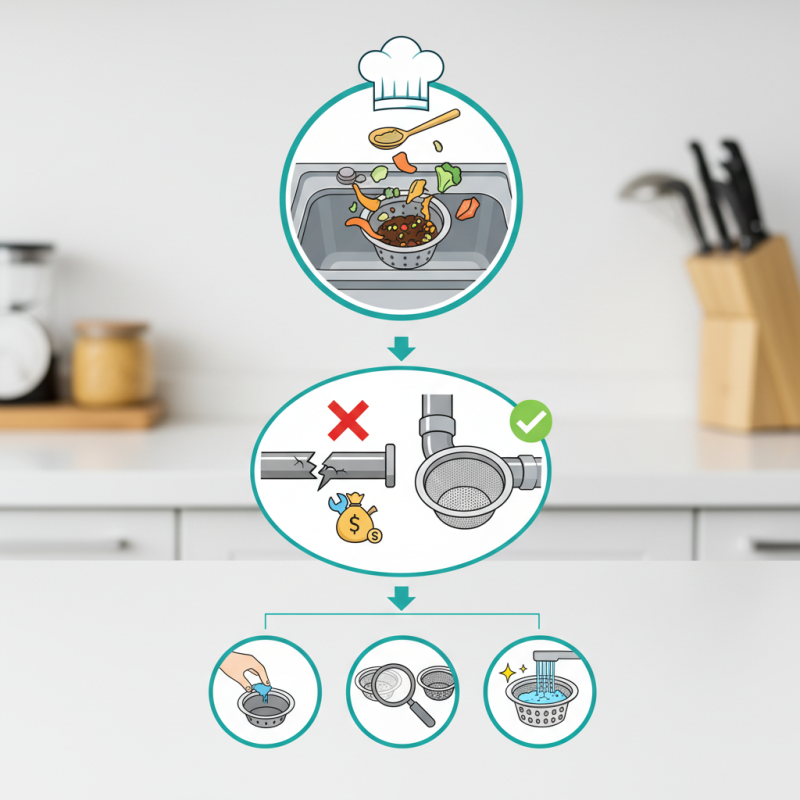
Kitchen sink strainers play a crucial role in maintaining drainage efficiency. A well-functioning strainer can significantly reduce clogging issues. When food particles and debris pass through your sink, they can accumulate in the pipes over time. This can lead to serious drainage problems. Investing in a quality strainer helps keep your plumbing healthy.
For optimal performance, clean your strainer regularly. Build-up can happen quickly, leading to slow drainage. Remove the strainer and rinse it under hot water. Use a brush to scrub away stubborn debris. This simple step can extend the life of your plumbing. It might seem tedious but is essential for preventing future problems.
Choosing the right strainer is also critical. Consider the size and style that fits your sink best. A poorly fitting strainer might allow small pieces to slip through. This can create blockages further down the line. Always check for a snug fit. It can save you from larger issues later on. Proper maintenance and selection lead to improved drainage efficiency.
Innovative Materials for Modern Sink Strainers: Pros and Cons
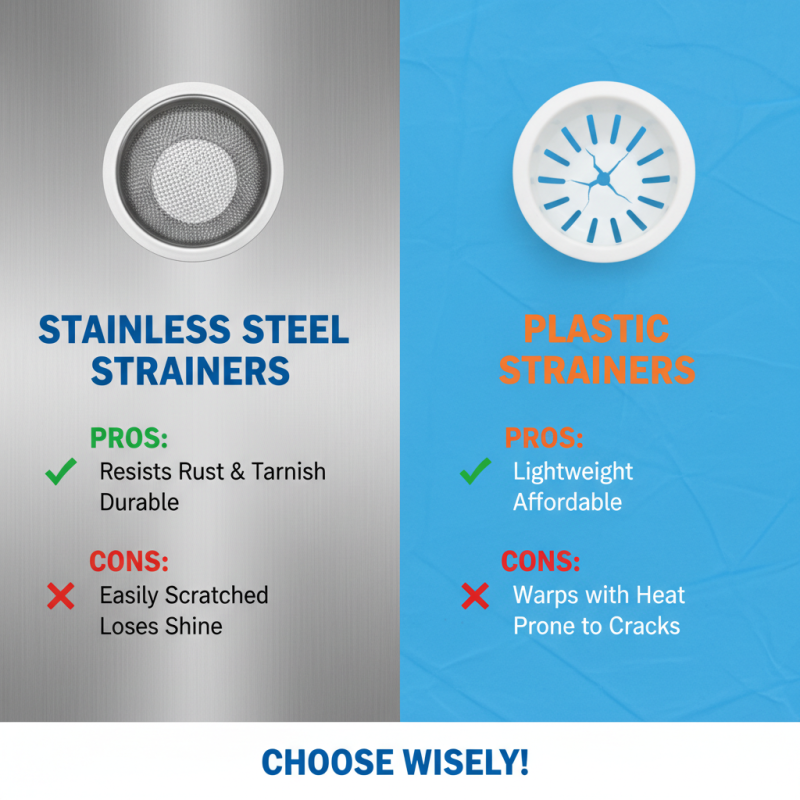
When it comes to sink strainers, the choice of material can make a significant difference. Stainless steel is a popular option. It resists rust and tarnishing. However, it can scratch easily. Over time, it may lose its shine. Plastic is another common material. It is lightweight and affordable. But, it can warp under high temperatures. Also, plastic is not as durable, which can lead to cracks.
Silicone strainers are gaining attention as well. They are flexible and can fit various drain sizes. Silicone is easy to clean and doesn’t rust. Yet, their longevity is still debated. Some users find them hard to secure properly. When considering these options, think about your cooking habits.
Innovative materials, like copper or bioplastics, offer unique benefits. Copper has natural antimicrobial properties. It looks great but can tarnish. Bioplastics are eco-friendly, yet they may not perform as well. Regular maintenance is crucial, regardless of the material you choose. Keep an eye out for wear and tear. Your sink strainer plays an important role in kitchen hygiene. Taking the time to choose wisely can impact your cooking experience.
Enhancing Your Kitchen Efficiency: The Benefits of the Quick-connect Sink Strainer JN-1011-1
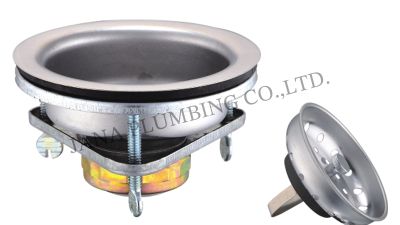
The kitchen is often the heart of the home, where efficiency and functionality are paramount. A vital yet often overlooked component of kitchen design is the sink strainer. The Quick-Connect Sink Strainer JN-1011-1 stands out as an excellent solution for anyone looking to enhance kitchen efficiency. With its snap-in design, this strainer allows for easy installation, making it a breeze for homeowners to upgrade their sinks without the need for professional assistance.
What truly sets the JN-1011-1 apart is its thoughtful design that focuses on convenience and practicality. This product is cUPC certified, ensuring not only quality but also safety and reliability. The strainer effectively prevents debris from clogging the sink, allowing for smoother drainage and less time spent on maintenance. This means less frustration during food preparation and cleaning, leading to a more enjoyable cooking experience. Whether you’re a culinary novice or an experienced chef, the Quick-connect Sink Strainer marks a small yet significant step towards a more organized and efficient kitchen.
FAQS
: This product aims to enhance daily experiences and improve certain activities.
Follow the provided instructions. Each step is designed to ensure proper usage.
Yes, avoid using the product in wet conditions. Safety is essential for optimal usage.
It’s recommended for adults. Always supervise children if they are involved.
Contact customer support for assistance. They can help solve most common problems.
Yes, a limited warranty is provided. Details can be found in the manual.
Yes, but ensure it is suitable for the environment. Extreme conditions may affect performance.
Common materials include plastics and metals. Ensure you're not allergic to any components.
Cleaning is generally simple. Follow maintenance guidelines to keep it in good condition.
Some users report difficulty in setup. It's good to read instructions carefully.
Conclusion
A kitchen sink strainer is an essential tool for every home cook, serving both functional and maintenance roles in the kitchen. Understanding the different types and functions of sink strainers can help you select the right one based on your needs. Regular maintenance is crucial to prevent clogs and ensure optimal drainage efficiency. Choosing the appropriate size is also important, as it directly affects the strainer's performance.
Common issues with kitchen sink strainers include clogging and wear, which can often be solved with simple cleaning or replacement strategies. Best practices for maintaining your sink strainer include routine inspections and proper cleaning techniques. Lastly, exploring innovative materials can offer benefits and drawbacks, enabling you to make an informed choice when upgrading your kitchen. Overall, a well-maintained kitchen sink strainer is key to a smoother cooking experience and efficient kitchen operations.