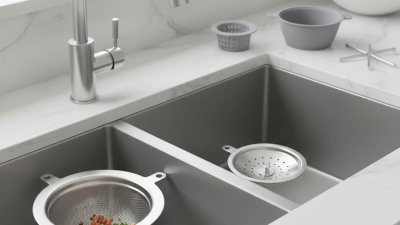
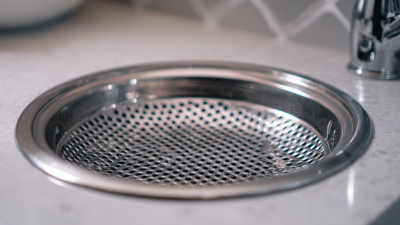
Let’s be honest—picking the right Lavatory Drain isn’t just about looks. It’s about whether it actually fits, works, and suits how you use your sink. You might find a drain that looks perfect, only to realize it doesn’t match the basin opening or doesn’t line up with the plumbing underneath. So before you commit, measure the opening, check if your sink has an overflow, and see how much clearance you’ve got below the counter. Those small details? They matter more than you’d think. Even a couple of millimeters can make or break the fit.
Okay, first things first – you'll want to double-check the drain style and size that works with your sink. If it's an overflow drain, the openings have to line up with the basin's overflow channel. If your sink doesn't have one, you'll need a no-overflow model that fits. Next, think about matching the finish and material with your faucet, and don't forget to make sure the gasket and tailpiece are right for your setup. Brass and stainless steel are the go-to options, but honestly, quality and compatibility can vary a lot. Honestly, don't just eyeball the product photo—actually read the specs. And measure twice, because it's way too easy to forget about the trap connection or think every drain is the same. Trust me, that kind of assumption will come back to bite you, either with a clumsy installation or a dreaded extra trip to the hardware store.
So, before you buy a drain, you really want to think about a few things—like how the different types compare, double-checking the measurements, and noticing those little practical details that can trip you up. And don't forget about installation and upkeep, especially how easy it’s going to be to get to the stopper when you need to clean it. Here's the thing: if the drain doesn't line up with your sink or the plumbing, just stop and re-measure before you try to force it. Some stuff doesn't even cross your mind until you've got all the parts sitting on the counter next to each other. A bit of time spent now can save you from leaks, water that doesn't drain right, and having to replace the whole thing sooner than you'd like—trust me, it's worth it.
Identify Your Sink Type and Existing Drain Configuration
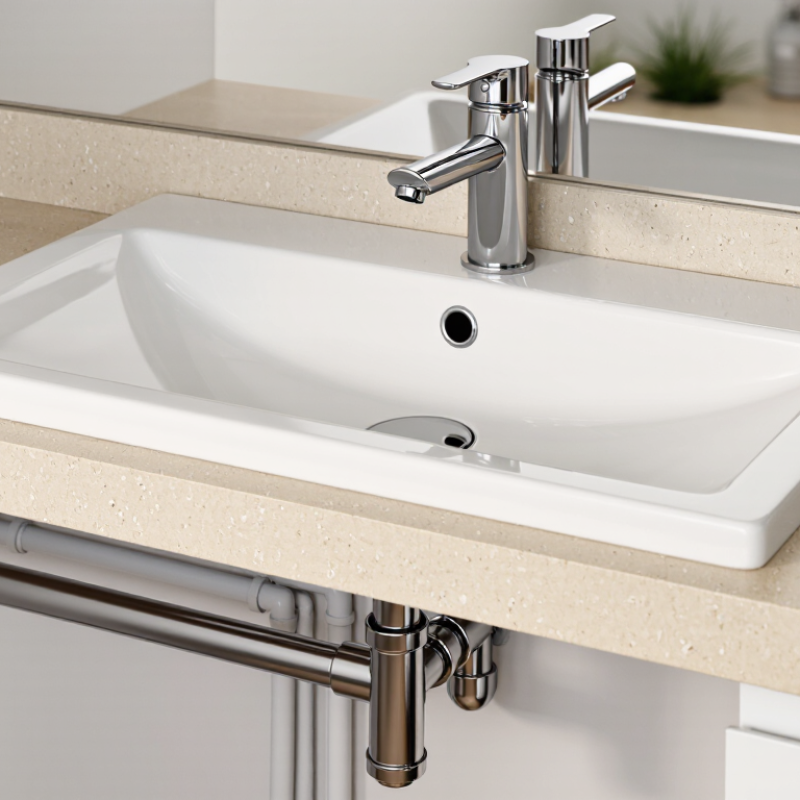
Begin by identifying how the sink is installed. A vessel basin sits above the counter, while an undermount basin hangs beneath it. Pedestal sinks often leave little room around the drain and trap. The shape matters, but the drain opening and overflow matter more.
Look closely. Is there a small overflow opening near the rim? If so, choose a drain assembly designed to connect with it. A sink without an overflow usually needs a matching non-overflow drain. I once assumed these parts were interchangeable; they are not. Check the sink’s specifications before buying, even when the opening looks standard.
Now inspect the existing setup beneath the basin. Note whether the drain uses a lift rod and pop-up stopper, a push-button mechanism, or a simple grid. Measure the drain opening and the visible tailpiece, and check how much clearance remains above the trap. A bulky stopper can be awkward in a shallow vanity. Take a photo of the fittings and note any leaks or worn threads. Measure twice. If the connection type remains unclear, compare it with the sink instructions or ask a qualified plumbing professional before forcing a new fitting.
Compare Drain Designs and Operating Mechanisms
How to Choose the Right Lavatory Drain?
Compare Drain Designs and Operating Mechanisms
A Lavatory Sink Drain should match the basin’s overflow opening, outlet size, and daily use. A lift-rod pop-up closes with a lever behind the faucet, keeping the stopper easy to reach. Push-button models open and close with a press, but their internal spring may need cleaning. A grid drain stays open, so it suits basins that do not need to hold water. Check the sink’s specification before buying: overflow and non-overflow drains are not interchangeable. The wrong seal can leak beneath the basin.
Operating mechanism matters at the sink. Lift rods use visible linkage; push-button drains hide most moving parts below the drain opening. Both can collect hair and soap residue. EPA WaterSense sets a 1.5-gallon-per-minute maximum for labeled bathroom faucets, compared with the federal standard of 2.2 gallons per minute. This faucet-flow benchmark does not rate drains, but it gives installers a useful flow context when checking that water clears the basin without pooling. Real installations vary. That detail is easy to overlook.
Tips: Measure the drain hole and confirm whether the basin has an overflow. For frequent handwashing, test the stopper with wet fingers; a small button can be awkward. Choose a finish that matches the faucet, but prioritize accessible parts. Even a well-fitted drain can loosen over time, so inspect the gasket after installation.
Verify Drain Size, Threading, and Overflow Compatibility
How to Choose the Right Lavatory Drain?
Verify Drain Size, Threading, and Overflow Compatibility
Before buying a lavatory drain, measure the basin’s drain opening and check the sink’s installation guide. A familiar-looking opening does not guarantee a matching drain. Sizes and drain designs can vary, especially on vessel sinks. A small mismatch may leave the drain sitting high or the gasket unable to seal evenly.
Threading matters too. Compare the drain’s threaded section with the sink or plumbing connection, and check the specified size rather than guessing by eye. During a dry fit, the parts should engage smoothly. Do not force them. Cross-threading can damage the fitting, while an overly short threaded section may not leave enough room for the washer and locknut. A snug fit matters.
Check whether the basin has an overflow channel. If it does, choose a drain with openings that let water enter from that channel. A sink without an overflow generally needs a solid-body drain instead. I have seen this detail overlooked because the drain looks right from above. It isn’t always right underneath. Follow the drain’s installation instructions for gasket placement and sealing, then run water and check beneath the basin for slow leaks. A few minutes of checking can prevent a damp cabinet later.
Select Materials and Finishes for Durability
A lavatory drain faces daily contact with water, soap, toothpaste, and cleaning products. Choose the body material and finish for the conditions in your bathroom, not appearance alone. Solid brass is a common durable option and generally resists corrosion. Stainless steel can also perform well, though its grade and construction matter. Check product specifications rather than relying on a polished surface to signal quality.
Finish affects upkeep. Chrome is smooth and easy to wipe, but water spots can stand out. Brushed finishes tend to disguise fingerprints, while residue may collect around a grid’s openings. Small details matter. Dark coated finishes can look striking, yet abrasive cleaners may scratch or dull them. Use a soft cloth and mild soap; harsh scouring pads can shorten a finish’s life. The less glamorous part is regular cleaning.
With a Lavatory Grid Drain, confirm the drain opening, basin thickness, and overflow configuration before buying. A mismatch can cause leaks or make installation awkward, even with a sturdy drain. Inspect the gasket and connections during installation, then check for drips after running water. A good finish cannot compensate for a poor fit. I would still compare care instructions carefully; “durable” does not mean maintenance-free.
Assess Plumbing Fit and Installation Requirements
Before choosing a lavatory drain, check how the sink connects to the existing plumbing. Measure the drain opening, the distance from the sink outlet to the wall, and the height of the trap connection. A few inches can change whether the tailpiece lines up cleanly. Check, too, whether the basin has an overflow; the drain must be designed to match it. Small details matter. An Offset Lavatory Drain may help when the drawer, cabinet frame, or wall pipe blocks a straight connection, but confirm its dimensions before buying.
Installation space is easy to misjudge. Open the cabinet doors and drawers, then trace the proposed pipe route with a tape measure. Make sure the drain assembly leaves room for the trap, shutoff valves, and future hand access. Dry-fit compatible parts before tightening them, and follow the manufacturer’s instructions for seals and washers. Do not force a misaligned joint; it may leak later, even if it looks snug today. Measurements can also be off when taken from a curved basin or finished wall, so recheck them. If the existing pipe material or connection is unclear, ask a qualified plumber to inspect it before cutting or replacing parts. I’d rather pause and measure again than discover a crowded, dripping cabinet after installation.
Compare Cost, Maintenance, and Long-Term Performance
How to Choose the Right Lavatory Drain?
Compare Cost, Maintenance, and Long-Term Performance
A lavatory drain’s price is only part of its cost. A basic lift-and-turn or grid drain has fewer moving parts, so it may need less adjustment. A Pop Up Lavatory Drain offers convenient one-hand operation, but its stopper and linkage can collect hair and soap residue. Brass components generally resist wear better than lightweight plastic, though installation quality still matters. Check that the drain matches the sink’s opening and overflow design before buying.
The National Association of Home Builders’ Study of Life Expectancy of Home Components estimates faucet life at about 15 years; it does not rate drain assemblies. Treat that figure as context, not a drain-life guarantee. The U.S. Environmental Protection Agency estimates household leaks waste nearly 10,000 gallons of water yearly. Not all are drain leaks, but a loose connection under the basin deserves prompt attention.
Tips: Put a dry tissue around the trap and drain joints after installation. A damp spot can reveal a slow leak. Clean the stopper regularly, and avoid forcing a sticky mechanism. If access beneath the sink is cramped, choose a design with simple, replaceable parts. Small trade-off: the cheapest drain may cost more in time if its finish or linkage fails early.
How to Choose the Right Lavatory Drain? — Compare Cost, Maintenance, and Long-Term Performance
Typical U.S. drain-only retail prices are approximate and vary by material and seller. Maintenance and long-term serviceability scores are relative design-based assessments, not laboratory test results; higher scores mean greater maintenance burden or easier repair, respectively.
Quick guide: Open-grid drains have few moving parts and are generally simple to clean, but do not seal the basin. Pop-up, push-button, and lift-and-turn drains can hold water; their moving parts may need cleaning or replacement over time. Check that the drain matches your sink’s overflow design and plumbing connection before buying.
Conclusion
Choosing the right Lavatory Drain starts with understanding your sink and its existing drain setup. Consider whether the basin has an overflow opening, then compare drain designs and operating mechanisms to find one that suits your everyday use. Before purchasing, check the drain size, thread dimensions, and overflow compatibility to help ensure a secure fit.
Material and finish affect durability, appearance, and upkeep, while the plumbing layout and installation requirements determine how straightforward replacement may be. Also weigh the initial cost against maintenance needs and expected long-term performance. By reviewing these factors together, you can select a drain that fits your sink, works reliably, and complements your bathroom without unnecessary adjustments.