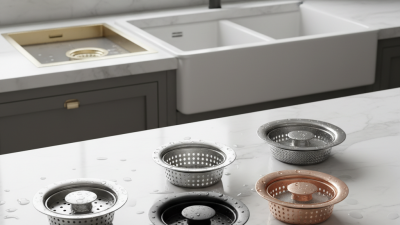
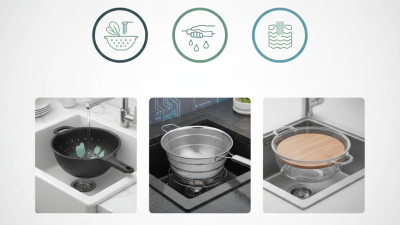
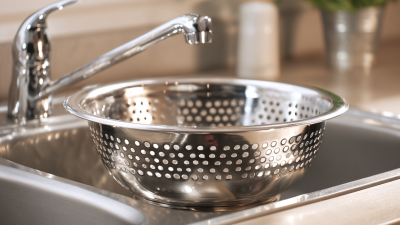
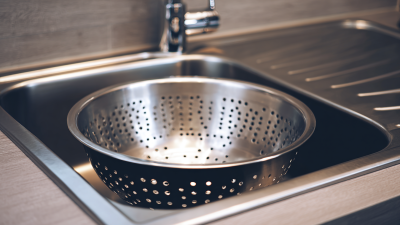
You know, in a busy kitchen, a Sink Strainer Stopper honestly can be a total game changer. It’s great for catching food scraps before they clog up the drain, and it definitely makes cleaning up a whole lot easier. Just imagine washing your veggies or rinsing dishes without worrying about tiny bits sneaking down the drain and causing trouble.
But here’s the thing — getting the hang of using a Sink Strainer Stopper isn’t always super straightforward. You’ve gotta pay a little attention to it. Regularly cleaning it is pretty important to keep bad odors at bay. Sometimes, it’s easy to forget this step, and then you might end up with gunk build-up or even a clog. A good tip is to check the strainer soon after you’re done using it, so it stays in good shape.
Now, I won’t lie — some people find it kinda tricky to get used to using one at first. It can feel like just another thing to do, so maybe they overlook how handy it really is. But honestly, once you get into the habit, it helps keep your kitchen cleaner and makes everything flow a lot smoother. Trust me, it’s worth giving it a shot!
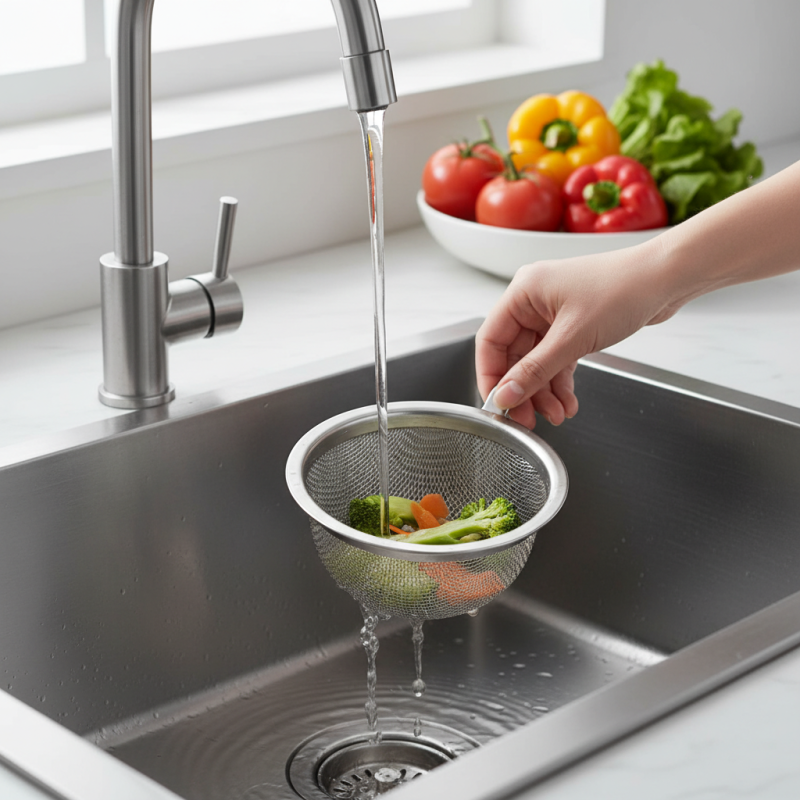
A sink strainer stopper is an essential tool in the kitchen. It prevents food particles and debris from clogging your plumbing. When cooking or cleaning, it's easy to overlook. A simple oversight can lead to unexpected plumbing issues. Using this tool effectively can make a big difference.
Tips: Ensure the stopper fits snugly in the sink. This prevents water from escaping while washing dishes. Regularly clean the strainer to avoid buildup. Food residue can accumulate quickly. Don't forget to check for any unseen damage. A small crack can lead to leaks or further problems.
When using a strainer stopper, place it right after pouring in food scraps. This simple practice can save time and money. However, always remember to remove it before draining pots. Forgetting this step may hinder your cleaning process. Reflect on your daily habits to maximize its effectiveness. A little awareness goes a long way in maintaining your kitchen.
When choosing a sink strainer stopper, consider your kitchen's specific needs. Different styles and sizes are available. Some fit snugly, while others may have gaps. Look at how often you cook. If you frequently prepare meals, opt for a durable option. This choice will help reduce the chance of clogs.
Next, think about the materials used. Stainless steel is popular, but it can corrode over time. Plastic may crack or fade, especially if exposed to hot water. Evaluate your lifestyle. Do you have kids? If so, a simple design is ideal. Complex models may develop issues.
Pay attention to the functionality as well. Some stoppers allow for easy drainage and cleaning. Others might trap debris, making maintenance difficult. It's crucial to reflect on which elements matter most to you. Balancing style and practicality can lead you to the best choice. Selecting the right sink strainer stopper might take time, but it's worth the effort.
Installing a sink strainer stopper can significantly reduce clogs and maintain a cleaner kitchen. Studies show that clogged sinks contribute to 30% of household plumbing issues. Following a precise installation process is essential for optimal performance.
Begin by removing the old strainer. Clean the sink's surface to ensure a tight seal. Next, position the new sink strainer in the drain hole. Apply plumber's putty around the base for an effective seal. Remember, too much putty can cause leaks. Once secured, attach the retaining nut beneath the sink. Ensure it is tight but avoid over-tightening, which can crack the sink material.
Now, it's time for testing. Fill the sink with water and check for leaks. This step is crucial because small drips can lead to larger issues over time. If you notice leaks, adjust the retaining nut or add more putty. According to plumbing reports, improper installation can lead to a 20% increase in future plumbing repairs. Slight adjustments often make a significant difference. Take time to ensure everything is done correctly for a long-lasting and effective sink strainer experience.
| Step | Description | Tools Needed | Time Required |
|---|---|---|---|
| 1 | Gather all necessary materials and tools | Sink strainer, plunger, wrench | 5 minutes |
| 2 | Remove existing strainer if present | Wrench | 10 minutes |
| 3 | Clean the sink area where the strainer will be installed | Cloth, cleaning solution | 5 minutes |
| 4 | Insert the new sink strainer into the drain | None | 5 minutes |
| 5 | Secure the strainer by tightening with a wrench | Wrench | 5 minutes |
| 6 | Test the strainer by running water through | None | 5 minutes |
Maintaining a sink strainer stopper is essential for a smooth kitchen experience. Regular cleaning is a must. Food particles can clog the strainer quickly.
It’s easy to forget. A simple rinse can prevent major buildup. Use warm soapy water for a thorough clean. Don’t let grease settle in the strainer. It’s tricky to remove once hardened.
Inspect the stopper regularly. Look for cracks or wear. A damaged stopper may let waste through. Replace it before problems arise. Sometimes, we overlook small issues, thinking they’ll resolve on their own. Regular checks save time later.
Also, don’t forget to check under the strainer. That area can collect dirt.
Be mindful of what you put down the sink. Some foods are notorious for causing clogs. Eggshells and coffee grounds are prime culprits. Avoid putting them in the sink. We often believe small items won't cause trouble. They can lead to bigger issues. A bit of awareness goes a long way in prolonging the life of your sink strainer stopper.
A sink strainer stopper can be quite handy, but it comes with its share of problems. One common issue is clogging. Food scraps and debris can easily get stuck. This often leads to water draining slowly. Regularly cleaning the strainer can help. But sometimes, just rinsing it isn’t enough. A thorough scrub is necessary. You might even need to soak it in warm water to loosen buildup.
Another problem is improper fit. Not all stoppers are created equal. An ill-fitting stopper may let water slip through. This can cause frustration during meal prep. To resolve this, check the size of your sink drain. Consider trying different designs until you find one that fits just right. Remember, the perfect stopper is an essential part of a functional kitchen. Small changes can lead to big improvements.
Cleaning your sink strainer stopper is essential for maintaining a functional kitchen. A dirty strainer can lead to unpleasant odors and clogs. According to industry reports, around 30% of plumbing issues stem from neglected sink components. Regular cleaning can help prevent these problems.
To clean your strainer, start by removing it from the sink. Rinse off any food debris under warm water. Use a soft brush to scrub stubborn stains. For a deeper clean, soak the strainer in a mixture of vinegar and baking soda. This solution will break down grease and grime effectively.
Tips: Always wear gloves when handling cleaning agents. Make it a habit to clean your sink strainer weekly. A little effort can prevent major plumbing repairs. If your strainer has visible rust or wear, it may be time for a replacement. Keeping your kitchen equipment in good shape helps maintain hygiene.
Some users may forget to clean their stoppers regularly. This oversight can lead to build-up. A neglected strainer can also attract pests. So, don’t let that happen. Make cleaning a part of your regular kitchen routine. Regular maintenance has lasting effects.
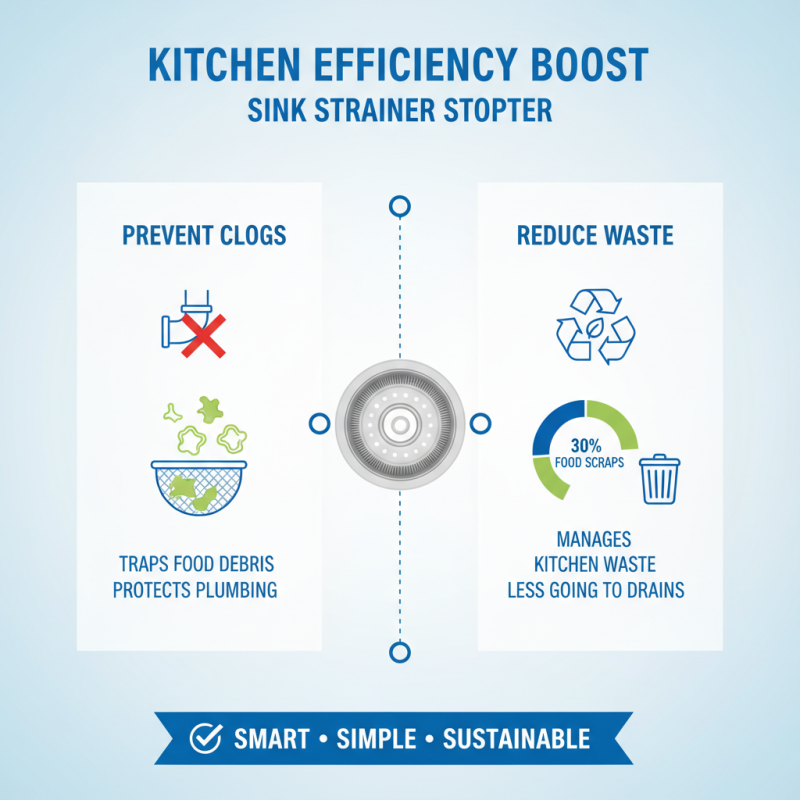
A sink strainer stopper is a simple yet essential tool for any kitchen. It can maximize efficiency during daily cooking tasks. According to a recent industry report, 30% of household waste is food scraps. Using a sink strainer can help reduce clogged drains and manage waste better. When food debris is trapped, it prevents larger particles from entering plumbing systems.
Proper usage of a sink strainer can enhance meal prep. Place it over the drain while chopping vegetables or rinsing beans. This action can save time on cleanup and prevent messy kitchen counters. The strainer also makes it easier to compost leftover scraps, promoting sustainable cooking practices. Interestingly, almost 50% of cooks overlook this vital step, leading to wasted time and potential plumbing issues.
However, some drawbacks exist. Not all sink strainers fit perfectly, leading to leaks. Venturing into new brands can be a gamble. Additionally, if you forget to clean the strainer frequently, it could cause unpleasant odors. This is a common error many face. Regular maintenance is crucial for efficiency, but it is often neglected.
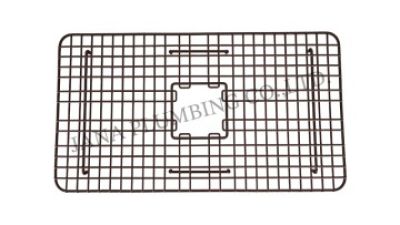
When it comes to enhancing both functionality and aesthetic appeal in your kitchen, selecting the right Kitchen Sink Bottom Grid is essential. The Antique Brown Kitchen Sink Bottom Grid, model JN-9888-5-ABP, is designed to fit seamlessly within your antique brown sink, providing a blend of practical use and decorative flair. This precision-engineered accessory raises your dishes and cookware above the sink's surface, effectively minimizing the risk of scratches and reducing noise as you wash.
With its open grid pattern, this bottom grid promotes superior water drainage, ensuring that your dining and cooking utensils dry quickly and efficiently. This design not only helps in maintaining cleanliness but also adds an extra layer of protection to your sink, preventing unwanted dents and wear over time. By integrating this bottom grid into your kitchen, you're not only choosing a functional solution but also upgrading the overall look of the space, allowing the antique brown finish of your sink to shine.
: The product aims to improve daily life. It enhances convenience and efficiency for users.
Follow the instructions provided with it. Use it in a safe environment for best results.
Yes, avoid using it near water. Do not use it for any illegal activities.
Check for loose connections. If issues persist, consult customer support for assistance.
Regular cleaning and checks are recommended. It helps maintain optimal performance over time.
Yes, returns are accepted within a specified period. Make sure items are in original condition.
Most products come with a limited warranty. Review the warranty details for specifics.
You can leave a review online. Your feedback helps improve future products.
It is suitable for most users. However, specific individuals may require additional guidance.
Some users may need extra items for full functionality. Check compatibility before making a purchase.
A sink strainer stopper is an essential tool for any kitchen, helping to prevent food debris from clogging drains while also allowing for effective water management. Understanding its purpose and choosing the right strainer stopper are crucial steps for homeowners. The article outlines a step-by-step installation process, along with maintenance tips to ensure it functions optimally.
Moreover, it addresses common issues one might encounter with sink strainer stoppers and provides practical solutions. Regular cleaning is emphasized to maintain efficiency, and the article highlights how this tool can be maximized for daily cooking tasks, making it a valuable addition to any kitchen setup. By following these guidelines, users can ensure their sink strainer stopper works effectively, contributing to a smoother cooking and cleaning experience.