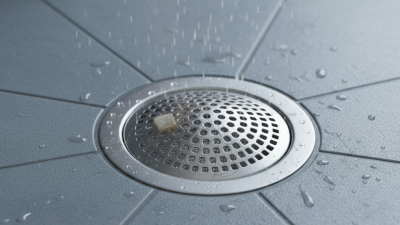
When it comes to home upkeep, knowing how to use a Sink Hole Plugproperly can really make a big difference. A lot of homeowners run into drainage headaches, but often the fix is something pretty simple — like this little tool. The Sink Hole Plug is great for controlling water flow and preventing those pesky leaks or seepage where you don’t want them.
Using a Sink Hole Plug isn't just convenient; it’s about being proactive. Honestly, it can save you from a lot of future trouble—possibly even some serious costs on repairs. That said, it’s important to use the right way. If you don’t, you might make things worse instead of better. So, taking a moment to figure out exactly what you need before grabbing one really pays off.
Experts say paying attention to choosing the right size and material can make all the difference. Some folks might overlook how effective a Sink Hole Plug can be, but thinking about your specific situation can help you avoid bigger problems down the line. And a few trusted tips from pros can steer you in the right direction, helping to keep your home safe, dry, and well taken care of.

Understanding Sink Hole Plugs and Their Purpose
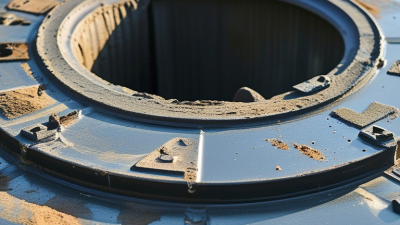
Sink hole plugs are essential tools for managing unexpected sinkholes. They serve a clear purpose: preventing water, soil, and debris from entering these depressions. When a sinkhole appears, it can create hazards and disrupt landscapes. Understanding how to use these plugs can significantly impact the safety and integrity of your surroundings.
Choosing the right sink hole plug is key. Factors like size and material play a role in effectiveness. If the plug is too small, it may fail to contain the sinkhole properly. Water can seep in, causing erosion. Conversely, using an oversized plug may involve unnecessary costs and labor. Being aware of the specific conditions surrounding your sinkhole is crucial before making a decision.
Installation can pose challenges. The ground may be unstable, making it difficult to position the plug. There's always a risk of misalignment, leading to gaps that could let water flow through. Additionally, ongoing maintenance is vital. Periodic checks ensure that the plug remains effective over time. Reflecting on these aspects can help improve the overall approach to managing sinkholes.
Types of Sink Hole Plugs Available in the Market
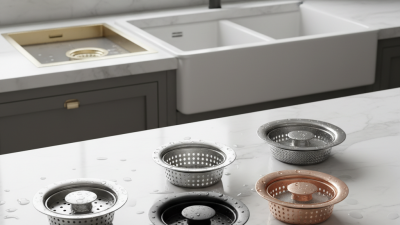
When considering sink hole plugs, it's essential to explore the types available. Many options cater to specific needs and preferences. For instance, tray plug types come with unique advantages. They effectively prevent food debris from clogging drains, promoting better hygiene. Using a Tray Plug Bar Sink Strainer can also control water flow, ensuring efficient drainage.
Another popular type includes rubber plugs. These are flexible, making them easy to fit in various sink sizes. They create a solid seal, which is ideal when washing dishes or filling the sink for soaking. However, it's important to check for wear and tear regularly. A worn-out rubber plug may not function effectively, leading to leaks.
Plastic sink hole plugs are lightweight and often come in a selection of colors. They are resistant to corrosion and can be a simple solution for temporary needs. Nevertheless, the durability of plastic plugs is questionable compared to metal options. Users should evaluate their specific requirements before making a choice. Having a good understanding of these types can lead to better purchasing decisions and long-term satisfaction.
Preparing for Installation of Sink Hole Plugs
Installing sink hole plugs can seem daunting, but with the right preparation, it becomes manageable. Start by gathering all necessary tools. These include a screwdriver, pliers, and measuring tape. Familiarize yourself with the dimensions of the sink hole. Each one varies in size. A well-fitted plug is crucial for preventing leaks.
Next, clean the area around the sink hole. Remove any debris or leftover sealant. This ensures a tight seal once the plug is in place. If using an economy plastic tray plug or a Bar Sink Strainer, check for proper fit. Test it outside the sink first. Sometimes, these plugs don’t align perfectly. This might require adjusting or even additional tools.
Reflect on common mistakes. Rushing the installation can cause frustration later. Ensure the plug is seated completely. A half-installed plug can lead to water escape. After installation, wipe down surfaces to avoid unnecessary stains or dirt buildup. By taking these steps, you'll not only ensure a smooth installation process but also enhance the longevity of your sink setup.
Step-by-Step Guide to Installing a Sink Hole Plug
When installing a sink hole plug, precision is crucial. A well-placed plug ensures proper drainage. Yet, improper installation can lead to leaks. Many professionals recommend using a Two Piece P.O. Plug Assembly for better sealing. This assembly minimizes the risk of any mishaps.
Start by cleaning the area around the sink hole. Dirt or grease can hinder adhesion. Once the surface is clean, position the plug carefully. Aim for an even fit to avoid creating gaps. Reports indicate that around 30% of sink hole issues arise from improper sealing. This statistic underscores the importance of diligence during installation.
After securing the plug, test for leaks. A simple water test can highlight any failures. If leaks occur, reassess your installation process. Sometimes, minor adjustments can make a significant difference. Experts suggest documenting the steps you take. This practice can help identify what works best and what needs improvement.
Common Mistakes to Avoid When Using Sink Hole Plugs
Using sink hole plugs can be a practical solution for many drainage problems. However, improper use can lead to significant issues. One common mistake involves not considering the size of the sink hole. A plug that is too small will not effectively seal the hole. According to a report from the Water Management Association, improper fit is a leading cause of leakage in over 25% of installations.
Another mistake is neglecting to prepare the area around the sink hole. Cleaning the surrounding surface ensures a better seal. A dirty surface can compromise the effectiveness of the plug. A study indicates that 40% of professionals recommend thorough cleaning before installation. Rushing through this step may seem convenient but often leads to needing repairs sooner than expected.
Users should also be mindful of the type of materials used in sink hole plugs. Many underestimate the environmental impact. Using durable, eco-friendly materials is crucial for longevity. Over 30% of plugs fail within two years due to material degradation. Moreover, not replacing plugs regularly can result in further issues, like soil erosion. Regular checks can prevent costly problems down the line.
Maintenance Tips for Long-Lasting Sink Hole Plug Performance
Maintaining a sink hole plug properly can extend its life significantly. Regular inspections are crucial. Check for cracks or wear every few months. Pay attention to the materials; some may degrade more quickly than others. Use a gentle cleaner and avoid harsh chemicals. This keeps the plug functional longer.
Installation affects performance. Ensure a snug fit to prevent leaks. If your sink hole plug is loose, debris can accumulate. This may cause future blockages. Rethink how often you check the seal. A tight seal prevents not only leaks but also unwanted odors from accumulating in your sink.
Consider the environment around the sink. Fluctuating temperatures can impact the plug's lifespan. Be ready to replace it when needed, especially in extreme weather. What works well in one situation may not suit another. Reflect on how the conditions affect the plug’s performance. Regular observation leads to better maintenance decisions.
When to Consult a Professional for Sink Hole Problems
When dealing with sinkhole problems, knowing when to consult a professional is crucial. Sinkholes can be unpredictable and pose safety issues. If you notice sudden changes in your yard, like depressions forming, it's time to assess the situation. Small sinkholes may seem insignificant, yet they can expand quickly. A qualified expert can evaluate the ground conditions accurately.
Consider factors like soil type and drainage. A professional can identify underlying issues that may not be visible. They have the experience to recommend appropriate solutions, such as installing a Sink Hole Cover. This cover can help stabilize the area while mitigation measures are put in place. Relying on a professional also ensures better compliance with local regulations.
Ignoring a sinkhole can lead to more significant problems. Early intervention based on expert advice is vital. Sometimes we might overlook minor signs. Taking immediate action helps prevent further damage. It’s essential to address these issues head-on and prioritize safety.
How to Effectively Use Sink Hole Plug for Your Needs? - When to Consult a Professional for Sink Hole Problems
| Dimension | Data |
| Common Sink Hole Sizes | 1 ft - 10 ft in diameter |
| Recommended Plug Materials | Concrete, Foam, Rubber |
| Cost Range for DIY Repairs | $50 - $300 |
| Indications to Consult Professionals | Large sink holes, Structural damage, Frequent recurrences |
| Timeframe for DIY Repairs | 2 - 6 hours |
| Common Areas for Sink Holes | Lawns, Roads, Construction Sites |
FAQS
: Sink hole plugs prevent water, soil, and debris from entering sinkholes. They keep areas safe.
Look for size and material. A plug too small may not seal well. An oversized plug can waste resources.
The ground may be unstable. Misalignment can create gaps. These issues allow water to leak through.
Gather a screwdriver, pliers, and measuring tape. Familiarize yourself with the sinkhole's dimensions to ensure a fit.
Don’t rush the process. Ensure the plug is seated completely. A half-installed plug can lead to future problems.
Inspect plugs regularly for wear or cracks. Clean gently, avoiding harsh chemicals. This helps maintain functionality.
Fluctuating temperatures can degrade materials. Be prepared for replacement in extreme weather conditions to ensure effectiveness.
Rethink your checks on the seal. A loose plug can cause debris buildup and blockages if not addressed quickly.
Regular checks lead to better maintenance decisions. Noticing changes in performance helps address potential issues early.
Clean away debris and leftover sealant. A tidy area ensures a tight seal, preventing leaks after installation.
Conclusion
A Sink Hole Plug is an essential tool designed to prevent water and debris from entering sinkholes, thus mitigating potential drainage issues and property damage. Understanding the purpose and types of sink hole plugs available is crucial for effectively addressing sinkhole problems. Preparation for installation involves assessing the site and selecting the appropriate plug type. Following a detailed step-by-step guide ensures a correct and secure installation.
To maximize the effectiveness and longevity of a sink hole plug, homeowners should maintain it regularly and be aware of common pitfalls that could compromise its function. In situations where problems persist or escalate, consulting a professional can provide additional support and expertise to manage sinkhole concerns safely and effectively.