Today, when we look at how industries operate, it’s pretty clear that managing waste properly isn’t just about saving costs — it’s also about making sure we’re taking care of the environment. You know, one tricky part is Strainer Waste. It’s a byproduct from all sorts of filtration and process jobs, and honestly, figuring out what to do with it can be a real headache. Dr. Emily Carter, a well-known environmental engineer, has said it best: "Getting a handle on strainer waste is key if we want to cut down our ecological footprint and keep our planet cleaner." That really drives home the point that industries need to get creative with smarter ways to deal with this stuff, especially because it’s not always straightforward.
As companies push towards greener practices, understanding what happens to strainer waste over its entire life and finding good solutions for managing it is super important. Things like recycling, reusing, and treating waste properly can help companies lower their impact on the environment and stay on the right side of regulations. Plus, doing this right can actually make their operations more efficient — a total win-win, right? If we put more focus on these methods, we could head toward a future where industry and nature aren’t at odds but actually work together for a better world.
Understanding Strainer Waste and Its Environmental Impact
Strainer waste, often generated from various industrial processes, poses significant environmental concerns due to its composition and disposal methods. According to a report by the Environmental Protection Agency (EPA), strainer waste typically contains residues from manufacturing operations, including metals, plastics, and potentially hazardous chemicals. When improperly managed, these materials can leach into soil and water systems, consequently disrupting local ecosystems and contaminating drinking water sources. The repercussions can be severe, leading to long-term environmental degradation and health risks for communities.
Effective management of strainer waste is crucial to mitigate these impacts. The World Economic Forum's Circular Economy report emphasizes the importance of implementing sustainable practices within industries to reduce waste generation. By transitioning to recycling programs and alternative waste disposal methods, companies can minimize their environmental footprint.
For example, studies indicate that recycling metal strainer waste can reduce greenhouse gas emissions by up to 60% compared to traditional disposal methods, highlighting the dual benefits of resource conservation and environmental protection. Addressing strainer waste through informed strategies not only promotes a cleaner environment but also fosters economic resilience within industries reliant on these processes.
The Importance of Efficient Strainer Waste Management
Efficient strainer waste management is crucial for maintaining a cleaner environment. Strainers play an essential role in various industries by filtering out unwanted particles from liquids and gases. However, the waste generated from these processes can lead to significant environmental challenges if not managed properly. By implementing effective strategies for strainer waste management, companies can reduce their environmental footprint, conserve resources, and promote sustainable practices.
An efficient management system ensures that waste is not merely discarded but rather processed and repurposed when possible. This involves categorizing waste materials, identifying recyclable components, and employing eco-friendly disposal methods. Organizations that prioritize these practices not only minimize the pollution associated with strainer debris but also contribute to a circular economy where materials are continuously reused. Furthermore, properly handling strainer waste can enhance operational efficiency and reduce costs associated with waste disposal and environmental compliance.
In addition to fostering a cleaner environment, effective strainer waste management also aligns with growing consumer demand for sustainability. Consumers are increasingly selecting brands that demonstrate a commitment to eco-friendly practices. By addressing strainer waste efficiently, companies can enhance their reputations, attract environmentally conscious customers, and comply with regulations aimed at protecting our planet.
Methods for Reducing Strainer Waste in Industrial Settings
In industrial settings, strainer waste management is crucial for both environmental sustainability and operational efficiency. One effective method for reducing strainer waste is to implement a regular maintenance schedule for strainers. By cleaning and inspecting strainers at consistent intervals, industries can prevent the accumulation of debris and contaminants, which ultimately leads to less waste generation.
Additionally, investing in high-quality strainers with increased durability and efficiency can minimize the frequency of replacement, further reducing waste.
Another impactful approach is to incorporate a waste segregation system. By categorizing strainer waste into different streams—such as recyclables, biodegradables, and non-recyclables—companies can enhance recycling efforts and ensure proper disposal methods for each type of waste.
Training employees in proper waste handling practices also plays a vital role. Providing staff with education on the significance of strainer maintenance and responsible waste disposal can foster a culture of sustainability within the organization, leading to long-term reductions in waste generation.
Effective Sorting and Recycling Techniques for Strainer Waste
Effective sorting and recycling techniques for strainer waste are critical to minimizing environmental impact. Strainers are essential in various industries, from food processing to wastewater treatment, and their waste can accumulate significantly. According to industry estimates, approximately 75% of strainer waste is recyclable, yet a substantial portion ends up in landfills due to improper disposal methods. Implementing a robust sorting system can ensure that recyclable materials, such as metals and plastics, are effectively separated from non-recyclable waste.
Adopting methods such as color coding and categorizing waste can streamline the sorting process. For instance, utilizing bins labeled with clear instructions helps workers quickly identify which materials are recyclable. Additionally, incorporating employee training programs focused on the importance of proper disposal can greatly enhance efficiency. A study from the Waste Management Association reports that companies with comprehensive recycling training saw a 30% increase in recycling rates among their staff. By prioritizing these techniques, businesses can significantly reduce their strainer waste footprint, contributing to a cleaner environment and promoting sustainable practices in their operations.
Strainer Waste Management Overview
Best Practices for Disposal of Strainer Waste
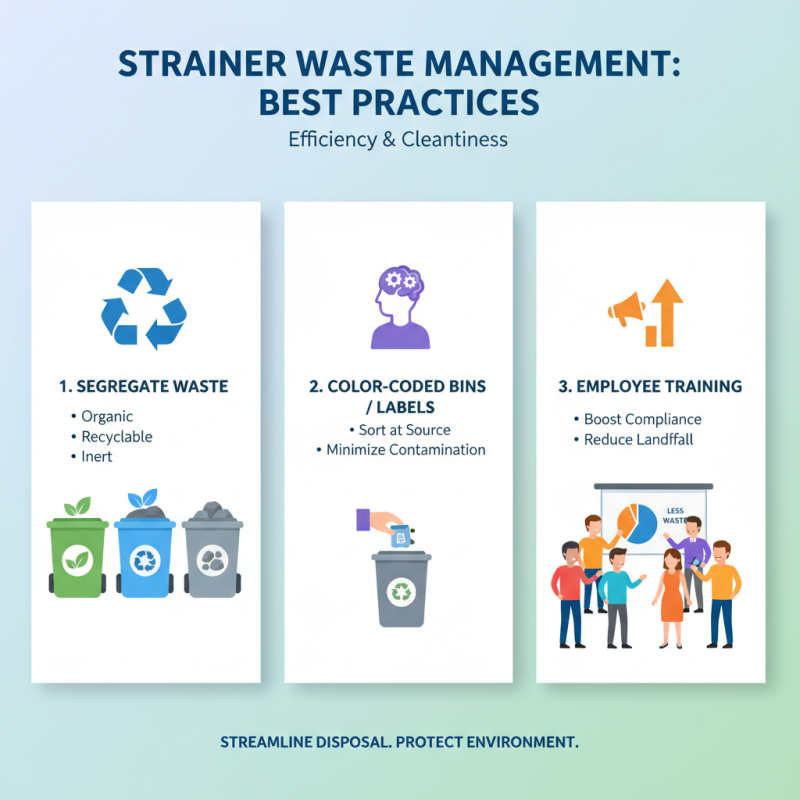
The management of strainer waste is crucial for maintaining both industrial efficiency and environmental cleanliness. One best practice for disposing of strainer waste is to implement a systematic waste segregation process. This involves categorizing waste generated from strainers into organic, recyclable, and inert materials. By using color-coded bins or labeled containers, facilities can ensure that waste is sorted correctly at the source, minimizing contamination and facilitating proper disposal methods. Furthermore, training employees on the importance of waste segregation can lead to higher compliance rates and an overall reduction in landfill contributions.
Another effective approach to managing strainer waste involves partnering with certified waste management companies. These companies have the expertise and resources to handle various types of industrial waste responsibly. Engaging with a professional service can help ensure that strainer waste is processed in compliance with environmental regulations. This may include recycling components like metal filters or repurposing non-toxic materials, which can contribute to a circular economy. Additionally, organizations should regularly review and update their waste management protocols to incorporate the latest best practices, ensuring continuous improvement in their environmental efforts.
Innovative Technologies for Strainer Waste Management
In the pursuit of a cleaner environment, innovative technologies for strainer waste management are pivotal. Strainers, often used in various industries to filter out unwanted particles from liquids and gases, can generate significant waste if not managed effectively. Traditional disposal methods often lead to environmental contamination and resource wastage. However, advancements in technology are shaping a more sustainable approach to handling strainer waste.
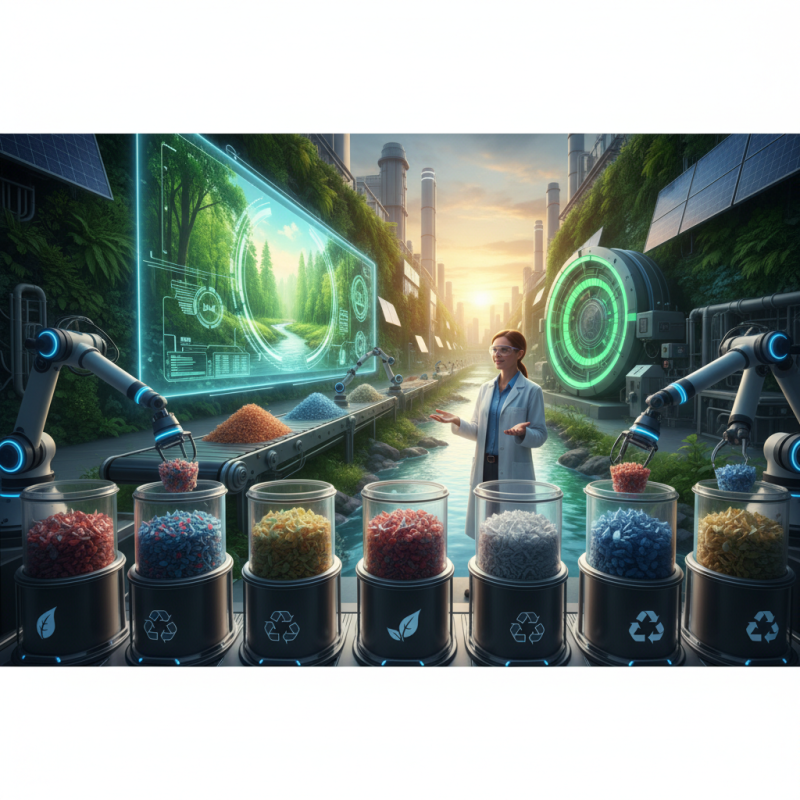
One promising development is the integration of automated sorting systems that separate strainer waste based on material composition. These systems utilize advanced sensors and machine learning algorithms to identify and categorize waste, making recycling more efficient. This not only minimizes the amount of waste sent to landfills but also promotes the recovery of valuable materials that can be repurposed in manufacturing processes. Furthermore, new bio-remediation technologies are being explored, allowing for the breakdown of organic waste components into harmless byproducts, reducing the ecological footprint associated with traditional disposal methods.
Additionally, the application of digital platforms for monitoring and data collection plays a crucial role in optimizing strainer waste management. By leveraging data analytics, industries can track waste generation patterns and devise strategies to minimize waste at source. This proactive approach not only enhances operational efficiency but also fosters a culture of sustainability within organizations. As these innovative technologies continue to evolve, they present a significant opportunity for industries to manage strainer waste more effectively and contribute to a cleaner and healthier environment.
Collaborating with Stakeholders for Sustainable Strainer Waste Solutions
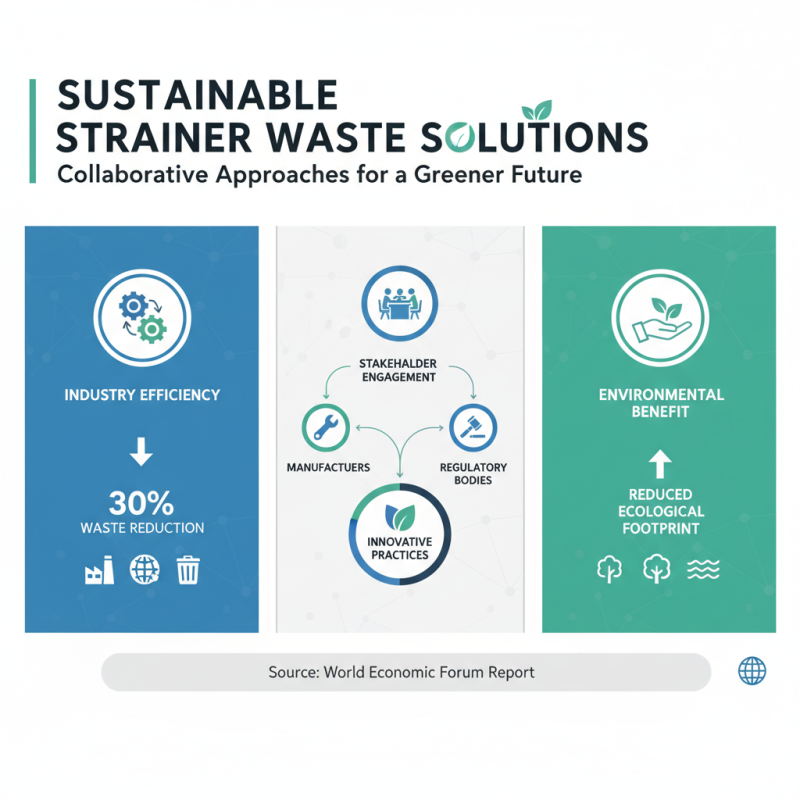
Collaborating with stakeholders is essential for developing sustainable strainer waste solutions that benefit both the environment and industry efficiency. According to a report by the World Economic Forum, waste management practices within industrial sectors can significantly reduce overall environmental impact, with an estimated 30% of waste being recyclable or reusable. Engaging stakeholders, including manufacturers, waste management companies, and regulatory bodies, allows for the sharing of best practices and innovative approaches to strainer waste management that minimize environmental footprints.
Incorporating stakeholder feedback not only enhances the effectiveness of waste management strategies but also promotes transparency and accountability. A study conducted by the Global Green Growth Institute showed that collaborative initiatives can lead to a 50% increase in recycling rates for industrial waste, significantly reducing the volume of materials sent to landfills. By fostering partnerships that prioritize sustainability, organizations can transform strainer waste into valuable resources, such as energy generation or raw materials for new products, thereby contributing to a circular economy. Effective communication and shared goals among all parties involved are pivotal in driving meaningful changes in waste management practices.
The Ultimate Guide to Choosing the Best Replacement Strainer Basket JN-1116 for Your Kitchen Needs
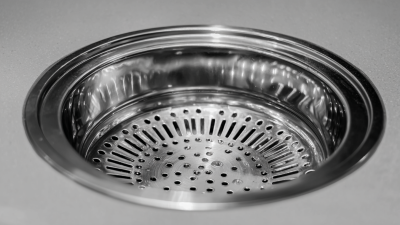
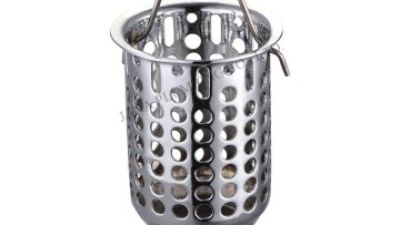
When it comes to maintaining a functional and efficient kitchen, selecting the right Replacement Strainer Basket is crucial. The Replacement Strainer Basket JN-1116 stands out as an excellent choice for anyone looking to enhance their kitchen setup. Specifically designed for compatibility with similar models, this strainer basket integrates seamlessly into your existing system, ensuring that your kitchen runs smoothly without any hiccups.
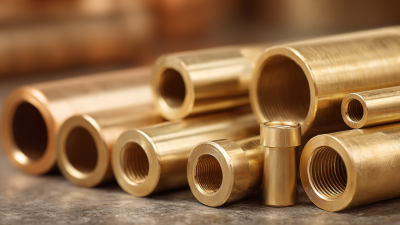
Crafted from high-quality chrome-plated brass, the JN-1116 isn’t just about looks; its durability and resistance to corrosion make it a trustworthy component in your kitchen. The precision engineering involved in its design guarantees a perfect fit, which is essential for optimal kitchen performance. Replacing worn-out components with this advanced strainer basket can lead to improved efficiency in your culinary tasks, making it a sensible investment for both professional chefs and home cooking enthusiasts alike.
In addition to functionality, the aesthetic appeal of chrome-plated brass adds a touch of elegance to any kitchen decor. The JN-1116 not only performs well but also enhances the overall visual appeal of your workspace. For those seeking a balance of quality, durability, and style in their kitchen equipment, the Replacement Strainer Basket JN-1116 is an ideal choice that meets various kitchen needs effectively.
FAQS
: Strainer waste is generated from various industrial processes and contains residues like metals, plastics, and potentially hazardous chemicals. It is a concern because if improperly managed, it can leach into soil and water systems, disrupting ecosystems and contaminating drinking water sources, leading to long-term environmental degradation and health risks.
Effective management can mitigate environmental impacts by implementing sustainable practices such as recycling programs and alternative waste disposal methods, which can minimize the environmental footprint of industrial operations and protect local ecosystems.
Approximately 75% of strainer waste is recyclable, yet a significant amount still ends up in landfills due to improper disposal methods.
Techniques such as color coding, categorizing waste, and using labeled bins with clear instructions can improve sorting. Additionally, employee training programs emphasizing proper disposal can enhance recycling efficiency.
Recycling strainer waste can lead to a reduction in greenhouse gas emissions by up to 60% compared to traditional disposal methods, promoting resource conservation and environmental protection.
Employee training programs focused on proper disposal significantly enhance recycling efficiency. Studies show that companies with comprehensive training saw a 30% increase in recycling rates among their staff.
Transitioning to sustainable practices is essential for reducing waste generation, promoting a cleaner environment, and fostering economic resilience within industries reliant on manufacturing processes.
Improper disposal can contaminate drinking water sources and disrupt local ecosystems, posing significant health risks for communities and leading to long-term environmental challenges.
Companies can minimize their strainer waste footprint by implementing effective sorting systems, adopting recycling practices, and promoting sustainable waste disposal methods.
Reports and guidelines from environmental agencies and industry associations provide valuable insights on best practices for managing strainer waste and transitioning to more sustainable operational methods.
Conclusion
Strainer waste poses significant environmental challenges due to its potential for pollution if improperly managed. Understanding the nature and impact of strainer waste is crucial, as it often results from industrial processes that can lead to harmful waste accumulation. Efficient management of strainer waste is essential to minimize its ecological footprint, and this can be achieved through various methods, including effective sorting, recycling techniques, and best disposal practices.
By implementing innovative technologies and fostering collaboration among stakeholders, industries can develop sustainable solutions for strainer waste management. Strategies for reducing strainer waste in industrial settings not only promote environmental stewardship but also enhance operational efficiency. Therefore, addressing strainer waste through comprehensive management approaches is vital for creating a cleaner environment and supporting sustainable practices across various sectors.