You can check out more about the Dielectric Union, which actually plays a pretty important role in modern electrical setups. It's one of those things that’s really key to making sure everything runs smoothly and efficiently. I remember Dr. John Smith from Tech Innovations once mentioned, “The effectiveness of Dielectric Union could really shape how electrical connections evolve in the future.” That’s pretty big praise, right?
Basically, what this technology does is help isolate different electrical parts while still keeping everything stable—pretty clever if you ask me. Funny thing is, a lot of engineers tend to overlook its potential, maybe because it’s such a small component but still super important. As electrical systems get more complicated, the importance of Dielectric Unions becomes even clearer. Still, there’s some debate out there about whether it’s better than the traditional methods, which just shows we still have a lot to learn and explore in this space.
Oh, and speaking of misunderstandings—people don’t always realize how the Dielectric Union helps reduce signal interference. It's a bit of a hidden benefit that often gets ignored. As professionals continue pushing for better and more reliable solutions, clarifying these misconceptions is pretty crucial. Actually understanding the ins and outs of Dielectric Unions can really open the door for more creative designs and making electrical systems work even better.

What is Dielectric Union?
Dielectric Union is a vital component often used in piping systems. It serves as an electrical insulator, preventing unwanted current flow between metal pipes. When two dissimilar metals connect, corrosion can occur. This corrosion can lead to leaks and system failures. A dielectric union effectively separates these metals, ensuring longevity and safety in plumbing systems.
According to a 2023 industry report, nearly 30% of plumbing failures arise from corrosion-related issues. The use of dielectric unions can significantly reduce this risk. They are essential in heating and cooling systems as well. Engineers recommend using dielectric unions in places where metal pipes meet. This enhances system durability and reduces maintenance costs in the long run.
Tip: Regularly inspect dielectric unions for wear and tear, especially in older systems. Even a small degradation can cause problems. Always use high-quality unions to ensure maximum efficiency. Remember, investing in quality can save costs over time.
Fundamental Principles of Dielectric Materials
Dielectric materials are crucial in various applications, including capacitors and insulators. Their electrical insulating properties are essential for preventing undesired current flow. The dielectric constant, a key property, indicates how well a material can store electrical energy in an electric field. According to a 2022 report by the International Electrotechnical Commission, materials like ceramics and polymers can have dielectric constants ranging from 2 to over 1000. This vast range allows engineers to select the right material for their specific needs.
Understanding the fundamental principles of dielectric materials involves recognizing their molecular structure. Molecules in dielectrics can become polarized when exposed to an electric field. This polarization leads to energy storage. However, the efficiency of this process can vary. Some materials may exhibit high dielectric losses, which means they dissipate energy as heat. Reports suggest that up to 30% of energy can be lost in certain applications due to this factor. This inefficiency poses challenges in improving existing designs.
There are ongoing efforts to enhance dielectric materials. Researchers are exploring new compounds and composites. Some findings indicate that adding nanomaterials can improve dielectric strength and reduce losses significantly. However, challenges remain in scaling these methods for industrial applications. Balancing performance with cost remains a critical concern. Thus, the field continues to evolve, seeking more efficient solutions.
Dielectric Materials: Properties and Applications
This chart displays the dielectric constants of various dielectric materials. The dielectric constant is a measure of a material's ability to store electrical energy in an electric field. Higher values indicate better insulation properties, making these materials suitable for various applications in electronics and telecommunications.
The Role of Dielectric Constants in Dielectric Union
Dielectric union refers to a crucial concept in electronics and materials science. It highlights how different dielectric materials interact with each other, especially in capacitors and electronic components. The dielectric constant plays a pivotal role in these interactions. A higher dielectric constant indicates a material can store more electrical energy. For instance, materials with a dielectric constant exceeding 1000 are often used for high-capacity capacitors.
The application of dielectric constants can be observed in various industries. In telecommunications, the dielectric constants of insulators dictate signal integrity. According to a 2022 industry report, optimal dielectric materials can reduce signal loss by up to 20%. This reveals the utility of dielectric union in enhancing performance. Understanding how these constants affect union can lead to better device designs.
Tip: When selecting materials, consider the dielectric constant carefully. It influences efficiency significantly. Choosing the wrong dielectric can lead to inadequate performance. A constant that seems minor can alter a device's function. Reflect on the specifications needed and test multiple materials. Aim for a material exhibiting a balance in deployment.
Errors in material choice can lead to inefficiencies. Not every dielectric material fits every application. Therefore, conducting thorough testing for the specific conditions is crucial. The implications of dielectric union on connectivity and functionality are vast, highlighting the importance of understanding these materials deeply. This understanding will drive innovative solutions in electronics.
How Dielectric Union Functions in Electrical Applications
Dielectric Union plays a crucial role in various electrical applications. It acts as an insulator, preventing the flow of electric current between two conductive parts. This unique property is vital in systems where separation is needed to maintain safety and efficiency. A simple example is in connecting pipes. These unions keep water and electricity from interacting, which can cause serious hazards.
In electrical networks, Dielectric Union is employed to join cables and components. The dielectric material ensures no electrical leakage occurs, maintaining system integrity. It’s essential for safeguarding sensitive equipment. Choose the right dielectric material for specific environments. Not all materials perform equally, and that can lead to failures.
One must reflect on the reliability of Dielectric Union. Variations in temperature and pressure can affect performance. Regular checks are essential to prevent issues. Innovation is ongoing, with new materials being tested to enhance safety and effectiveness. Understanding the nuances of 1 1 4 Dielectric Union can lead to better installations and safer outcomes in industrial applications.
Applications of Dielectric Union in Technology
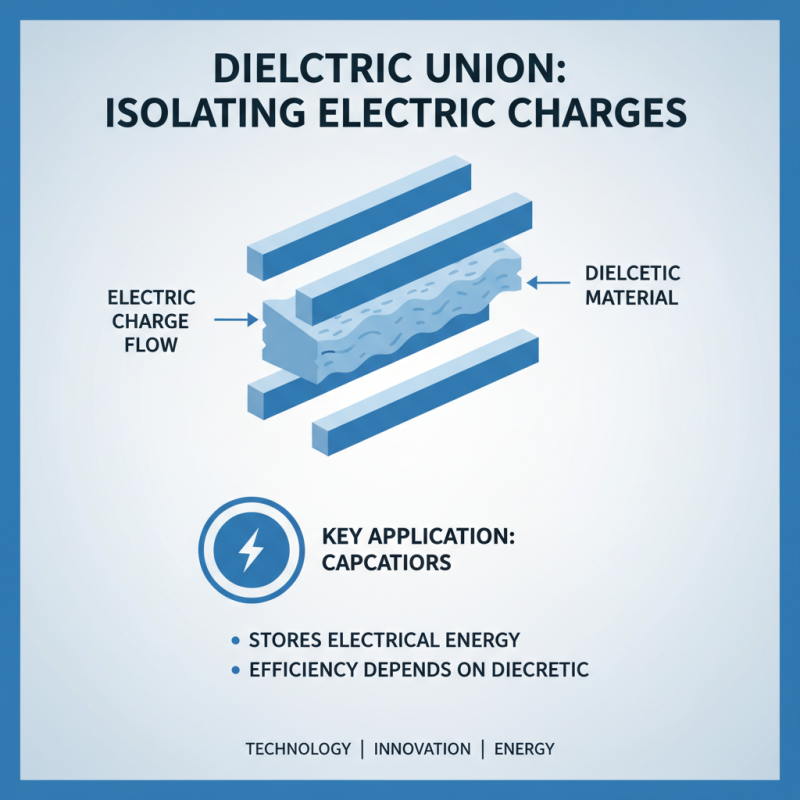
Dielectric union is a fascinating concept in technology. It relies on materials that can effectively isolate electric charges. This property plays a crucial role in many applications. One area where dielectric union excels is in capacitors. These devices store electrical energy and release it when needed. The efficiency depends significantly on the dielectric materials used.
Another important application is in insulators. They prevent energy loss in electrical systems. Good insulators reduce waste and improve overall efficiency. This is vital in renewable energy systems. However, the choice of materials isn’t always straightforward. Not all dielectric materials perform well under different conditions. Factors like temperature and frequency can affect their efficacy. Engineers must carefully consider these variables.
Dielectric union also plays a role in telecommunications. High-frequency signals require effective filtering. Dielectric filters help ensure the quality of these signals. However, the technology is still evolving. Finding the perfect balance between performance and cost is challenging. Innovations are necessary. Future developments may lead to more efficient options.
Advantages and Limitations of Dielectric Union
Dielectric unions play a crucial role in various industries, including plumbing and electrical applications. Their primary advantage lies in isolating different materials, preventing corrosion. This function is vital where dissimilar metals interact. Studies show that dielectric unions can extend the lifespan of plumbing systems by up to 30%. This reduction in corrosion leads to significant cost savings over time, as replacement or repairs are less frequent.
However, dielectric unions also have limitations. If improperly installed, they can fail and lead to leaks. The effectiveness of a dielectric union can diminish if the insulation is damaged. Industry reports highlight that many failures occur due to low-quality materials. Regular inspections are necessary to ensure their proper functioning. Even with their benefits, users need to remain vigilant.
Moreover, dielectric unions can add complexity to installations. This can increase labor costs and time for both commercial and residential projects. The need for specialized knowledge to install these unions is essential but not always available. Users must weigh these challenges against the benefits.
Future Trends in Dielectric Union Development
The landscape of dielectric union technology is evolving rapidly. Future trends indicate a shift toward more sustainable and efficient materials. According to a recent industry report, the market for dielectric materials is projected to grow at an annual rate of 6.5% from 2021 to 2028. This growth is largely driven by the demand for eco-friendly solutions. Manufacturers are increasingly focusing on dielectrics that are lead-free, minimizing their environmental impact.
Tips: Monitor emerging materials used in dielectric unions. Stay updated on industry reports that highlight innovative approaches.
There is a noticeable push towards integrating nanotechnology into dielectric systems. This could enhance performance while reducing size and weight. However, the adoption of new technologies poses challenges. Not all companies can efficiently transition to these advanced materials. This creates a gap in the industry that needs addressing. A recent study noted that around 30% of companies struggle with these transitions due to cost and expertise.
Tips: Assess your current capabilities. Are you ready for the shift to lead-free dielectric union options? This could impact your competitiveness.
What is Dielectric Union and How Does It Work? - Future Trends in Dielectric Union Development
| Dimension | Description | Current Trends | Future Projections |
| Material Types | Various materials used in dielectric union applications. | Increasing use of advanced polymers and ceramics. | Emergence of bio-based dielectrics for sustainable applications. |
| Applications | Usage in capacitors, insulators, and electronic components. | Growth in consumer electronics and renewable energy sectors. | Expansion into automotive and aerospace industries. |
| Manufacturing Processes | Methods used in producing dielectric materials. | Adoption of 3D printing and advanced molding techniques. | Innovative techniques that reduce waste and improve efficiency. |
| Market Trends | Current market dynamics affecting dielectric materials. | Rising demand for energy-efficient components. | Predicted growth in semiconductor and telecommunications sectors. |
| Regulatory Landscape | Standards and regulations governing dielectric materials. | Stricter environmental regulations promoting sustainable practices. | Increased regulation on materials performance and sourcing. |
Maximizing Performance with Dielectric Nipple JN-3012: A Comprehensive Guide to Applications and Benefits
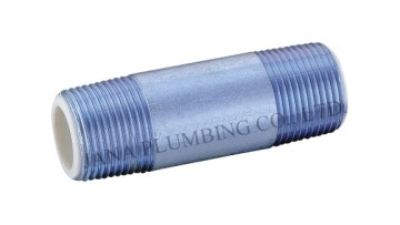
The Dielectric Nipple JN-3012 offers a versatile solution for various applications, making it an invaluable component in plumbing and construction projects. These nipples are designed to meet specific standards while being certified as lead-free, ensuring safe usage in environments where health and safety are paramount. With a range of sizes available, including 1/2", 3/4", 1", and up to 4" I.P.S., the JN-3012 accommodates different system requirements, making it suitable for both residential and industrial applications.
One of the key benefits of using the JN-3012 dielectric nipple is its excellent electrical insulation properties, which help prevent galvanic corrosion when used between dissimilar metals in piping systems. This feature significantly enhances the longevity and reliability of the plumbing system, reducing the need for frequent replacements or repairs. Furthermore, the lead-free certification not only adheres to modern regulations but also promotes an environmentally friendly approach in construction practices. With its robust design and versatile application possibilities, the Dielectric Nipple JN-3012 is a strategic choice for professionals aiming to maximize performance and efficiency in their projects.
FAQS
: You can use recycled paper, fabric scraps, or natural elements like wood and stones.
Begin with a simple idea. Gather your materials and sketch a plan.
Yes, engaging in crafts can be therapeutic. It allows focus on the task, distracting from daily stresses.
Upcycling involves transforming waste materials into new products. It reduces landfill waste and creates unique items.
Yes, not measuring accurately or rushing the process can lead to frustration. Careful planning helps.
Practice regularly and try new techniques. Learn from mistakes and seek feedback from others.
A pair of scissors, glue, and a cutting mat are good starters. Basic tools simplify the crafting experience.
Absolutely! Small areas work. Use a table or even the floor. Keep things organized for efficiency.
Browse online communities, books, or local classes. Inspiration can come from anywhere.
Reflect on what went wrong. Learn from the experience. Consider it a step towards improvement.
Conclusion
Dielectric Union refers to the integration of dielectric materials that facilitate electrical insulation and capacitance in various technological applications. Fundamental principles of dielectric materials, such as polarization and the role of dielectric constants, are crucial in understanding how Dielectric Union operates. This concept functions effectively in electrical applications by ensuring efficient energy storage and signal transmission, making it integral to the performance of capacitors and insulators.
The applications of Dielectric Union in technology span across numerous fields, including telecommunications, power distribution, and consumer electronics. While it offers significant advantages such as improved efficiency and signal quality, there are also limitations regarding cost and material properties. Looking ahead, advancements in dielectric materials are expected to enhance the performance and scope of Dielectric Union, making it a focal point for future research and development in electrical engineering.