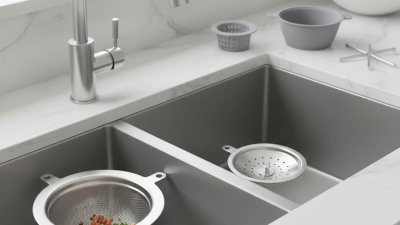
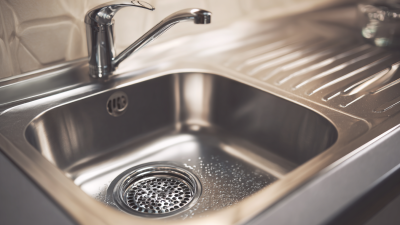
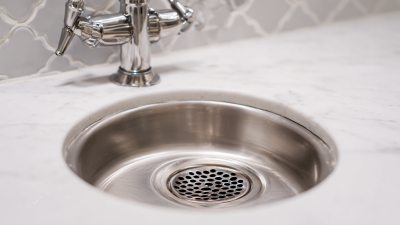
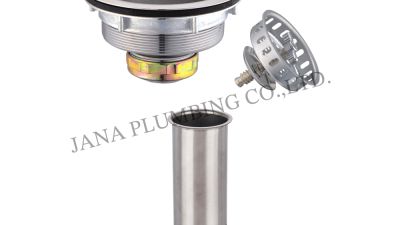
Picking the right Kitchen Sink Strainer from China isn’t just about who’s cheapest. The thing has to actually fit your drain opening, hold up against corrosion, and deal with everyday food scraps. Even a small mismatch can mean leaks, slow drainage, or sending stuff back again and again. So measure your sink before you start emailing suppliers. Write down the drain diameter, basket depth, flange size, and how it gets installed.
Most experienced buyers look at stainless steel grade, surface finish, filter-hole design, and the quality of the rubber seal. Stainless steel 304 is often the go-to for tough kitchen environments. But don’t just take a supplier’s word for it—check product documents and inspect samples. Ask for clear drawings, production photos, packaging details, and test info. A reliable factory should be able to explain its process without dodging the practical questions. And it should give you consistent samples before mass production starts.
Verifying the supplier matters just as much as picking the product. Look at factory experience, export records, how fast they communicate, and their QC procedures. Request a pre-production sample and check the edges, welds, threads, and how the basket moves. Test it with running water and common food bits. Real use shows weaknesses that photos never will. Low pricing can be tempting, but sometimes it means thinner metal or weaker seals. No checklist is perfect. I’ve seen shiny samples fail after rough packaging and a long trip. So get carton strength, protective wrapping, inspection responsibility, and replacement terms confirmed in writing. In the end, a good decision comes down to fit, durability, evidence, and communication you can count on.
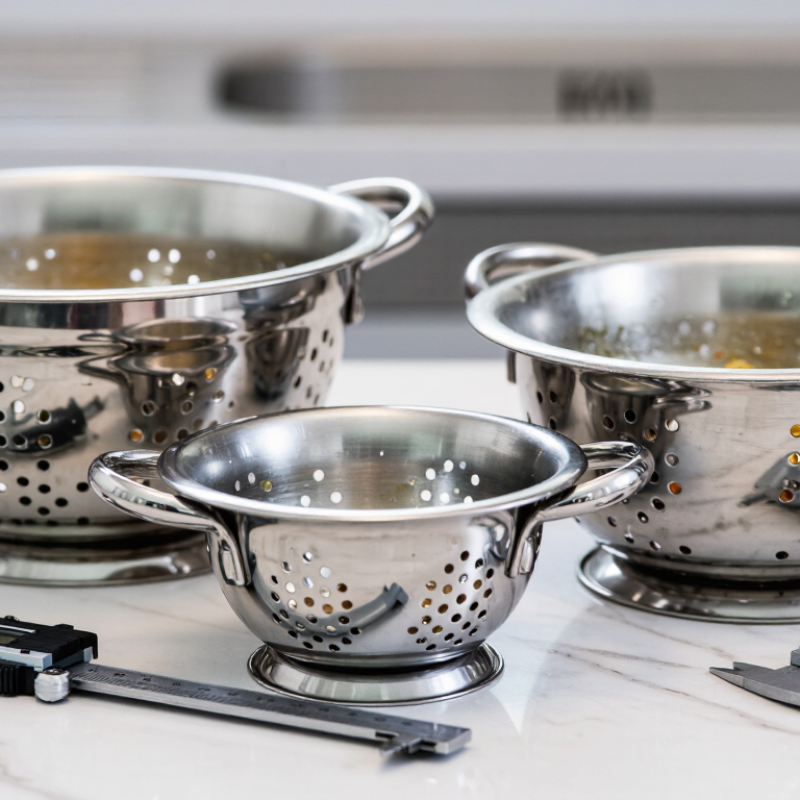
A Kitchen Sink Strainer is a small fitting installed over the drain opening. It catches food scraps, peels, and other debris before they enter the waste pipe. Most models include a perforated basket, a rim, and a sealing surface. Some also have a removable stopper.
Its operation is simple. Water passes through the holes, while larger particles remain inside the basket. When the basket fills, you lift it out and empty it. This basic action can reduce blockages and unpleasant odors. However, a strainer cannot replace regular cleaning. Grease may still collect beneath the basket.
When choosing a kitchen sink strainer from China, measure the drain opening carefully. Check the diameter, basket depth, thread size, and sealing method. Stainless steel usually offers good corrosion resistance and a firm surface. Plastic can reduce weight and cost, but its durability depends on the material grade. Ask for material details, dimensional drawings, and sample inspections. Do not trust appearance alone. A polished rim may hide poor threading or a weak gasket. In practical checks, I would test drainage, remove the basket repeatedly, and inspect the seal for leaks. Small differences matter. A slightly loose fit can cause water marks under the sink. I would also question vague claims about “universal” compatibility. It sounds convenient, but it is not always accurate.
What Is a Kitchen Sink Strainer and How Does It Work?
How it works: A kitchen sink strainer sits inside the drain opening. Its perforated basket allows water to pass through while catching food particles and debris. The removable basket can then be lifted out for cleaning.
Selection guidance: The most common kitchen sink drain opening is approximately 89 mm, while a compatible flange is often around 114 mm. Basket depth and perforation size affect capacity, drainage speed, and how effectively food waste is intercepted.
The chart shows common reference dimensions in millimetres. Actual dimensions vary by sink design, so always verify the sink opening, flange size, basket depth, material, and connection type before purchasing.
When choosing a Kitchen Sink Net Strainer from China, material should guide the decision. Stainless steel 304 is a practical baseline for most household kitchens. It contains roughly 18% chromium and resists everyday moisture, food acids, and light scratching. Stainless Steel 316 adds molybdenum, improving resistance in coastal areas or homes using salty water.
The International Stainless Steel Forum reported global stainless steel production of about 58.4 million tonnes in 2023. That scale supports stainless steel’s established industrial use, but volume alone does not guarantee quality.
Ask suppliers for material certificates, thickness data, and corrosion-test records. Inspect the basket closely. A smooth underside traps less grease than sharp stamped edges.
I once handled a strainer with attractive polishing but a weak welded joint. It looked reliable. It was not.
Silicone is usually best for the sealing gasket, not the entire strainer basket. It stays flexible through repeated hot-water exposure and can reduce leaks around the drain. The gasket should fit tightly without stretching. Test the fit.
For brass or plated steel, request coating thickness and salt-spray results, because damaged plating may expose weaker metal. Reports from the Nickel Institute and ISSF consistently emphasize alloy composition and surface condition as key factors in corrosion performance. Still, laboratory data cannot replace a physical sample inspection. Check the drain opening, stopper movement, and edge finish before placing a large order.
Choosing the right strainer size starts with the sink opening, not the bowl’s visible width. Measure the hole from underneath the sink. Most standard kitchen drains use a 3.5-inch opening, while many bar sinks use smaller fittings. Chinese suppliers may list 90 mm or 110 mm sizes, so convert carefully before ordering. A few millimeters can cause leakage.
Check the drain connection next. A Kitchen Strainer commonly connects to a nominal 1.5-inch waste pipe, but the pipe thread and flange depth must also match. Compare the gasket thickness, locknut clearance, and basket depth with your cabinet space. If a disposal unit is installed, choose a compatible flange rather than a simple basket strainer. ASME A112.18.2 and CSA B125.2 cover plumbing waste fittings, so ask suppliers for test documentation when applicable.
Houzz’s 2024 U.S. Kitchen Trends Study collected responses from more than 1,500 renovating homeowners, showing how frequently sinks are reconsidered during kitchen upgrades. Freedonia’s Kitchen and Bath Fixtures research also identifies replacement remodeling as a major demand area. These reports support checking fit before appearance. In my own sourcing experience, polished finishes attract attention, but an incorrect drain diameter creates the real problem. I still measure twice. A Gold Kitchen Sink Strainer may look suitable, yet its underside flange can sit too low for a shallow cabinet. Request a dimensional drawing, installation photos, and a sample when the order is large.
Choosing a kitchen sink strainer from China starts with your daily washing habits. A deep basket suits families who rinse vegetables and handle bulky cookware. A shallow basket drains quickly but may hold less food waste. Measure your sink opening carefully. A few millimeters can cause leaks or poor fitting.
For frequent cooking, Kitchen Sink Grid Strainer with a removable basket offers practical control. The grid catches larger scraps before they enter the pipe. Look for 304 stainless steel, smooth welds, and a firm sealing ring. These details reduce rust risk and simplify cleaning. If you wash greasy pans, choose a wider perforation pattern. Very small holes can clog faster. I prefer a strainer with an accessible center cup. It is easier to empty without touching wet waste.
Noise and maintenance also matter. A thicker metal body usually feels steadier under running water. A silicone gasket can improve sealing, but it should remain flexible after repeated washing. Ask suppliers in China for exact dimensions, material details, drainage tests, and close-up product photos. Do not rely only on polished catalog images. I once focused too much on appearance and overlooked the basket depth. That mistake made cleaning annoying. A design can look excellent and still mismatch your sink, cookware, or cleaning routine.
Choosing a Kitchen Sink Strainer Basket from China requires more than comparing online prices. Evaluate the manufacturer before judging the product. Ask for business licenses, production photos, material certificates, and recent inspection records. A reliable factory should explain its process clearly, from stamping the basket to polishing the rim. Vague answers deserve caution.
Request a sample before placing a large order. Check the basket’s diameter, drain-hole pattern, edge smoothness, and fit inside your sink. For stainless steel models, verify the stated grade through supplier documents or independent testing. Press the basket gently. It should not flex easily. Pour water through it and inspect the seal after several minutes. Packaging also matters because thin cartons can cause bent edges during shipping. A low quotation may hide weaker steel or inconsistent dimensions. I still treat polished surfaces cautiously; appearance alone proves little. No checklist catches everything.
Tips: Compare two samples from different production batches. Measure both with a ruler. Ask how defective units are recorded and replaced. Confirm inspection points before production, not only after packing. Video calls can reveal useful details, but they cannot replace independent quality checks. If communication becomes rushed, pause and ask clearer questions. The best supplier is not always the cheapest. It is the one that documents claims, accepts reasonable inspection, and improves when problems appear.
How to Choose the Best Kitchen Sink Strainer from China?
When sourcing a kitchen sink strainer from China, check standards for your target market. Do not rely on a certificate image alone. Ask for the certificate number, issuing laboratory, test date, product model, and certification scope. The details matter.
For food-contact claims, review relevant FDA requirements, EU Regulation (EC) No. 1935/2004, or Germany’s LFGB testing, depending on where you sell. These requirements may cover stainless steel, coatings, plastics, or rubber seals. Request material reports showing grades such as 304 or 316 stainless steel. A vague phrase like “food safe” is not enough. It sounds reassuring, but proves little.
For plumbing performance, check standards such as EN 274 in applicable European markets. North American buyers may review ASME A112.18.2 or CSA B125.2 requirements for waste fittings. Confirm that the test report covers the actual strainer size and design. A factory’s ISO 9001 certificate shows a quality system, not automatic product compliance. That distinction is often missed.
I would also request corrosion testing, dimensional inspection, leakage results, and batch traceability records. Inspect the mesh, flange, gasket, and underside finish. Small burrs can trap food and damage seals. Ask whether testing used production samples, not laboratory prototypes. Certificates can expire, change scope, or belong to another supplier. I have seen paperwork look complete while the model number was wrong. That is a warning sign. A careful supplier should explain every document clearly.
| Certification or Standard | Region or Market | What It Covers | Documents or Evidence to Request | Key Points to Verify for a Sink Strainer | Priority |
|---|---|---|---|---|---|
| GB 4806.1-2016 | China | General safety requirements for food-contact materials and articles. | Declaration of compliance, accredited laboratory test report, material and manufacturing information. | Confirm that the product is intended for food contact and that the test report identifies the same material, finish, and product construction. | Essential for China |
| GB 4806.9-2016 | China | Metal materials and articles intended to come into contact with food. | Metal composition report, migration test report, and declaration of compliance. | Check the stainless-steel grade, restricted-metal migration results, surface treatment, and whether the report covers the complete finished article. | Essential for China |
| Regulation (EC) No. 1935/2004 | European Union | General framework for materials and articles that contact food. | EU declaration of compliance, traceability information, test reports, and supporting technical documentation. | The product must not release substances that endanger health, cause unacceptable changes to food, or adversely affect taste or smell. | Essential for EU sales |
| Commission Regulation (EC) No. 2023/2006 | European Union | Good Manufacturing Practice requirements for food-contact materials. | Quality-management procedures, production controls, traceability records, and change-control records. | Verify that the factory controls raw materials, cleaning, forming, polishing, packaging, and changes to the product specification. | Essential for EU supply |
| Regulation (EU) No. 10/2011 | European Union | Plastic materials and articles intended to contact food. | Plastic-specific declaration of compliance, composition information, and migration test report. | Relevant to plastic baskets, gaskets, seals, or other polymer parts. The test report should match the polymer type, food-contact conditions, and intended use. | Required when plastic is used |
| FDA Title 21 CFR, Applicable Material Sections | United States | U.S. requirements for substances and materials used in food-contact articles. | Material compliance statement, supplier declarations, composition details, and laboratory test results where applicable. | There is no single universal FDA certificate for every sink strainer. Confirm the exact applicable section for stainless steel, plastics, elastomers, coatings, or adhesives. | Essential for U.S. sales |
| NSF/ANSI 51 | North America and international commercial food equipment markets | Materials and finishes used in commercial food equipment. | Valid certification or listing from an accepted conformity-assessment body, plus the certified product scope. | Useful for commercial kitchens and food-service applications. Confirm that the exact sink strainer model and materials are included in the certification scope. | Recommended for commercial use |
| German LFGB Food-Contact Testing | Germany and selected European buyers | German food-contact safety requirements, commonly used as an additional buyer specification. | Independent LFGB test report covering the finished product and all food-contact components. | Check whether the report covers the metal, gasket, plastic parts, coatings, odor, taste, and migration performance rather than only the raw material. | Buyer-dependent |
| REACH Regulation (EC) No. 1907/2006 | European Union | Control of chemical substances, including substances of very high concern. | REACH declaration, material disclosure, SVHC screening report, and supply-chain statements. | REACH is not a food-contact certification. Use it to assess restricted substances in metal, plastic, rubber, plating, coatings, and packaging. | Recommended for EU compliance |
| RoHS Directive 2011/65/EU | European Union and some export markets | Restriction of hazardous substances in electrical and electronic equipment. | RoHS declaration and test report, when the product falls within the scope of electrical or electronic equipment. | Usually not applicable to a standard manual sink strainer. Consider it only if the product includes electronic sensors, powered components, or other electrical functions. | Only if applicable |
| ISO 9001 | International | Quality-management system certification for an organization. | Current certificate showing the legal manufacturing site, certification scope, issuing body, and validity period. | ISO 9001 does not prove food-contact compliance or product safety. Use it as evidence of process control, not as a substitute for product testing. | Supporting evidence |
| Material Grade and Traceability Verification | All markets | Confirmation that the supplied metal and non-metal components match the approved specification. | Mill test certificate, material composition report, batch records, supplier declarations, and production traceability records. | For stainless steel, verify the declared grade, such as 304 or 316, using heat-number or batch-level documentation where possible. Do not rely only on a product label. | Strongly recommended |
| Finished-Product Performance Inspection | All markets | Functional quality and durability of the completed sink strainer. | Pre-shipment inspection report, dimensional drawings, inspection checklist, and product samples. | Inspect dimensional fit, drain-hole alignment, basket retention, burrs, sharp edges, weld quality, polishing, corrosion resistance, leakage, and compatibility with the specified drain opening. | Strongly recommended |
How to Choose the Best Kitchen Sink Strainer from China?
Price comparison should begin with a complete landed-cost sheet, not the factory quotation alone. Check unit price, mold fees, sample charges, packaging, inspection, insurance, duties, and inland delivery. A low price can hide thin metal or weak welding. For stainless steel strainers, confirm grade, thickness, basket diameter, and drain compatibility. Request three comparable quotations. Otherwise, the comparison is misleading.
Customization affects both cost and timing. Ask whether engraving, color coating, special mesh size, or private packaging requires new tooling. Confirm the minimum order quantity and sample approval process in writing. I have seen buyers focus on a logo while ignoring the basket’s actual fit. That mistake becomes expensive. A practical test includes water flow, edge sharpness, corrosion resistance, and repeated removal.
Shipping terms deserve equal attention. UNCTAD reports that maritime transport carries over 80% of global merchandise trade by volume, so delays can disrupt even small hardware orders. Compare FOB, CIF, and DDP carefully, because responsibility changes at each point. The World Bank’s 2023 Logistics Performance Index placed China 19th overall, but supplier-level execution still varies. Request carton dimensions, gross weight, loading port, transit estimate, and a clear delay procedure. Sea freight is cheaper, not always faster. Quote validity also matters, since freight and metal costs can move before production starts.
The Spin & Lock Sink Strainer JN-1003-T reflects the growing demand for practical, hygienic, and easy-to-install kitchen fittings highlighted in recent Grand View Research and Fortune Business Insights reports. As consumers increasingly value convenience, durability, and efficient use of household space, sink accessories are evolving beyond basic drainage functions. This model combines a strainer and tailpiece with an innovative spin-lock mechanism, allowing it to attach securely to most standard-sized kitchen sinks while helping reduce the risk of accidental detachment during daily use.
Designed for modern kitchen routines, the JN-1003-T supports cleaner and more organized sink maintenance. Its secure connection helps keep the strainer properly positioned, while the filtering function assists in preventing food particles and debris from entering the drainage system. The cUPC certification also provides an added indication of conformity with recognized plumbing performance and safety requirements. With its straightforward operation, stable fit, and user-focused design, the Spin & Lock Sink Strainer JN-1003-T is suitable for residential kitchens, renovation projects, and plumbing applications where reliable installation and everyday cleanliness are priorities.
It sits over the drain opening and catches food scraps, peels, and other debris. Water passes through its holes. Larger particles remain in the basket. Empty the basket when it fills. This simple step can reduce blockages and odors.
No. Grease can collect beneath the basket and inside the waste pipe. Regular cleaning remains necessary. A strainer helps, but it is not a complete solution. I would remove it weekly and wash the underside carefully.
Measure the drain opening, basket diameter, basket depth, thread size, and sealing surface. Check the gasket shape too. A slightly loose fit may leave water marks under the sink. “Universal” compatibility can sound convenient, but it is not always accurate.
Stainless steel usually provides good corrosion resistance and a firm surface. Plastic can lower weight and cost. Its durability depends on the material grade. Ask for material reports, not only attractive product photos.
Request material reports, dimensional drawings, test reports, and sample inspection records. For compliance claims, check the certificate number, test date, product model, and scope. Confirm that documents match the actual strainer. Paperwork can look complete while the model number is wrong.
Run water through the strainer and watch the drainage speed. Remove and reinstall the basket repeatedly. Inspect the gasket for leaks and the rim for sharp edges. Check the underside finish. Small burrs may trap food or damage the seal.
Build a complete cost sheet. Include the unit price, tooling, samples, packaging, inspection, insurance, duties, and inland delivery. Compare similar metal grades, thicknesses, sizes, and fittings. A low quotation may hide thin metal or weak welding.
Ask whether engraving, coating, special mesh sizes, or private packaging need new tooling. Confirm minimum order quantities and sample approval in writing. Request carton dimensions, gross weight, loading port, transit estimate, and delay procedures. Sea freight costs less, but it may take longer. I would not judge a supplier from one quotation alone.
Choosing the right Kitchen Sink Strainer involves more than selecting a simple drain accessory. First, understand how it filters food particles while allowing water to flow smoothly, then consider durable materials such as stainless steel, which resist rust, stains, and daily wear. Accurate measurements are essential, including the drain opening, flange diameter, basket depth, and compatibility with the existing plumbing. Design choices should match your kitchen habits, whether you need a removable basket, a deeper filter, an easy-clean surface, or a secure seal.
When sourcing from China, evaluate manufacturers by reviewing production experience, material consistency, quality-control procedures, sample performance, and communication efficiency. Check relevant product certifications, testing reports, and manufacturing standards appropriate to your market. Finally, compare total costs rather than unit prices alone, including customization, packaging, minimum order quantities, payment terms, lead times, and shipping arrangements. A reliable supplier should provide clear specifications and stable support from sampling through delivery.