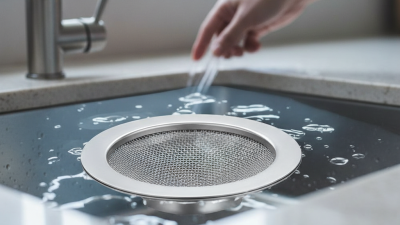
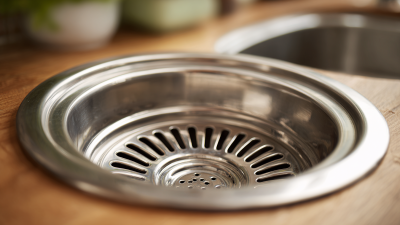
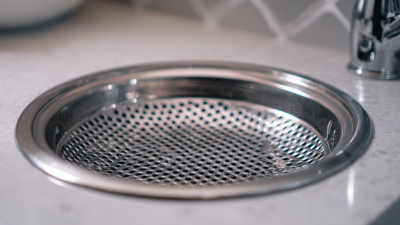
Choosing the right Kitchen Sink Screenfor your home is honestly pretty important if you want to keep things clean and running smoothly. Did you know that, according to a recent report from the Home Improvement Research Institute (HIRI), about 70% of homeowners deal with clogging issues caused by debris? That really shows just how crucial picking the right sink accessory is. Sarah Thompson, a plumbing expert from CleanFlow Solutions, puts it nicely: "A good quality Kitchen Sink Screen not only helps stop clogs but also helps your plumbing last longer."
Figuring out which sink screen is the best fit isn’t always straightforward. You’ve got to think about things like size, what it’s made of, and how easy it is to clean. Stainless steel screens are super durable, while silicone ones tend to be more flexible and easier to handle. Plus, a lot of folks are going for more eco-friendly options these days, so many products now focus on being sustainable. But, not all screens work perfectly for every sink. Some people get frustrated because certain screens don’t stick well or fit just right. Striking that balance between how it looks and how well it works can sometimes be tricky.
Research even shows that using a good sink screen can cut down drain-cleaning needs by up to half! So, it’s worth taking your time and weighing your options. At the end of the day, choosing the right one not only protects your plumbing but also helps keep your kitchen clutter-free and running smoothly.
Understanding the Purpose of Kitchen Sink Screens
Kitchen sink screens are essential for maintaining a clean and efficient kitchen. They catch food particles and debris, preventing blockages in your plumbing. This simple device can save you from costly repairs. Many homeowners overlook its importance, often relying solely on disposals or dish filtration systems.
Understanding the function of a Kitchen Sink Drain Screen is crucial. It acts as a barrier against unwanted materials that could clog your pipes. Without it, small bits of food can accumulate. This leads to buildup and potentially expensive plumbing issues. Choosing the right size and type for your sink is essential. Not all screens fit all sinks, and an incorrect choice may leave openings for debris.
When selecting a Kitchen Sink Drain Screen, consider the material.Metal screens are durable, while plastic ones are lightweight. Ensure it’s easy to clean. If you find a screen that doesn't catch everything, it’s time to reflect on its effectiveness. Some designs trap more debris than others. A well-chosen sink screen can enhance your kitchen's hygiene and functionality.
Types of Kitchen Sink Screens Available
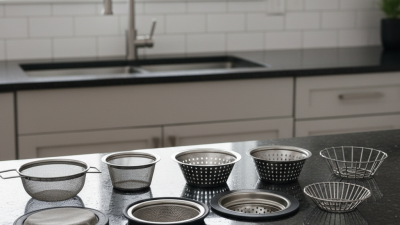
When selecting the best kitchen sink screen, it's essential to understand the different types available. The market offers various options, including mesh screens, silicone Sink Strainers, and stainless steel filters. Each type comes with unique features that affect their performance and maintenance.
Mesh screens are commonly made from fine materials that catch small food particles. They are easy to clean but can stain over time. In contrast, silicone sink strainers offer flexibility and can be molded to fit different sink sizes. They are generally dishwasher safe, making cleanup a breeze.
Stainless steel filters stand out for their durability and stylish appearance. They are resistant to rust and build-up, but they may require more frequent cleaning compared to other options.
Tips: When choosing a kitchen sink screen, consider the frequency of use. A high-traffic kitchen may benefit from a more durable option. Space is also a factor; ensure the screen fits your sink properly. Keep in mind that no screen is foolproof; occasional blockages can still occur. So, regular maintenance is crucial to avoid plumbing issues.
Factors to Consider When Choosing a Sink Screen
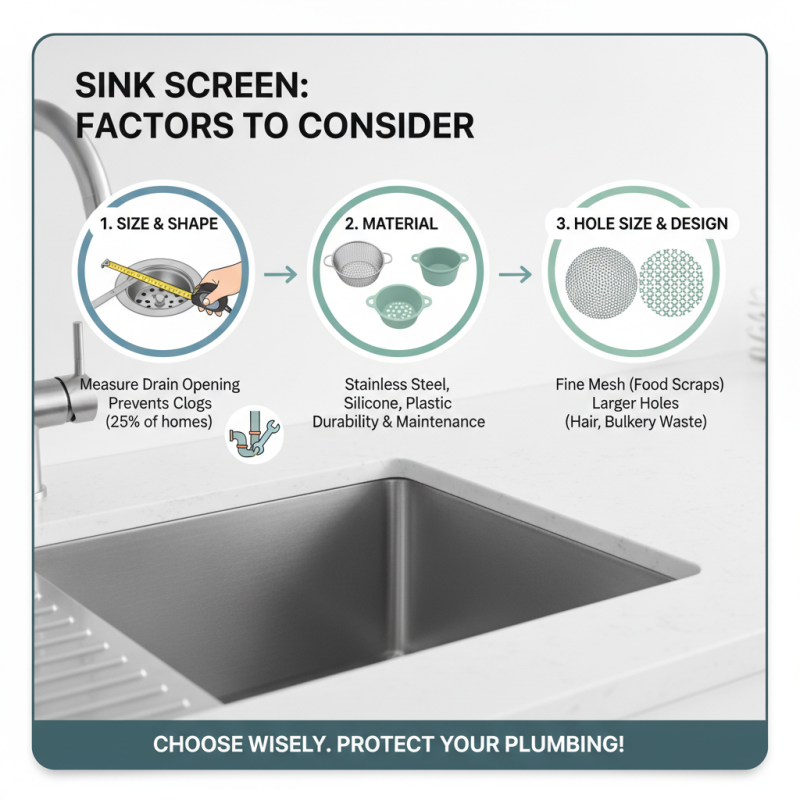
Choosing the right kitchen sink screen involves understanding specific factors that impact functionality and convenience. The size and shape of the sink should be your starting point. A well-fitting screen prevents debris from clogging your plumbing, a common issue reported in 25% of households according to a 2022 plumbing study. Measure the sink's drain opening before purchasing to ensure a proper fit.
Material is another crucial consideration. Stainless steel screens are often preferred for their durability and corrosion resistance. A survey from the Home Improvement Research Institute indicates that over 70% of homeowners favor stainless steel options. Additionally, consider the mesh size of the screen. Finer mesh can catch smaller particles but may require more frequent cleaning. Regular maintenance is essential, as 45% of sink screens can become less effective over time if not cleaned properly.
Aesthetic appeal shouldn't be overlooked. Your kitchen sink screen should complement existing decor. Some appear too industrial, while others may fit seamlessly with a modern or traditional design. It's worth reflecting on how a screen’s look can affect your kitchen’s overall ambiance. Balancing practicality with style can enhance your space and make daily tasks easier.
Material Options for Kitchen Sink Screens
When selecting a kitchen sink screen, material plays a crucial role. Common options include stainless steel, nylon, and silicone. Stainless steel screens offer durability. They resist rust and wear, making them ideal for busy kitchens. However, they may not fit all sink shapes perfectly. A snug fit is essential to prevent debris from slipping through.
Nylon screens are lightweight and easy to clean. They catch food particles efficiently. Yet, their longevity is less than that of stainless steel. Over time, they can stretch or tear. If frequent replacements concern you, weigh this option carefully.
Silicone is a great choice for those who prioritize flexibility. These screens can easily adapt to various sink sizes. They are also dishwasher-safe, simplifying maintenance. However, silicone may not catch smaller particles as effectively. Consider the type of food waste your sink typically handles. This will guide your material choice.
Tips: Always measure your sink before buying a screen. A precise fit enhances effectiveness. Cleaning frequency is essential, too. Regular maintenance prolongs the lifespan of any screen.
Sizing Your Sink Screen for Optimal Fit
Choosing the right size for your sink screen is essential for effective drainage and cleanliness in your kitchen. A well-fitting drain screen can prevent food scraps and debris from clogging your pipes. According to a study by the National Sanitation Foundation, improper sizing of drain screens is one of the leading causes of plumbing issues in homes, affecting around 30% of households annually.
To measure your sink for a drain screen, start by noting the dimensions of your sink's drain opening. Use a simple tape measure to get the diameter accurately. Ideally, a screen should cover the drain and fit snugly without being too tight. Experts recommend selecting a screen that is about 0.5 inches larger than the drain's diameter for optimal fit. This extra space helps accommodate any variations in sink design, which can lead to loose or ineffective screens.
Even with the right measurements, there are common pitfalls. Many homeowners overlook the screen's mesh size. A screen with too large of a mesh can let smaller food particles slip through. Conversely, a very fine mesh might clog quickly and require frequent cleaning. It's essential to find that balance, ensuring your Drain Screen For Kitchen Sink captures debris while allowing for easy water flow.
Choosing the Right Kitchen Sink Screen Size
Installation Tips for Your Kitchen Sink Screen
When installing a kitchen sink screen, proper preparation is key. Measure your sink's drain opening carefully. The right fit ensures minimal clogging and easy maintenance. Consider the type of material. Stainless steel is durable, while silicone offers flexibility. Both options have their merits. A good Kitchen Drain Screen should handle food scraps effectively without getting stuck.
Installation is straightforward, but attention to detail matters. Clean the area around the drain before placing the screen. A clean surface helps secure the kitchen drain screen and prevents unwanted debris buildup. Press down gently to ensure a snug fit. If your screen has a handle, position it for easy access. This can make removal and cleaning much simpler.
After installation, check for any gaps. A poorly fitted kitchen drain screen can allow larger particles to pass through, leading to clogs. Regular maintenance is necessary, even if it seems tedious. Remove, clean, and dry your screen weekly to avoid odors and buildup. Each step is vital for a smoothly functioning drain. While the process may seem simple, taking the time to do it right enhances the kitchen's efficiency.
Maintenance Practices for Longevity of Sink Screens
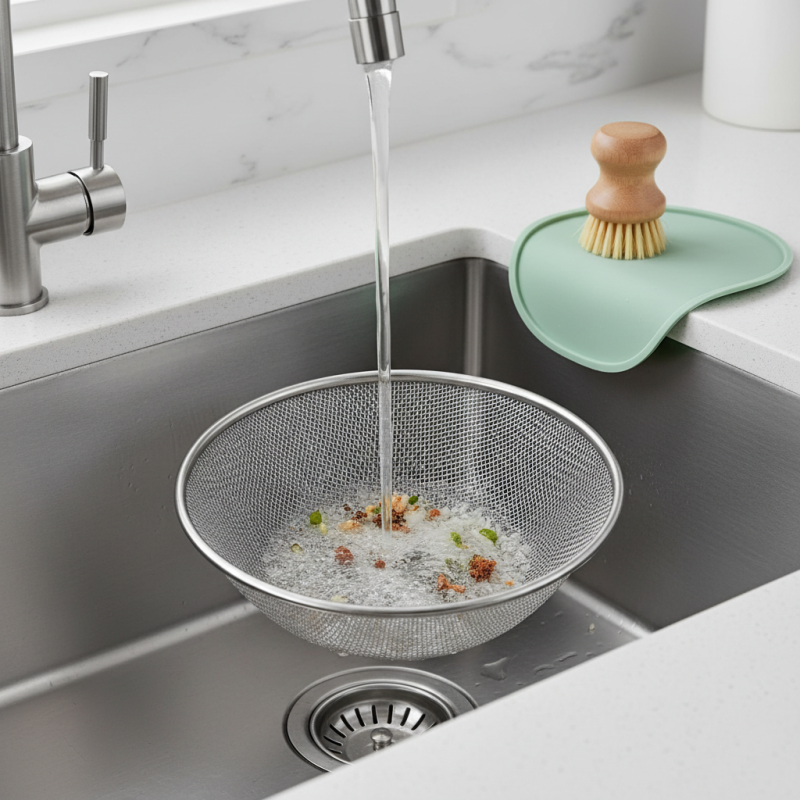
Maintaining a kitchen sink screen is essential for its longevity. Regular cleaning prevents buildup that can lead to clogs. Simply rinse the screen with hot water after each use. For deeper cleaning, soak it in vinegar and baking soda. This combination breaks down grease and grime effectively.
Inspecting your sink screen every month is also important. Look for any signs of wear or damage. A torn screen can let food debris slip through, leading to issues in your plumbing. If you notice a problem, consider replacing the screen. Using a high-quality screen designed for durability will pay off in the long run.
In addition to maintenance, think about the materials of your sink screen. Stainless steel screens resist rust and are easier to clean. However, cheaper options may degrade faster. Balancing cost and quality is essential when selecting a sink screen for your kitchen. Even a well-maintained Bathroom Sink Drain Screen can fail if it's made of inferior materials. Prioritize quality to avoid future headaches.
How to Choose the Best Kitchen Sink Screen for Your Home? - Maintenance Practices for Longevity of Sink Screens
| Screen Type | Material | Size | Ease of Cleaning | Durability | Price Range |
| Mesh Screen | Stainless Steel | Small, Medium, Large | Easy | High | $10 - $30 |
| Plastic Screen | Plastic | Small, Medium | Moderate | Medium | $5 - $15 |
| Silicone Screen | Silicone | Flexible Size | Very Easy | High | $10 - $25 |
| Dual-Layer Screen | Stainless Steel & Plastic | Medium, Large | Easy | Very High | $15 - $40 |
Maximizing Kitchen Efficiency: The Benefits of the Quick-Connect Sink Strainer with Tailpiece JN-1011-1-T
In contemporary kitchen design and functionality, maximizing efficiency is paramount. One essential component in achieving a streamlined kitchen experience is the sink strainer, particularly the Quick-Connect Sink Strainer with Tailpiece model JN-1011-1-T. This innovative product is designed for effortless installation, allowing homeowners to save valuable time during kitchen setups and renovations. According to industry reports, an efficient kitchen can improve meal preparation time by up to 30%, making it a significant factor for busy households.
The Quick-Connect design of the JN-1011-1-T model ensures a snap-in installation process, eliminating the need for complex tools or extensive plumbing knowledge. This not only reduces installation time but also minimizes potential errors that can lead to leaks or drainage issues, which are common pitfalls in traditional systems. A study from the National Kitchen and Bath Association indicates that over 60% of homeowners seek solutions that enhance efficiency and reduce maintenance hassles in the kitchen, underscoring the growing demand for user-friendly fixtures.
Additionally, the cUPC certification guarantees that the Quick-Connect Sink Strainer with Tailpiece adheres to the highest standards of quality and safety. This level of certification is crucial in the current market landscape, where consumers are increasingly aware of and concerned about product reliability. As kitchens evolve into multifunctional spaces, investing in efficient and robust components like the JN-1011-1-T becomes a key strategy for optimizing overall kitchen performance and reducing the likelihood of costly repairs down the line.
FAQS
: They catch food particles and debris, preventing plumbing blockages and costly repairs.
Small bits of food can accumulate, leading to buildup and expensive plumbing issues.
Measure your sink's drain opening and choose a screen that fits snugly but not too tight.
Common materials include stainless steel, nylon, and silicone, each with pros and cons.
Yes, nylon is lightweight but typically has a shorter lifespan and may stretch or tear.
Yes, regular cleaning extends the lifespan and effectiveness of any type of sink screen.
Absolutely. Too large a mesh lets food slip through, while a fine mesh clogs easily.
Reflect on its design. A poorly designed screen may not be effective for your specific waste.
A screen should ideally be about 0.5 inches larger than the drain's diameter for a good fit.
Silicone is flexible and adapts to many sizes, but it may not catch all smaller particles effectively.
Conclusion
When selecting the best Kitchen Sink Screen for your home, it's crucial to understand its purpose, which is to prevent debris from clogging your drain. There are various types of Kitchen Sink Screens available, each catering to different needs and sink designs. Key factors to consider include material options, such as stainless steel or silicone, which impact durability and ease of cleaning, as well as sizing for an optimal fit to ensure effectiveness.
Proper installation is essential for the functionality of your Kitchen Sink Screen. Following specific tips can ease the process, ensuring it sits securely in place. Additionally, regular maintenance practices will enhance the longevity of the screen, keeping your kitchen drainage system running smoothly. By taking these elements into account, you can choose a Kitchen Sink Screen that meets your needs effectively.