Leave Your Message
0%

Picking out the right Sink Hole Cover can feel kind of overwhelming at first. There are so many options out there, each with its own set of features and benefits, you know? The key is really understanding what you actually need before making a call.

There are a few things to keep in mind when you're choosing a Sink Hole Cover. Things like the material quality, how durable it is, and the overall design matter a lot. A good cover should be able to handle tough weather and heavy use without falling apart. That said, not all products live up to their promises, so it’s worth digging into some honest reviews from other folks who’ve used them.

And let’s not forget, safety’s a big deal here. An inadequate cover isn’t just an eyesore — it can cause accidents or even damage to your property. So, reliability should be your top priority. Basically, the right Sink Hole Cover not only keeps things safe but also functions well. Take your time, do a little homework, and explore your options before settling on one. It’s totally worth the effort!
2026 How to Choose the Best Sink Hole Cover for Your Needs?

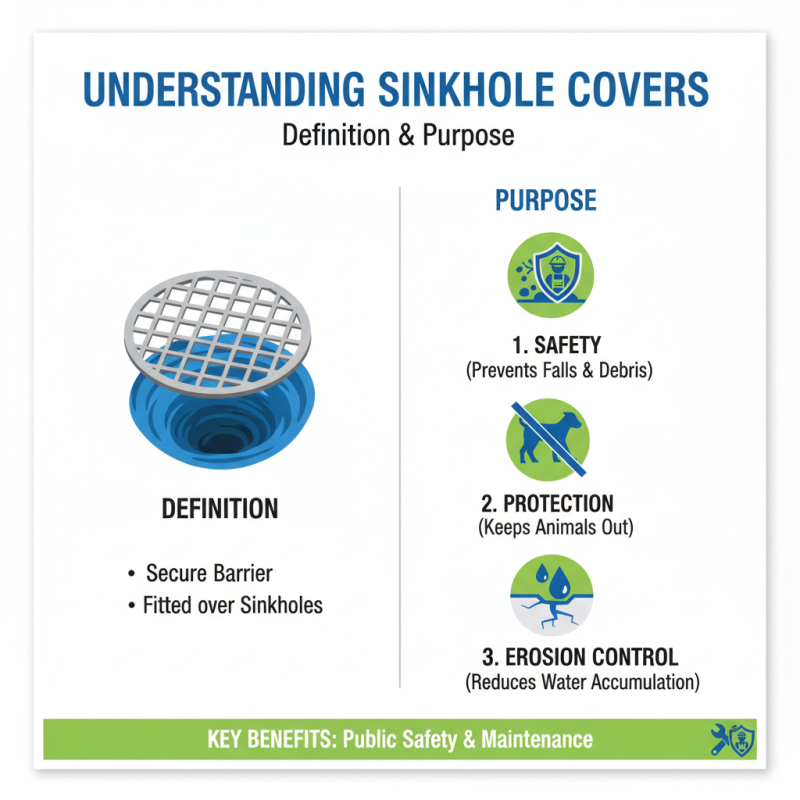
Understanding Sink Hole Covers: Definition and Purpose

2026 How to Choose the Best Sink Hole Cover for Your Needs?

Sink hole covers play a crucial role in safety and maintenance. They protect holes from debris and animals, ensuring public safety. A sink hole cover is designed to fit securely over a sinkhole, preventing accidents. Proper use of these covers can also prevent water accumulation, reducing erosion risks. It's essential to understand their purpose before making a purchase.

When choosing a sink hole cover, consider the materials used. Durable materials like reinforced polyethylene last longer and withstand weather conditions. Check for features such as UV resistance and slip-resistance too. A well-made cover can prevent serious injuries and property damage. Sometimes, however, covers may not fit perfectly, leading to gaps. This issue might require innovative solutions.

Understanding sizing is key. An incorrect size can compromise safety. Regular inspections are necessary, as wear and tear can affect functionality. The right cover addresses these concerns effectively. A reliable sink hole cover is not just a purchase; it's an investment in safety and prevention.

Types of Sink Hole Covers: Materials and Design Options

When selecting a sink hole cover, the materials and design options play a crucial role. Common materials for these covers include stainless steel, plastic, and rubber. Each material has its pros and cons. Stainless steel offers durability and a sleek look but can be prone to corrosion if not properly maintained. Meanwhile, plastic covers are lightweight and affordable but may lack longevity. Rubber options provide flexibility but might warp under extreme conditions.

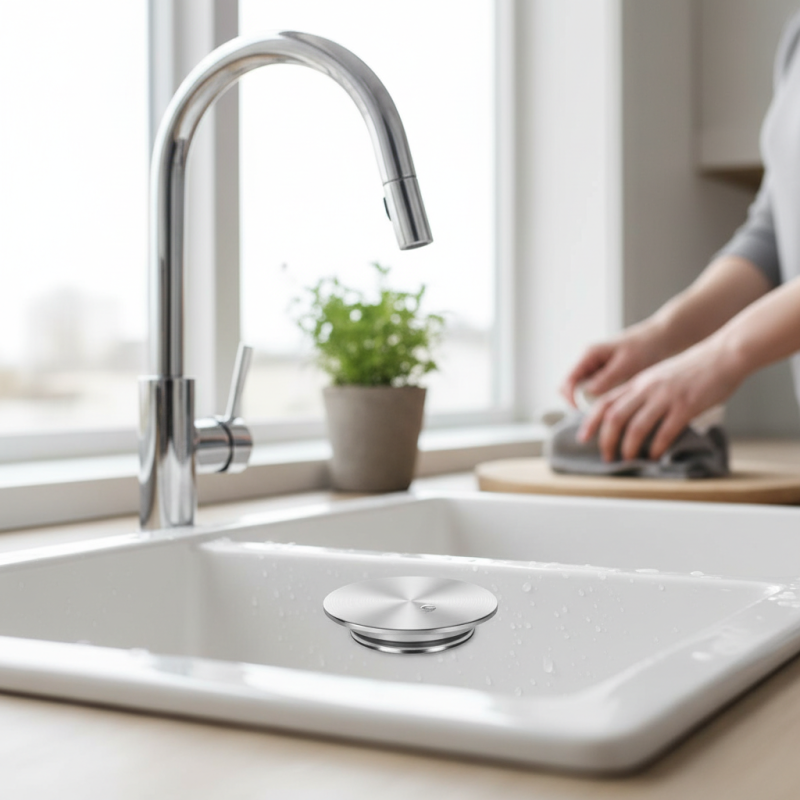
Design options are equally important. Consider shapes and sizes that fit your specific sink hole. For instance, a Chrome Sink Hole Cover gives a modern aesthetic while also reflecting light. Size and fit matter for effective drainage and prevention of clogs. According to industry reports, about 30% of households experience drainage issues related to inadequate cover designs. Selecting a design that aligns with your plumbing system will enhance functionality.

Installation ease is another factor worth noting. Some covers require professional installation, while others can be easily fitted by homeowners. Data suggests that improper installation leads to 25% of sink hole issues. Reflect on the importance of choosing a reliable design and material to minimize future maintenance hassles.

Factors to Consider When Choosing a Sink Hole Cover

When selecting a sink hole cover, several factors come into play. Consider the material first. Common choices are plastic, metal, and stone. Each has pros and cons. Plastic is lightweight but may not be as durable as metal. Metal offers strength, but it can rust over time. Stone provides sturdiness but may be hard to install. Choose what fits your environment best.

Next, think about the size and shape. A proper fit is crucial. The cover should snugly fit your sink hole to prevent debris from entering. Measure accurately. Some covers come in adjustable sizes. This can be beneficial. However, adjustable designs might not always seal tightly.

Lastly, consider ease of installation. Some covers require tools to install, while others are simpler. Look for user-friendly options, especially if you're not handy. Reflect on whether you’ll need to remove the cover often. Simplicity can make life easier. Finally, check for user reviews before deciding. They can reveal potential issues or benefits you might not have considered.

Measuring Your Sink Hole: Ensuring a Proper Fit

Measuring your sink hole correctly is crucial for selecting the ideal Kitchen Sink Hole Cover. Using a tape measure, you can easily determine the diameter of your sink hole. It’s essential to measure from the inside edge to the opposite edge. Don’t rush this step. Small inaccuracies can lead to a poor fit later on.

Consider the shape of your sink hole as well. Some sinks have round holes, while others may be oval or even square. Knowing the shape helps in narrowing down your options for Kitchen Sink Hole Covers. Additionally, pay attention to the depth of the hole. It’s not just about width;a cover that’s too shallow won’t secure properly.

Once you have your measurements, review them carefully. A good fit will help prevent water from leaking and will enhance the overall aesthetic of your kitchen. If there are any discrepancies, double-check your measurements. Taking the time to ensure accuracy will ultimately lead to a more successful installation.

Installation Process: How to Install Your Sink Hole Cover

Installing a sink hole cover requires attention to detail. Begin by collecting essential tools: a tape measure, a marker, and a caulking gun. Ensure your work area is clean. Measure the diameter of the sink hole carefully. This ensures a perfect fit for your Stainless Sink Hole Cover. An ill-fitting cover can lead to leaks or further damage.

Next, apply a bead of silicone caulk around the rim of the sink hole. This step is critical for preventing water from seeping underneath. Position the Stainless Sink Hole Cover carefully over the sink hole. Press it down firmly to create a seal. Allow the caulk to dry according to the manufacturer’s guidelines. During this waiting period, assess your work. Did you miss any areas? Ensure everything aligns correctly.

After the caulk has dried, test the stability of the installation. It should feel solid with no movement. If it shifts, reapply the caulk. Regular maintenance is also key. Inspect the cover frequently for wear or gaps. This prevents costly repairs down the line. Remember, taking the time to get it right now saves hassle later.

2026 How to Choose the Best Sink Hole Cover for Your Needs? - Installation Process: How to Install Your Sink Hole Cover

Feature Description Material Options Installation Time Cost Range
Durability Resistant to weather and UV rays Plastic, Steel, Aluminum 1-2 hours $30 - $100
Design Various shapes and sizes to fit different sinks Plastic, Rubber 30 minutes - 1 hour $20 - $80
Weight Lightweight for easy handling Plastic, Composite 1 hour $15 - $60

Maintenance Tips for Longevity of Your Sink Hole Cover

Choosing the right sink hole cover is crucial for both safety and functionality. Regular maintenance can extend the life of your cover significantly. Inspect it routinely for signs of wear, such as cracks or rust. A damaged cover can pose risks, so addressing issues early is essential.

Cleaning your sink hole cover is equally important. Use mild detergent and a soft brush to avoid scratches. This simple task removes dirt and grime. Neglecting this can lead to buildup, making the cover less effective. If you live in an area with harsh weather, inspect the cover after storms. Weather can accelerate wear and tear.

Lastly, consider storing the cover during off-seasons. If feasible, remove it and keep it in a sheltered area. This prevents unnecessary exposure to elements. Reflecting on your cover's condition regularly makes maintenance easier. Don't wait until problems arise. Staying proactive ensures your sink hole cover remains functional for years.

Common Mistakes to Avoid When Selecting Sink Hole Covers

When selecting a sink hole cover, it's vital to avoid common mistakes that can lead to dissatisfaction. A prevalent error is ignoring the material of the cover. Many overlook the benefits of a Stainless Steel Sink Hole Cover. This material offers durability and resistance to corrosion, making it a smart choice for various sink applications. According to industry reports, stainless steel products can last up to three times longer than plastic alternatives. Choosing a lower-quality material may lead to early wear and rusting, prompting unnecessary replacements.

Another common pitfall is not considering the size and fit. Many buyers assume that all sink holes are standard size, but this is not true. Measuring your sink hole is essential. A cover that does not fit properly can lead to leaks and further damage. Nearly 30% of people report issues due to sizing errors. Proper measurements ensure you select a cover that perfectly fits your needs.

Tips: Always double-check measurements before purchasing. Pay attention to the warranty offered on your sink hole cover. A good warranty can indicate the manufacturer's confidence in their product. Lastly, read customer reviews to gauge real-world performance. This insight could prevent disappointment with your choice.

Common Mistakes to Avoid When Selecting Sink Hole Covers

FAQS

: What materials are commonly used for sink hole covers?

: Common materials include stainless steel, plastic, and rubber. Each offers unique benefits and drawbacks.

What are the pros of using stainless steel for sink hole covers?

Stainless steel is durable and has a sleek appearance. However, it may corrode if not maintained properly.

Why might someone choose a plastic sink hole cover?

Plastic covers are lightweight and affordable. They may not last as long as metal options.

What should I consider regarding the design of a sink hole cover?

Consider the shape and size that fits your sink hole. This improves drainage and helps prevent clogs.

How important is proper installation for sink hole covers?

Installation is crucial. Improper installation causes about 25% of sink hole problems. Do it right the first time.

What is a common mistake when selecting sink hole covers?

A common mistake is ignoring material. Many overlook the longevity and durability of better materials.

How can incorrect sizing affect my sink hole cover?

An ill-fitting cover may leak or cause damage. Almost 30% of users report issues due to size errors.

What’s a good practice before purchasing a sink hole cover?

Always double-check your measurements. Accurate sizing is essential to ensure a proper fit.

Why might I want to read customer reviews before buying?

Reviews provide real-world insights. They can highlight potential issues or benefits others have experienced.

What should I look for in a warranty?

A good warranty suggests the manufacturer's confidence. It may also protect against future problems with the product.

Conclusion

When choosing the best sink hole cover for your needs, it is essential to understand their definition and purpose, as they serve to protect sink holes from debris and unwanted access. There are various types of sink hole covers made from different materials, and selecting the right design can greatly influence both functionality and aesthetics. Key factors to consider include the specific environment, load-bearing requirements, and ease of installation.

To ensure a proper fit, accurate measurement of your sink hole is required. Installation should be done carefully to avoid future issues, and regular maintenance can extend the longevity of your sink hole cover. Additionally, being aware of common mistakes during the selection process can help you make a well-informed choice that effectively meets your needs and enhances safety.

Sophia

Sophia

Sophia is a dedicated marketing professional at JANA PLUMBING CO., LTD., a prominent manufacturer of solid brass and stainless steel sanitary wares based in the picturesque east coast region of Zhejiang Province, China. Since joining the company, she has developed an extensive knowledge of the......
Previous What is the Best Adapter Bushing for Your Needs?