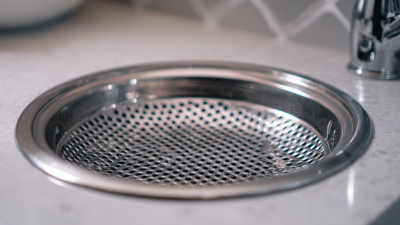
Picking out the right Floor Drain Strainer might seem like a small thing, but honestly, it’s more important than most folks realize. I mean, plumbing pro John Smith over at AquaSafe Corp once said, “A simple strainer can save you a ton of money in plumbing repairs.” That really hits home, right? It just goes to show how crucial it is to pick the right one for your place.
Most homeowners don’t give their floor drains much thought — until something starts acting up. But trust me, investing in a good quality Floor Drain Strainer can make a huge difference. It’s not just about catching leaves or gunk; it also helps your drain do its job properly. Think about a busy kitchen—food bits can easily cause clogs, and a solid strainer keeps the junk out of your drain.
That said, choosing the perfect one isn’t always straightforward. There are tons of styles, materials, and sizes out there, and honestly, it can get pretty overwhelming. So, take a step back and think about what you actually need. Are you looking for something for a shower, or maybe for a basement drain? Figuring out those specifics really helps you pick a strainer that’ll do the job and be easy to maintain. Don’t rush into it — a little research now can save you a lot of hassle later on.
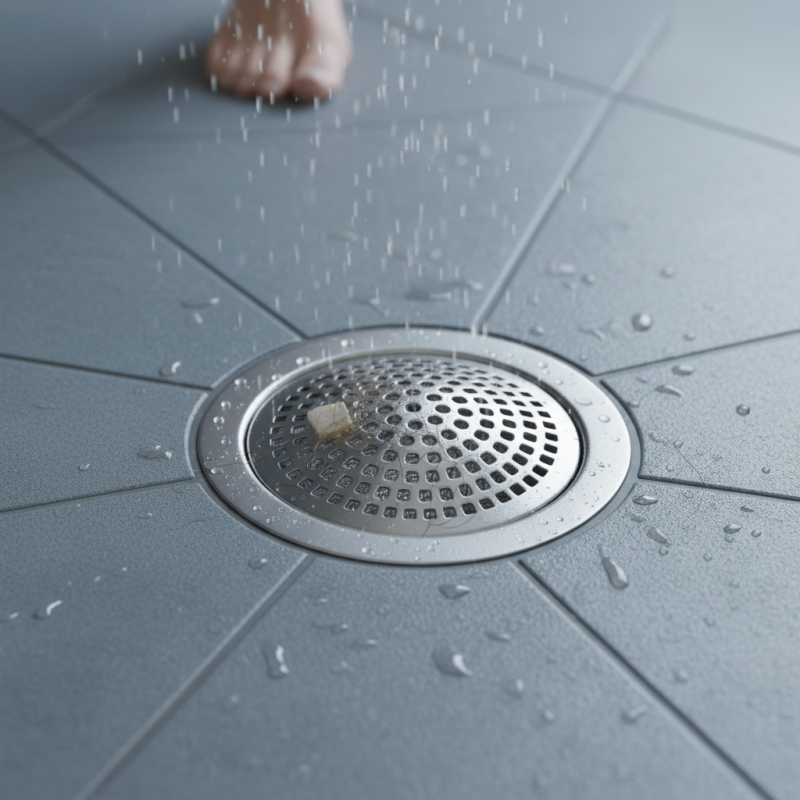
Understanding the Role of Floor Drain Strainers in Home Drainage Systems
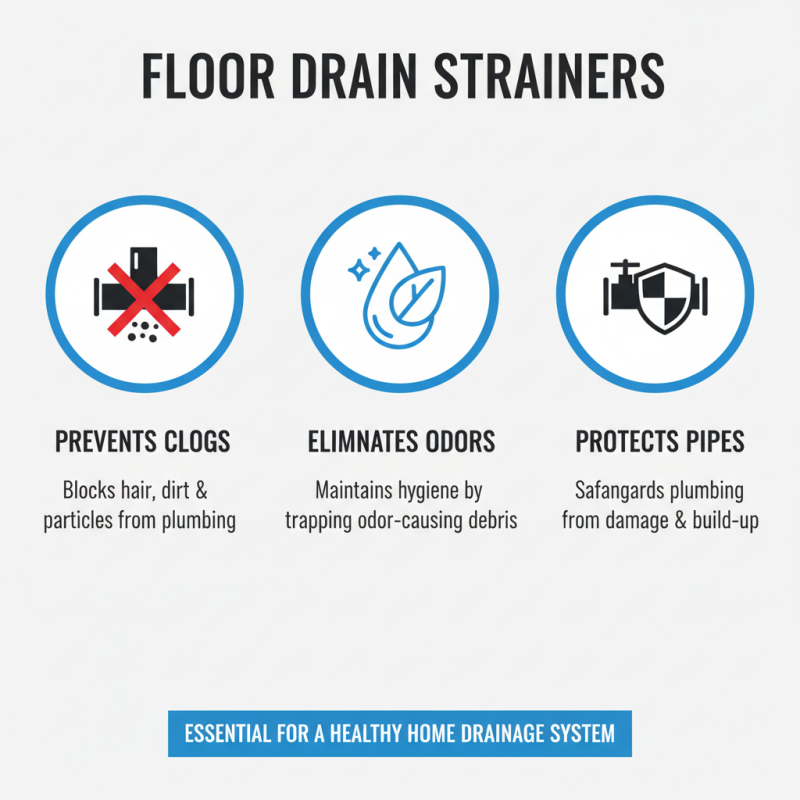
Floor Drain Strainers play a vital role in home drainage systems. They prevent debris from entering the plumbing and causing clogs. A well-functioning strainer can eliminate nasty odors and keep your home hygienic. These small components catch hair, dirt, and other particles, protecting pipes from damage.
Choosing the right Floor Strainerinvolves understanding your needs. Different rooms may require different types. For instance, a bathroom strainer should handle hair and soap scum. In contrast, a Kitchen Strainer must cope with food particles. Reflecting on previous choices can guide better decisions. Have past strainers failed? Analyze those issues to avoid repeating mistakes.
Maintenance is another key factor. Regular cleaning can extend the life of your floor strainer. A neglected strainer can lead to bigger plumbing problems. Consider the materials used. Some might rust or wear out quickly. The perfect floor strainer should balance performance and durability. Don't overlook these details when selecting one for your home.
Types of Floor Drain Strainers: Which One is Right for You?
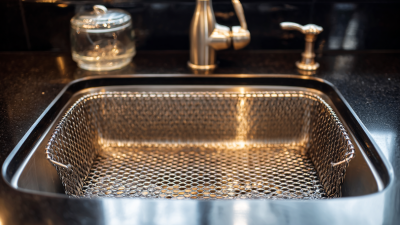
When selecting a floor drain strainer, consider the types available. Common options include mesh, flat, and cylinder styles. Each serves a specific purpose. Mesh strainers catch hair and debris effectively. Flat strainers are often used in kitchen sinks or laundry areas. Cylinder strainers can handle larger materials but may clog easily.
Tips: Measure the drain size before purchasing. That's crucial. Ensure the strainer fits snugly to prevent leaks. Check for easy cleaning options. A complicated strainer can lead to frustration. Regular maintenance is necessary to avoid blockages.
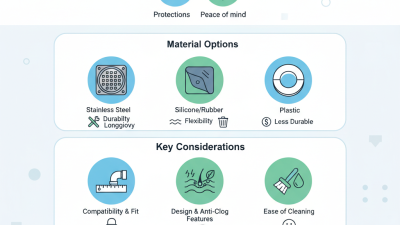
Choosing the right material is important too. Stainless steel is durable and resistant to rust. Plastic variants are lightweight but may degrade over time. Evaluate your usage environment. High moisture areas may require stronger materials, while lower-use areas can opt for simpler designs. Some may neglect these factors. Always reflect on your home’s specific needs before finalizing your choice.
Key Features to Consider When Selecting a Floor Drain Strainer
Choosing the right floor drain strainer is crucial for maintaining a clean and functional home environment. Key features to consider include the material, size, and design. Stainless steel drain strainers are popular for their durability and resistance to rust. According to a report by Home Improvement Research, about 70% of homeowners prefer durable materials for long-term use.
The size of the floor drain strainer matters. It needs to fit snugly over the drain. Strainers that are too small can miss debris. Research shows that improperly sized strainers can lead to plumbing issues, creating costly repairs. A well-fitted Floor Drain Basket, on the other hand, captures hair and dirt effectively, reducing blockages.
Tip: If you have pets, choose a strainer with a finer mesh. This will catch more debris that pet hair brings. Always assess the design as well. Strainers with raised edges can help channel water better while preventing clogging. Be mindful of how easily they can be cleaned. A product may look attractive but can have hidden maintenance challenges. Reflecting on these details can help you find the best option for your home.
Materials Used in Floor Drain Strainers: Pros and Cons
When selecting a floor drain strainer, the materials used are crucial. Common materials include stainless steel, plastic, and cast iron.
Stainless steel is often favored for its durability and resistance to corrosion. It can withstand heavy use in bathrooms and laundry rooms. However, it may become slippery when wet, posing a safety risk.
Plastic, on the other hand, is lightweight and easy to install. It doesn’t rust and is available in various colors. Yet, it can easily crack or become brittle over time, especially in extreme temperatures.
Tip: Check the warranty or guarantee when purchasing. This can provide insights into the product's durability.
Cast iron strains offer a classic look and longevity. They are heavy-duty and can handle heavy foot traffic. However, they may rust if not coated properly.
Consider how each material fits your home’s needs. If you have a busy household, durability is a top priority. Don't overlook the Toilet Floor Flange; it needs to work well with your strainer for effective drainage.
Tip: Regular maintenance is key. Clean your strainer weekly to prevent clogs and buildup.
Installation Process: How to Properly Fit a Floor Drain Strainer
Installing a floor drain strainer can seem straightforward, but it requires careful execution. Many homeowners overlook the importance of a proper fit. Ensuring the strainer fits the drain effectively can significantly reduce clogs and prevent unpleasant odors. According to industry reports, approximately 30% of residential plumbing problems stem from improper installations. A poorly installed strainer can lead to water backup and costly repairs.
Before installation, measure the drain opening accurately. Most strainers come in standard sizes, but variations exist. Remove any debris or old strainers to create a clean surface. Many recommend using silicone sealant for an airtight fit. This step is crucial since even a tiny gap can allow debris to sneak through, negating the strainer's purpose.
After securing the strainer, check its functionality. Does the water flow smoothly? Is there any visible obstruction? Many amateurs skip this step, leading to repeated issues. An effective installation not only protects plumbing systems but also saves money in the long run. Statistics show that homes without a well-fitted strainer incur double the annual plumbing maintenance costs compared to those with proper installations.
Maintenance Tips for Keeping Your Floor Drain Strainer Functional
To keep your floor drain strainer in top shape, regular maintenance is key. Start by removing any visible debris from the strainer. You may notice hair, dirt, or small objects stuck in the mesh. This simple act can significantly improve drainage efficiency. If left unattended, clogs can occur, leading to unpleasant odors and backup. Use your hands or a small brush to clean it out properly.
Next, consider rinsing the strainer with warm water. This will help dislodge any build-up that might be stubborn. For more thorough cleaning, mild soap can be effective. Avoid harsh chemicals that may damage the strainer or pipes. Regular checks are essential. Many homeowners forget about their floor drain strainers until issues arise. Setting a reminder every few months can help maintain functionality.
Inspect around the strainer for signs of leaks or rust. A well-maintained strainer shouldn’t have these issues. If you find problems, addressing them early can save significant time and cost later. Remember, a clean Sink Drain Strainer not only aids in efficient draining but also keeps your home smelling fresh. By prioritizing maintenance, you can avoid larger plumbing problems down the road.
Common Problems with Floor Drain Strainers and How to Solve Them
Floor drain strainers play a vital role in home plumbing systems. However, they often encounter common issues. A frequent problem is clogging. Hair, soap residue, and debris can build up quickly. This prevents water from draining properly. Regular cleaning is necessary to avoid overflow. Simply removing the strainer and rinsing it can help. If the clog persists, tools may be needed for deeper cleaning.
Another issue is corrosion. Over time, drains can rust or degrade. This may cause leaks or unpleasant odors. It's essential to inspect the strainers regularly. Look for signs of wear and tear. If you notice corrosion, replacing the strainer is a wise decision. Plan for it during home maintenance, rather than waiting for a problem to arise.
Sometimes, strainers simply do not fit well. A poor fit can lead to water pooling around the drain. This can damage flooring and encourage mold growth. Measuring your drain accurately before purchasing a strainer can save time and hassle. Don't overlook the importance of proper sizing. Choosing the right strainer can make a significant difference in functionality.
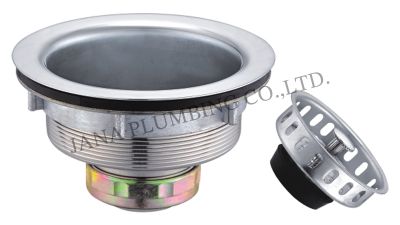
Maximizing Kitchen Efficiency: The Benefits of Using the Sink Strainer JN-1021
In modern kitchens, efficiency is essential not only for culinary success but also for maintaining cleanliness and convenience. One often-overlooked tool that significantly enhances kitchen efficiency is the sink strainer, specifically designed to filter out debris and particles. The Sink Strainer JN-1021 stands out in this regard, as it effectively captures food waste and other debris, preventing clogs and ensuring smooth water flow through your kitchen sink.
According to a study by the National Kitchen & Bath Association, clogged drains are among the top five complaints of homeowners regarding kitchen functionality. By utilizing a quality sink strainer like the JN-1021, individuals can minimize the frequency of drain clogs and the subsequent costs associated with plumbing services. This simple yet effective solution not only maintains a healthier kitchen environment but also extends the life of plumbing systems by reducing the chances of build-up and blockages.
Additionally, implementing such a tool promotes sustainability. The waste captured by the sink strainer can be diverted for composting rather than being sent to landfills. Research from the Environmental Protection Agency indicates that food scraps make up approximately 22% of the municipal solid waste stream. By efficiently managing kitchen waste with the JN-1021 sink strainer, households can contribute to reducing overall waste, supporting eco-friendly practices while maximizing the efficiency of their kitchens.
FAQS
: Regular exercise boosts mood and energy levels. It helps maintain a healthy weight. Strong muscles and bones improve overall health.
Set clear goals. Find an exercise buddy for support. Track your progress and celebrate small achievements.
Low-impact activities like walking, cycling, or swimming are great for beginners. They are easier on the joints and enjoyable.
Aim for at least 150 minutes of moderate aerobic activity per week. Break it down into manageable sessions.
Don’t be too hard on yourself. Reflect on what caused the skip. Make a plan to get back on track.
Proper nutrition fuels your workouts. Include a balance of proteins, carbs, and healthy fats. Stay hydrated to enhance performance.
Conclusion
A Floor Drain Strainer plays a crucial role in home drainage systems by preventing debris from clogging pipes and ensuring optimal water flow. When choosing the best strainer, it's essential to understand the various types available, such as basket strainers, mesh strainers, and trap strainers, each suited for different applications. Key features to consider include size, ease of installation, and compatibility with your floor drain.
Materials used in floor drain strainers can vary, with common options being stainless steel, plastic, and brass, each offering distinct advantages and disadvantages in terms of durability and maintenance. Proper installation is vital to maximize the strainer's effectiveness, along with regular maintenance tips to keep it functional, such as cleaning and inspecting for damage. Being aware of common problems, like clogging or corrosion, and knowing how to address them will help maintain an efficient drainage system in your home.