When you're diving into a home improvement project, one thing you really can't skip is choosing the right materials — especially when it comes to plumbing and construction. Now, one material that keeps popping up because of its durability and good looks is Brass Tubular. I came across a report from the International Association of Plumbing and Mechanical Officials (IAPMO), and it says brass resists corrosion over 90% of the time. That’s a pretty huge deal for pros who want stuff that lasts, you know? It just shows how important it is to invest in quality materials to make sure your project stands the test of time.
John Smith, who’s a senior consultant at the National Brass Association, puts it best: “Picking the right Brass Tubular parts can really kick up the style of your home and at the same time make things more functional and long-lasting.” Plus, with more focus on eco-friendly building options these days, the market for Brass Tubular is booming, giving homeowners and contractors more choices that look good AND work well.
So, as you’re getting started with your home upgrade, it’s super helpful to know what factors matter when choosing Brass Tubular. From the way the material’s built to the different design options, every piece plays a role in helping you get the outcome you want — whether that’s better looks, longer life, or both.
Understanding the Basics of Brass Tubulars in Home Improvement
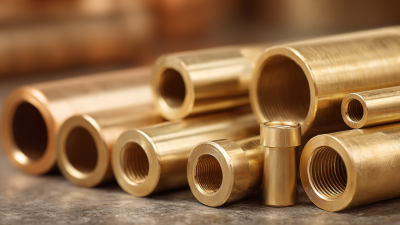
When embarking on home improvement projects, understanding the fundamental characteristics of brass tubulars is essential for making informed decisions. Brass tubulars are typically made from a copper-zinc alloy, combining durability with a pleasing aesthetic appeal. According to a report by the Copper Development Association, brass not only offers superior corrosion resistance but also provides antimicrobial properties, making it an ideal choice for high-traffic areas in the home, such as kitchens and bathrooms.
Further, the versatility of brass tubulars is highlighted by their range of sizes and configurations, allowing for various applications from plumbing to decorative fixtures. Industry data suggests that utilizing brass in plumbing applications can significantly reduce maintenance costs, given its resistance to rust and scaling. In fact, studies indicate that brass plumbing fixtures can outlast their plastic counterparts by up to 4 times in terms of longevity. Therefore, selecting the right brass tubulars can enhance both the functionality and aesthetic value of your home while ensuring a long-lasting investment in your living environment.
Identifying the Different Types of Brass Tubulars Available
When embarking on home improvement projects, selecting the right brass tubular is critical for ensuring durability and aesthetic appeal. Brass tubulars, often used for plumbing fixtures and furniture, come in a variety of types, each with unique properties and applications. The most common types include extruded brass tubulars, which are made from solid brass and known for their strength and corrosion resistance, and fabricated brass tubulars, which are typically constructed from multiple parts and may vary in finish and style. According to a recent industry report, the demand for brass products has increased by 15% over the last five years, indicating a rising trend in home improvement projects focusing on quality materials.
When choosing a brass tubular, consider the specific demands of your project. For high-moisture areas, like kitchens and bathrooms, opt for polished or chrome-plated brass tubulars for enhanced corrosion resistance. In contrast, matte finishes or antique brass are ideal for decorative applications, offering a unique aesthetic without compromising quality.
Tips: Always verify the brass composition when selecting tubulars. Look for items that specify a higher copper content (around 60%) for improved malleability and resistance to dezincification. Additionally, consider the thickness of the tubular wall; a thicker wall often translates to greater durability, ensuring longevity in your home improvements.
Comparison of Different Types of Brass Tubulars for Home Improvement Projects
This chart represents the cost per foot of different types of brass tubulars commonly used in home improvement projects. Standard brass is the most affordable option, while antique brass tends to be the most expensive.
Evaluating the Strength and Durability of Brass Tubulars
When evaluating the strength and durability of brass tubulars for your home improvement projects, it is essential to consider several key factors. Brass is known for its corrosion resistance and robustness, making it an ideal choice for various applications. When selecting a brass tubular, assess its thickness and alloy composition, as these elements directly affect its strength. Thicker materials generally provide greater durability, ensuring that your fixtures endure daily wear and tear while sustaining heavy loads.
Additionally, consider the intended use of the brass tubulars. For projects that require a high level of strength, such as structural supports or heavy-duty fastenings, opting for a solid brass tubular will provide the necessary resilience.
Moreover, examining the product’s manufacturing process can reveal important information about its quality; tubulars manufactured through extrusion processes tend to have improved structural integrity. By focusing on these factors, you can ensure that your choice of brass tubulars not only meets the aesthetic requirements of your project but also stands the test of time in terms of performance and reliability.
Considerations for Size and Dimensions in Your Project
When embarking on home improvement projects that involve brass tubular fittings, understanding the size and dimensions is crucial to achieving both functionality and aesthetic appeal. First, you should assess the specific requirements of your project. Measure the areas where the brass tubular will be installed to ensure a proper fit. Accurate measurements will help prevent complications during installation and ensure that the final appearance meets your design expectations. Consider the diameter and length of the tubing, as these factors influence not only the practicality of the installation but also the overall look of your home improvement.
Additionally, it's essential to consider the compatibility of the brass tubular with other materials in your project. For example, if you're incorporating brass with wood or other metals, pay attention to the thickness and structural integrity of the connections. Choosing the right dimensions will also affect the stability and durability of the assembled product. Take into account any bends, angles, or additional fittings that may alter the required lengths or diameters. By carefully calculating these dimensions, you can ensure that your project not only functions correctly but also enhances the overall aesthetic of your home.
Assessing the Cost and Budget for Brass Tubular Materials
When embarking on home improvement projects involving brass tubular materials, assessing costs and budgeting effectively are paramount. According to a report from the International Copper Association, the price of brass has seen fluctuations tied to the global copper market, with average costs hovering around $3.00 to $4.00 per pound. This variation can significantly impact your overall budget, especially for larger projects requiring substantial quantities of brass. Additionally, the quality of brass can also affect pricing, with higher-grade brass alloys commanding a premium, potentially up to 20% more than standard options.
When planning your budget, it’s vital to include not just the material costs but also supplementary expenses such as tools, finishes, and installation labor. The National Association of Home Builders indicates that labor costs can account for up to 30% of your total project budget. Thus, to stay within your financial limits, comprehensive planning and research into all aspects of the project are essential. Furthermore, considering the long-term value brass tubulars can offer—like their durability and resistance to corrosion—may justify the initial expenses involved, making them a worthy investment in your home improvement endeavors.
Common Applications and Uses for Brass Tubulars in Homes
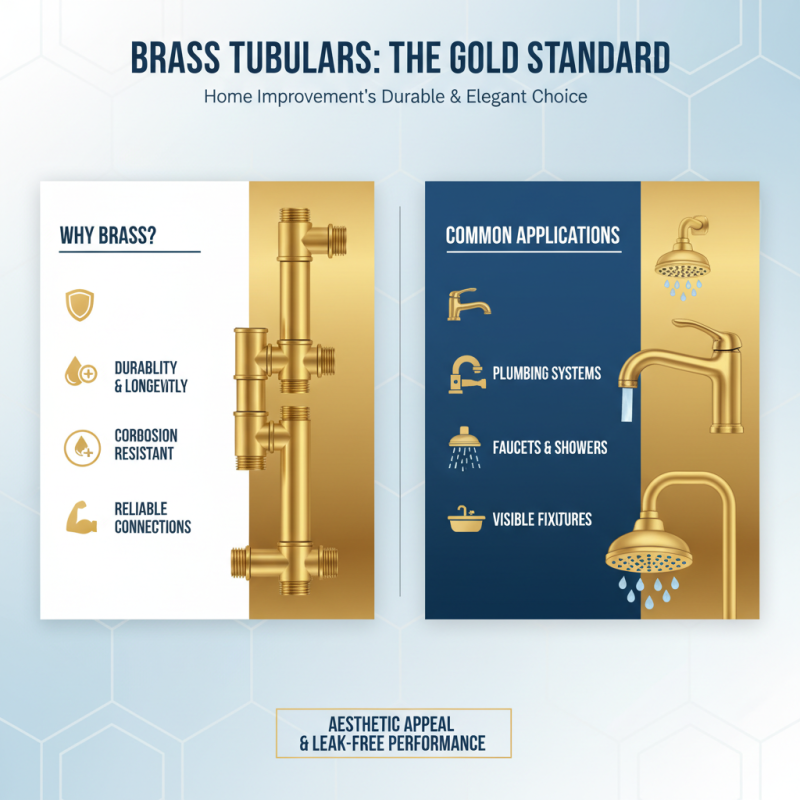
Brass tubulars have become increasingly popular in home improvement projects due to their durability and aesthetic appeal. One common application is in plumbing systems, where brass fittings and pipes are used to ensure a secure and leak-free connection. Brass's resistance to corrosion makes it an excellent choice for both hot and cold water systems, providing longevity and reliability. Additionally, brass tubulars serve as visible fixtures in sinks, faucets, and showerheads, lending a touch of elegance to bathroom and kitchen designs.
In addition to plumbing, brass tubulars find utility in decorative applications. They can be employed in railings, curtain rods, and lighting fixtures, enhancing the overall design of a space. The warm, golden hue of brass adds a sense of sophistication and richness, making it an attractive option for homeowners looking to elevate their interior aesthetics. Moreover, using brass tubulars in furniture, such as coffee tables or shelving units, not only increases structural integrity but also contributes to a modern and stylish look. Overall, the versatility of brass tubulars makes them an excellent choice for various home improvement projects, blending functionality with beauty.
Tips for Proper Installation and Maintenance of Brass Tubulars
When installing brass tubulars in your home improvement projects, proper installation and ongoing maintenance are crucial to ensure durability and functionality. According to the National Association of Home Builders (NAHB), nearly 40% of homeowner complaints stem from poor installation practices. Therefore, paying attention to these details can save significant time and money in the long run. It's essential to follow manufacturer guidelines and use appropriate tools, as incorrect installation can lead to leaks and structural damage.
Maintenance is another critical aspect that homeowners should consider. The Brass Manufacturers Association reports that brass products, when properly maintained, can last for decades. Regular cleaning with appropriate non-abrasive solutions can prevent corrosion and tarnishing. Additionally, it's advisable to inspect fittings and joints periodically to identify and address any signs of wear or damage early. By adopting a proactive approach to maintenance, homeowners can ensure their brass tubulars not only enhance the aesthetic appeal of their spaces but also function effectively throughout their lifespan.
FAQS
: Brass tubulars are typically made from a copper-zinc alloy, which combines durability with aesthetic appeal.
Brass tubulars offer superior corrosion resistance, antimicrobial properties, and can reduce maintenance costs in plumbing applications.
Brass plumbing fixtures can outlast their plastic counterparts by up to four times in terms of longevity.
Proper installation is crucial, as nearly 40% of homeowner complaints are due to poor installation practices.
Regular cleaning with non-abrasive solutions and periodic inspections of fittings and joints can help prevent corrosion and tarnishing.
Incorrect installation can lead to leaks and structural damage, which can be costly to repair.
It is advisable to inspect fittings and joints periodically to identify and address any signs of wear or damage early.
Homeowners should use appropriate non-abrasive cleaning solutions to maintain brass tubulars effectively.
Following manufacturer guidelines ensures the correct use of tools and techniques, reducing the risk of installation issues.
With proper maintenance, brass products can last for decades, enhancing both the functionality and aesthetic value of the home.
Conclusion
When embarking on home improvement projects, selecting the right Brass Tubular is crucial to ensure both functionality and aesthetic appeal. Understanding the basics of Brass Tubulars provides a solid foundation, as they come in various types, each suited for different applications. Evaluating their strength and durability is essential, especially in areas subject to wear and tear.
Size and dimensions play a vital role in the effectiveness of Brass Tubulars, so careful consideration must be given to fit your specific project needs. Budgeting for these materials is also necessary, as costs can vary significantly. Common applications for Brass Tubulars include plumbing fittings, drawer pulls, and decorative elements, making them versatile components in home design. Lastly, proper installation and maintenance tips can enhance the longevity of Brass Tubulars, ensuring they continue to serve your home well for years to come.