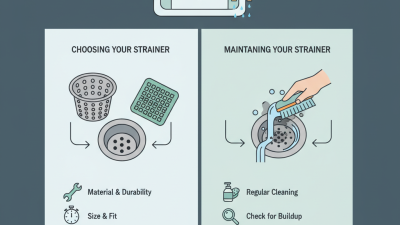
So you're on the hunt for a Bathtub Strainer in 2026? Honestly, it's not just about picking something that looks shiny. You need to make sure it actually fits your drain, keeps hair from clogging things up, and still lets water flow freely without you having to unclog it every other week. First things first—measure that drain opening. And don't forget to see what kind of stopper you've got: lift-and-turn, push-pull, or some other style. Sure, a polished finish might catch your eye, but compatibility is what really matters. The little details? They count more than you'd think.
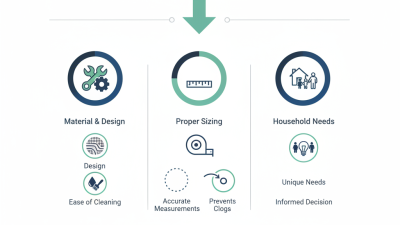
So, Jordan Lee, who really knows his plumbing stuff, put it this way: “A good strainer should catch debris without making routine cleaning a chore.” And honestly, that’s the whole ballgame. This guide dives into all the nitty-gritty—drain measurements, materials, strainer styles, water flow, and how easy they are to keep clean. Stainless steel? Great if you’re dealing with heavy use. Silicone? Way easier to pop out and rinse. But here’s the thing—material alone won’t guarantee a perfect fit. You’ve gotta look at the whole picture. Before you buy, make sure you check the sizing info from the manufacturer, and also compare the strainer with your current drain setup. If you're not sure it'll fit, just stop and double-check. Honestly, that little extra effort can save you a headache later when you'd have to deal with returns.
You know, picking a bathtub strainer isn't just about the drain—it's about your whole household. Maybe you've got long hair that clogs everything, or kids and pets splashing around in the tub. Some strainers are great at catching all that gunk, but then you're constantly cleaning them out. Others pop right out for easy cleanup, but they might slide around when water's flowing. Honestly, there's no magic one-size-fits-all solution. The right pick really comes down to balancing how well it fits, how fast it drains, how durable it is, and how much effort you're willing to put into scrubbing it. And yeah, sometimes you just have to try a couple before you find the one that clicks. Nobody talks about that part, but it's true.
Understanding How Bathtub Strainers Work
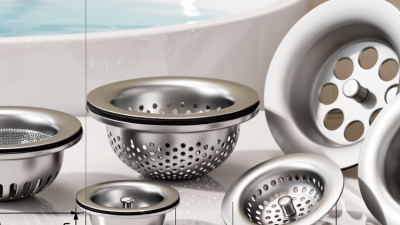
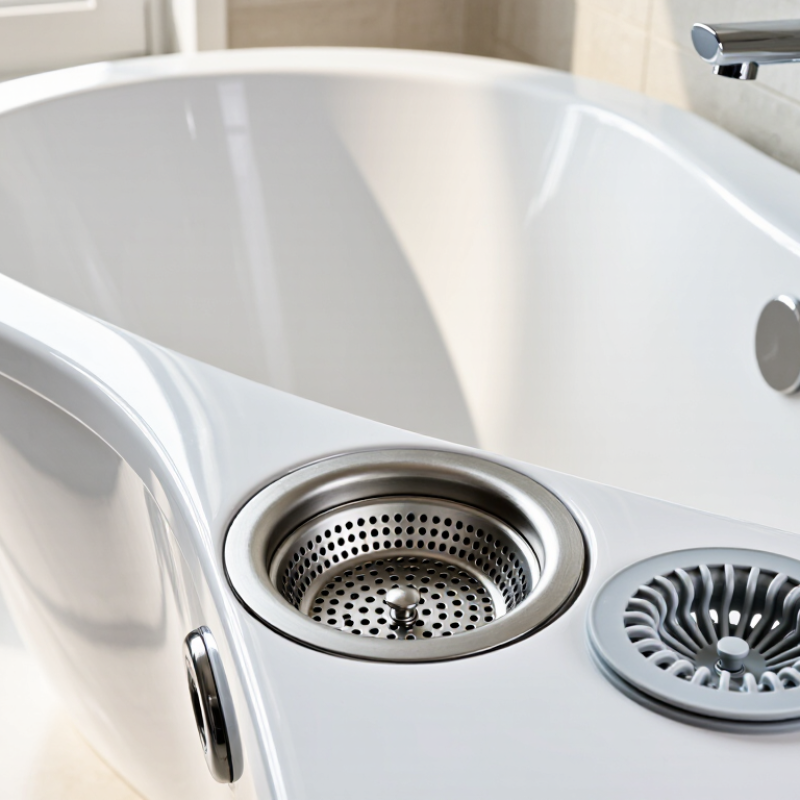
A bathtub strainer sits over or inside the drain opening, where it catches hair and larger debris before they enter the plumbing. Water passes through its holes or slots while solids remain on the surface. That simple barrier can reduce clogs, but it cannot catch soap residue or every fine particle. A strainer is not a substitute for occasional drain cleaning.
Design affects how it works. A flat grid usually rests over the opening, while a basket-style strainer may fit into the drain itself. Some tubs use a stopper mechanism built into the drain assembly, so a separate strainer may not fit properly. Measure the opening and check how the stopper operates before choosing one. A small mismatch can leave gaps or interfere with draining.
Material and maintenance matter, too. Stainless steel resists rust in a damp bathroom, while silicone can sit snugly on some drain openings. Neither material removes the need for cleaning. Lift the strainer regularly, clear away trapped hair, and rinse it under warm water. It is easy to overlook the underside, where residue can collect. If water still drains slowly with a clean strainer, the blockage may be deeper in the Bathtub Drain, and the strainer alone will not solve it.
Identifying Your Drain Type and Size
Before choosing a bathtub strainer, identify the drain opening and how the existing fitting attaches. Clear away hair and soap residue, then use a flashlight to inspect the rim. Is the strainer held by a central screw, seated in threads, or pressed into place? These details affect compatibility. Small details matter.
Measure the opening across its widest inside edge, not the outer lip of the tub. If the old strainer comes out easily, measure its diameter and note any visible threads. A ruler can help, but a caliper gives a more precise reading. Do not guess. Many drains look alike, yet small differences can prevent a secure fit. Check the strainer’s listed fitting dimensions against your measurements, and confirm whether it is designed for your drain style. If you are unsure, take a clear photo of the drain and the removed part before shopping. Measurements can be imperfect, especially when grime hides the edge or the drain is worn. That is worth checking twice; forcing a mismatched fitting may damage the finish or leave gaps where debris can pass through.
How to Choose the Best Bathtub Strainer in 2026? — Identifying Your Drain Type and Size
| What to Identify | How to Check | What to Record | Why It Matters |
| Drain opening | Remove the stopper or existing strainer if possible. Measure the inside diameter of the tub opening from edge to edge, not the outside diameter of the trim. | Inside diameter in inches or millimeters; note whether the opening is round or an unusual shape. | Strainers are sized to fit the opening. A close visual match is not enough if the edge or mounting style differs. |
| Drain connection | Look for visible threads inside the drain body. If the part is removable, check its thread style and diameter; avoid forcing it if it resists turning. | Threaded or unthreaded; measured thread diameter and pitch, if available. | Some strainers screw into a threaded fitting, while others use a different fastening method. Thread size and pitch must match. |
| Stopper mechanism | Identify how the tub is stopped: a separate removable plug, toe-operated stopper, lift-and-turn stopper, or a lever on the overflow plate. | Stopper type and whether the stopper is separate from or built into the drain assembly. | A strainer may not fit beneath or operate correctly with an existing stopper mechanism. Some installations require a compatible replacement assembly. |
| Drain and strainer condition | Check for corrosion, damaged threads, mineral buildup, and a loose or uneven drain flange. | Condition of the flange, threads, and sealing surface. | Damage or buildup can prevent a secure fit or proper seal. Cleaning or replacing a damaged drain fitting may be necessary. |
| Strainer design | Choose among a fixed perforated cover, a removable basket-style strainer, or a strainer that is part of a stopper assembly. | Preferred design, ease of removal, and whether the stopper must remain functional. | Hole size and layout affect hair and debris capture, while removability affects cleaning. Confirm that the design suits the drain and stopper. |
| Nominal drain size | Check the drain documentation or identify the drain assembly before using a nominal pipe size as a guide. | Nominal connection size, if confirmed, plus the measured tub opening size. | A 1½-inch (38.1 mm) nominal bathTub Waste connection is common, but it does not specify the strainer’s outside diameter or prove that a replacement will fit. |
| Final fit check | Compare the measurements and fastening method with the replacement’s specifications. Test-fit gently before applying sealant or tightening. | Opening diameter, mounting or thread details, stopper compatibility, and required sealing method. | Matching the actual drain opening and connection is more reliable than choosing by appearance or nominal plumbing size alone. |
Measurement tip: Drain and strainer dimensions vary by design and installation. Measure the existing opening and connection directly, and consult the drain assembly’s specifications when thread details are unclear.
Comparing Strainer Designs and Materials
How to Choose the Best Bathtub Strainer in 2026?
Comparing Strainer Designs and Materials
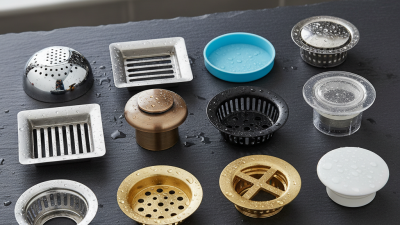
A bathtub strainer should catch hair without slowing drainage or making cleaning unpleasant. Flat silicone covers sit over the drain and lift off quickly; basket-style inserts collect debris below the surface. Stopper-and-strainer designs save space, but their moving parts can trap soap residue. Check the drain opening and stopper type before buying. A Bathtub Pipe Drain may look standard, yet dimensions can vary.
Material affects upkeep. Stainless steel resists rust and handles frequent cleaning, while silicone bends easily and can fit snugly over uneven surfaces. Plastic is often light and inexpensive, but may feel less durable with repeated handling. There is no perfect option. A fine mesh catches small hairs, though it may need more frequent rinsing. For context, the U.S. EPA WaterSense program estimates that replacing an older toilet with a WaterSense-labeled model can save a family nearly 13,000 gallons of water annually. That figure concerns toilets, not strainers; it is a reminder that bathroom choices have different impacts.
Tips: Measure the drain, then test how easily the strainer lifts out with wet fingers. Rinse it after each bath. If drainage still slows, check for buildup below the strainer rather than assuming the design is faulty.
Evaluating Hair Capture and Water Flow
A bathtub strainer has two competing jobs: catch hair and let water pass. A fine mesh may collect more strands, but soap residue can cover its openings and slow drainage. A simple comparison helps: run the same amount of water through each candidate, then inspect what it catches. Use loose hair from a brush, not a guess based on hole size alone.
For a repeatable flow check, time how long a marked water level takes to drain. The U.S. EPA’s WaterSense showerhead specification sets a maximum flow of 2.0 gallons per minute, compared with the federal standard of 2.5 gallons per minute. That measures incoming shower flow, not drain capacity, but it gives a useful real-world reference when testing a strainer under running water. Keep the faucet setting consistent. Small changes matter.
Check whether captured hair lifts away cleanly, and whether the strainer stays flat over the drain. A removable basket can be easier to clear than a screen that traps wet strands across its surface. This test is imperfect: hair length, soap, and tub shape all affect results. Still, a strainer that catches hair while draining steadily is more useful than one that wins either test alone.
Checking Compatibility, Durability, and Ease of Cleaning
A good bathtub strainer must match the drain before material or appearance matters. Measure the opening and check for crossbars, threads, or a built-in stopper; a cup that sits loosely can shift when water drains. The National Association of Home Builders’ Study of Life Expectancy of Home Components estimates a bathtub may last about 50 years. That long lifespan makes it sensible to check older drain styles carefully. Fit comes first. If a listing says “Bathtub Drain Cupc,” treat that wording as a search label, not a guarantee of compatibility. Compare the product’s stated measurements with your drain, and confirm whether it catches debris or also acts as a stopper.
For durability, look for corrosion-resistant metal or sturdy silicone, with no sharp edges or flimsy joints. Material alone is not proof of quality; inspect how the cup sits and whether it bends during normal handling. Cleaning should be simple: choose a strainer that lifts out without tools and has open spaces you can rinse under a tap. Hair trapped around narrow slots can become unpleasant quickly. One easy mistake is choosing the finest mesh available. It may catch more debris, but it can also clog faster and need frequent cleaning. A quick fit check and a rinseable design are more useful than a complicated feature list.
How to Choose the Best Bathtub Strainer in 2026
Compare common strainer styles by typical compatibility, durability, and cleaning considerations.
Scores are qualitative design-based comparisons on a 1–5 scale, not laboratory test results. Actual fit and performance vary by model; check your drain opening, threading, and stopper mechanism before buying.
Choosing and Testing the Right Strainer for Your Tub
Choosing a bathtub strainer is a fit-and-function decision, not just a question of appearance. Measure the drain opening, then check whether the tub uses a lift-and-turn, push-pull, or other stopper. A strainer that sits unevenly can let hair slip past or interfere with the stopper. Small details matter. Also check the product’s material and whether it can be removed without tools; frequent cleaning should not become a wrestling match.
Test the strainer with a few strands of hair and a steady stream of water. Watch for slow drainage, movement, and hair escaping around the rim. Then remove it and check whether the stopper still seals properly. These simple checks help compare Bathtub Drain Kits before installation. One limitation: a quick home test cannot predict years of wear, so inspect the fit again after regular use.
The U.S. Environmental Protection Agency’s Fix a Leak Week materials estimate that household leaks waste nearly 1 trillion gallons of water nationwide each year. That figure concerns leaks, not clogged drains, but it reinforces the value of checking plumbing fittings rather than assuming they work. If water pools around the drain or the stopper will not hold, the strainer may not be the cause; inspect the drain assembly too. I would not judge performance from one test alone. A second check after cleaning is more revealing.
Deluxe Sink Strainer JN-1024: A Product Outlook Informed by Grand View Research’s Kitchen Sinks Market Report
As kitchen design continues to emphasize practical, durable fixtures, sink accessories have an important role in everyday performance. Market outlooks for kitchen sinks point to consumer interest in products that combine reliable function with materials suited to frequent use. A well-made strainer can help keep food scraps from entering the drain while supporting a cleaner, more convenient washing area. For households choosing or updating a sink, details such as corrosion resistance, sturdy construction, and ease of use can make a meaningful difference over time.
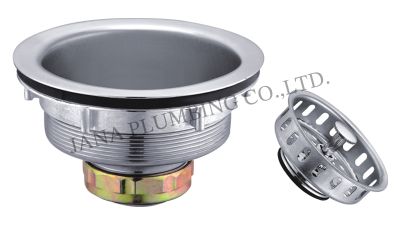
The Deluxe Sink Strainer JN-1024 is designed for use in kitchen and bathroom sinks, with a robust stainless-steel construction that resists rust and corrosion. Its durable material is suited to regular contact with water, while the strainer’s practical purpose helps catch debris during daily sink use. These qualities align with broader expectations for sink accessories: dependable performance, long-lasting materials, and straightforward utility. Whether paired with a new sink or used to refresh an existing setup, the JN-1024 offers a simple functional addition for everyday routines.
Conclusion
Choosing the best Bathtub Strainer in 2026 starts with understanding how it catches hair and debris while allowing water to drain. First, identify your tub’s drain type and measure its opening, since a strainer that is too small or large may not sit securely. Then compare designs and materials, considering how well each option balances reliable hair capture with steady water flow.
Before making a choice, check that the strainer fits your drain and is made to withstand regular exposure to water. A simple design that is easy to remove and clean can make routine maintenance more convenient. After selecting a suitable option, test its fit and drainage in your tub. The right strainer should stay in place, collect debris effectively, and let water flow without unnecessary obstruction.