Leave Your Message
In the constantly changing world of plumbing solutions, picking the right Meter Coupling really can’t be emphasized enough. I mean, recent industry reports suggest that the global market for plumbing fixtures could hit around USD 77.2 billion by 2025 — and it's growing at about 6.6% annually, mainly fueled by urban growth and big infrastructure projects. Among all these products, Meter Couplings are super important because they help keep things running smoothly and accurately. This is especially true whether you're working on homeowners' systems or big commercial setups.
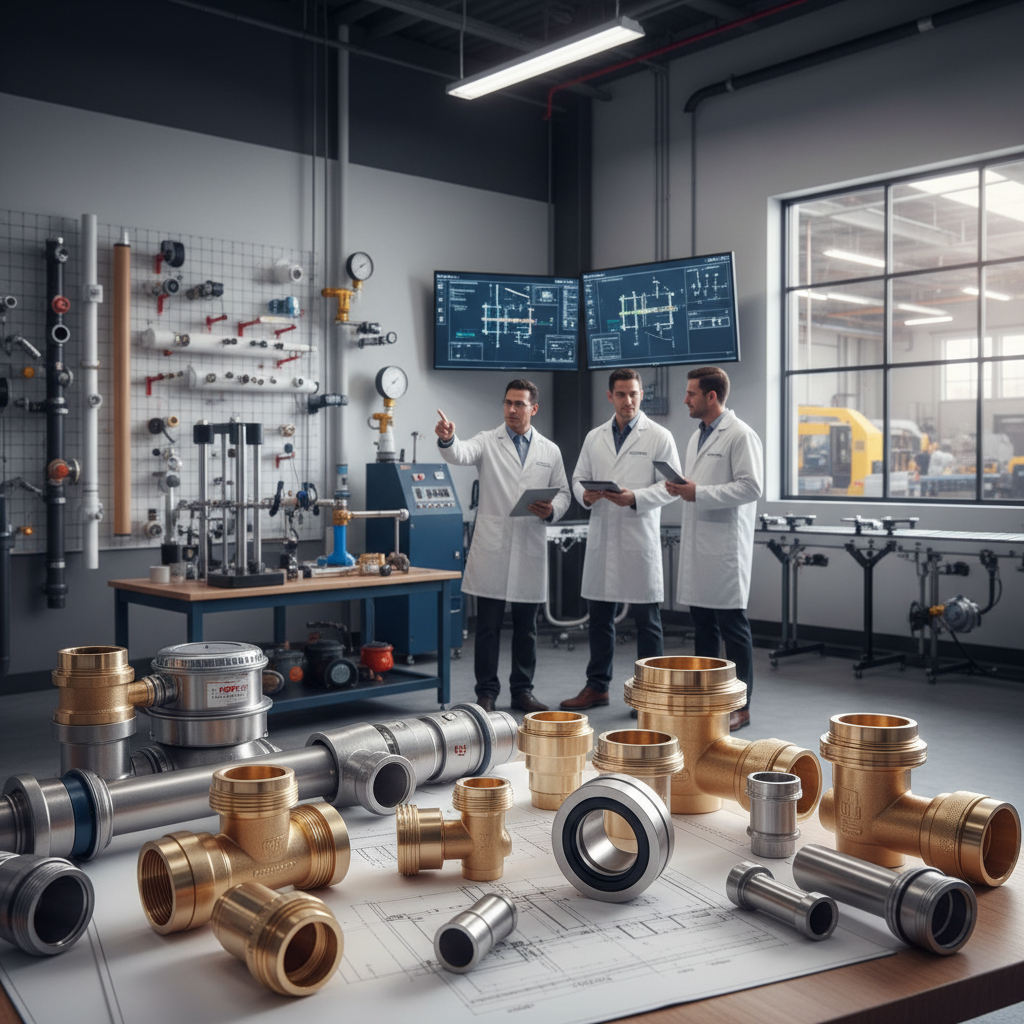
Now, over on China’s east coast in Zhejiang Province, there's a company called JANA PLUMBING CO., LTD. that’s been a real player in this game since way back in 1998. They focus on making top-notch Meter Couplings, along with a wide range of solid brass and stainless steel sanitary ware products. What sets them apart? It’s their dedication to precision and solid manufacturing — which means they’re well-equipped to meet the varied needs of their clients. Understanding the different types of Meter Couplings and knowing when to use each one can really help pros improve the efficiency and reliability of their plumbing systems. In the end, choosing the right Meter Coupling isn’t just about performance; it’s about making sure your project stands the test of time and works flawlessly.
Meter coupling is an essential component in a variety of applications, ensuring that measurements or flow rates are accurately transmitted from the meter to the necessary control systems. Understanding the basics of meter coupling begins with recognizing the different types available, including mechanical, electronic, and hybrid couplings. Each type serves distinct functions, influenced by factors such as the nature of the fluid being measured, operating pressure, and temperature ranges. For example, electronic couplings are preferred in applications requiring high precision and real-time data processing, while mechanical couplings might be utilized for simpler, more robust systems.
When selecting the right meter coupling for your application, consider the specific requirements of your system. Compatibility with the fluid dynamics involved is crucial; using a coupling that can withstand the chemical properties and viscosity of the fluids ensures longevity and accuracy. Additionally, assessing the installation environment, such as space constraints or potential exposure to harsh conditions, will guide the choice of materials and designs. By understanding these fundamental aspects of meter coupling, you can make informed decisions that enhance the efficiency and reliability of your application.
: Meter coupling is a crucial component that ensures accurate transmission of measurements or flow rates from the meter to control systems, playing an important role in various applications.
The main types of meter couplings include mechanical, electronic, and hybrid couplings, each serving distinct functions based on the application requirements.
Electronic couplings are preferred in applications that require high precision and real-time data processing.
Consider factors such as the nature of the fluid being measured, operating pressure, temperature ranges, torque requirements, and the installation environment.
Ensuring that the coupling can withstand the chemical properties and viscosity of the fluids is crucial for the longevity and accuracy of the system.
Meter couplings come in various sizes and designs tailored for specific torque levels, so understanding your system’s torque load is essential for selecting a suitable coupling.
Proper alignment of connected shafts prevents stress on the coupling, maintaining system efficiency, and reducing the risk of wear or failure.
Yes, some meter coupling designs allow for angular or parallel misalignment, which is beneficial in applications where perfect alignment may be difficult to achieve.
Factors such as temperature, humidity, and exposure to chemicals influence material selection and the overall durability of the coupling.
In the article "How to Choose the Right Meter Coupling for Your Application Needs," we explore the essential factors in selecting the appropriate Meter Coupling for various industrial applications. Understanding the basic principles of Meter Coupling, alongside key considerations such as compatibility, size, and materials, is vital for ensuring optimal performance. By comparing the different types available on the market and addressing specific requirements for common applications, users can make informed decisions that enhance efficiency and reliability.
Additionally, maintenance tips are provided to help users extend the lifespan and functionality of their Meter Couplings. As a company specializing in manufacturing solid brass and stainless steel sanitary wares, JANA PLUMBING CO., LTD acknowledges the importance of quality Meter Coupling solutions for plumbing applications, ensuring customer satisfaction through expertly designed products.