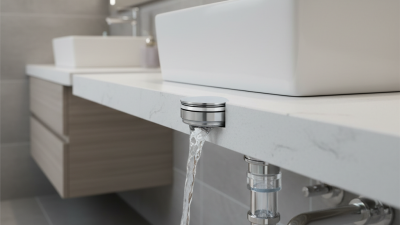
Picking out the right Lavatory Drain is actually pretty important for any bathroom. I mean, with so many options out there, it can honestly get a bit overwhelming for homeowners. Each type has its own quirks and perks, so it really pays to find one that fits your specific needs.
Figuring out what your lavatory really needs is a big deal. Think about things like how water flows, the size of your setup, and the style you’re going for. When you pick the right drain, it not only works better but also looks nicer. That said, don’t forget about quality—there are plenty of drains that look similar but perform quite differently and last much longer.
At the end of the day, it’s about finding a Lavatory Drain that strikes the right balance between style and function. Some folks might just go for what looks good, but performance really matters too. Think back on your past experiences—did your drains clog all the time? Were they a pain to clean? Those little thoughts can help you make a smarter choice. The perfect drain for you will not only meet your needs but also keep your bathroom running smoothly and reliably.

Understanding Different Types of Lavatory Drains Available in the Market
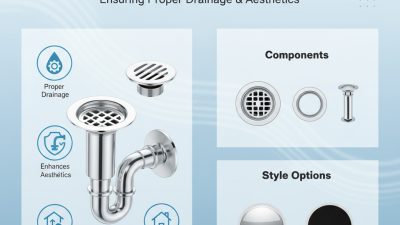
When selecting the right lavatory drain, familiarity with the different types available is essential. There are several options, each catering to unique needs. The most common types include pop-up drains, strip drains, and grid drains. Pop-up drains are popular for their ease of use. They feature a simple mechanism that allows you to open or close the drain with a gentle press. This convenience is appealing, especially for daily use.
Grid drains are another option. They feature a flat, gridded surface that effectively prevents debris from clogging the pipe. However, they may not be as visually appealing as other types. Strip drains provide a modern touch and are often used in contemporary bathrooms. They are designed to handle water flow efficiently, but their installation can be more complex. Choosing the right style involves balancing aesthetics with practicality.
Thinking about installation can also pose challenges. Precise dimensions are crucial for a perfect fit. You may find that some drains do not align well with existing plumbing. Inadequate sealing can lead to leaks or water pooling. Be prepared to reassess your space and plumbing needs before making a selection. A drain is a functional feature that can enhance or complicate your bathroom experience.
Evaluating Drain Materials: Plastic vs. Metal Options
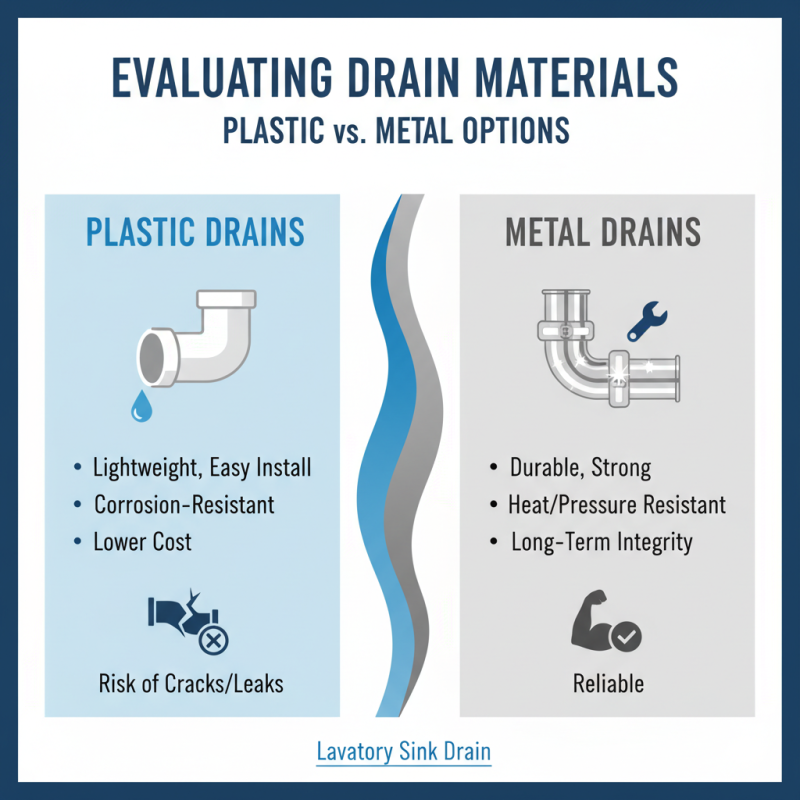
When selecting a Lavatory Sink Drain, the material is crucial. Plastic and metal are the two main choices. Plastic drains are lightweight and resistant to corrosion, making them easier to install. They often cost less. However, plastic can crack under pressure or extreme temperatures, leading to leaks. If maintaining long-term integrity is a priority, this may raise concerns.
On the other hand, metal options provide robust durability. Stainless steel and brass drains not only enhance the aesthetic appeal but also resist wear and tear. These materials can handle heavy usage without deteriorating. Yet, metal drains can be more expensive and heavier, which may complicate installation.
Ultimately, the decision lies in balancing durability and cost. A Lavatory Sink Drain should meet your specific needs while enduring daily usage. Reflect on your environment; if you often deal with high humidity or temperature changes, opting for metal may be wise. Evaluate your choices carefully. The right sink drain can save you time and money in the long run.
Analyzing Compatibility with Existing Plumbing Systems
When selecting a lavatory drain, compatibility with your existing plumbing system is crucial. Many homeowners overlook this aspect, leading to installation headaches. Each plumbing system has unique dimensions and configurations. Measure your existing pipes thoroughly before making a choice. A perfect fit can save time and repair costs.
Consider the material of the drain. Plastic may be lightweight and easy to install, but metal offers durability. Check if your plumbing has required fittings for these materials. Trust your measurements and research local building codes. Plumbing inconsistencies can be frustrating. Misalignment often leads to leaks.
Tips: Always inquire about the drain's warranty. A reliable product usually comes with a good guarantee. Ask for installation guidance from professionals if you're uncertain. A small investment in expert advice can prevent major issues down the line. Ensure that you have all necessary tools before starting. Being prepared minimizes unexpected delays. Remember, a well-installed drain contributes to the overall health of your plumbing system.
Assessing Drain Size and Flow Rate for Optimal Performance
When choosing a lavatory drain, assessing its size and flow rate is crucial. A properly sized drain ensures efficient water removal. It’s essential to consider both the diameter and design of the drain. A standard Lavatory Grid Drain usually has a diameter of 1.25 inches. This size suits most bathroom sinks but may not be ideal for high-flow fixtures.
Flow rate is equally important for optimal performance. A high flow rate reduces the risk of clogs and backups. A lavatory drain with a flow rate of at least 2 gallons per minute (GPM) often performs best. However, test your fixtures beforehand. Sometimes, a lower flow rate may suffice for your needs.
Sometimes, homeowners overlook the importance of these factors. A poorly chosen drain can lead to slow drainage. This results in standing water, which can harbor bacteria. Consider your specific situation. Review your water usage patterns. A thorough assessment can prevent future headaches.
How to Choose the Best Lavatory Drain for Your Needs - Assessing Drain Size and Flow Rate for Optimal Performance
| Drain Type | Pipe Size (inches) | Flow Rate (GPM) | Material | Suitable Applications |
| Standard Drain | 1.25 | 2.0 | PVC | Residential Sinks |
| High-Flow Drain | 1.5 | 3.5 | Brass | Commercial Settings |
| Eco-Friendly Drain | 1.25 | 1.5 | Stainless Steel | Green Buildings |
| Wall-Mounted Drain | 1.5 | 2.5 | Aluminum | Space-Saving Solutions |
| Floor Drain | 2.0 | 4.0 | Polypropylene | Bathrooms & Laundries |
Exploring Aesthetic Choices and Design Considerations
Choosing the right lavatory drain involves more than just function; it's also about aesthetics. According to a report by the National Kitchen and Bath Association, 75% of homeowners prioritize design when selecting bathroom fixtures. The right drain can elevate the look of your bathroom, matching finishes and colors with your overall decor.
Selecting a drain is not solely about appearance. Durability and ease of maintenance are critical. Many attractive drains are also designed to minimize clogs and leaks. Look for quality materials like stainless steel or brass, which offer both longevity and a visually pleasing finish.
Tips: Consider the drain's shape. Round drains may suit modern styles, while square designs can enhance a contemporary vibe.
Balancing style with practicality can be tricky. Some aesthetically pleasing options may not perform well in real-life conditions. Always read reviews and check customer feedback. Assess how the drain functions under daily use to ensure it meets your expectations.
Tips: Pay attention to drainage performance. A beautifully designed drain won't serve its purpose if it can't handle the water flow efficiently.
Maintenance Tips for Prolonging the Life of Your Lavatory Drain
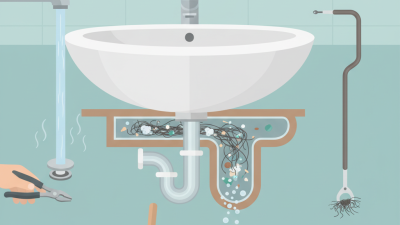
Maintaining your lavatory drain is essential for ensuring its longevity. Regular cleaning can prevent clogs. Simple actions, like pouring hot water down the drain, can clear minor buildups. But never overlook the importance of monthly maintenance. Even an "Offset Lavatory Drain" can develop issues if neglected.
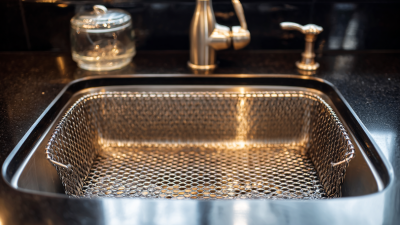
Inspect the drain regularly for signs of wear. Look for leaks or corrosion. Address any problems immediately to avoid further damage. Consider using a Drain Strainer to catch hair and debris. This small step can reduce blockages significantly. It's easy to forget this, but ignoring it will lead to bigger issues later.
Using a natural cleaner is a great choice. Vinegar and baking soda can break down grime without harsh chemicals. However, remember that not all substances are safe for every type of drain. Always check compatibility. Take action before it’s too late. Regular care pays off in the long run. Your lavatory deserves attention just like any other part of your home.
Budgeting for Your Lavatory Drain: Cost Considerations and Options
When budgeting for a lavatory drain, consider various factors that impact costs. The type of drain you choose, such as a Pop Up Lavatory Drain, plays a significant role. These drains are popular for their ease of use and efficient water flow. However, their installation can vary in price depending on material and design. Opting for a high-quality option may save on future repairs, but it often requires a higher initial investment.
Additionally, don't overlook installation costs. Some homeowners may choose to install drains themselves, which can cut costs. Yet, without the right skills, you may face issues down the line. Hiring a professional ensures proper installation, which can be worth the extra expense. If you are on a tight budget, weigh the trade-offs between quality and cost. Skimping on quality may lead to leaks or blockages, necessitating further spending.
Lastly, remember to plan for potential maintenance costs. Drains require periodic cleaning and inspection. Establishing a budget that includes these factors can help you avoid unexpected expenses later. Understanding your needs and financial limits will guide you in making the best choice for your lavatory drain.
Budgeting for Your Lavatory Drain: Cost Considerations
FAQS
: The two main choices are plastic and metal.
Plastic drains are lightweight, corrosion-resistant, and often cost less.
Plastic can crack under pressure or extreme temperatures, potentially causing leaks.
Metal drains offer robust durability and can handle heavy usage without deteriorating.
Yes, metal drains tend to be more expensive and heavier, complicating installation.
A standard diameter is 1.25 inches, suitable for most bathroom sinks.
A flow rate of at least 2 gallons per minute is recommended for best performance.
A poorly chosen drain can cause slow drainage and lead to standing water issues.
Assess your specific needs to prevent future drainage headaches.
Yes, consider humidity and temperature changes when choosing drain materials.
Conclusion
When selecting the best lavatory drain for your needs, it's essential to understand the various types available in the market. Evaluating materials such as plastic versus metal can impact durability, cost, and functionality. Ensuring compatibility with your existing plumbing system is crucial to avoid installation issues. Additionally, the size and flow rate of the drain should align with your requirements to ensure optimal performance.
Aesthetic considerations also play a significant role; the design of the lavatory drain can enhance your bathroom's overall look. Regular maintenance is key to prolonging its lifespan, and budgeting for your choice should consider both initial costs and potential long-term expenditures. By carefully assessing these factors, you can make an informed decision that meets both practical and aesthetic demands for your lavatory drain.