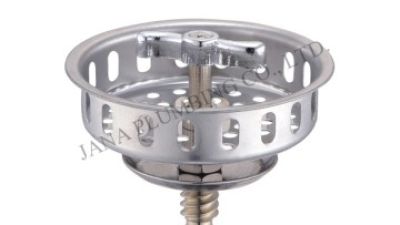
Picking out the right Kitchen Sink Strainer can actually feel pretty overwhelming, honestly. Whether you're remodeling the kitchen or just swapping out the old one, all those options might seem a bit much at first glance. I remember Jamie Reynolds from SinkPro once mentioning, “A good quality sink strainer isn’t just a fancy add-on — it’s key to preventing clogs and keeping your kitchen clean.” So true, right?
When you're thinking about Sink Strainers For Kitchen Sink, it’s really worth considering what you actually need. Are you using it every day for cooking? Or are you mainly worried about food scraps messing up the drain? The materials, shape, size — all these things really matter and can make a big difference in how well it works for you. Choosing the wrong one can just lead to frustration and clogged drains more often than you'd like.
Take your time checking out different options — no need to rush. Every detail counts in making a good choice. A well-picked kitchen sink strainer can truly improve your day-to-day experience in the kitchen. And honestly, thinking about your habits a bit before buying makes it easier to find the perfect fit. Just slow down and think it through — it’ll pay off!
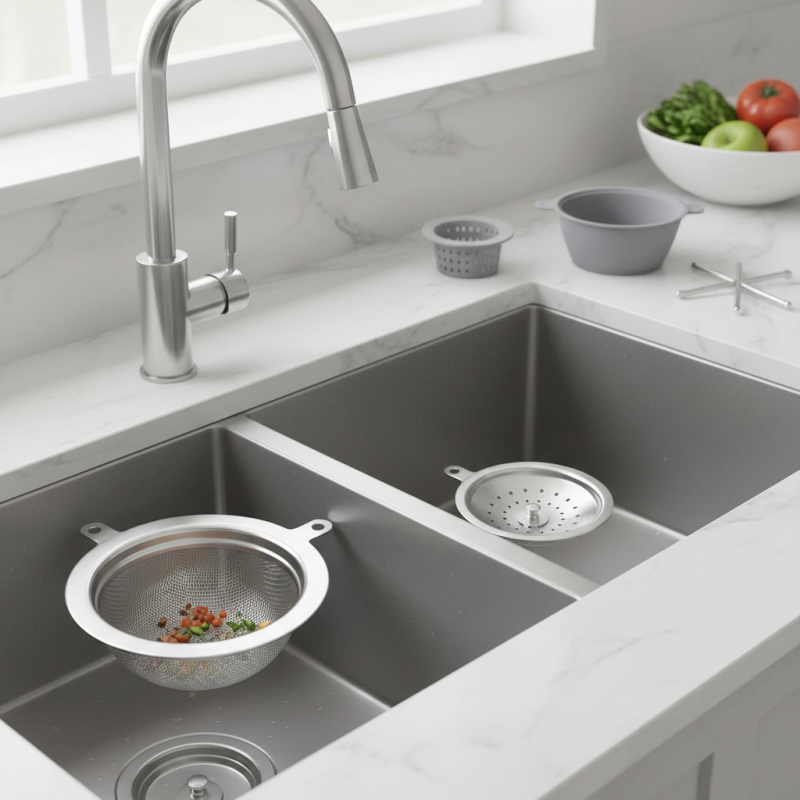
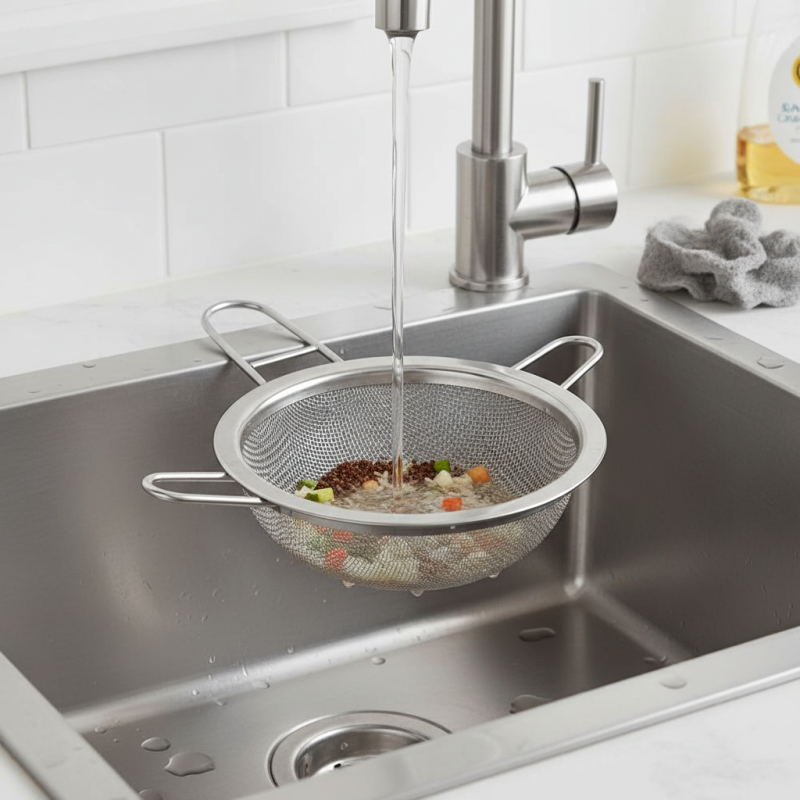
When you think about kitchen sink strainers, consider their essential role. These tools catch food particles and debris, preventing clogs. Without a good strainer, your plumbing can suffer. This can lead to costly repairs and frustrations. Kitchen sink strainers come in various materials. Some are made of stainless steel, while others are plastic. Each type has its pros and cons.
In a bustling kitchen, functionality is key. A strainer should fit snugly in the sink. It needs to allow water to flow while trapping waste. Many strainers also feature easy cleaning designs, which can be a lifesaver. However, it's essential to reflect on this choice. Poorly designed strainers can hold onto debris, leading to bad smells. You might find yourself cleaning more often than necessary.
When selecting Sink Strainers For Kitchen Sink china, focus on durability and ease of use. Look for those with minimal assembly, as complex designs can annoy you in the long run. Remember to consider the size of the sink. Strainers that are too small or too large can cause issues. Finding the right match requires patience and some experimentation.
When selecting a Kitchen Sink Strainer, understanding the types available is essential. There are three main categories: standard, basket, and continuous flow strainers. Each type serves a distinct purpose. Standard strainers block large food particles effectively. However, they may clog easily. Regular maintenance is necessary to prevent backups.
Choosing the right kitchen sink strainer is essential for maintaining functionality and hygiene in your kitchen. There are key factors to consider. First, the size is crucial. A poorly fitting strainer can lead to clogs and water damage. Most standard sink drain sizes are 3.5 to 4 inches. Measure your sink to ensure a proper fit.
Material matters too. Common options include stainless steel and plastic. Stainless steel offers durability and resistance to rust. On the other hand, plastic can be lightweight but may not withstand heavy use. Reports suggest that stainless steel strainers last longer than their plastic counterparts, reducing the need for frequent replacements.
Tips: Look for strainers with removable parts. This feature simplifies cleaning and maintenance. A unit that can be disassembled easily helps prevent buildup of grime. It’s also wise to consider style and design, as a visually appealing Kitchen Sink Net Strainer can enhance your overall kitchen aesthetic. Not all strainers are created equal, and finding one that balances function and design may require some experimentation. Observe your usage habits to choose wisely.
When selecting a kitchen sink strainer, consider the material options available. Stainless steel is a popular choice. It is durable, resistant to rust, and easy to clean. However, it can scratch easily and may lose its shine over time. Plastic strainers are lightweight and inexpensive. They can perform well but may not withstand heat as effectively. The longevity of plastic might be an issue if you frequently use boiling water.
Another interesting option is the Gold Kitchen Sink Strainer. This adds a touch of elegance to your kitchen while being functional. It typically comes with a layer that can resist tarnishing. However, some users find gold finishes may show wear sooner than expected with heavy use. They can be more susceptible to scratches.
Finally, there are strainers made from silicone. They are flexible and can fit various sink sizes. Cleaning silicone strainers is usually a breeze. Yet, they might lack the sturdiness of metal options. Each option has its unique benefits and drawbacks. Your choice should align with your kitchen's needs and style. Reflect on how often you'll use the strainer and the look you want to achieve.
Choosing the right kitchen sink strainer begins with understanding size and fit. Measure your sink's drain opening carefully. Most standard sink openings range from three to four inches. A well-fitted strainer prevents debris from clogging your pipes. Using a strainer that is too small means it won’t catch everything. This can lead to frustrating backups.
Considering the style of your sink is just as important. A deep sink might require a taller strainer. Ensure that it sits flush against the sink bottom. This helps trap food scraps effectively. Some strainers come with adjustable features. However, too many adjustments can complicate usage. Remember, simplicity often leads to better results.
Look for a strainer that matches your kitchen's design. A mismatched strainer can look out of place. Think about materials too. Stainless steel is common, but it may not suit every sink style. Reflect on how your choice enhances functionality and aesthetics. This thoughtful approach can save you from future headaches.
| Sink Type | Strainer Size (Diameter) | Material | Installation Type | Compatibility |
|---|---|---|---|---|
| Top-Mount Sink | 3.5 inches | Stainless Steel | Drop-in | Standard drains |
| Undermount Sink | 4 inches | Brass | Under-sink | Compatible with 1.5" pipes |
| Farmhouse Sink | 4.5 inches | Plastic | Clip-on | Custom fittings required |
| Single-Basin Sink | 3 inches | Silicone | Plunge-in | Fits most standard drains |
| Double-Basin Sink | 3.5 inches | Copper | Welded | Standard drain compatible |
Cleaning your kitchen sink strainer regularly is essential. Food debris can build up quickly. A clogged strainer can lead to unpleasant odors and slow drainage. It's a straightforward task, but one that often gets overlooked. If you encounter frequent blockages, it's time to take a closer look at your cleaning routine.
To clean your sink strainer effectively, remove it from the sink. Use warm, soapy water to soak it. A soft brush can help. Scrub gently to avoid damaging the mesh. Rinsing it well is crucial. Leftover soap can attract more grime. Once clean, you may notice that maintaining it can actually improve your kitchen hygiene.
Sometimes, prevention can be more effective than cleaning. Consider using a fine mesh strainer to catch smaller particles. However, even the best strainer needs maintenance. Reflect on the cleaning frequency; perhaps once a week or more often if cooking frequently. A little effort goes a long way in keeping your sink functional.
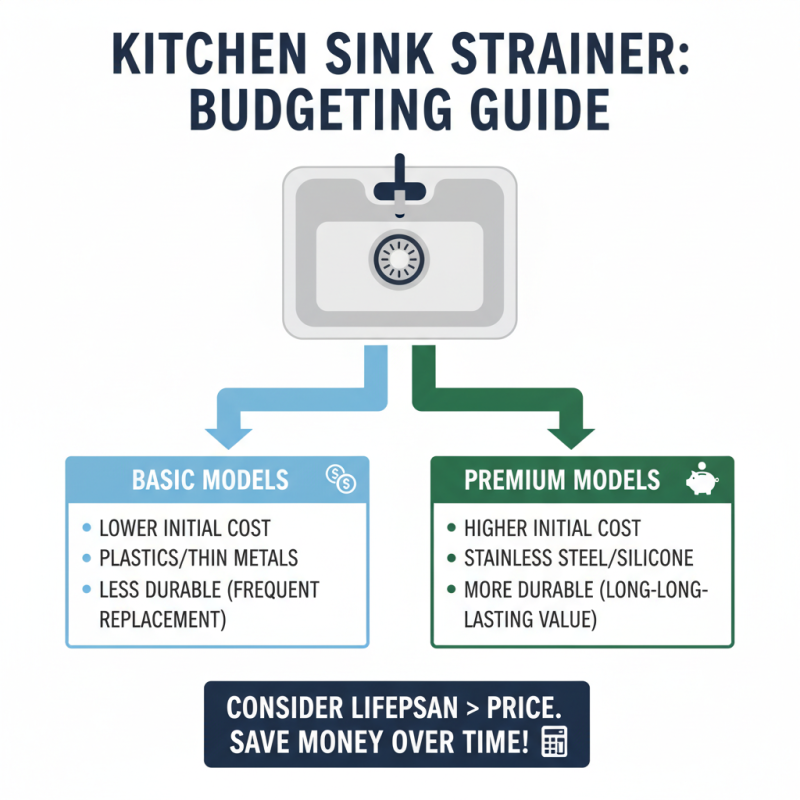
Choosing the right kitchen sink strainer involves careful budgeting. Strainers can vary widely in price, often reflecting their design and materials. A basic model may cost less, but consider durability. Cheaper options might need replacement sooner. This can lead to higher costs in the long run.
Tips: Look for reviews on different materials used in strainers. Stainless steel is often sturdy and resistant to rust. Plastic may be cheaper, but it often breaks. Keep your kitchen's style in mind as well. A strainer should complement your sink and faucet.
Investing wisely requires considering both quality and cost. Some strainers may seem expensive initially, but they might save you money. If they prevent clogs, they also save on plumbing bills. Remember, a little research can help avoid regret later. Always weigh the upfront expense against potential future costs.
When it comes to maintaining an efficient filtration system, choosing the right Replacement Strainer Basket is crucial. The JN-1101 model stands out due to its high-quality construction and reliable performance. Designed to fit seamlessly into your system, this strainer basket is made from durable materials that can withstand the demands of daily use.
The fine mesh screen of the JN-1101 effectively captures particles and impurities, ensuring that the fluid flow remains clean and filtered. This not only improves the efficiency of the filtration process but also prolongs the lifespan of your equipment. Installation and cleaning are straightforward, making the JN-1101 an essential component for anyone looking to maintain their system without hassle. By adding this replacement strainer basket to your inventory, you ensure that you are prepared to keep your filtration system running smoothly.
: The service aims to provide convenient solutions for daily tasks. It's designed to save users’ time.
Signing up is easy. Visit the website and fill out the registration form. It may take a few minutes.
Yes, some services come with fees. Check the pricing section. Not all features require payment, though.
Technical issues can happen. Try refreshing the page first. If problems persist, you can contact support.
Yes, cancellations are allowed anytime. Be aware of the terms to avoid unexpected charges. Reflect on your decision.
Security is important. The service uses encryption. However, no system is perfect. Stay alert and monitor your accounts.
Most users find the platform easy to navigate. However, some features might be confusing for new users.
Feedback is welcome. Users can fill out a form on the site. Constructive criticism helps improve the service.
There are some limitations. Users should check the guidelines. Understanding these helps avoid frustration later.
Support hours may vary. Live help may not be available all the time. Email support can take a few hours to respond.
When selecting the best kitchen sink strainer for your needs, it's essential to understand its functionality and the various types available. A kitchen sink strainer serves to prevent food particles and debris from clogging your plumbing while allowing water to flow freely. Key factors to consider include the material options—such as stainless steel or plastic—which offer different benefits in terms of durability and ease of cleaning, as well as the size and fit to ensure compatibility with your sink.
Maintenance and cleaning are crucial for prolonging the lifespan of your kitchen sink strainer, and budgeting appropriately can help you find a quality product that meets your requirements without overspending. By considering these elements, you can make an informed choice that enhances your kitchen's efficiency and functionality.