When you're picking out a Lavatory Grid Drain, it’s really about balancing style and function. The global market for drainage systems is actually growing pretty steadily—expected to increase at about 5.3% annually between 2021 and 2026 (MarketsandMarkets). That just shows how much people are really looking for better, more efficient solutions—whether it’s at home or in commercial spaces.
Honestly, the right drain can make a big difference. It helps prevent water from pooling and makes sure things drain properly, which is super important for keeping everything hygienic. There’s quite a bit of variety out there—materials, designs—you name it. For instance, a report from Grand View Research points out that stainless steel drains are especially popular because they tend to last longer.
But here’s the thing—lots of folks miss some pretty important details before buying. Choosing the wrong size or getting a drain made of cheap materials can turn into a costly headache later on. That’s why it's so common for people to end up disappointed—they didn’t quite understand what they needed, or just went for the cheapest option out there.
The key is to really think about what fits your specific needs and style preferences. Making a well-informed choice can totally boost not only how your space looks but also how well everything works. So, take your time, do a little research, and don’t just go for quick, cheap solutions—your future self will thank you.
Understanding Lavatory Grid Drains: Function and Importance
Lavatory Grid Drains play a crucial role in bathroom function and hygiene. They help prevent clogs and ensure proper drainage. According to industry reports, proper drainage systems can reduce maintenance costs by up to 30%. This highlights the importance of selecting the right drain for your needs.
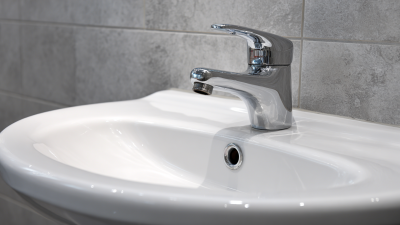
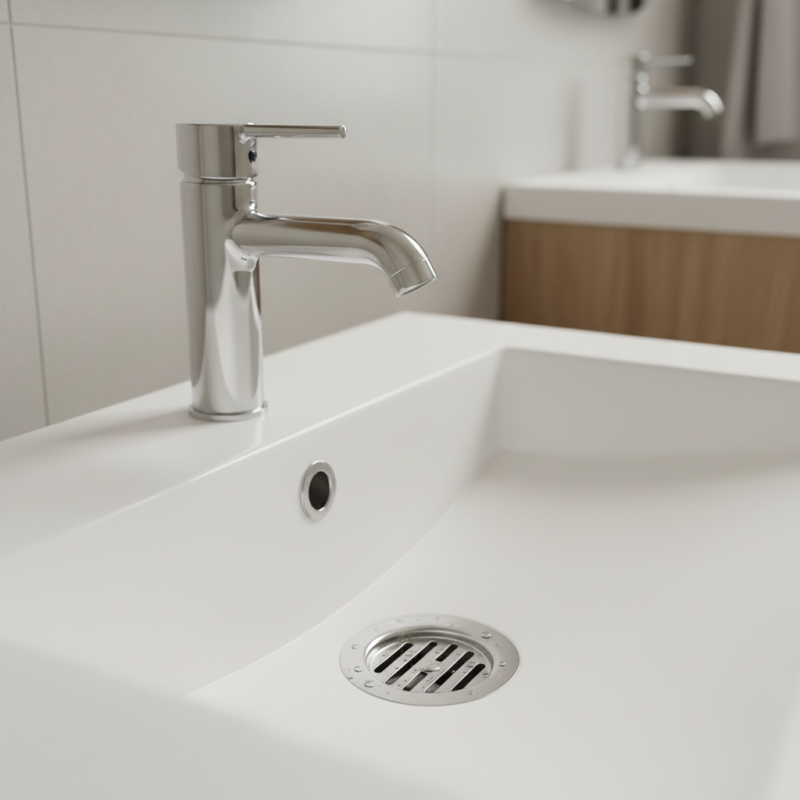
The 19 Hole Grid Lavatory Drain is one design that offers effective water flow while trapping debris. In busy households, these drains keep washbasins clear. However, choosing the right one can be challenging. Some products fail to meet quality standards, resulting in leaks or clogs.
In a survey, 40% of homeowners reported dissatisfaction with their drainage systems. Common issues include poor water flow and difficulty in cleaning. It's crucial to consider material and design. A durable option may cost more upfront but can provide long-term savings. Investing in a high-quality Lavatory Drain is essential for ensuring efficiency and cleanliness.
Key Features to Consider in Wholesale Grid Drains
When selecting a wholesale lavatory grid drain, several key features are essential. Material choice is vital. Most products use stainless steel or PVC. Stainless steel offers durability, with a resistance to rust and corrosion. PVC, while cheaper, can wear out faster. According to industry surveys, up to 25% of plumbing issues originate from poor-quality drains.
The size and drainage capacity cannot be overlooked. Drain sizes typically range from 1 to 4 inches. A larger diameter can handle more water flow, reducing the risk of clogs. The industry recommends selecting a drain that matches the existing plumbing to prevent future problems. Improper size may lead to leakage or pooling water.
Additionally, features like anti-odor traps and easy cleaning mechanisms enhance usability. A study by the Plumbing Industry Association found that 30% of users faced maintenance issues due to inadequate design. It highlights the need for thoughtful selection. Visual inspection of design can reveal potential flaws. Focusing on these features is crucial for an effective drainage solution.
Materials Used in Manufacturing Lavatory Grid Drains
When selecting a lavatory grid drain, materials used in its construction matter significantly. Stainless steel is a popular choice due to its durability and rust resistance. It ensures a long lifespan even in humid environments. However, not all stainless steel is the same. Some may have a lower quality that easily tarnishes or rusts.
Plastic drains also attract attention. They are lightweight and often less expensive. However, their durability is questionable. Over time, they might crack or discolor.
Users often find themselves replacing these drains sooner than they anticipated.
Cast iron is another option. It’s heavy and sturdy, providing a classic look. Yet, it may be prone to rust if not properly maintained.
Choosing the right material requires careful consideration. Think about your budget and aesthetics. Each material has pros and cons to consider. You might find that the most expensive option isn’t always the best fit for your needs.
Evaluate your space and how the drain will be used. It's not just about looks—functionality is equally crucial.
Evaluating the Drainage Capacity for Your Needs
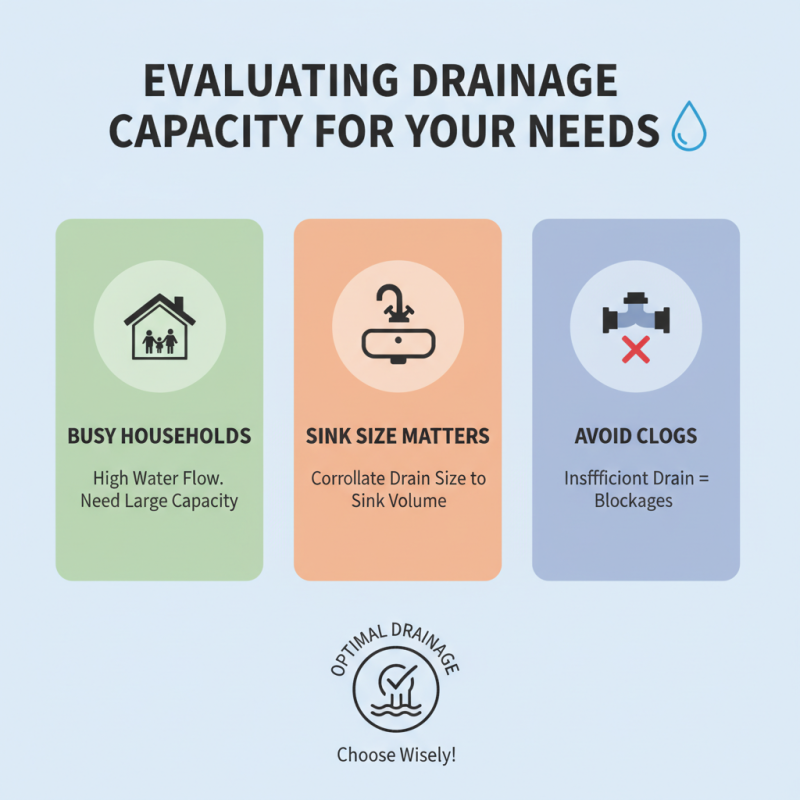
When choosing a lavatory grid drain, understanding the drainage capacity is essential. Different settings require different solutions. For busy households, you need a drain that handles substantial water flow. Consider the size of your sink and the frequency of use. Too small a drain might lead to clogs.
Pay attention to material choices as well. Stainless steel is popular for its durability. However, some alternatives might not hold up in high usage scenarios. Many people overlook the importance of maintenance as well. Some drains need regular cleaning to prevent buildup.
Reflect on your specific needs. Are you in a humid environment where mold could pose a risk? A drain with proper ventilation might be necessary. Always weigh the pros and cons as you evaluate your options. There is no one-size-fits-all solution. Different situations may call for unique considerations.
Comparing Wholesale Suppliers for Quality and Price
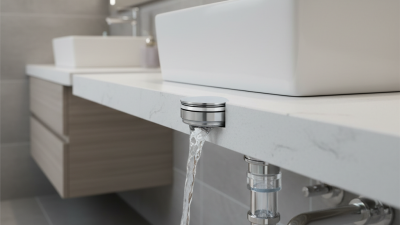
When searching for a Lavatory Grid Drain Without Overflow, quality and price are critical considerations. Wholesale suppliers often vary significantly in these areas. Many offer products at competitive prices, but does a lower price mean lower quality? It's crucial to assess materials and craftsmanship. A well-constructed drain can prevent future issues like clogs or leaks.
Comparing suppliers requires careful evaluation. Check online reviews and ratings to gauge customer satisfaction. Some may claim to provide high-quality products, yet customer experiences tell a different story. Consider ordering samples from several suppliers. This allows you to physically inspect the drains before making a larger investment.
Additionally, factor in shipping costs and return policies. Some suppliers might offer low prices initially but have high shipping fees that can inflate the overall cost. Conversely, a slightly more expensive supplier might offer better terms. Reflect on these aspects to find a balance between cost and quality that meets your needs.
Installation Considerations for Lavatory Grid Drains
When installing a lavatory grid drain, there are several key considerations. The size and type of your plumbing fixtures are crucial. A proper fit ensures water flows smoothly and reduces the risk of clogs. Measure the drain opening carefully before choosing a Lavatory Grid Strainer. An ill-fitting strainer can lead to leaks or persistent blockages.
Another important factor is the material of the grid drain. Different materials offer varying levels of durability and resistance to rust or corrosion. If your bathroom has high humidity, selecting a rust-resistant option is beneficial. Take note of the drain design. Some designs are easier to clean than others. A complicated strainer may trap debris, making maintenance a hassle.
Finally, consider ease of installation. Some grid drains require specialized tools or expertise. If you're not handy, a more straightforward model may save you time. Make sure to read instructions carefully. An oversight during installation can lead to bigger problems later. Reflect on your prior experiences with plumbing tasks to help guide your choice.
Maintenance Tips for Longevity of Your Lavatory Grid Drain
When it comes to maintaining your lavatory grid drain, regular attention can lead to better performance and longevity. Keeping the drain clean is essential. Debris, hair, and soap scum can accumulate and cause clogs. Simply removing visible debris should be done weekly. Ensure you have a small brush or strainer handy for quick cleaning.
Avoid using harsh chemicals to clear clogs. Instead, consider natural alternatives like baking soda and vinegar. This combination can break down buildup effectively without damaging your Lavatory Drain. Remember, it’s about prevention, not just reaction.
In addition to cleaning, check for leaks regularly. A small leak can worsen over time. If you notice water pooling under your lavatory drain, it’s essential to fix it promptly. Ignoring such issues can lead to more significant damage. Small repairs done early can save you time and money later on. Make it a habit to inspect your lavatory drain every few months for any signs of wear.
FAQS
: Evaluating drainage capacity helps prevent clogs in busy households. Assess the sink size and usage frequency.
Stainless steel is durable, but alternatives may not withstand heavy use. Consider your specific needs before choosing.
Regular cleaning is essential. Aim for weekly removal of visible debris to avoid clogs.
Baking soda and vinegar work well together. They break down buildup effectively without damaging the drain.
Regular maintenance prevents issues. Remember to check for leaks and clean the drain regularly.
Water pooling under the drain is a clear sign. Small leaks can worsen, so address them promptly.
Harsh chemicals can damage the drain. Natural remedies are safer and more effective for clearing clogs.
No, different situations require unique considerations. Reflect on your specific environment and usage patterns.
Regular inspection and maintenance lead to better performance. Stay vigilant about cleaning and checking for wear.
Ignoring maintenance can lead to larger issues and costly repairs. Small, regular checks can save you time and money.
Conclusion
When selecting the best Lavatory Grid Drain for your needs, it's essential to understand their function and importance in ensuring effective drainage. Key features to consider include the materials used in their manufacturing and the drainage capacity required for your specific application. Evaluating different wholesale suppliers is crucial to find the right balance between quality and price, ensuring you receive a reliable product.
Installation considerations should not be overlooked, as proper setup can significantly impact the drain's performance. Additionally, to maximize the longevity of your Lavatory Grid Drain, regular maintenance is vital. Following these guidelines will help you make an informed decision when purchasing a lavatory grid drain that meets your specific requirements.